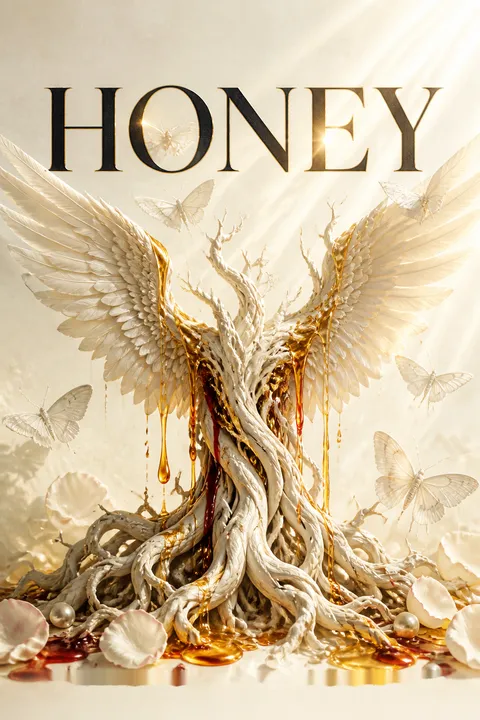

Plot Summary
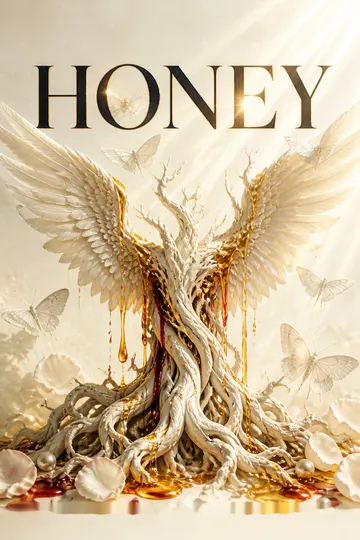
Dream of Roots and Wings
Aheia floats in a surreal dreamscape, guided by a faceless woman who teaches her about the interconnectedness of all life—roots, wings, and the unseen dangers that lurk beneath beauty. The dream is both comforting and ominous, hinting at a forgotten home and a warning to be wary of what nourishes and what poisons. When Aheia awakens, she is thrust into a world of violence and pain, but the memory of the dream lingers, echoing the longing for belonging and the fear of what lies beneath the surface. This chapter sets the tone for Aheia's journey: a search for identity, safety, and the meaning of home, shadowed by trauma and the threat of betrayal.
Blood on White Snow
Aheia's life is violently ended in the snowy forests of Keloseros, her blood staining the white landscape. Arioch, the demon sovereign, is shattered by her loss, his grief manifesting as rage and a thirst for vengeance. The Nephilim and their allies are forced to flee through a vortex, carrying Aheia's corpse and the weight of their failure. The chapter is suffused with the agony of loss, the brutality of war, and the desperate hope for retribution. Arioch's pain is raw, his shadows restless, and the world itself seems to mourn with him. The emotional core is the devastation of love lost and the promise of violence to come.
Vortexes and Vengeance
The survivors escape through a vortex to a desert ruin, where Arioch unleashes his shadows on the pursuing Mithra, exacting bloody vengeance. The battle is savage, the sand soaked with blood, and the cost of survival is high. The Nephilim's loyalty is tested, and Arioch's leadership is both a burden and a weapon. The aftermath is exhaustion, guilt, and the knowledge that violence begets violence. The chapter explores the cycle of retribution, the price of power, and the hollow victory of survival when so much has been lost.
Shadows and Suffering
Haunted by Aheia's death, Arioch is consumed by grief, lust, and rage. His dreams are filled with her, and his waking hours are spent torturing Ophion, the Malek responsible for so much pain. The boundaries between pleasure and pain blur, and Arioch's shadows become both his tormentors and his only solace. The chapter delves into the psychology of obsession, the allure of violence, and the impossibility of letting go. Arioch's suffering is self-inflicted, a penance for his failures and a refusal to move on.
Death's Gentle Hands
Arioch visits Aheia's corpse in the underworld, unable to let go. Death is depicted not as an enemy, but as a gentle, inevitable force—tranquil after the storm of violence. Mazikeen, the Ifrit, offers philosophical musings on time, hope, and the nature of monsters. The chapter is heavy with regret, the futility of clinging to the past, and the need to accept the finality of loss. Yet, there is a sense that death is not the end, and that the story is not yet finished.
Drowning in the Asara
Aheia's consciousness drifts through darkness, numbness, and a surreal afterlife. She follows a moth through a drowned city, haunted by faceless monsters and the echo of her own death. The journey is both literal and symbolic—a passage through trauma, memory, and the possibility of rebirth. When she finally surfaces, she is pulled from the river by strangers, her heart beating once more. The chapter is a meditation on survival, the terror of the unknown, and the fragile hope of a second chance.
Monsters and Memories
Lúc's childhood abuse and his present-day appetites are juxtaposed, revealing the scars that drive his violence and his need for control. The chapter explores the blurred lines between pleasure and pain, dominance and submission, and the ways in which trauma shapes desire. Lúc's relationships are transactional, his loyalty fierce, and his self-loathing ever-present. The emotional arc is one of vulnerability masked by bravado, and the desperate search for meaning in chaos.
Venom and Resurrection
Aheia is attacked by venomous monsters, her body wracked with pain and poison. As she teeters on the brink of death, she is saved by the intervention of Arioch and his allies. Her survival is inexplicable, the poison leaching from her as if she is something other than mortal. The chapter is a crucible of suffering, the terror of helplessness, and the bewildering relief of rescue. The emotional core is the fragility of life, the mystery of Aheia's nature, and the bonds forged in crisis.
Atrium of Owls
Trapped in an atrium besieged by monsters, Aheia and her companions fight for their lives. The battle is brutal, the losses personal, and the aftermath is a reckoning with guilt and grief. The death of an ally weighs heavily, and Aheia is forced to confront the reality of her own resilience and the price of survival. The chapter is a meditation on trauma, the burden of responsibility, and the search for meaning in the aftermath of violence.
Poisoned by the Past
Arioch is haunted by the ghosts of his family—his mother's addiction, his father's cruelty, and his brother's suffering. The past is inescapable, its wounds still bleeding into the present. The chapter explores the intergenerational transmission of trauma, the impossibility of forgiveness, and the ways in which love and violence are intertwined. Arioch's pain is both a curse and a source of strength, driving him to protect those he loves even as he fears becoming the monster he despises.
Wax and Waking
Aheia awakens encased in wax, her memories fractured and her sense of self uncertain. She is thrust into a world that is both familiar and alien, surrounded by strangers who claim to be her allies. The process of healing is slow, the boundaries between dream and reality blurred. The chapter is a study in disorientation, the struggle to reclaim agency, and the tentative steps toward trust and belonging.
Fire and Forgiveness
Mazikeen shares her memories with Aheia, revealing the truth of her death and resurrection. The boundaries between fate, magyck, and will are explored, and Aheia is forced to confront the reality of her own uniqueness. The chapter is a reckoning with the past, the acceptance of the inexplicable, and the possibility of forgiveness—not just from others, but from oneself.
Ghosts of Keloseros
Haunted by dreams of her old life, Aheia struggles to reconcile her past with her present. The loss of friends, the betrayal of loved ones, and the impossibility of returning home weigh heavily. The chapter is a meditation on mourning, the necessity of letting go, and the slow, painful process of building a new identity from the ashes of the old.
Citrus and Confessions
Aheia finds solace in the citrus grove, forging a tentative friendship with Nyco and Koutávi. The chapter is a respite from violence, a space for confession, vulnerability, and the sharing of burdens. Guilt and gratitude intermingle, and the possibility of healing emerges—not as a destination, but as a journey undertaken together.
Hunger in the Shadows
Arioch is consumed by his need for Aheia, his shadows restless and his desires insatiable. The boundaries between love and violence, pleasure and pain, are blurred beyond recognition. The chapter is a study in obsession, the ways in which trauma and desire feed each other, and the impossibility of satiation. The emotional arc is one of longing, frustration, and the desperate hope for connection.
Confronting the Malek
Aheia is brought face to face with Ophion, the Malek who tormented her. The confrontation is both cathartic and harrowing, as she is given the opportunity to exact revenge. The act of violence is both a reclamation of agency and a source of new trauma. The chapter is a meditation on justice, the cost of vengeance, and the difficulty of moving forward when the past is still bleeding.
The Price of Power
Arioch navigates the treacherous waters of Nephilim politics, balancing the demands of power, loyalty, and justice. The chapter explores the cost of leadership, the impossibility of pleasing everyone, and the ways in which personal pain is both a liability and a source of strength. The emotional core is the loneliness of command and the necessity of making impossible choices.
Feeding and Fading
Aheia discovers the truth of her power—she is a Kaymaat, a being who feeds on life energy. The revelation is both terrifying and liberating, as she is forced to confront the reality of what she is and the danger she poses to those she loves. The chapter is a meditation on hunger, the fear of one's own nature, and the struggle to find balance between need and restraint.
Broken Brothers
Kazim, Arioch's brother, is broken by years of abuse, addiction, and loss. His pain is both a mirror and a warning, a testament to the ways in which violence begets violence. The chapter is a study in the aftermath of trauma, the difficulty of healing, and the necessity of compassion—even for those who seem beyond redemption.
Worship and Want
Aheia and Arioch find solace in each other's arms, their desires both a balm and a source of new wounds. The boundaries between worship and want, submission and agency, are explored in scenes of intense intimacy. The chapter is a meditation on the need for quiet, the power of touch, and the ways in which love and pain are inextricably linked.
The Monster Within
Arioch's shadows threaten to consume him as old wounds are reopened and new dangers emerge. The chapter is a study in the fear of one's own power, the struggle to maintain control, and the terror of becoming the monster one fears. The emotional arc is one of vulnerability, the need for support, and the hope that love can anchor even the most dangerous of souls.
Run, Honey, Run
Aheia and Arioch engage in a dangerous game of dominance and submission, their desires pushing them to the edge of control. The chapter is a study in trust, the negotiation of boundaries, and the ways in which pleasure and pain can be both a prison and a liberation. The emotional core is the exhilaration of surrender and the terror of losing oneself.
Counting Orgasms
Aheia is pushed to her limits, her body and mind stretched by Arioch's demands. The act of counting orgasms becomes both a punishment and a reward, a way of measuring devotion and endurance. The chapter is a meditation on the cost of desire, the ways in which pleasure can be both healing and destructive, and the necessity of knowing one's own limits.
Empath's Burden
Kar, the empath, is overwhelmed by the emotions of those around her, her own boundaries dissolving in the face of others' suffering. The chapter is a study in compassion, the difficulty of self-care, and the necessity of finding one's own center amidst the chaos of others' needs. The emotional arc is one of exhaustion, resilience, and the hope that kindness can be both a gift and a shield.
New Colors, Old Wounds
Aheia finds solace in Kar's friendship, exploring new colors, new clothes, and new ways of being. The process of self-discovery is both joyful and painful, as old wounds are reopened and new possibilities emerge. The chapter is a meditation on the importance of choice, the power of creativity, and the necessity of building a life that feels like one's own.
Training and Truths
Aheia begins training with Emryn, confronting her own weakness and the difficulty of earning trust. The process is grueling, both physically and emotionally, and the boundaries between ally and adversary are blurred. The chapter is a study in perseverance, the necessity of self-reliance, and the hope that strength can be built, not just inherited.
The Unraveling
Haunted by nightmares and the fear of her own power, Aheia unravels, her sense of self dissolving in the face of trauma and revelation. The chapter is a meditation on the terror of self-knowledge, the difficulty of accepting one's own darkness, and the hope that even in the depths of despair, healing is possible.
The Kaymaat's Return
Aheia learns that she is Kaymaat, a being thought extinct, capable of feeding on life itself. The revelation is both a curse and a gift, a source of terror and possibility. The chapter is a reckoning with destiny, the fear of becoming a monster, and the hope that one's nature does not have to define one's fate.
The Shykoya's Secret
The truth of the Shykoya is revealed—they are not mindless beasts, but Nephilim transformed by the drug Nerium. The revelation is a condemnation of those who profit from suffering and a warning of the dangers of unchecked power. The chapter is a meditation on addiction, the cost of survival, and the necessity of confronting uncomfortable truths.
The Cost of Survival
Aheia is forced to confront the cost of her own survival—the lives lost, the friends betrayed, and the innocence sacrificed. The chapter is a study in guilt, the impossibility of atonement, and the hope that forgiveness—of oneself and others—is possible, even when the wounds run deep.
The Smile That Hurts
Aheia learns the power of the smile—not as a sign of happiness, but as a weapon, a mask, and a form of defiance. The chapter is a meditation on performance, the necessity of self-protection, and the hope that even in a world of monsters, one can carve out a space for joy.
Blood and Pearls
Aheia and Arioch's relationship is tested in public, their desires and vulnerabilities exposed. The boundaries between pleasure and humiliation, agency and submission, are explored in scenes of intense intimacy and risk. The chapter is a study in the dance of power, the necessity of trust, and the hope that love can survive even the most dangerous of games.
The Monster's Daughter
Aheia faces the truth of her parentage, her power, and the danger she poses to those she loves. The chapter is a reckoning with destiny, the fear of becoming a monster, and the hope that one's choices can shape one's fate. The emotional arc is one of acceptance, the forging of identity, and the determination to survive.
The Roots Remember
The story comes full circle, returning to the dream of roots and wings. Aheia is haunted by memories of her mother, her own violence, and the fear of what she has become. The chapter is a meditation on the cycle of trauma, the difficulty of breaking free, and the hope that even in the darkest of times, healing is possible. The emotional core is the longing for home, the search for meaning, and the belief that even monsters can find redemption.
Analysis
A modern dark fantasy of trauma, power, and the search for selfHoney is a visceral, unflinching exploration of trauma, survival, and the quest for identity in a world where power is both a weapon and a wound. Mariel Pomeroy crafts a narrative that is as much psychological as it is fantastical, using the tropes of dark fantasy—monsters, magic, and forbidden desire—to interrogate the realities of abuse, addiction, and the long shadow of violence. The story's nonlinear structure, shifting perspectives, and rich symbolism invite the reader to experience the disorientation and fragmentation of trauma, while the intense, often uncomfortable intimacy between characters forces a reckoning with the ways in which love and pain are intertwined. At its core, Honey is about the possibility of healing—not as a return to innocence, but as the forging of a new self from the broken pieces of the old. The lesson is that survival is not enough; to truly live, one must confront the darkness within, claim agency, and carve out a space for joy, even in a world of monsters. The book's ultimate message is one of radical acceptance: that even the most wounded, the most monstrous, can find redemption, belonging, and love.
People Also Read

Characters
Aheia
Aheia is the heart of the story—a young woman marked by trauma, loss, and the search for belonging. Her journey is one of death and rebirth, as she is killed, resurrected, and forced to confront the truth of her own power as a Kaymaat, a being who feeds on life energy. Aheia's relationships are fraught: she is both desired and feared, both victim and agent. Her connection to Arioch is intense, blending love, obsession, and violence. Psychologically, Aheia is shaped by abuse, self-doubt, and the longing for home, but she is also resilient, capable of fierce loyalty and moments of joy. Her development is a slow reclamation of agency, the forging of identity, and the hope that she can be more than the sum of her wounds.
Arioch
Arioch is the demon ruler of Aljira, a being of immense power and even greater pain. Haunted by the loss of his mother, the abuse of his father, and the suffering of his brother Kazim, Arioch is both a monster and a man desperate for connection. His relationship with Aheia is the axis of his world—she is both his salvation and his undoing. Psychologically, Arioch is driven by guilt, rage, and the need to control what he cannot bear to lose. His shadows are both weapon and wound, and his journey is one of learning to trust, to forgive, and to accept love even when he feels unworthy. His development is a struggle between the monster within and the man who longs to be more.
Lúc
Lúc is a Shifter marked by childhood abuse, self-loathing, and a hunger for both violence and affection. His bravado masks deep vulnerability, and his relationships are transactional, shaped by trauma and the need for control. Lúc's loyalty to Arioch and the others is fierce, and his capacity for both cruelty and kindness is immense. Psychologically, he is a study in the ways trauma shapes desire, the search for meaning in chaos, and the hope that love can be found even in the darkest places. His development is a slow opening to trust, the acceptance of his own worth, and the possibility of healing.
Mazikeen
Mazikeen is an Ifrit, a being of fire and ancient wisdom. She serves as a philosophical anchor, offering insight into the nature of death, fate, and the cycles of trauma. Her relationship to Aheia is both maternal and enigmatic, and her presence is a reminder that not all monsters are evil, and not all suffering is without purpose. Psychologically, Mazikeen is shaped by centuries of experience, a deep understanding of pain, and a commitment to guiding others through darkness. Her development is subtle, a steadying force in a world of chaos.
Kar (Karyme)
Kar is an empath, able to feel the emotions of those around her with overwhelming intensity. Her role is both healer and burden-bearer, her own boundaries dissolving in the face of others' suffering. Kar's relationship to Aheia is one of friendship and support, and her connection to the group is a source of stability. Psychologically, Kar is shaped by exhaustion, compassion, and the struggle to maintain her own identity amidst the chaos of others' needs. Her development is a journey toward self-care, resilience, and the hope that kindness can be both a gift and a shield.
Emryn
Emryn is a Syraphem, a healer and warrior marked by strength, discipline, and a reluctance to trust. Her relationship to Aheia is initially antagonistic, shaped by loyalty to Arioch and a suspicion of outsiders. Psychologically, Emryn is shaped by survival, the need for control, and the slow, painful process of opening her heart. Her development is a journey from suspicion to acceptance, the forging of bonds that are tested by crisis and loss.
Nyco
Nyco is a Falkri, a warrior and guide who helps Aheia navigate the dangers of Aljira. Their gender-fluid identity and enigmatic presence make them both ally and mystery. Nyco's relationship to Aheia is one of cautious friendship, marked by wit, insight, and a willingness to challenge her assumptions. Psychologically, Nyco is shaped by the need to belong, the burden of secrets, and the hope that understanding can bridge even the deepest divides. Their development is a journey toward trust, vulnerability, and the acceptance of their own complexity.
Kazim
Kazim is Arioch's brother, a survivor of abuse, addiction, and loss. His pain is both a warning and a mirror, a testament to the ways in which violence begets violence. Kazim's relationship to Arioch is fraught, shaped by love, resentment, and the impossibility of healing old wounds. Psychologically, Kazim is shaped by trauma, the struggle to survive, and the hope that compassion can reach even the most damaged souls. His development is a slow, painful process of reckoning with the past and the possibility of redemption.
Ophion
Ophion is the Malek responsible for much of Aheia's suffering. His role is that of antagonist, tormentor, and symbol of the violence that shapes the world. Psychologically, Ophion is shaped by fanaticism, cruelty, and the need to control. His downfall is both a reckoning and a warning, a testament to the cost of unchecked power and the necessity of justice.
Koutávi
Koutávi is a Varcolac, a shadow creature who becomes Aheia's protector and companion. Her presence is a source of comfort, a reminder that love can be found even in the darkest places. Koutávi's death is a devastating loss, a symbol of the cost of survival and the danger of unchecked power. Psychologically, Koutávi represents the hope that even monsters can be loved, and the pain of losing what one cannot bear to lose.
Plot Devices
Interwoven Dreams and Memories
The narrative is structured around dreams, flashbacks, and fractured memories, blurring the boundaries between past and present, reality and fantasy. This device allows the reader to experience Aheia's disorientation, the unreliability of memory, and the slow revelation of hidden truths. Dreams serve as both warnings and guides, connecting Aheia to her forgotten past and her true nature. The use of memory as a plot device deepens the psychological complexity of the story, making the process of healing and self-discovery both a literal and metaphorical journey.
Duality and Mirrors
The story is rich with dualities—light and dark, pleasure and pain, love and violence, submission and agency. Mirrors, both literal and figurative, are used to explore the ways in which characters see themselves and are seen by others. Aheia's struggle with her own reflection, her fear of becoming a monster, and her longing for acceptance are all mediated through the motif of mirrors and doubles. This device underscores the central theme that identity is not fixed, but forged in the crucible of experience and relationship.
Foreshadowing and Symbolism
Recurring symbols—roots, wings, moths, owls, blood, pearls—are woven throughout the narrative, foreshadowing key revelations and transformations. The roots and wings of Aheia's dream prefigure her journey from helplessness to agency, while the moth and owl motifs signal death, rebirth, and the presence of the divine. Blood is both a marker of violence and a symbol of connection, while pearls represent both beauty and the cost of survival. These symbols enrich the narrative, providing layers of meaning and emotional resonance.
Nonlinear Structure and Multiple Perspectives
The story unfolds in a nonlinear fashion, with chapters shifting between past and present, dream and reality, and the perspectives of multiple characters. This structure mirrors the psychological fragmentation of trauma, the difficulty of piecing together a coherent sense of self, and the ways in which healing is a process of integration. The use of multiple perspectives allows for a deeper exploration of the interconnectedness of the characters, the complexity of their relationships, and the ways in which each is both wounded and wounding.
Ritual and Repetition
Rituals—of violence, sex, healing, and mourning—are repeated throughout the story, serving as both sources of comfort and reminders of pain. The act of feeding, the counting of orgasms, the repetition of names and titles, and the cycles of death and resurrection all serve to underscore the ways in which characters are trapped by their pasts even as they seek to break free. Repetition is both a curse and a path to transformation, a way of making meaning out of chaos.
Agía Sahnta Series Series
Download PDF
Download EPUB
.epub digital book format is ideal for reading ebooks on phones, tablets, and e-readers.








































