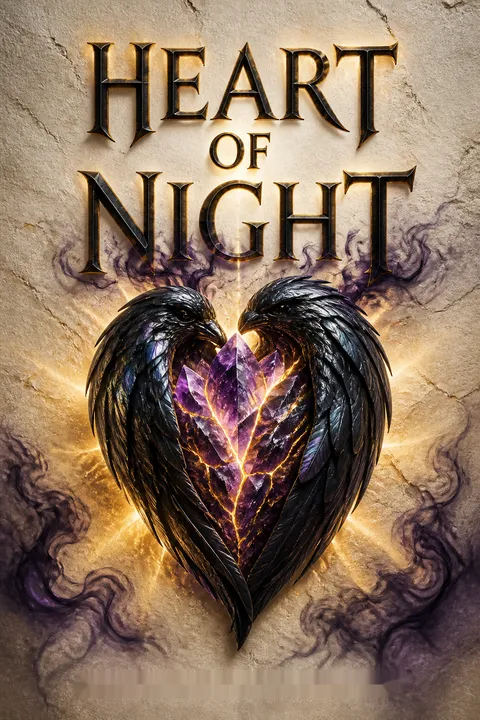

Plot Summary
Shattered Bonds, Shifting Loyalties
Ayna, once a pirate and now the Crow Queen, wakes in a gilded prison, her body battered and her spirit fractured by loss. Myron, her beloved Crow King, is dead—or so she believes. Ephegos, a former friend turned traitor, now holds her captive, his motives tangled in vengeance and ambition. The world she knew is gone, replaced by a suffocating luxury that mocks her pain. As Ayna struggles with grief and guilt, she realizes her magic is gone, her strength sapped by poison and heartbreak. Ephegos's presence is a constant reminder of betrayal, and Ayna's only solace is the memory of Myron's sacrifice. The chapter sets the tone: hope is a fragile thing, and trust is a currency in short supply.
Prisoner in Silk and Shadows
Forced into elaborate dresses and paraded before mysterious visitors, Ayna is both a trophy and a pawn. Ephegos's cruelty is matched by his cunning, and Ayna's attempts to glean information are met with violence and manipulation. The appearance of General Katrijanov, a figure from her past, deepens her dread—her Tavrasian blood and her father's legacy of treason have made her a target. The lines between friend and foe blur as Ayna is reminded that her survival is a matter of political convenience, not mercy. Her body is marked by a new tattoo—a crow, black as ink—whose origins are as mysterious as her fate. The chapter explores the psychological toll of captivity and the ways trauma can both harden and hollow a soul.
The Traitor's Bargain
Ayna's world expands with the introduction of Kaira, a part-Flame, part-human woman who claims to be an ally. The Flames, once enemies, are now uneasy partners with Ephegos, and Ayna is caught in the crossfire of their ambitions. Poisoned food and drugged tea keep her weak, while Herinor, a Crow with a violent past, is tasked with her torture. Yet Herinor's actions are conflicted—he hurts Ayna to fulfill a bargain but spares her when he can, hinting at a deeper loyalty to Myron and the old ways. The chapter is a study in moral ambiguity, where every act of kindness is shadowed by necessity and every cruelty by regret.
Poisoned Promises, Fading Strength
The poisons take their toll, leaving Ayna in a haze of pain and confusion. Herinor's "torture" is revealed as a ruse to protect her, but the physical and emotional wounds are real. Dreams of Myron haunt her, blurring the line between memory and hope. Meanwhile, Myron—resurrected by the gods—searches for Ayna, his own body marked by a mysterious crow tattoo. The bond between them is more than love; it is a magical tether that transcends death. As Ayna's strength fades, her resolve hardens: she will not break, not for Ephegos, not for Tavras, not for anyone.
The Crow's Mark
Ayna discovers the crow tattoo is more than a mark—it is a symbol of her transformation and a conduit for the bond with Myron. Her magic, once rooted in water, now pulses with Crow power, a gift from the gods for breaking the ancient curse. Myron, too, feels the connection, the pain in his shoulder echoing Ayna's suffering. Their fates are intertwined, their survival dependent on each other. The chapter explores the theme of identity: Ayna is no longer just human, nor merely a queen—she is something new, forged in love and loss.
Bargains and Betrayals
Kaira's true nature is revealed: she is Ayna's half-sister, a product of Flame and human blood. Her loyalty is to family, not faction, and she becomes a crucial ally in Ayna's quest for freedom. Herinor, bound by a bargain with Ephegos, finds loopholes to help Ayna and Myron. Clio, a fairy princess and healer, joins the cause, her own mate lost in the chaos. Together, they plot escape, navigating a palace riddled with spies, poisons, and shifting allegiances. The chapter is a web of secrets, where every revelation is a double-edged sword.
The King's Vengeance
King Erina of Tavras emerges as a new antagonist, his desire for power matched only by his cunning. He seeks to marry Ayna, not for love, but to legitimize his claim to the throne and erase the Milevishja bloodline. The wedding is both a political maneuver and a personal vendetta, with Ayna's consent irrelevant. Myron and his allies are imprisoned and tortured, their magic suppressed by a new drug. The chapter is a meditation on power: who wields it, who suffers under it, and what it costs to resist.
Escape and Reunion
Ayna, Clio, Kaira, and Herinor orchestrate a daring escape, their plan hinging on trust and timing. Myron, weakened but unbroken, is freed from the dungeon with the help of Herinor, who risks his life to save his king. The reunion of Ayna and Myron is both tender and fierce, their bond rekindled in the face of danger. The group's escape is fraught with peril, each step a gamble against overwhelming odds. The chapter is a testament to resilience—the refusal to surrender, even when hope seems lost.
The Price of Freedom
Freedom comes at a cost. Royad, Myron's cousin, is gravely wounded; Silas and Astorian, allies from rival factions, are battered but alive. Herinor's bargain with Ephegos exacts a heavy toll, his life forfeit if he helps Ayna directly. The group is fractured, their numbers dwindling as they flee the palace. Ayna's magic is spent, her body broken, but her will remains unyielding. The chapter is a meditation on sacrifice: what are we willing to lose for those we love, and what does it mean to survive when others do not?
Bloodlines and Broken Thrones
Erina reveals Ayna's true lineage: she is the last royal Milevishja, her blood both a blessing and a curse. The king's plan is to marry her, absorb her claim, and erase her line forever. The revelation is a blow to Ayna's sense of self, forcing her to confront the legacy of her father's treason and her own place in the world. The chapter explores the burden of history, the weight of expectation, and the struggle to define oneself in the shadow of others' ambitions.
The Dungeon's Toll
The dungeons of Meer are a crucible, testing the limits of body and spirit. Myron, Royad, Silas, and Astorian endure unspeakable torment, their magic suppressed, their hope flickering. Ayna's visits are both a balm and a torment, her presence a reminder of what is at stake. The chapter is a study in endurance: the small acts of defiance that keep hope alive, the bonds of friendship and love that refuse to be broken, and the knowledge that survival is itself a form of resistance.
Sisters of Fire and Water
Ayna and Kaira's relationship deepens as they discover their shared blood and purpose. Clio, too, becomes a sister in arms, her loyalty to Ayna and her own mate unshakeable. Together, they form a new kind of family—one forged not by birth, but by choice and circumstance. Their escape from the palace is a triumph of ingenuity and trust, each woman drawing on her unique strengths. The chapter is a celebration of sisterhood, of the power that comes from standing together against the darkness.
The Mating Bond Awakens
The bond between Ayna and Myron is revealed as a true mating bond, a gift from the gods that grants them power and resilience. Their reunion is both physical and spiritual, a merging of souls that reignites their magic and their hope. The chapter is a lyrical exploration of love as both salvation and strength, the force that breaks curses and forges new destinies. In each other, Ayna and Myron find the courage to face whatever comes next.
The Queen's Fury
No longer a pawn, Ayna embraces her identity as the Queen of Crows. Her magic, now fully awakened, becomes a weapon against her enemies. She leads the charge to rescue Royad, Silas, and Astorian, her fury a force of nature. The battle in the dungeons is brutal, the cost high, but Ayna's determination is unbreakable. The chapter is a declaration: she will not be used, she will not be broken, and she will not abandon those she loves.
The Last Stand
The final confrontation with Ephegos and Erina is a maelstrom of magic, violence, and heartbreak. Herinor, bound by his bargain, risks everything to save Myron and the others, his fate uncertain. Ayna, wounded and exhausted, fights to the last breath, her magic a lifeline and a curse. The cost of victory is steep—freedom is won, but at the price of innocence, trust, and blood. The chapter is a meditation on the nature of heroism: it is not the absence of fear, but the refusal to yield to it.
Sacrifice and Survival
The survivors regroup, tending to their wounds and mourning their dead. Ayna is recaptured, her magic suppressed once more, and Erina's plans for the wedding proceed. Myron and the others escape, but the victory is hollow without Ayna. The bonds of love and loyalty are tested anew, each character forced to confront what they are willing to sacrifice for freedom. The chapter is a quiet reckoning, a pause before the next storm.
The Wedding's Shadow
Imprisoned and drugged, Ayna is prepared for a wedding she cannot escape. Erina's machinations reach their zenith, his control over Tavras and Ayna seemingly absolute. Yet even in captivity, Ayna's spirit endures—her thoughts are of escape, of Myron, of the family she has found and the future she refuses to surrender. The chapter is a study in resilience: the power of hope, even when all seems lost.
Hope in Ruins
As the wedding looms, Ayna's fate hangs in the balance. Myron and the others are free but fractured, their next move uncertain. Kaira is captured, a new pawn in Erina's game. The world is in ruins, but hope endures—in the bonds of love, in the promise of vengeance, and in the unbreakable will to survive. The story closes on a note of defiance: the fight is not over, and the heart of night still beats with the promise of dawn.
Analysis
A modern fantasy of trauma, resilience, and the cost of loveHeart of Night is a dark, romantic fantasy that explores the psychological and political aftermath of breaking an ancient curse. At its core, the novel is about the ways trauma shapes identity and the power of love to both heal and expose. Ayna and Myron are not traditional heroes; they are survivors, marked by loss and forced to navigate a world where every alliance is suspect and every victory comes at a cost. The story interrogates the nature of power—who wields it, who suffers under it, and what it means to resist. The use of poison and magic suppression as tools of control is a pointed metaphor for the ways systems of oppression operate, while the mating bond serves as both a source of strength and a vulnerability. The novel's structure—alternating perspectives, shifting alliances, and a relentless pace—mirrors the chaos of its world, forcing the reader to question whom to trust and what to hope for. Ultimately, Heart of Night is a story about the refusal to surrender: to despair, to tyranny, or to the darkness within. It is a testament to the resilience of the human (and inhuman) spirit, and a reminder that even in the heart of night, hope endures.
Review Summary
People Also Read
Characters
Ayna (Wolayna Milevishja)
Ayna is the heart of the story—a woman forged in hardship, marked by loss, and defined by her refusal to break. Once a pirate, then a prisoner, she becomes the Crow Queen through a marriage of necessity that blossoms into true love. Her journey is one of transformation: from human to something more, her magic evolving as she breaks the ancient curse on the Crows. Ayna's psyche is a battleground of guilt, grief, and hope; she is haunted by those she could not save, yet driven by the need to protect those she loves. Her relationships—with Myron, Kaira, Clio, and even her enemies—are complex, shaped by trauma and trust. Ayna's greatest strength is her resilience: she endures, adapts, and ultimately claims her power, refusing to be a pawn in anyone's game.
Myron
Myron is the Crow King, a figure of myth and tragedy. Cursed for centuries, he is both monster and martyr, his humanity buried beneath layers of guilt and duty. His love for Ayna is transformative, breaking the curse and granting him a second chance at life. Myron's journey is one of redemption: he seeks to atone for the sins of his people and his own failures. His psyche is marked by self-loathing and a desperate need for connection, which he finds in Ayna. The mating bond between them is both a blessing and a burden, granting power but also exposing vulnerability. Myron's leadership is tested by betrayal, loss, and the shifting loyalties of those around him. Ultimately, he is defined by his willingness to sacrifice everything for love.
Ephegos
Ephegos is the story's primary antagonist—a former friend turned enemy, driven by vengeance for the death of his half-sister. His intelligence and charm mask a deep well of bitterness and ambition. As a Crow, he is both insider and outsider, using his knowledge of the old ways to manipulate allies and enemies alike. Ephegos's psyche is fractured: he is haunted by loss, consumed by the need for retribution, and willing to betray anyone to achieve his goals. His relationship with Ayna is a twisted mirror of what might have been—friendship curdled into enmity. Ephegos's greatest weapon is his ability to exploit the weaknesses of others, but his own inability to forgive or move on is his undoing.
Herinor
Herinor is a Crow with a violent past and a conflicted present. Bound by a bargain with Ephegos, he is forced to hurt those he would rather protect. His actions are a study in moral ambiguity: he tortures Ayna to fulfill his oath but spares her when he can, risking his own life to save Myron and the others. Herinor's psyche is marked by regret and a longing for redemption. His loyalty to the old Crow ways and to Myron is unwavering, even as he is forced to betray them. His relationship with Kaira hints at the possibility of healing, but his fate is uncertain—a man caught between duty and desire, sacrifice and survival.
Kaira
Kaira is a bridge between worlds: part human, part Flame, and Ayna's half-sister. Her loyalty is to family, not faction, and she becomes a crucial ally in the quest for freedom. Kaira's psyche is shaped by rejection and the need to prove herself; she is both underestimated and indispensable. Her ability to read minds and her willingness to risk everything for Ayna make her a powerful force. Kaira's relationship with Herinor is complex, marked by mutual respect and unspoken longing. She is a survivor, a strategist, and a symbol of the new alliances that will shape the future.
Clio (Cliophera)
Clio is a high fairy of Askarea, a healer with a warrior's heart. Her loyalty to Ayna and her own mate, Astorian, is unshakeable. Clio's psyche is marked by loss and resilience; she has suffered greatly but refuses to be defined by her pain. Her magic is both a gift and a burden, her healing touch a source of hope and a reminder of all she cannot save. Clio's relationship with Ayna is sisterly, forged in shared struggle and mutual respect. Her dynamic with Astorian is passionate and fraught, a testament to the power of love in the face of adversity.
Royad
Royad is Myron's cousin and closest ally, a warrior whose loyalty is unwavering. He is the heart of the Crow Court, the bridge between Myron and the rest of their people. Royad's psyche is marked by humor and hope, a counterpoint to Myron's brooding intensity. His suffering in the dungeons is a testament to the cost of loyalty, and his survival is a victory for the bonds of family. Royad's relationship with Ayna is one of mutual respect and camaraderie, a reminder that found family can be as powerful as blood.
Astorian
Astorian is the general of Askarea, Clio's mate, and a formidable warrior. His psyche is shaped by duty and love, his actions driven by the need to protect those he cares for. Astorian's captivity is a test of endurance, his reunion with Clio a moment of grace in a world of violence. His relationship with Myron is one of wary respect, former enemies united by necessity. Astorian is a symbol of the new alliances that must be forged if the world is to survive.
Erina
Erina is the King of Tavras, a man whose desire for power is matched only by his cunning. He seeks to erase the Milevishja line by marrying Ayna, using her as a pawn in his quest for legitimacy. Erina's psyche is cold and calculating, his charm a mask for cruelty. His relationship with Ayna is one of domination and control, a microcosm of the larger political struggles at play. Erina is a reminder that the greatest threats often come not from monsters, but from men.
Silas
Silas is a Crow who has seen too much and trusts too little. His psyche is marked by cynicism and a dark sense of humor, a defense against the horrors he has endured. Silas's loyalty to Myron and Royad is hard-won but unbreakable. His suffering in the dungeons is a testament to the resilience of the spirit, and his survival is a victory for the bonds of brotherhood.
Plot Devices
The Mating Bond
The mating bond between Ayna and Myron is the story's central plot device, a conduit for both magic and emotion. It is a literal and metaphorical connection, granting power, resilience, and the ability to sense each other's pain and presence. The bond is both a blessing and a curse: it enables the breaking of the ancient Crow curse, but also exposes both to new vulnerabilities. The bond is used to drive the plot—Myron's resurrection, Ayna's transformation, and their mutual survival all hinge on its power. It is also a source of tension, as enemies seek to exploit it and allies struggle to understand it.
Poison and Magic Suppression
The use of poison and magic-suppressing drugs is a recurring device, employed by Ephegos, Erina, and the Flames to keep Ayna, Myron, and their allies weak and compliant. The drugs serve multiple narrative functions: they create obstacles to escape, heighten the stakes of captivity, and force characters to rely on wit and trust rather than brute strength. The gradual recovery from these drugs is used to pace the story, allowing for moments of vulnerability and triumph.
Shifting Alliances and Betrayals
The story is structured around a series of shifting alliances and betrayals. Characters are constantly forced to reassess whom they can trust, and bargains—both magical and mundane—shape the course of events. Herinor's bargain with Ephegos, Kaira's secret loyalty, and Clio's divided allegiances all serve to complicate the narrative and deepen the psychological realism. Betrayal is not just a plot twist, but a lens through which the characters' growth and trauma are explored.
Dual Narrative Structure
The narrative alternates between Ayna's and Myron's perspectives, allowing the reader to experience both the internal and external struggles of the protagonists. This dual structure creates dramatic irony, as each character is often unaware of the other's fate, and heightens the emotional stakes. The convergence of their stories in moments of reunion and separation is used to anchor the plot's emotional arc.
Foreshadowing and Symbolism
The crow tattoo is a recurring symbol, foreshadowing Ayna's transformation and the deepening of her bond with Myron. The use of crows as both literal and metaphorical creatures ties the personal struggles of the characters to the larger themes of fate, freedom, and the cost of redemption. The legacy of the Crow curse, and the gods' intervention, is woven throughout the narrative, providing both a mythic backdrop and a source of tension.
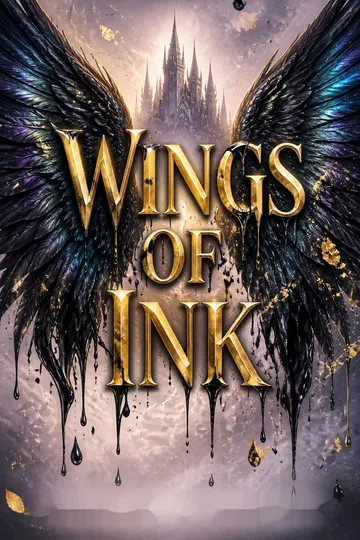
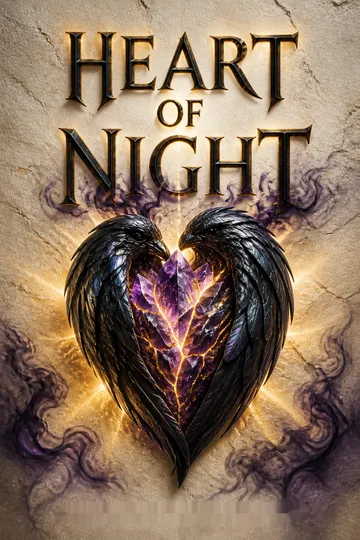
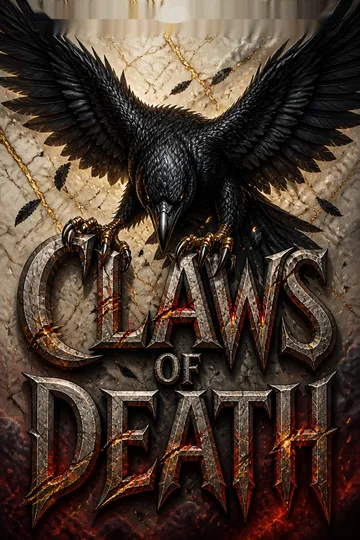
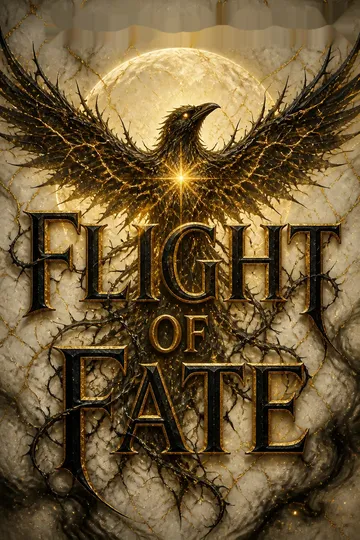
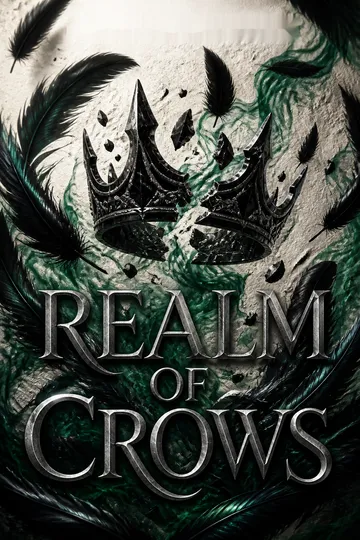
Wings of Ink Series
About the Author

Download PDF
Download EPUB
.epub digital book format is ideal for reading ebooks on phones, tablets, and e-readers.








































