
Plot Summary
Prison Shadows and Loss
Ayna, a pirate and survivor, languishes in the dungeons of Fort Perenis, haunted by the brutal loss of her crew and the man she loved, Ludelle. Her days are marked by hunger, filth, and the constant threat of death. The memory of her father's execution and her own guilt for surviving weigh heavily on her. When a Crow Fairy arrives to claim her as Tavras's tribute, Ayna is thrust from her cell into a fate worse than death: she is to be the next bride for the monstrous Crow King, a living sacrifice to a curse that has claimed ninety-nine before her. Her journey begins not with hope, but with the bitter taste of survival and the knowledge that she is utterly alone.
The Crow King's Bargain
Dragged from prison, Ayna is presented to General and the Crow King, Myron—a terrifying, feathered figure with a beak and claws. She learns she is Tavras's tribute, a payment to the Crows in exchange for peace. Myron's presence is both monstrous and magnetic, and Ayna's defiance is met with magical force. She is caged, transported, and told she will be the king's bride for a year, a tradition that has left a trail of dead women. The journey to the Crow lands is fraught with fear, failed escape attempts, and the realization that her fate is sealed by bargains made between powerful men and inhuman kings.
Escape and Recapture
Ayna's pirate instincts flare as she attempts to escape her captor, Royad, during their journey. She picks a lock, bolts through a village, and even wounds Royad, but is swiftly recaptured. The futility of resistance becomes clear as she is paraded through a fearful human port and delivered to a ship bound for the Crow King's domain. The world she enters is one of magic, cruelty, and inescapable power. Her captors are not just jailers but participants in a ritual that has claimed countless lives. Ayna's hope flickers, but the taste of the sea and the memory of freedom remain sharp in her heart.
Bride of the Crows
Ayna awakens in the Crow palace, a place of stone, feathers, and ever-present danger. She is watched, guarded, and forced to clean herself and dress for her new role. The palace is filled with Crow Fairies—menacing, beautiful, and inhuman. Myron, the king, is both captor and enigma, his cruelty matched by moments of unexpected gentleness. Ayna is introduced to the court, forced to bow, and paraded as the new bride. The weight of the curse is palpable: every bride before her has died, and the palace is a tomb of failed hopes. Yet, Ayna's spirit refuses to break, even as she is locked away and told to await her fate.
Palace of Monsters
The palace is a labyrinth of power and peril. Ayna is introduced to Myron's court, a gathering of Crow Fairies who view her as both a curiosity and a threat. She learns of the curse that plagues the Crows: no female Crows remain, and each year a bride is taken and lost. Myron's rule is contested by factions within his people, some longing for freedom, others for tradition. Ayna's days are filled with lessons in survival, political intrigue, and the constant threat of violence. Yet, she finds unlikely allies in Royad and, eventually, in Myron himself, whose humanity flickers beneath the monstrous exterior.
The King Behind the Beak
Ayna's relationship with Myron shifts from fear to fascination as she glimpses the man beneath the feathers. Myron is tormented by guilt, duty, and the weight of a curse he cannot break. He is both jailer and protector, his cruelty a mask for vulnerability. Ayna's defiance draws out his humanity, and their interactions become a dance of challenge and reluctant trust. The palace's secrets begin to unravel: the sacred chamber, the lake of tears, and the history of the Crow curse. Myron's pain is mirrored in Ayna's own, and a fragile bond forms between two survivors trapped by fate.
A Court of Feathers
Ayna is thrust into the heart of Crow politics, where alliances shift and danger lurks in every shadow. She learns of the two factions: one loyal to Myron, the other seeking to overthrow him and end the tradition of brides. The arrival of Princess Cliophera, a high fae, brings new complications and the threat of war. Ayna's presence is both a symbol of hope and a target for those who wish to see the curse remain unbroken. As she trains in combat and magic, Ayna discovers that survival requires more than strength—it demands cunning, empathy, and the willingness to risk everything for those she comes to care for.
The Wedding and the Vow
The day of Ret Relah arrives, and Ayna is forced into a wedding ceremony that is both ritual and execution. The vows are spoken, the court watches with hungry eyes, and Ayna becomes the hundredth bride. The marriage is a performance for the Crows, but beneath the surface, real emotions simmer. Myron promises not to force himself on her, and their wedding night is a tense charade to convince the court of their union. The curse's shadow looms, and Ayna realizes that her survival—and Myron's—depends on more than just playing the part. The palace is a powder keg, and the first sparks of rebellion ignite.
Night of Pretenses
Ayna and Myron share a night of vulnerability, pretending for the court but revealing truths to each other. Myron's restraint and Ayna's defiance create a space where trust can grow. The palace is restless, the curse ever-present, and the threat of assassination hangs in the air. Ayna's dreams are haunted by loss, but Myron's presence becomes a balm. Their connection deepens, not through passion, but through shared pain and the recognition of each other's scars. The night is a turning point: the beginning of something that could break them both or save them from the darkness closing in.
The Curse's Teeth
Ayna learns the history of the Crow curse: a punishment from the gods for ancient crimes, it has eradicated all female Crows and doomed each bride to die. The sacred chamber, the lake of tears, and the rituals of the palace are all part of a cycle of hope and despair. Myron is trapped by duty and guilt, unable to break the curse or save his people. Ayna's own magic begins to stir, linked to the water and the pain of the brides before her. The palace is attacked by traitors and Fire Fairies, and Ayna's survival depends on her ability to wield newfound power and trust in those who would die for her.
Lessons in Survival
Under the tutelage of Princess Cliophera and Royad, Ayna learns to fight, to wield water magic, and to navigate the deadly politics of the Crow court. Her magic is tied to the lake of tears, a reservoir of the pain and hope of the brides who came before her. The training is grueling, and the threat of betrayal is ever-present. Myron's support is unwavering, but his own strength is waning as the curse tightens its grip. Ayna's growth is hard-won, and each lesson is a step toward breaking the cycle of death that has claimed so many. The palace becomes both a battlefield and a crucible for transformation.
The Lake of Tears
The sacred chamber and its lake of tears become central to Ayna's journey. The water is sentient, a repository of the sorrow and sacrifice of the Crow brides. Ayna's magic is tested as she attempts to command the lake, to use its power to protect Myron and the palace from attack. The lake responds to her pain, her love, and her willingness to sacrifice. In a moment of crisis, Ayna wields the water to save Myron from assassination, but the cost is great. The boundaries between life and death, love and loss, become blurred as the curse's true demands are revealed.
Traitors and Flames
Ephegos, Myron's trusted spymaster, is revealed as a traitor, allied with the Fire Fairies and driven by a personal vendetta. The palace is besieged, Crows and Flames slaughter each other, and the rebellion threatens to consume everything. Ephegos's betrayal is rooted in loss and the failure of the curse to be broken. Myron's court is decimated, and Ayna's magic is pushed to its limits as she fights to save those she loves. The cost of survival is high, and the lines between friend and foe blur in the chaos of battle. The curse's grip tightens, and hope flickers on the edge of extinction.
The Bargain's Price
In the aftermath of betrayal, Myron reveals the true cost of his bargains: he has traded away the chance for future brides, placing all hope on Ayna. The curse demands love, sacrifice, and the willingness to risk everything. Myron's love for Ayna becomes both his salvation and his doom. As the palace burns and the Crows fall, Myron gives his life to save Ayna, healing her mortal wound at the cost of his own. The curse's final test is not one of power, but of the heart. Ayna is left with the knowledge that love is the only force strong enough to break the chains of fate.
The Truth of the Curse
As Myron dies in her arms, Ayna realizes that the curse can only be broken by true love—love freely given and received. Her confession comes too late, and Myron's sacrifice is both a victory and a tragedy. The curse shatters, transforming the Crows back into their fae forms, but the cost is Myron's life. The palace is in ruins, the survivors are few, and Ayna is left to mourn the man she has come to love. The lake of tears, the sacred chamber, and the history of suffering are all washed away in the flood of her grief. The cycle is broken, but at a terrible price.
The Last Bride's Power
Ayna's journey from prisoner to queen, from survivor to savior, culminates in the breaking of the curse. Her willingness to sacrifice, her growth in power, and her love for Myron are the keys to freedom. The Crows are transformed, the curse is lifted, and the cycle of death ends. Yet, the victory is bittersweet: Myron is gone, and Ayna is left in the hands of enemies. The story ends not with triumph, but with the promise of new battles, new sacrifices, and the hope that love can heal even the deepest wounds.
Betrayal in the Blood
Ephegos's betrayal is revealed in full: his sister was one of Myron's brides, and his alliance with the Flames is driven by grief and rage. The final battle is a maelstrom of fire, water, and blood. Ayna and Myron fight side by side, their love and magic intertwined. The cost of victory is high, and the wounds run deep. The palace is destroyed, the survivors scattered, and the future uncertain. The curse is broken, but the scars remain. Ayna's journey is far from over, and the promise of new trials looms on the horizon.
The Battle for the Forest
The final assault on the Crow palace is a crucible of loss and transformation. Allies and enemies fall, the sacred lake is unleashed, and the curse's power is finally undone. Myron's death is the catalyst for change, and Ayna's love is the force that breaks the cycle. The survivors emerge into a new world, free from the curse but marked by the cost of freedom. The story ends with Ayna in captivity, Myron resurrected but separated from her, and the hope that love will guide them through the darkness yet to come.
Love and Sacrifice
In the aftermath, Ayna is left to mourn Myron, her love both her salvation and her undoing. The curse is broken, the Crows are free, but the price is the loss of the man she has come to love. Myron is resurrected, transformed, and determined to find Ayna, who is now a captive of Ephegos. The story closes on a note of longing, hope, and the promise of new battles. Love is the force that breaks curses, but it is also the force that demands the greatest sacrifices. Ayna's journey is not over, and the future is unwritten.
The Curse Breaks
The curse is broken, the Crows are free, and Myron is resurrected. Yet, Ayna is lost, taken by Ephegos, and the future is uncertain. The survivors gather, transformed and determined to reclaim what was lost. Myron's love for Ayna is the beacon that guides him, and the promise of reunion is the hope that endures. The story ends with the knowledge that freedom is never free, and that love is both the greatest weapon and the deepest wound. The journey continues, and the battle for the heart is far from over.
Analysis
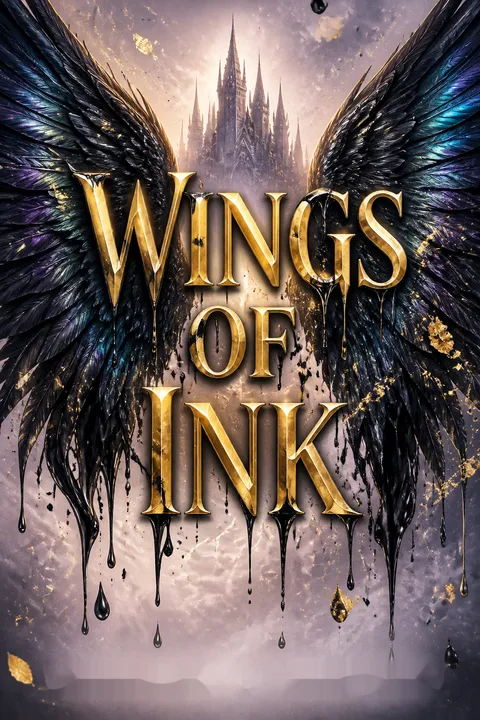
Wings of Ink is a lush, emotionally charged fantasy that reimagines the "Beauty and the Beast" mythos through the lens of trauma, survival, and the redemptive power of love. At its core, the novel is a meditation on cycles—of violence, guilt, and hope—and the ways in which individuals and societies become trapped by the wounds of the past. The curse that haunts the Crows is both literal and symbolic, a manifestation of generational pain that can only be broken by acts of vulnerability, empathy, and sacrifice. Ayna's journey from prisoner to queen, from survivor to savior, is a testament to the resilience of the human spirit and the necessity of confronting one's own darkness. Myron, the Crow King, is a study in the costs of leadership, the burden of inherited sin, and the longing for redemption. The novel's slow-burn romance is not a simple escape, but a crucible in which both characters are transformed. The story's political intrigue, magical systems, and sentient environments serve as mirrors for its psychological themes, making the breaking of the curse as much an internal victory as an external one. Ultimately, Wings of Ink argues that freedom is not given, but earned through the willingness to love, to forgive, and to risk everything for a future that is not defined by the past. The ending, both triumphant and tragic, sets the stage for further exploration of healing, justice, and the ongoing battle between hope and despair.
Review Summary
People Also Read
Characters
Ayna (Wolayna Milevishja)
Ayna is a young woman forged by loss, guilt, and the relentless need to survive. Once a pirate, she is marked by the trauma of her father's execution, the slaughter of her crew, and the death of her lover, Ludelle. Her journey from prisoner to queen is one of resistance, growth, and reluctant vulnerability. Ayna's defiance masks deep wounds, and her sharp tongue is both shield and weapon. Her relationship with Myron evolves from fear and hatred to trust and love, as she learns to wield magic tied to the pain of the Crow brides before her. Ayna's greatest strength is her capacity for empathy and sacrifice, but her fear of loving and losing again is the curse she must break within herself. Her arc is one of transformation: from victim to savior, from isolated survivor to the heart of a new hope.
Myron (The Crow King)
Myron is the Crow King, a being of contradictions: monstrous in form, deeply human in pain. He is burdened by the curse that has claimed his people, the guilt of his ancestors' crimes, and the endless cycle of brides and deaths. Myron's rule is contested, his court divided, and his own heart locked behind layers of duty and self-loathing. His relationship with Ayna is a slow-burning revelation of vulnerability, desire, and the desperate hope for redemption. Myron's power is immense, but his greatest fear is that he is unworthy of love or salvation. His arc is one of sacrifice: he bargains away his people's future for Ayna's safety, gives his life to save hers, and is ultimately resurrected by the breaking of the curse. Myron is both monster and martyr, king and lover, and his journey is a testament to the power of love to heal and destroy.
Royad
Royad is Myron's right hand, bodyguard, and, secretly, his cousin. He is a Crow Fairy marked by scars, loyalty, and a deep sense of duty. Royad's relationship with Ayna is complex: he is her captor, protector, and eventual friend. He is the bridge between Myron and the court, navigating the treacherous politics of the palace with pragmatism and quiet strength. Royad's own pain is hidden beneath a veneer of humor and stoicism, but his loyalty to Myron and Ayna is unwavering. He is a survivor, a fighter, and, in the end, a symbol of the possibility of change and redemption within the cursed world of the Crows.
Ephegos
Ephegos is Myron's spymaster, confidant, and, ultimately, his greatest betrayer. Driven by the loss of his sister—one of Myron's brides—Ephegos allies with the Fire Fairies to bring down the Crow King. His betrayal is rooted in grief, rage, and the failure of the curse to be broken. Ephegos is a master of deception, able to shift allegiances and manipulate those around him. His arc is one of tragedy: a friend turned enemy, a victim of the same cycle of loss that haunts Myron and Ayna. Ephegos's actions are both understandable and unforgivable, and his presence is a constant reminder of the cost of survival and the dangers of unresolved pain.
Princess Cliophera (Clio)
Clio is a high fae princess, sister to the Fairy King, and a reluctant ally to Ayna and Myron. She is sharp, pragmatic, and unafraid to challenge the Crow King or the traditions that bind them all. Clio becomes Ayna's mentor in magic, teaching her to wield water and survive in a world of monsters. Her own history is marked by near-marriage to the Crows and a deep understanding of the politics and dangers of Askarea. Clio's loyalty is to her people, but she recognizes the need for change and the possibility of peace. She is both a foil and a friend to Ayna, and her presence is a catalyst for growth and transformation.
Ludelle
Ludelle is Ayna's first love, captain of the Wild Ray, and a symbol of the life and freedom she has lost. His death haunts Ayna, shaping her guilt, her fear of attachment, and her reluctance to love again. Ludelle's memory is both a source of strength and a chain that binds Ayna to the past. His presence lingers in dreams, regrets, and the choices Ayna makes as she navigates the dangers of the Crow palace. Ludelle is the measure by which Ayna judges Myron, and his loss is the wound that must heal for her to embrace a new future.
The Lake of Tears
The lake in the sacred chamber is more than a setting—it is a character in its own right. Formed from the tears of the Crow brides, it is sentient, powerful, and tied to the curse that binds the palace. The lake responds to Ayna's pain, her magic, and her willingness to sacrifice. It is both weapon and ally, a source of power and a reminder of the suffering that has come before. The lake's role is central to the breaking of the curse, and its presence is a constant reminder of the cost of hope and the possibility of redemption.
The Fire Fairies (Flames)
The Fire Fairies are the ancient adversaries of the Crows, wielders of devastating magic and bearers of old grudges. Their attacks on the palace are both personal and political, rooted in the history of conquest, betrayal, and the cycle of violence that has shaped Askarea. The Flames are both monsters and victims, their actions driven by the same pain and desire for freedom that haunts the Crows. Their presence forces Ayna and Myron to confront the past and fight for a future that is not defined by vengeance.
The Curse
The curse is the true antagonist of the story: a punishment from the gods for ancient crimes, it has eradicated all female Crows, doomed each bride, and trapped Myron and his people in a cycle of hope and despair. The curse is both literal and symbolic, a manifestation of guilt, loss, and the inability to move beyond the past. Its breaking requires not power, but love—love freely given and received, love that is willing to sacrifice and forgive. The curse's presence is felt in every choice, every loss, and every moment of hope.
King Recienne and King Erina
King Recienne of Askarea and King Erina of Tavras are the distant powers whose bargains and decisions shape the fates of Ayna, Myron, and the Crows. Their actions are driven by politics, tradition, and the desire for peace or power. They are both protectors and exploiters, their choices setting the stage for the cycle of sacrifice and survival that defines the story. Their presence is felt in every bargain, every tribute, and every moment of negotiation.
Plot Devices
The Cursed Bride Cycle
The central plot device is the annual selection of a human bride for the Crow King, a tradition rooted in a curse that has claimed ninety-nine before Ayna. This cycle is both a literal and symbolic prison, trapping Myron, his people, and the brides in a pattern of hope, despair, and death. The cycle is maintained by bargains between kings, the threat of violence, and the belief that one day a bride will break the curse. The device allows for exploration of themes of agency, sacrifice, and the cost of survival.
Enemies-to-Lovers Romance
The relationship between Ayna and Myron is structured as a slow-burn, enemies-to-lovers arc. Their initial interactions are marked by fear, defiance, and mutual distrust, but as they are forced to rely on each other, vulnerability and empathy emerge. The romance is a vehicle for character growth, the breaking of emotional and magical curses, and the exploration of power dynamics, consent, and healing. The device is used to subvert expectations and to show that love is not a panacea, but a hard-won, transformative force.
Sentient Magic and the Lake
The lake of tears is a unique plot device: a sentient, magical entity formed from the pain and hope of the Crow brides. It serves as both a source of power and a test of worthiness, responding to Ayna's emotions and choices. The lake's magic is tied to the breaking of the curse, and its presence allows for moments of agency, sacrifice, and revelation. The device blurs the line between setting and character, making the environment an active participant in the story.
Political Intrigue and Factionalism
The Crow palace is a microcosm of political struggle, with factions loyal to Myron and others seeking to end the tradition of brides or overthrow the king. The arrival of Princess Cliophera and the threat of the Fire Fairies add layers of complexity, forcing Ayna to navigate alliances, betrayals, and shifting loyalties. The device allows for exploration of themes of leadership, tradition, and the cost of change.
The Curse as Metaphor
The curse is not just a magical affliction, but a metaphor for the wounds of the past: guilt, trauma, and the inability to move forward. Its breaking requires not just power, but love, forgiveness, and the willingness to confront pain. The device allows for deep psychological exploration, making the story as much about internal transformation as external conflict.
Foreshadowing and Revelation
The narrative is structured with layers of foreshadowing: the history of the curse, the true nature of the lake, the identity of traitors, and the requirements for breaking the cycle. Secrets are revealed gradually, often at great cost, and the story's emotional arc is driven by the slow unmasking of truth, both magical and personal. The device creates tension, suspense, and catharsis.
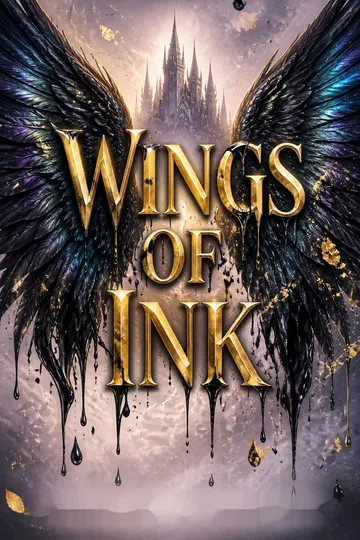
Wings of Ink Series
About the Author

Download PDF
Download EPUB
.epub digital book format is ideal for reading ebooks on phones, tablets, and e-readers.








































