
Plot Summary
Blood and Sand
The story opens with Mia, a young assassin and former slave, surviving a brutal desert attack and being sold into slavery. Her past is marked by the execution of her father and the destruction of her family by the Itreyan Republic. Driven by vengeance, Mia's path is forged in violence and loss. She is determined to infiltrate the world of gladiatii, the Republic's blood-soaked games, as a means to get close to her true enemies. The opening chapters immerse us in a world where survival is earned through cunning, strength, and a willingness to embrace the darkness within. Mia's resolve is unbreakable, her pain a constant companion, and her future uncertain as she steps into the arena's shadow.
Chains and Choices
Mia's journey as a slave is both physical and psychological. She is purchased by Dona Leona, a woman with her own scars and ambitions, and thrown into the brutal training of the Remus Collegium. Here, Mia meets fellow slaves—some kind, some cruel, all desperate for freedom. The bonds of slavery are more than iron; they are woven into the soul, shaping every decision. Mia's choices are limited, but she clings to the hope of agency, plotting her rise from the bottom. The chapter explores the cost of survival, the small mercies and cruelties of captors, and the camaraderie and rivalry among the enslaved. Every act of kindness or violence is a step toward the arena, where true freedom—or death—awaits.
The Red Promise
Mia's past as a Blade of the Red Church haunts her. The Red Promise—an assassin's code of secrecy, inevitability, and hierarchy—binds her actions. She is both tool and weapon, her skills honed by pain and betrayal. The Church's politics are as deadly as any blade, and Mia's loyalty is tested by shifting alliances and old wounds. Her mission is complicated by the Church's own vendettas and the shadowy interests of powerful patrons. The chapter delves into the rituals, rules, and betrayals that define the Red Church, and how Mia's identity is shaped by the promises she keeps—and those she breaks.
Shadows and Betrayals
Mia's world is one of shifting allegiances. Ashlinn Järnheim, once a friend and now a traitor, reappears with secrets and scars of her own. The lines between love and hate blur as Mia confronts the betrayals that have shaped her life. The Red Church's enemies are everywhere, and trust is a rare currency. Mia's quest for vengeance is complicated by the ghosts of her past, the lies she tells herself, and the people she cannot let go. The chapter pulses with tension, as every shadow hides a potential enemy, and every ally may yet become a betrayer.
The Price of Freedom
The arena is both prison and stage, where slaves fight for the chance at freedom. Mia's training is brutal, her body and spirit tested to the breaking point. She forges bonds with fellow gladiatii—Sidonius, Bladesinger, Bryn, and others—each with their own dreams and demons. The games are a spectacle of violence, but beneath the surface, they are a crucible for the soul. Mia's victories come at a cost, and the line between survival and savagery blurs. The chapter explores the paradox of fighting for freedom in a system designed to destroy hope.
The Game Begins
As the venatus season unfolds, Mia's cunning and skill earn her a place in the Remus Collegium's ranks. She navigates the deadly politics of the arena, the ambitions of Dona Leona, and the machinations of rival sanguila. Every match is a test, every victory a step closer to her true goal. The chapter is charged with anticipation, as Mia's plans begin to bear fruit, but the dangers multiply. The games are not just about blood—they are about power, reputation, and the chance to rewrite fate.
Masks and Monsters
The world of the arena is one of masks—literal and figurative. Mia must play many roles: slave, gladiatii, assassin, lover, and friend. The monsters she faces are not only on the sand, but within herself and those around her. The chapter explores the duality of identity, the cost of wearing masks, and the monstrous acts required to survive. Mia's struggle is not just against her enemies, but against the darkness that threatens to consume her.
The Arena's Hunger
The arena is a living thing, hungry for blood and glory. Mia and her comrades face impossible odds—beasts, champions, and the whims of the crowd. Each battle is a dance with death, and the line between hero and monster is razor-thin. The chapter is a relentless surge of action and emotion, as Mia's skills are tested and her resolve hardened. The hunger of the arena is insatiable, and every victory leaves a scar.
Allies and Enemies
The bonds forged in blood are both strength and weakness. Mia's relationships with Sidonius, Bladesinger, Bryn, and others are tested by betrayal, ambition, and the ever-present threat of death. Allies become enemies, and enemies become unexpected friends. The chapter is a study in trust—how it is earned, lost, and sometimes redeemed. Mia learns that survival depends not just on strength, but on knowing who to trust when the blades are drawn.
The Cost of Vengeance
Mia's quest for vengeance is a double-edged sword. Every step closer to her enemies costs her something—her innocence, her friends, her soul. The chapter is heavy with loss, as beloved characters fall and the true cost of revenge becomes clear. Mia is forced to confront the darkness within herself, the guilt of survival, and the question of whether vengeance is worth the price. The emotional stakes are at their highest, and the path forward is stained with blood.
The Unfallen and the Crow
Furian, the Unfallen, is revealed as another darkin—one who shares Mia's powers and her hunger. Their relationship is a tangle of rivalry, kinship, and longing. Together, they are more than the sum of their parts, but their union is fraught with danger. The chapter explores the nature of the darkin, the power and peril of their connection, and the inevitability of their conflict. Only one can stand at the end, and the hunger for victory threatens to consume them both.
Love and Lies
Amidst the violence and betrayal, Mia finds moments of tenderness with Ashlinn. Their love is complicated—built on lies, scarred by betrayal, but undeniable. The chapter is a respite from the bloodshed, a glimpse of what might have been. But love in Mia's world is never simple, and every kiss is shadowed by the lies they tell each other and themselves. The possibility of happiness is fleeting, and the world will not let them rest.
The Poisoned Chalice
Poison seeps into the heart of the collegium, claiming the lives of the innocent and the guilty alike. The death of Maggot, a child healer, is a shattering blow—reminding Mia and her comrades that no one is safe, and that the cost of survival is often paid by the most vulnerable. The chapter is a meditation on grief, the loss of innocence, and the ways in which violence corrupts even the purest hearts. The poison is not just in the food, but in the very fabric of the world.
The Last Rebellion
Faced with the prospect of being sold to a living death, the gladiatii rebel. Mia is forced to choose between her own survival and the lives of those she has come to care for. The rebellion is doomed from the start, and the aftermath is a lesson in the futility of hope. The chapter is a crucible, burning away the last illusions of safety or redemption. Mia's betrayal is both necessary and devastating, and the bonds of friendship are severed in blood.
The Venatus Magni
The Venatus Magni, the grand games of the Republic, are a spectacle of unimaginable scale and savagery. Mia faces her former friends in a rigged execution bout, forced to kill those she once called family. The magni itself is a battle royale, a storm of steel and fire, where only one can stand victorious. The chapter is a crescendo of violence, strategy, and heartbreak, as Mia's skills and resolve are tested to their limits. The arena is both grave and crucible, forging the final weapon.
Severing Ties
Mia stands alone, victorious but changed. The death of Furian, her darkin kin, is both triumph and tragedy—unlocking new depths of power and understanding. The truth of her heritage, the secrets of the darkin, and the meaning of the Crown of the Moon are glimpsed but not fully understood. The chapter is a moment of reckoning, as Mia severs the last ties to her past and steps into a new, uncertain future.
The Crown of the Moon
The story ends with Mia's vengeance finally within reach. She assassinates Grand Cardinal Duomo and Consul Scaeva in a stunning coup, only to discover that her brother Jonnen is alive—and a darkin like herself. The true nature of her enemies, the machinations of the Red Church, and the mysteries of the darkin are left unresolved. The final pages are a promise and a warning: the story is not yet done, and the darkness has only just begun to reveal its secrets.
Analysis
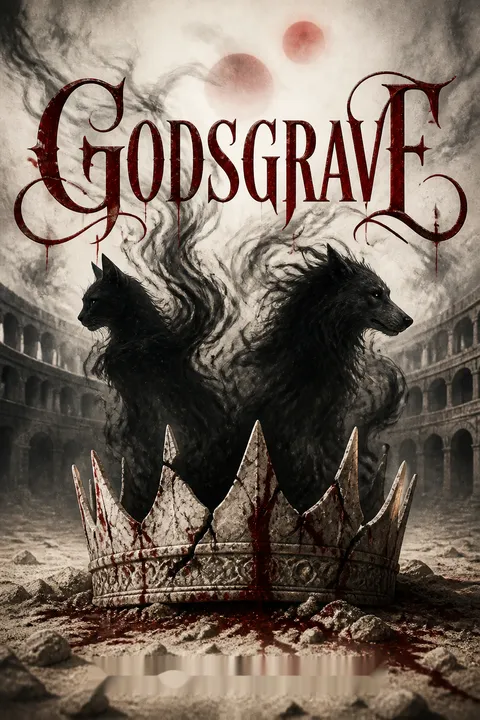
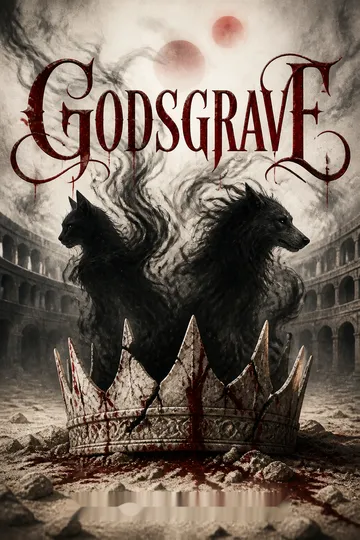
Godsgrave is a masterwork of dark fantasy, blending the visceral brutality of gladiatorial combat with the psychological depth of a revenge tragedy. At its core, the novel interrogates the nature of power, the cost of vengeance, and the possibility of redemption in a world built on blood. Mia Corvere's journey is both epic and intimate—a quest for justice that becomes a search for self. The novel's structure, with its nonlinear timelines and interwoven perspectives, mirrors the complexity of trauma and the persistence of memory. The arena serves as a microcosm for the Republic's corruption, a stage where violence is both entertainment and control. The darkin mythos adds a layer of existential horror, exploring the hunger for connection and the danger of losing oneself to power. Betrayal is a constant, trust a rare and precious commodity, and every victory is paid for in pain. Yet amidst the darkness, there are moments of love, friendship, and hope—reminders that even in a world designed to break the spirit, the human heart endures. Godsgrave is a meditation on the price of survival, the meaning of freedom, and the question of whether the ends can ever truly justify the means. The story ends not with closure, but with the promise of more: the darkness has only just begun to reveal its secrets, and Mia's journey is far from over.
Review Summary
People Also Read
Characters
Mia Corvere
Mia is the heart of the story—a young woman forged in the fires of loss, betrayal, and relentless ambition. Her father's execution and her family's destruction by the Itreyan Republic set her on a path of vengeance, but her journey is as much about self-discovery as it is about retribution. Mia is a darkin, able to manipulate shadows and walk between them, but her true power lies in her resilience and cunning. She is fiercely loyal to those she loves, but her trust is hard-won and easily broken. Mia's relationships—with Ashlinn, Furian, Sidonius, and others—reveal her capacity for love, guilt, and sacrifice. Over the course of the novel, she is forced to confront the darkness within herself, the cost of her choices, and the possibility that vengeance may not bring the peace she seeks. Her arc is one of transformation: from victim to weapon, from pawn to player, from lost girl to legend.
Ashlinn Järnheim
Ashlinn is a study in contradictions—once Mia's friend, then her betrayer, and finally her lover. Driven by her own need for vengeance against the Red Church, Ashlinn's actions are often ruthless, but her feelings for Mia are genuine and complex. She is cunning, resourceful, and unafraid to do what must be done, even when it costs her dearly. Ashlinn's relationship with Mia is fraught with tension, passion, and unresolved pain. She is both a catalyst for Mia's growth and a reflection of her own struggles with trust, loyalty, and the price of survival. Ashlinn's arc is one of redemption and self-acceptance, as she learns to love and be loved despite her scars.
Furian (The Unfallen)
Furian is Mia's equal and opposite—a gladiatii champion, a darkin, and a man haunted by his past as a slaver. His quest for redemption is rooted in faith and self-loathing, and his rivalry with Mia is both a source of strength and a fatal flaw. Furian's refusal to accept his darkin nature, his rigid sense of honor, and his longing for absolution make him a tragic figure. His connection with Mia is both empowering and destructive, culminating in a final confrontation that is as much about identity as it is about victory. Furian's death is a turning point, unlocking new power in Mia and forcing her to confront the true cost of her journey.
Dona Leona
Leona is a complex figure—both victim and perpetrator, shaped by an abusive father and a world that values power above all. Her desire to prove herself, to win her father's approval, and to build something of her own drives her to both greatness and ruin. Leona's relationships—with Arkades, Furian, and Mia—reveal her vulnerability and her capacity for cruelty. She is both a mentor and an antagonist, her choices shaping the fate of everyone around her. Leona's arc is a cautionary tale about the dangers of pride, the cost of ambition, and the impossibility of escaping the past.
Sidonius
Sidonius is a former Luminatii, branded a coward for refusing to follow orders he believed were wrong. His loyalty to Mia's father and his growing bond with Mia herself make him a stabilizing force in the chaos of the arena. Sidonius is both comic relief and moral compass, his wisdom and kindness a counterpoint to the brutality around him. His willingness to forgive, to fight for what is right, and to accept the cost of his choices make him one of the story's most human characters. Sidonius's arc is about redemption, the meaning of courage, and the power of friendship.
Bladesinger
Bladesinger is a Dweymeri gladiatii, marked by her tattoos and her past as a novice priestess. Her strength, skill, and resilience make her a formidable ally, but her wounds—both physical and emotional—are a constant reminder of the cost of survival. Bladesinger's relationship with Mia is one of mutual respect, forged in blood and tested by betrayal. Her arc is about endurance, the meaning of honor, and the struggle to find purpose in a world that values only victory.
Bryn and Byern
Bryn and Byern are siblings, charioteers whose bond is both their greatest strength and their undoing. Their story is one of hope in the face of despair, the power of family, and the tragedy of loss. Byern's death is a shattering blow, and Bryn's grief is a mirror for Mia's own. The twins' arc is a meditation on sacrifice, the fragility of dreams, and the ways in which love endures even after death.
Arkades (Executus)
Arkades is a legend of the arena, a former champion whose loyalty to Leona is both his strength and his undoing. His love for his mistress, his pride, and his inability to let go of the past drive him to both greatness and ruin. Arkades's arc is a study in the dangers of unrequited love, the cost of pride, and the tragedy of a man who cannot escape his own legend.
Mister Kindly and Eclipse
Mister Kindly (the not-cat) and Eclipse (the not-wolf) are more than familiars—they are extensions of Mia's psyche, embodiments of her fear, doubt, and hunger. They consume her fear, granting her courage, but at the cost of her humanity. Their rivalry and banter provide insight into Mia's inner struggles, and their presence is both comfort and curse. The daemons' arc is a meditation on the nature of power, the price of fearlessness, and the danger of losing oneself to the darkness.
Consul Julius Scaeva and Grand Cardinal Duomo
Scaeva and Duomo are the twin pillars of the Republic's rot—powerful, ruthless, and willing to do anything to maintain their grip on the world. Their machinations drive the plot, their cruelty shapes Mia's destiny, and their deaths are the culmination of her journey. Yet even in death, their legacy lingers, and the true nature of their evil is only beginning to be understood.
Plot Devices
Nonlinear Narrative and Interwoven Timelines
The novel employs a nonlinear structure, weaving together Mia's present struggles with flashbacks to her past, the history of the Red Church, and the legends of the darkin. This structure deepens the emotional resonance, allowing the reader to experience the weight of memory, the persistence of trauma, and the way the past shapes every choice. The interwoven timelines also serve to foreshadow key revelations, build suspense, and create a sense of inevitability—every action is both consequence and cause.
The Arena as Microcosm
The gladiatii arena is more than a setting—it is a crucible that reflects the violence, corruption, and spectacle of the Republic itself. The games are a tool of power, a means of distracting and controlling the masses, and a metaphor for the struggle for survival. The arena's shifting rules, deadly challenges, and ever-present audience mirror the unpredictability and brutality of the world outside. The arena is also a stage for transformation, where characters are forged, broken, and remade.
Shadow Magic and the Darkin Mythos
The darkin's ability to manipulate shadows, walk between them, and consume fear is both a literal and metaphorical device. It represents the allure and danger of power, the hunger for connection, and the struggle to define oneself in a world that fears and misunderstands difference. The darkin mythos is gradually revealed through foreshadowing, cryptic visions, and the mysterious Crown of the Moon—a symbol of lost knowledge and the promise of more to come.
Betrayal and Shifting Allegiances
The plot is driven by betrayals—personal, political, and existential. Characters are constantly forced to choose between loyalty and survival, love and vengeance, self and others. The shifting allegiances create a sense of instability and danger, heightening the stakes and forcing characters to confront the cost of their choices. Betrayal is both wound and weapon, shaping the emotional arc and driving the story toward its explosive climax.
Foreshadowing and Revelation
The novel is rich in foreshadowing—cryptic warnings, hidden motives, and the slow unveiling of the darkin's true nature. Key revelations are seeded early and paid off late, creating a sense of inevitability and tragic irony. The final chapters are a cascade of revelations: the true nature of Mia's brother, the machinations of the Red Church, and the meaning of the Crown of the Moon. Each revelation is both answer and new question, propelling the story into its next, darker phase.
The Nevernight Chronicle Series
About the Author
Other books by Jay Kristoff



Download PDF
Download EPUB
.epub digital book format is ideal for reading ebooks on phones, tablets, and e-readers.








































