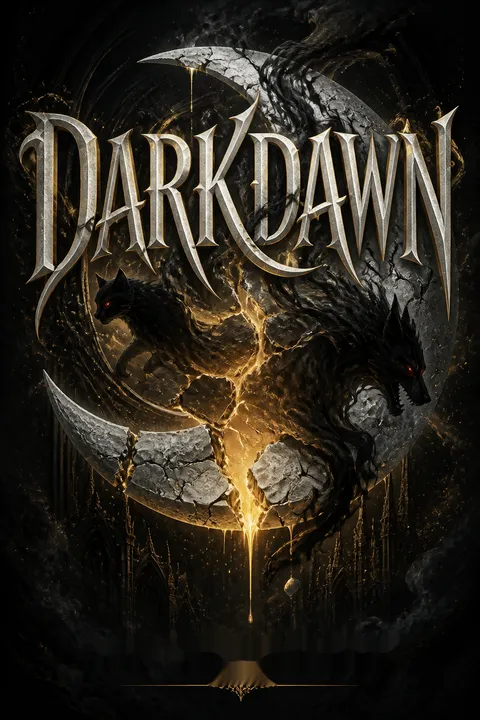

Plot Summary
Blood and Shadows Unleashed
Mia Corvere, infamous assassin and gladiator, finally claims her revenge, killing the men who destroyed her family. But victory is hollow: her brother Jonnen, thought dead, is alive—and Scaeva, her nemesis, is not only Jonnen's father but Mia's as well. The revelation shatters Mia's sense of self, even as she flees the chaos she's unleashed. The city erupts in violence, the Red Church turns against her, and Mia's shadows—her daemons, Mister Kindly and Eclipse—are both her shield and her curse. As she clings to her brother, hunted and betrayed, Mia's journey becomes one of survival, identity, and the cost of blood. The darkness within her grows, and the world's true night approaches.
The Price of Vengeance
Mia's triumph is short-lived. Her allies are scattered or captured, and the Red Church, once her home, now seeks her death. Old friends become enemies, and the lines between loyalty and betrayal blur. Mia's lover Ashlinn and the resurrected Tric are both drawn back into her orbit, each carrying wounds and secrets. As Mia's quest for vengeance deepens, she is forced to confront the truth about her parents, her own monstrous capacity for violence, and the pain she inflicts on those she loves. The price of vengeance is not just blood, but the loss of innocence, trust, and hope. Mia's journey becomes a crucible, forging her into something both more and less than human.
Broken Bonds, Shattered Truths
The revelation that Scaeva is her true father, and that Jonnen is her brother, fractures Mia's sense of self. The bonds of familia—once her guiding star—are now a source of confusion and pain. Mia's relationship with Ashlinn is tested by guilt and the specter of Tric, whose return from death is both a miracle and a curse. The Red Church's corruption is laid bare, and Mia's faith in her mentors and gods is shaken. As she navigates a world of shifting allegiances and hidden agendas, Mia must decide who she is beyond vengeance, and whether she can ever be whole again.
The Gathering Storm
Mia's enemies gather: the Red Church, the Itreyan Republic, and the gods themselves. Scaeva's ambitions threaten to plunge the world into tyranny, and the Church's leaders plot Mia's destruction. The approach of truedark—a rare, true night—signals a time of upheaval and opportunity. Mia's powers as a darkin grow, but so does the danger within. The storm is not just in the sky, but in Mia's heart, as she is forced to choose between love and duty, hope and despair. The world teeters on the edge of transformation, and Mia stands at its center.
Masks and Monsters
As Mia and her allies infiltrate the heart of power, they don masks—literal and figurative—to survive. The lines between friend and foe blur, and the true monsters are not always those with claws and fangs. Mia's own capacity for violence and ruthlessness is mirrored in her enemies, and she must confront the darkness within herself. The Red Church's leaders are revealed as self-serving and corrupt, and Scaeva's machinations reach new heights. In a world where everyone wears a mask, Mia must decide what she is willing to become to win.
The Game of Gods
The struggle is not merely political or personal—it is cosmic. The gods themselves are at war, and Mia is their pawn and weapon. The truth of the darkin is revealed: they are fragments of a shattered god, Anais, the Moon, whose soul was broken by the Everseeing, Aa. Mia's daemons and powers are pieces of this ancient divinity, and her journey is part of a larger game between Light and Night. But Mia refuses to be a pawn. She demands agency, challenging gods and fate alike, determined to choose her own path—even if it leads to her death.
The Many Were One
To save her brother and stop Scaeva, Mia must claim the full power of the darkin by journeying to the Crown of the Moon—a place of ancient ruin and godsblood. There, she faces Cleo, the first Chosen, who has hoarded the Moon's fragments for centuries. The battle is not just of blades, but of wills and fears. Mia must confront her deepest terror: that she is nothing without her shadows, that she is unworthy of love or hope. In embracing her fear, she becomes whole, uniting the many pieces of Anais within herself. But the cost is immense, and the final confrontation looms.
The House of Wolves Falls
Mia's assault on the Quiet Mountain is a bloody reckoning. With her allies, she dismantles the Red Church, killing its corrupt leaders and exposing its rot. The Ministry falls, and Mia claims the title of Lady of Blades, but the victory is pyrrhic. Friends die, betrayals are revealed, and the cost of power is paid in blood. The Church's legacy is ashes, and Mia's path leads inexorably toward her final confrontation with Scaeva. The house of wolves is no more, and the world is forever changed.
The Crown of the Moon
At the Crown of the Moon, Mia faces Cleo and the truth of the darkin. The battle is one of shadows and souls, of fear and becoming. Mia's daemons are stripped away, and she is forced to confront her own nothingness. In the crucible of despair, she finds the strength to claim the Moon's power—not for glory or vengeance, but for love. The many become one, and Mia is transformed. But the world trembles, and the end is near.
Fear and Becoming
Mia's greatest enemy is not Scaeva or the gods, but her own fear. Stripped of her shadows, alone and broken, she faces the void within. In accepting her fear, she finds the courage to act—not as a pawn of fate, but as a woman who chooses her own destiny. The power of the Moon is not in darkness, but in balance, in the acceptance of all that she is. Mia becomes more than assassin or avenger—she becomes hope.
The Last Gasp of Light
As truedark falls, Mia returns to Godsgrave for the final reckoning. The city is in chaos, the Republic crumbling. Scaeva, now a vessel for the Moon's rage, is a godling of destruction. The final battle is apocalyptic: father and daughter, light and night, rage and hope. The city is torn asunder, the old order dies, and the world is remade. Mia's allies fight desperately to save what they can, but the cost is immense. The last light fades, and the new night begins.
Daughter and Father
Mia and Scaeva, now avatars of the Moon's divided soul, clash in a battle that is both personal and cosmic. Their struggle is mirrored in the city's destruction, the collapse of empire, and the breaking of old bonds. In the end, it is not power or rage that decides the outcome, but love—the love Mia has for her brother, her friends, and even for herself. With the help of Jonnen and Ashlinn, Mia defeats her father, ending the cycle of violence and hate. The many are made one, and the world is changed forever.
The End of Empire
The Republic falls, the gods are remade, and the world enters a new age. Mia's victory is not without cost: friends are lost, love is mourned, and the scars of battle run deep. But the Moon is restored, the balance between night and day is remade, and hope is born from ashes. Mia's journey ends not in death, but in transformation. She is no longer merely an assassin or a pawn, but a woman who chose her own fate, and in doing so, changed the world.
Ashes and Silver
In the aftermath, Mia's friends and allies mourn and rebuild. The world is scarred, but the seeds of hope are sown. Mia's love for Ashlinn endures beyond death, and in a place beyond time, they are reunited. The story ends not with vengeance, but with love, memory, and the promise that to live in the hearts of those we leave behind is to never die. The night is no longer something to fear, but something to cherish—a place of balance, of silver light, and of forever.
Never Flinch, Never Fear
The tale closes with the survivors—Mercurio, Jonnen, and others—reflecting on Mia's legacy. The world is changed, the old stories burned, and new ones waiting to be written. Mia's journey is a testament to the power of choice, the necessity of fear, and the enduring strength of love. Her story is not just one of blood and shadows, but of hope, memory, and the courage to face the dark. Never flinch. Never fear. Never forget.
Analysis
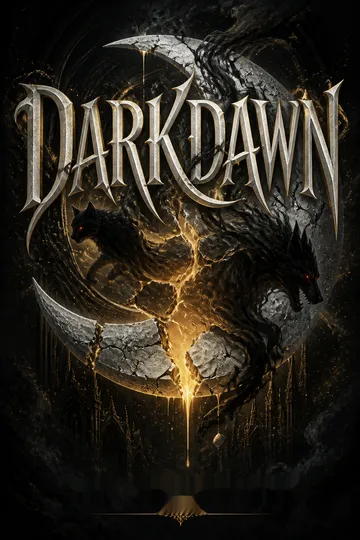
Darkdawn is a masterful conclusion to a trilogy that interrogates the nature of vengeance, power, and selfhood. Jay Kristoff crafts a narrative that is both epic and intimate, blending high fantasy with psychological realism and metafictional wit. The story's heart is Mia Corvere—a character whose journey from orphaned avenger to reluctant savior is both harrowing and inspiring. The novel explores the cost of violence, the seduction of power, and the necessity of fear and love. By making Mia the vessel for a shattered god, Kristoff elevates her personal struggle to cosmic significance, yet never loses sight of the human stakes: family, friendship, and the longing for belonging. The use of metafiction—the story within the story—invites readers to question the nature of fate, agency, and the stories we tell ourselves. The lessons are clear: true strength lies not in fearlessness, but in the courage to feel; legacy is not just what we do, but how we are remembered; and hope, even in the darkest night, is a choice. Darkdawn is a testament to the power of story, the necessity of facing the dark, and the enduring promise that to live in the hearts of those we leave behind is to never die.
Review Summary
People Also Read
Characters
Mia Corvere
Mia is the heart of the story: a girl forged by loss, vengeance, and the darkness within. Her journey is one of transformation—from orphaned child to assassin, from pawn to player, from monster to hope. Mia's relationships are complex: her love for Ashlinn is passionate and fraught, her bond with Jonnen is both protective and painful, and her connection to Tric is haunted by guilt and longing. Psychologically, Mia is driven by a need for justice and belonging, but also by fear of her own monstrousness. Her arc is one of self-acceptance: embracing her fear, her love, and her power, and choosing to be more than the sum of her scars. In the end, Mia is both destroyer and redeemer, a symbol of hope born from darkness.
Jonnen Corvere
Jonnen is Mia's younger brother, stolen as a child and raised as Scaeva's son. His journey is one of confusion, loyalty, and awakening. Torn between the father who raised him and the sister who saves him, Jonnen embodies the struggle between love and duty, innocence and complicity. As a darkin, he shares Mia's powers, but lacks her experience and resolve. His choices—especially in the final confrontation—are pivotal, representing the possibility of breaking cycles of violence. Jonnen's arc is one of painful growth, and his future hints at a new balance for the world.
Ashlinn Järnheim
Ashlinn is Mia's lover and mirror: fierce, wounded, and driven by her own need for vengeance. Her relationship with Mia is passionate, complicated by guilt over past betrayals and the shadow of Tric. Ashlinn's arc is one of redemption and sacrifice—she risks everything for Mia, even returning from death to stand by her side. Psychologically, Ashlinn is haunted by her father's legacy and her own choices, but her love for Mia is transformative. In the end, Ashlinn represents the possibility of forgiveness, healing, and the promise of forever.
Tric
Tric is Mia's first love, killed by Ashlinn and returned from death by the Mother of Night. His presence is both a blessing and a curse, forcing Mia and Ashlinn to confront their past and their guilt. Tric's arc is one of letting go: he loves Mia enough to help her find happiness with another, and ultimately sacrifices his own chance at peace to guide Ashlinn back from the Abyss. Psychologically, Tric embodies longing, regret, and the courage to forgive. His journey is a testament to the power of love to transcend even death.
Julius Scaeva
Scaeva is the story's great antagonist: a master manipulator, ruthless leader, and, ultimately, a vessel for the Moon's rage. His relationship with Mia is twisted—he is both her creator and her nemesis, the source of her pain and the mirror of her darkness. Psychologically, Scaeva is driven by ambition, fear, and a need for control. His arc is one of hubris and downfall: in seeking godhood, he becomes a monster, and is undone by the very love and hope he cannot understand. Scaeva's end is both tragic and just, a warning against the cost of unchecked power.
Mister Kindly
Mister Kindly is Mia's constant companion, a daemon who eats her fear and offers sardonic counsel. He is both a comfort and a crutch, enabling Mia's fearlessness but also shielding her from growth. Psychologically, Mister Kindly represents the part of Mia that refuses to be vulnerable, but also the part that loves unconditionally. His arc is one of reunion and acceptance: in the end, he is not just Mia's shadow, but a piece of her soul, and their bond is a symbol of self-acceptance.
Eclipse
Eclipse is another daemon, bonded first to Cassius and then to Mia and Jonnen. She represents loyalty, courage, and the pain of sacrifice. Her relationship with Jonnen is nurturing, and her death is a profound loss for both siblings. Psychologically, Eclipse embodies the cost of love and the inevitability of letting go. Her memory lingers as a reminder of what is lost in the pursuit of vengeance.
Mercurio
Mercurio is Mia's teacher, protector, and the closest thing she has to a true parent. Gruff, wise, and deeply loyal, he guides Mia through her darkest moments and helps her find her own path. Psychologically, Mercurio is haunted by regret and the knowledge that he cannot save Mia from herself. His arc is one of acceptance: letting go, remembering, and honoring the whole of Mia's story—the good, the bad, and the real.
Cleo
Cleo is the original Chosen of the Mother, a darkin who hoarded the Moon's fragments and became a monster. She is both a mirror and a warning to Mia: the cost of power without purpose, of vengeance without hope. Psychologically, Cleo is consumed by fear, hunger, and regret. Her defeat is not just a victory for Mia, but a rejection of despair and the embrace of hope.
Aelius
Aelius is the founder of the Red Church, the first Blade, and the son of Cleo. Bound to the library of the dead, he manipulates events to give Mia a chance at redemption and balance. Psychologically, Aelius is weary, burdened by centuries of waiting and sacrifice. His arc is one of release: in helping Mia, he fulfills his purpose and is finally allowed to rest. Aelius represents the power of story, memory, and the hope that even the darkest tales can end in light.
Plot Devices
Shattered God, Fragments of Power
The central plot device is the shattering of Anais, the Moon, by the Everseeing, Aa. The darkin—Mia, Jonnen, Cleo, and others—are fragments of Anais's soul, each carrying a piece of divine power and longing for wholeness. This device weaves together personal and cosmic stakes: Mia's quest for vengeance is also a struggle for balance between Light and Night, mortal and divine. The daemons, passengers, and shadow powers are all manifestations of this legacy. The narrative structure uses prophecy, foreshadowing, and metafiction (the Nevernight Chronicles themselves) to explore fate, agency, and the cost of power. The story is layered with unreliable narration, shifting perspectives, and self-aware commentary, blurring the line between legend and reality.
Masks, Identity, and Metafiction
Masks—literal and figurative—are a recurring motif, symbolizing the roles characters play and the truths they hide. The metafictional device of the Nevernight Chronicles, written by Mercurio and Aelius, allows for commentary on the nature of story, memory, and legacy. The books themselves become plot devices, shaping characters' actions and the world's fate. The narrative structure is non-linear, with flashbacks, dreams, and visions revealing hidden truths and foreshadowing outcomes. The interplay between fate and choice, prophecy and agency, is central: characters struggle to write their own stories, even as they are written by others.
Fear, Love, and the Power of Choice
The ultimate plot device is psychological: Mia's journey is not just one of blood and shadows, but of fear and love. Her daemons eat her fear, but in the end, she must embrace it to become whole. The final victory is not won by strength or rage, but by accepting vulnerability, choosing hope, and loving despite loss. The story uses foreshadowing (the repeated phrase "Never flinch, never fear") and reversal (Mia's greatest strength is her willingness to feel) to subvert expectations and deliver a cathartic, emotionally resonant conclusion.
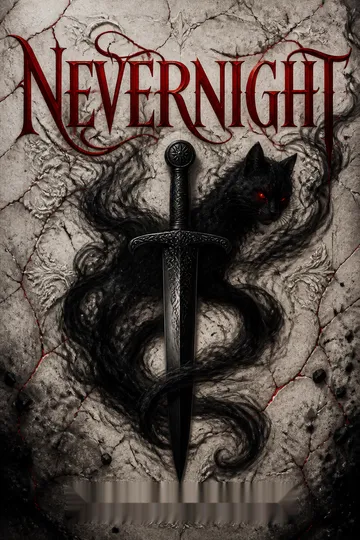
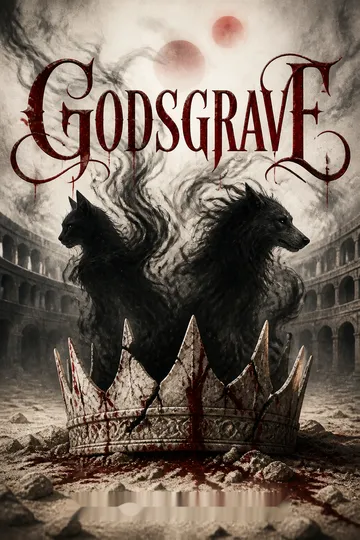
The Nevernight Chronicle Series
About the Author
Other books by Jay Kristoff



Download PDF
Download EPUB
.epub digital book format is ideal for reading ebooks on phones, tablets, and e-readers.








































