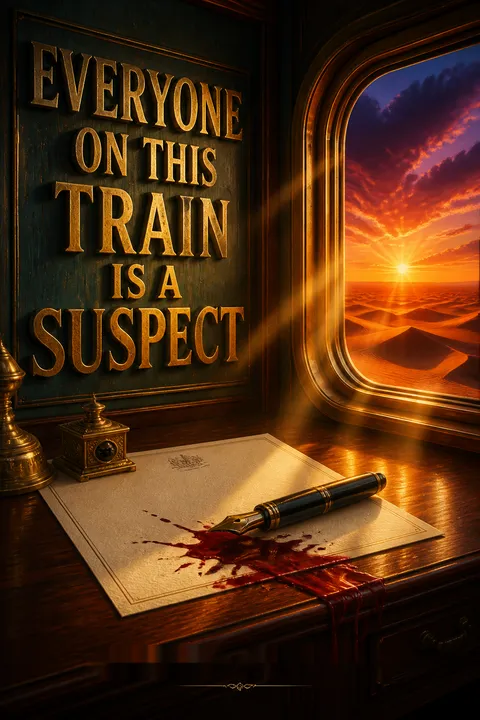

Plot Summary
1. All Aboard: The Festival Begins
Ernest Cunningham and his partner Juliette step onto the luxurious Ghan train for the Australian Mystery Writers' Festival, expecting a fun journey across the outback. Amid luxury and open skies, Ernest joins an exclusive group: crime and literary writers with reputations (and egos) as vast as the landscape itself. Unbeknownst to the assembled guests, past grievances and hidden secrets churn beneath the surface. As introductions and first impressions abound, readers feel both the giddy anticipation of a rare adventure and a mounting sense of unease—the infamous previous murders connected to Ernest haunting the festive air, foreshadowing that even scenic journeys can take deadly turns.
2. Writers and Egos Collide
Aboard the train, genre boundaries and personalities clash. Ernest's anxiety over his status and unfinished novel runs high as he interacts with iconic authors and publisher Wyatt Lloyd. Between the relentless agent Simone and Ernest's own doubts in fiction writing, he's reminded how challenging breaking into—and surviving—the world of crime fiction can be. The competitive energy becomes palpable as subtle barbs, old rivalries, and professional envy bubble up. Bonds form, but distrust lingers, especially when the train's isolation becomes a metaphor for the closed circle of the classic mystery. Readers sense the tension that will lead to future conflict—and perhaps violence.
3. Sun, Scars, and Secrets
Through vibrant desert sunrise and trainboard luxury, personal histories and psychic wounds emerge. Ernest's prior brush with murder, Juliette's complex feelings, and the scars (visible and hidden) of several writers come to light. The odd mix of eccentric authors—Wolfgang the literary snob, Lisa the embattled legal author, and Alan the forensics expert—suggest that everyone brings literal and figurative baggage. Bonds of partnership and resentment entwine, and readers sense that unresolved guilt and ambition will shape how each copes with impending crisis. Joy and unease sit side by side, as secrets ride alongside their carriers.
4. Ratings, Reviews, and Rivalry
The seemingly trivial act of Henry McTavish, the festival's most famous guest, leaving scathing star ratings online becomes a powder keg. One-star reviews, especially for Ernest, reveal the deep wounds and motivations that drive the writers' insecurities, professional rivalries, and jealousies. As anger simmers, alliances and suspicions shift—perceived slights begin to look like motives. For many on board, McTavish's opinion holds material power over careers and egos, setting the tone for intensifying competition and subtle plotting under the surface of literary civility.
5. The Famous McTavish Panel
The festival's headline event—Henry McTavish's panel—is both celebration and battleground. Bruised egos, veiled accusations of plagiarism, and resentments toward the author's fame and previous thefts come to the fore. Panel attendees (and readers) are introduced to dynamics between McTavish, Lisa, Wolfgang, and SF Majors; stories of past festivals, career derailments, and betrayals abound. Intense audience participation—especially from passionate fans—sparks foreshadowing references to overlooked clues, echoes of old tragedies, and new rivalries. The panel becomes not just performance but prelude to coming violence, forcing everyone on stage and off to reassess alliances and dangers.
6. Private Conflicts, Public Clues
Tensions rise behind closed doors and on panel stages. Ernest's agent Simone reveals her own ambitions and Machiavellian maneuvering, as secret alliances, unspoken hostilities, and career power plays entangle almost everyone. In cabins, bars, and corridors, confessional moments and overheard arguments lay vital clues. Juliette's feelings—both supportive and wounded—surface, as Ernest drifts further into self-absorbed speculation while neglecting those closest to him. Critical objects—like Simone's blue scarf—change hands, symbolizing shifting loyalties and foreshadowing future crimes. Interpersonal dramas dovetail with a gathering storm of mistrust that will soon break into murder.
7. A Toast and a Death
Amid the train's grand morning, tragedy strikes during a panel: McTavish, after sipping from his flask, violently collapses and dies before a horrified audience. The chaos of the scene—vomit, blue skin, and desperate staff—stuns the writers into amateur sleuth mode. As reality overtakes the coziness of festival games, everyone finds themselves suspect or detective. For readers, the mystery crystallizes: who among this circle, schooled in the art of murder plots, has executed one in reality? Old grudges, public humiliations, and hidden motivations become both evidence and red herring.
8. Suspicions and Alliances
With the train locked down and police hours away, the five remaining authors and an assortment of guests become both detectives and suspects. Clues—ranging from seemingly minor blood stains, hidden objects, to secret relationships—fuel debate and infighting. Ernest and Alan Royce form uneasy alliances, but every writer spins their own theory, driven by ego, expertise, or damage. The claustrophobic train becomes a crucible; trust frays under pressure, and friendship is indistinguishable from rivalry. For readers, this is classic whodunit territory, where "fair play" becomes a weapon and a trap.
9. False Alibis and Lost Loves
The investigation becomes personal as confessions—true and false—expose everyone's capacity for deception. Ernest and Juliette's relationship strains under cross-accusation and miscommunication, with professional obsession trumping partnership. Guests and writers lie about alibis, relationships, even their very identities. Subterfuge and desperation replace festival glamour, and readers witness the human cost of obsession with crime and legacy—as love is eclipsed by intrigue, and betrayal (real or perceived) drives once-strong bonds to the breaking point.
10. The First Murder—A Scottish Exit
McTavish's death transforms the festival from game to deadly reality. The shock snaps any remaining illusion that this is simply a convivial gathering of genre minds. With the stakes now life and death, inhibitions erode; hidden injuries, grudges, and desires break into the open. As the authorities loom on the horizon and the train grows ever more isolated, characters—and readers—are forced to confront how far one might go for career, revenge, or redemption. The murder heralds more to come.
11. Five Detectives, One Corpse
The five writers—now five detectives in their own meta-narrative—pair their genre expertise against the murder. Each brings skill and blindness: Lisa's legal acumen, Royce's forensics (real or bluffed), Majors' psychology, Wolfgang's literary lens, and Ernest's blend of self-doubt and pattern-spotting. As speculation surges, red herrings abound, self-serving theories proliferate, and cries of "I didn't kill anyone!" resound. The game of fair and unfair play becomes both satire and genuine challenge—for characters and readers. Meanwhile, readers are cued to notice the killers may be those whom fiction has best prepared for murder.
12. Forensics and Factions
Dissecting the forensic evidence around McTavish's death, alliances shift: smoke and mirrors obscure fact from fiction. Old crimes (including rape and plagiarism) begin to surface, as does their cover-up by complicit industry insiders. Law, science, and art are all called on to explain (and excuse) motives and methods. As secrets about relationships, illegitimate heirs, and artistic theft come into focus, readers bear witness to complicity and self-delusion. The investigation becomes as much about moral rot as cold evidence.
13. The Ghostwriter Unmasked
Underneath fraud, ghostwriting, and false attributions, the mystery's true heart pulses. The real creator behind the famous books is revealed—Jasper, the unacknowledged ghostwriter, with Harriet fiercely protecting and sabotaging him in equal measure. Legacy, credit, and love are laid bare as vital motives both for creation and for murder. Major threads—stolen careers, erased women, and ambition's price—intertwine. Readers feel the burn of injustice, the anguish of buried lives and stories. Hidden identity is both crime and explanation.
14. Night Trains and Daylight Lies
The train hurtles through the outback; private interviews, betrayals, and explosive confessions pile up. Cabin doors, public panel stages, deserted mining fields—each becomes a theater for secrets, accusations, and reversals. When a second murder strikes—Wyatt, the publisher, slain with a pen—the circle of suspects narrows and paranoia spikes. Everyone's expertise becomes self-defense. Allegiances fall apart and even lovers turn on each other. The body count, and emotional stakes, rise in step.
15. Legacy, Jealousy and Bloody Endorsements
The web of legacy and jealousy tightens. Literary theft and covering up of past sexual violence are tangled with bitter fights over endorsements, cash advances, and reputation. As the ghostwriter's existence unravels, so too do the carefully managed narratives of the biggest names. The "death of literature" becomes not just theory, but a tangible stake for which people are willing to die—and to kill. Readers see not just what is at stake for these writers, but what is lost through silence, cover-up, and compromise.
16. Catching Killers, Chasing Stories
A violent denouement on and off the train: the true killer is chased across outback fields, desperate confessions delivered amid threats and blood. Grief, guilt, and love become both motive and red herring. The entire journey turns into a hunt for truth and legacy—the very game these writers spent careers constructing. The outback itself becomes a metaphor for the loneliness and danger of digging for old secrets. In the end, the need to set the story right outweighs all other needs.
17. Dangerous Confessions
Major revelations about past crimes force confessions from all corners. Parentage, plagiarism, complicity in abuse, and self-serving industry deals are all laid bare. The nature of authorship, the ownership of pain and creation, is fiercely debated. Jealousy and loyalty, ambition and love, burn away any remaining façade. Even narrator Ernest must confront his limitations—in truth, perception, and his own emotional blindness. "Whose story is it?" is both a literary and existential question, thrown at readers with force.
18. The Truth and Its Co-Authors
As the train reaches its journey's end and the fallout begins, confession and consequence catch up to all—survivors and victims alike. Some find justice, others remain lost. The narrator and his partner must confront not only the limits of narrative, but also the limits of forgiveness and self-understanding. The question of legacy—what we leave behind, how others retell or relive it—fuses the murderer's motive with the writer's, and the story's ending with a new beginning. The shock of violence gives way, at last, to the possibility of true partnership: to surviving—together—in the story after the story.
Analysis
Everyone on This Train Is a Suspectcleverly collapses the whodunit into a meditation on authorship, guilt, and the stories we tell about ourselves. It satirizes the rules of classic detective fiction while demonstrating their enduring hold: fair-play is both honored and sabotaged, as meta-asides jostle with gripping set pieces. The book's power lies in its refusal to exonerate anyone—including the reader—from complicity in systems that value profit, silence victims, and steal voices. The murder mystery becomes a social allegory: professional rivalries mask deeper wounds, and identity theft—whether of ideas, manuscripts, or even personhood—drives the cycle of trauma and violence. The narrative is deeply invested in legacy: not just how individuals or books are remembered, but who gets to write that memory. Ernest's journey from rules-bound detective to emotionally responsible partner reframes the whodunit: survival depends not on outsmarting others, but on accepting the limits and messiness of shared stories. In the end, the book offers both closure and critique: the mystery is solved, but the work of justice, healing, and true authorship goes on.
People Also Read
Characters
Ernest Cunningham
The narrator and protagonist, Ernest is a writer defined as much by survivor's guilt and anxiety as by talent. His career was born of tragedy—writing about his family's murders (from a previous novel)—and he's now pressured to produce a second book. Ernest oscillates between self-effacing humor and raw self-doubt, using "fair play" mystery rules as a shield against chaos and pain. His relationship with Juliette is loving but strained, his loyalty sometimes undermined by obsession with puzzles and self-justification. Ernest's character arc is defined by moving from self-involved detection to accepting the emotional cost and responsibility behind every narrative, learning that stories—like lives—belong to more than their author.
Juliette Henderson
Juliette, Ernest's girlfriend, is strong, direct, and resourceful. She survived the previous murders alongside him and has her own successful book about the events—yet is constantly relegated to "plus one" status. She serves as both Ernest's anchor and his challenger, pushing him to see beyond himself. Juliette's frustrations build when Ernest's obsession with the current mystery eclipses their life together, highlighting the cost of emotional blindness. Her unexpected "no" to his proposal is a pivotal moment, reframing whose story is truly being told. Through her, the novel explores themes of partnership, recognition, and the painful search for mutual narrative and legacy.
Henry McTavish
The most famous author present, McTavish is both revered and reviled. He mentors, humiliates, and manipulates fellow writers, wielding power through blurb, review, and rumor. McTavish's legacy is marred by accusations of literary theft, poor personal conduct, and, as revealed, sexual assault. His physical injuries (a withered side from a car accident) and alcoholism mirror internal corruption. His death is both an individual tragedy and the detonator for exposing buried industry rot. Psychologically, he represents the dark side of legacy: how reputations are built on silence, erasure, and—sometimes—another's voice.
Lisa Fulton
Lisa, author of a famous but long-ago legal thriller, is haunted by both creative and personal violation. Her career was derailed by rape, cover-up, and non-disclosure agreements orchestrated by the industry's powerful men. Though she appears quiet and controlled, her emotional arc is one of reclamation: seeking truth, justice, and recognition for herself and her daughter. Her dynamic with fellow victim SF Majors, and with her daughter Brooke, complicates simple narratives of rivalry or alliance—showcasing the harm done when institutions protect perpetrators over the voiceless. The slow unveiling of her past—and her capacity for both care and anger—is one of the novel's deepest psychological wells.
SF Majors
A respected writer of psychological thrillers, Majors balances sharp intellect with personal hauntedness. She suffered the loss of her best friend as a child, and suspicion that the crime was never truly accounted for. Majors represents the wounded idealist: her career and moral stance are built on a demand for truth and fairness, and she holds a festering grudge against both Henry McTavish (for literary theft) and Lisa (for not supporting her). Psychologically, she is both detective and witness, a mirror for the cost of silence and complicity. Her unfinished business with the past drives both her writing and her actions on the train.
Alan Royce
Royce, the self-styled forensic expert, is more impostor than investigator—a writer whose resume is as embellished as his ego. He is both arrogant and insecure, often latching onto grand theories to insert himself into the spotlight. His true past—a minor lab role, leveraged into a fraudulent reputation—mirrors his complicity in the cover-up of Lisa's assault. Royce's character arc is one of gradual unmasking, from supposed expert to exposed participant in systemic injustice. Psychologically, he is an archetype of petty ambition leading to moral collapse.
Wolfgang (aka Erica Mathison)
Wolfgang is the "literary" writer among the group, sneering at genre convention and commerce. His secret project—the creation of the bestselling Erica Mathison AI-novel as a performance art piece—satirizes the very industry he despises. He is at once clownish and cutting, using irony and contempt as shields. Wolfgang's arc is defined by a desire to "kill" commercial literature, but his own vanity and complicity undermine his pretensions. Psychologically, he is the self-appointed judge of literary worth who fails to see his own hypocrisy.
Wyatt Lloyd
Wyatt, the powerful head of Gemini Publishing, is the puppet master behind several careers—and cover-ups. He is greedy, ruthless, and sees authors only as assets; his business acumen is matched only by his ethical flexibility. Wyatt's history of engineering ghostwriting deals, silencing victims, and prioritizing profit over people makes him both powerful and ripe for murder. Psychologically, he represents the worst of the "establishment" and the system protecting itself.
Harriet Murdoch
Jasper's wife, Harriet, appears warm and supportive but hides a capacity for dangerous initiative, driven by love and vicarious ambition. Her prior work—reviewing Jasper's book so harshly it stifled his independent career—becomes ironically the alibi for her later rage. Convinced that her husband deserves his own legacy, and seeing his career forever shackled to McTavish's name, she risks all to free him. Psychologically, Harriet is the embodiment of the extremes of love: loyalty that crosses into violence, and justification-by-devotion that blinds her to consequences. Her explosive, tragic arc is central to the novel's emotional core.
Jasper Murdoch
Jasper is an everyman talent, ghost behind the most famous books, resigned to a life without recognition. He veers between humility and self-erasure, allowing others to dictate his direction—until public tragedy and betrayal force him into crisis. The revelation that he, not McTavish, authored the final novels is both the emotional climax and the critical commentary on authorship, erasure, and artistic theft. In relationship with Harriet, his arc exposes the tension between being valued for oneself and being used as a tool for others' ambition.
Plot Devices
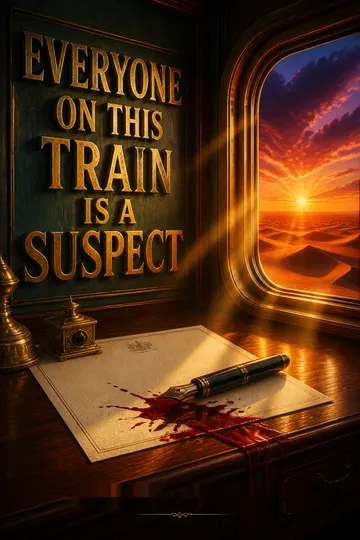
Locked-room train mystery, meta-detection, hidden identities.
The story is contained within the opulent, claustrophobic space of a train hurtling through the Australian desert—a varied but inescapable cast, with fixed entrances, exits, and a clear sense of physical and psychological enclosure. The authors use frequent meta-textual asides: Ernest, as narrator, explains the "rules" of mystery fiction, alerts the reader to foreshadowing and red herrings, and repeatedly breaks the fourth wall about the very experience of sequels and suspect pools.
The cheery hands-off of a blue scarf, the passing of personalized pens, overheard midnight arguments, mysterious manuscript logistics, and incriminating reviews all lay groundwork—subverting and confirming genre expectations. Hidden authorship (ghostwriting) and non-linear legacy operate as both plot and theme.
Although Ernest claims reliability, the text frequently undercuts his self-image, emphasizing the subjectivity of story, evidence, and memory. Characters accused of unreliability (Royce, Wolfgang, Majors) all contribute, for both comic misdirection and real-world ambiguity. Important plot twists depend on the gradual exposure of professional dishonesty (fake forensics, ghostwriting, cover-up dealmaking) and collusion.
The book lampoons and embodies the logic of classic fair-play mysteries: only pre-introduced suspects, metatextual tallies, and sly breaking of conventions (e.g., multiple detectives, the "exempt" lead). The AI subplot and the "death of literature" theme, via Erica Mathison, allow modern anxieties about authorship and originality to serve as both plot device and self-commentary.
Survivor's guilt, the insecurity of talent, and longing for legacy tie together both literary ambitions and motives for murder. The narrative lets the seasonal trauma of unresolved crime and silence overlap with the game-like unfolding of red herrings and secrets. The resolution insists that the story belongs as much to its co-authors (the living, the loving, and the reader) as to the main narrator.
Ernest Cunningham Series

Download PDF
Download EPUB
.epub digital book format is ideal for reading ebooks on phones, tablets, and e-readers.








































