
Plot Summary
Holiday Murder Tradition Begins
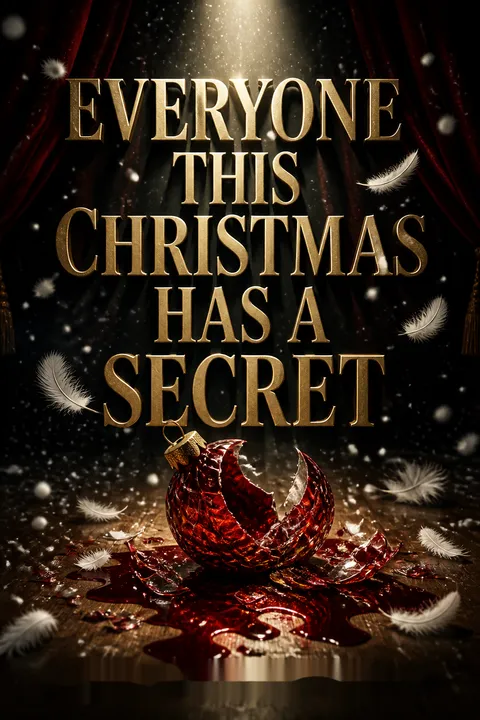
Ernest Cunningham, semi-famous for solving deaths within his family, introduces himself amidst a sunbaked Australian Christmas. This year, though, it's not just pudding and presents: a deadly new case lands on Ernest's path. Invited to investigate a murder backstage at a famed magic show in the Blue Mountains, Ernest finds himself surrounded by tricksters—magicians, hypnotists, and the staff of the Pearse Foundation, all beneath the glitter of holiday lights. Despite a hope that murderers would take the holidays off, Ernest is thrust back into the detective role, setting the stage for another locked-room puzzle with impossible constraints—and a festive overlay of misdirection, secrets, and murder woven through family and tradition.
Blood on Her Hands
Ernest rushes to his distressed ex-wife, Erin, who has been arrested after waking covered in blood beside her dead partner, Lyle Pearse. Erin's account is harrowing but incomplete: she remembers little except waking up stained and in shock, the murder weapon left in plain sight. The circumstances are damning—no sign of defensive wounds, no clear alibi, and seemingly no motive, as Lyle's wealth was mostly designated for his foundation. Yet Ernest's gut and history tell him that someone with such a "bad story" must be truthful. But with the police eager for a tidy arrest before Christmas, time is running out to unravel the perfect frame.
A Marriage of Suspicions
Ernest's investigation forces him to question loyalties—his own, Erin's, and those around them. Old wounds of infidelity and trust re-emerge as he tries to keep his fiancée Juliette in the loop, while grappling with the emotional fallout of his connection to Erin. Tensions mount as Ernest is pressed by the intrusive reporter Josh Felman, who has his own motives for being close to the case, and the stain of suspicion spreads outward—from Erin, to the Foundation, to the magician's retinue. The emotional landscape of the suspects—ranging from rage to apathy to profound sorrow—foreshadows the intricate web beneath this year's Christmas disaster.
The Impossible Crime
The magic show itself becomes a stage for murder: first, Lyle is murdered in his seemingly secure home, with Erin found bloodied but unsure how. Next, Rylan Blaze, the star magician, is decapitated live onstage during an act, seemingly by a paper-thin guillotine blade. Both crimes seem to happen with impossible methods, implicating the innocent and baffling the witnesses—locked rooms, stage tricks, and an advent calendar of clues that hint at a method as clever as any performance. The crimes' theatricality draws Ernest into viewing murder itself as the ultimate act of misdirection.
Gathering Tricksters and Truths
All the major players—magicians, assistants, executives, hypnotists, twins, and foundation staff—are professional deceivers, skilled at misdirection and secrets. Ernest must untangle the roles each inhabit: those who manipulate with tricks, those desperate to cover trauma, those hoping to protect, and those with secret motives tied to past failings or financial deceit. The presents beneath the Christmas tree act as metaphors for these closed boxes of secrets—some filled, some chillingly empty—mirroring the hidden deception governing both murders and relationships.
Clues and Camera Flashes
Josh Felman hounds Ernest with questions and leaks forbidden documents, sometimes helpful, sometimes manipulative. Felman urges Ernest to consider the case's meta-dimension: as a series detective with a "canon," perhaps these murders are engineered as a challenge directly for him. Meanwhile, forensic details trickle in: a needle mark on Lyle's arm (despite clean tox screens), advent calendar doors opened the wrong days, and stages where clues and surveillance overlap. Felman's leaks give Ernest the outside perspective he needs, framing the mystery as not just personal, but a challenge to his acumen.
Magician's Illusions Unveiled
In backrooms and workshops, Ernest explores the mechanical, psychological, and emotional underpinnings of the magic show. Schematics for bullet tricks and guillotines, the sleights of hand that switch wax and real bullets, and the show's intricate timing all become potential murder mechanisms—and red herrings. Shaun, the prop master whose genius inventions made Rylan a star, is embittered; his marginalization is palpable. His designs for lethal illusions—some crossed out, some implemented—point to both motive and method, and, metaphorically, to the ways all the suspects disguise their true natures.
Hidden Messages and Schematics
In Lyle's office, Ernest uncovers dictation memos revealing an about-to-be-sold foundation, the pressures breaking its founder's ideals, and a growing sense of betrayal. The word "Christmas" written in Lyle's blood is both clue and confounder: is it a seasonal flourish, or does it encode a message? The unopened doors on Lyle's advent calendar and a found schematic hint at missing days—and motives. Christmas itself, with its complex rituals of giving and secrets, becomes a cipher for all that's hidden, incomplete, or misread.
The Deadly Advent Gift
The discovery that Rylan's Secret Santa gift is empty provides the missing piece of the puzzle: someone did not expect Rylan to survive Christmas. The mechanics of the magician's murder—glass sharpened and paired with a falling paper blade, an empty box beneath the tree—mirror the emptiness and duplicity of the conspirators' agreements. The Secret Santa draw, meant to foster camaraderie, is weaponized: whoever drew Rylan, drew the task of murder. This deliberate randomness shields the conspirators, rendering motive deniable and guilt untraceable.
Onstage Chaos, Onstage Death
Ernest's frantic attempt to stop the show—a rush to warn of a real bullet, an impossible scramble to save Rylan—is met with skepticism, chaos, and the inescapable sight of a man's head rolling onstage to the crowd's horror. The murder echoes the staged accidents that magicians perform, but this time it's real, bloody, and irreversible. The show's finale is a metonym for the case itself: the planned spectacle, the careful switching of roles and implements, and the tragic, visible result, even as the real means—and the real killer—are concealed.
Suspects and Secret Alliances
Under pressure, the circle of suspects frays. Some rant about betrayal (Dinesh, Flick), others desperately seek to protect (the twins, Theresa and Sam), and others seem genuinely broken. As Ernest leads everyone through a series of confrontations—both psychological and physical—new alliances and betrayals are exposed. The conspiracy at the core is revealed: not a single murderer, but a pact formed by shared resentment, justified by group logic, and ultimately sabotaged by fear, remorse, and reversal.
Framed by Sleight of Hand
The true framing of Erin comes into focus: after killing Lyle, the murderer uses soap replaced with Lyle's blood to ensure Erin unwittingly covers herself in incrimination during a late-night bathroom visit. Clues—the missing lightbulb, a single glass shard, the lack of blood on the light switch—connect with Erin's obsessive hand-washing and trauma. This sleight of hand, echoing the magic show's illusions, is the murder's greatest trick: hiding guilt by manipulating the evidence, targeting not only the body, but the psychology of the "culprit."
A House of Lost Faith
The Foundation itself appears shattered, its founder succumbing to doubt, its finances compromised by embezzlement, and its vaunted "second chances" weaponized into murder. Personal narratives—Christopher's belief in redemption, Flick's rationalizations, even Erin's and Ernest's shared history of trauma—are shown to be as flimsy as the staged paper blade. The fatal cracks appear where belief, forgiveness, and trust break down, and where resentment festers into violence.
Beneath the Stage, Beneath the Truth
Ernest descends—literally and figuratively—beneath the illusion. In the bowels under the stage, among shards of glass and dropped implements, he discovers both the murder weapon and the narrative's metaphorical heart: murders are not just acts, but the products of what's hidden, missed, and staged for others to see. The discovery shifts suspicion from showmanship to craftsmanship, redirecting the investigation to those skilled in glasswork and deception, breaking open not only glass but group loyalty and silence.
The Secret Santa Pact
The murder plot is revealed to have been collectively conceived: a Secret Santa "draw" means that everyone's hands are dirty, and no one but the actual "draw" knows who the designated killer is. This mechanic both implicates and protects, turning Christmas games into conspiracy. The psychological toll unravels several party members, as guilt spreads horizontally. In this group, everyone is both victim and perpetrator by intent if not by action, echoing the book's thesis: everyone, given circumstance, is capable.
Present for a Corpse
The discovery that Sam, overcome with guilt, seeks to swap her murderous obligation with her sister Theresa, crystallizes the narrative of substitution and sacrifice. Secret Santas, gifts, and roles are all switched—twins changing places, bullets switching between wax and lead. The mechanical and the emotional are entwined: guilt prompts confession, but fear leads to silence or violence. Present for a corpse is both literal and hollow—no one wants to give a gift to the person they intend to murder.
Revelation in Red Soap
The climax unpacks the act of framing: Erin, with her PTSD-induced compulsive washing, becomes the perfect patsy for an artful framer who replaces soap with blood. It's not hypnosis or trauma-induced amnesia but simple physiological routine, exploited with villainous precision. A bloody message—"Chris + Sam" garbled by Lyle's dyslexia—reframes the investigation's path, revealing the true mental and physical manipulations at play, and absolving Erin at last.
Unmasking the True Killer
Ernest orchestrates a dramatic denouement worthy of Agatha Christie by trapping all suspects in a cable car, gradually confronting, eliminating, or extracting confessions. Guilt is dissected—embezzlement, resentment, professional envy, protection of siblings and self. The final culprits are not just those who acted, but those who conspired, and the ultimate killer, Christopher, is exposed, trapped by Ernest's knowledge of psychology, forensics, and family.
Epilogue: Surviving the Trick
The narrative ends with Ernest shot but alive—saved by anticipation, quick deduction, and a trick of material science. As the survivors recover and process their trauma, reflections on rules, rituals, and the true meaning of Christmas give the case its final shape. All throughout, the illusion of festive normalcy now tinged with loss, guilt, and renewed hope.
Analysis
Benjamin Stevenson's Everyone This Christmas Has a Secret is a dazzling, self-aware riff on the classic fair-play whodunit, transposed onto the sun-struck, often unruly landscape of modern Australia—and even more unruly human psychology. The novel's core interrogates guilt, memory, trauma, and the illusion of trust within families, friendships, and communities that are as performative as any magic show. Stevenson demonstrates that beneath every tradition (even Christmas) lurk secrets, betrayals, and the endless human hunger to have those secrets both hidden and revealed. In turning the tricks of stage and sleuth into intertwined metaphors, Stevenson challenges readers to confront their own expectations—not just of genre, but of human goodness, culpability, and forgiveness. The lesson is darkly comforting: everyone is capable of darkness, but also of confession, change, and redemption if given the chance. Christmas, then, becomes not just a backdrop of lights and gifts, but a testing ground for the real magic—understanding, absolution, and the persistent, messy work of becoming better than before.
People Also Read
Characters
Ernest Cunningham
Ernest is a self-aware, meta-mystery protagonist who navigates murder with the skeptical devotion of a puzzle-solver, but also as someone consistently haunted by trauma—not just from the murders around him, but from his complicated family legacy. His relationship with Erin, Juliette, and the suspects is shaded by past betrayals and relentless self-doubt. Throughout the novel, Ernest battles fatigue, guilt, and the awareness that each murder he is drawn to seems to claim another life before he solves it. His internal arc is one of seeking meaning, asserting control in chaos, and ultimately learning—through failure, pain, and occasional Christmas grace—how to carve out truth from illusion, both in others and himself.
Erin (Cunningham) Gillford
Erin, Ernest's ex-wife, is central—not only as accused but as the story's emotional core. Suffering PTSD and numbed by the cumulative toll of violence, Erin's avoidance and memory lapses are genuine—not a cover for guilt, but a coping mechanism. Her marriage to Ernest failed partly due to secrecy; now, ironically, she is tragically exposed. Her compulsive hand-washing, rooted in trauma, makes her both the perfect victim and the unwitting subject of a masterful frame. Erin's arc is one of slow reclamation: finding agency through honesty, surviving the horror of suspicion, and ultimately trusting that others—even Ernest—can uncover and believe in her truth.
Lyle Pearse
Lyle is the philanthropist whose murder launches the plot. Behind his gold-hearted, transformative foundation for rehabilitating youth is a deeply controlling and occasionally brittle man, wounded by his brother's overdose and determined to "fix" others as a form of redemption. As cracks appear in his faith—in the foundation, in his graduates, and in his own friends—Lyle grows paradoxically both more rigid and more vulnerable, culminating in his attempt at one last world-changing action, only to write a final, misunderstood message. His legacy is ambiguous: both a force for good and a symbol of failed faith.
Rylan Blaze
Rylan is the magnetic center of the show and its murder. Narcissistic, substance-abusing, brilliant, and careless, he is a walking contradiction: a master illusionist who relies fundamentally on others' unseen labor. His lack of self-awareness about the deadly risks of his tricks, substance temptations, and emotional callousness draws a circle of resentment and dependency around him. Rylan is both an author of his own downfall and a scapegoat for the collective frustrations, addictions, and ambitions of the group. His spectacular death is as much a mirror of his public persona as his private carelessness.
Felicity "Flick" Herrington
Flick is the foundation's CFO, now interim head. Efficient, ruthless, and adept at self-preservation, she masks her vulnerability beneath professional language and sharp wit. Flick's embezzlement, discovered only through clues about insider trading and financial manipulation, suggests that "good work" sometimes hides corruption, rationalized by self-interest. Flick is both architect and victim of the system's dysfunction, rationalizing involvement in the murder conspiracy as business as usual gone wrong, and embodying the bridge between apparitional charity and stark greed.
Christopher Sleet
Once saved by Lyle, Christopher now serves as the foundation's head counsellor, but is haunted by the specter of never truly overcoming his past. His loyalty to Lyle and to the foundation's mission turns acrid as Lyle's faith falters and group corruption festers. Christopher's glassworking talent, psychological knowledge, and access let him plot a near-perfect murder. His path to violence is born of a deep sense of betrayal—most painfully when Lyle flinches from his presence, signaling that change is impossible and trust is forever fragile. Christopher's final acts are both calculated and compulsive, an attempt to save those he cares for by damning himself.
Sam
Sam, one of the foundation's "graduates," is the emotionally fragile, younger twin to Theresa. Struggling with addiction and self-worth, Sam is easily manipulated into the conspiracy, but her guilt is crushing. Her arc is one of increasingly desperate attempts to avert disaster—trying to swap her murderous Secret Santa obligation, warn Ernest, and physically shield Rylan when all else fails. In the end, Sam's confession and presence of mind to alert others are redemptive, reflecting not weakness, but strength to acknowledge and face her own role in the calamity.
Theresa
Theresa is Sam's older twin, celebrated and seemingly together, but deeply scarred by past traumas and fiercely protective in ways that border on dangerous. Her skills in hypnotism echo her psychological insight, and her interventions—both physical and emotional—are double-edged, sometimes shielding Sam, sometimes driving events to the precipice. As one who would do "anything" for her sister, Theresa becomes a mirror of both sacrifice and denial, taking on guilt to save Sam and becoming a human embodiment of tragic sibling devotion.
Shaun
Shaun, a former foundation graduate and now Rylan's prop master, is quietly ingenious, constructing all the show's lethal wonders while remaining invisible. His resentment at being sidelined is palpable—he dreams up deadly mechanical wonders, some crossed out, others brought to conspiratorial life, but finds himself excluded from credit. Shaun is a pivotal "enabler": his designs provide the means for murder, even though his conscience ultimately stops him from completing the acts himself.
Josh Felman
Josh is the dogged journalist who inserts himself everywhere—sometimes helpful, sometimes a pest, always a necessary catalyst. His background as a foundation graduate and ambiguous relationship with Ernest (part-provocateur, part-collaborator) drives the plot's unearthing of clues, files, and psychological games. Josh embodies the ambiguity of proximity and perspective in trauma—always there, always watching, always one step outside the magic circle, simultaneously manipulator and manipulated.
Plot Devices
Misdirection, Framing, and Group Culpability
The novel's central device is the parallel between stage magic—where the trick lies in leading the audience's eye away from the mechanism—and murder, where the method, motive, and execution are repeatedly masked by showmanship, group dynamics, and physical illusion. The Secret Santa draw as a method of distributing murderous intent renders guilt diffuse and detection nearly impossible. Framing—a soap bottle filled with blood, a staged crime scene, an empty gift—all serve to manipulate both the literal and psychological evidence.
The narrative itself plays with meta-structure: Ernest addresses the rules of both mysteries and holiday specials, emulates the classic "locked room" and "gathering of suspects" denouement, and comments on the genre's conventions and manipulations. The use of red herrings (hypnosis, amnesia), physical sleights of hand (glass blade, bullet switches), character reversals (twins, survivals), and the climactic cable car scene all contribute to ongoing thematic misdirection.
Ernest Cunningham Series

Download PDF
Download EPUB
.epub digital book format is ideal for reading ebooks on phones, tablets, and e-readers.








































