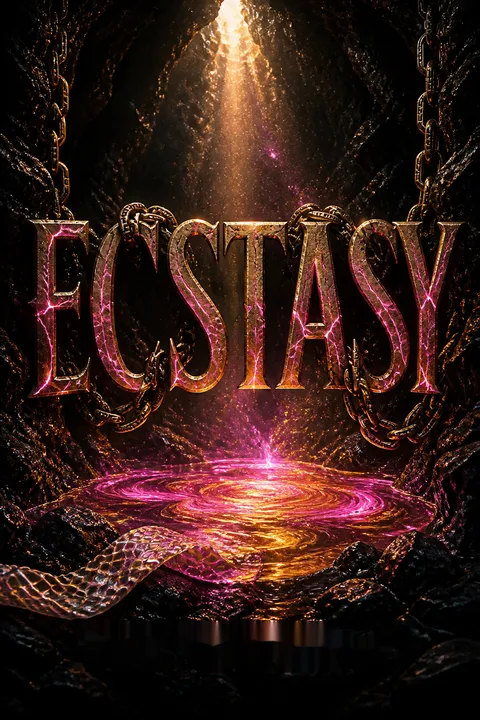

Plot Summary
Mama Ghost's Lure
The novel opens with the voice of Mama Ghost, a legendary female drug dealer and party queen, who has haunted the global rave scene for decades. She is both a provider and a predator, a mother and a monster, holding the power to elevate or destroy. Her narration is a confession and a challenge, inviting the reader into the world of night-long parties, dangerous deals, and the spiritual hunger that drives people to seek transcendence on the dance floor. She is the high priestess of the night, the one who sees through masks and knows the secret desires of her followers. Her presence is everywhere, her influence inescapable, and her story is the dark heartbeat beneath the novel's surface.
Arrival: Old Friends, New Wounds
Lena, a former dancer turned trophy wife, arrives in Greece with her son Drew, his pregnant wife Jordan, and her old friend Hedy. The trip is meant to inaugurate the Agape Villas, a luxury hotel built by Lena's late husband, Stavros. The group's dynamic is fraught: Lena is restless and nostalgic, Hedy is brash and nearly blind, Drew is controlling, and Jordan is coldly competent. The airport is a liminal space, where Lena is touched by a wild, feral woman—an encounter that stirs her longing for lost freedom and the ecstasy of her youth. The group's banter is laced with judgment, regret, and the unspoken wounds of their intertwined histories.
The Agape's Golden Cage
The Agape Villas, perched above a private beach, are the culmination of Stavros's ambitions and Drew's inheritance. The hotel is a masterpiece of curated experience, but for Lena, it is suffocating—a gilded cage that echoes the constraints of her marriage and motherhood. Every detail is managed, every desire anticipated, leaving no room for spontaneity or self-discovery. Lena's suite, named for the muse of dance, is opulent but isolating. The family's dinner is tense, exposing the transactional nature of their relationships and the generational rifts between freedom and control, desire and duty.
Daughters of the Dance
Lena and Hedy's friendship is a lifeline and a mirror. Once wild dancers, they now navigate middle age, loss, and the compromises of adulthood. Their poolside reunion is bittersweet, filled with memories of reckless youth and the ache of what's been surrendered. Hedy, facing blindness, urges Lena to reclaim her vitality, to break free from the roles imposed by men and motherhood. Their banter is laced with envy, affection, and the knowledge that time is running out for bad decisions and wild nights. The specter of the past hovers, urging them toward one last dance.
The Beach's Forbidden Pulse
The hotel's private beach is off-limits, occupied by a group of female squatters led by the enigmatic Luz. Drew, obsessed with control and image, sees them as a threat to his business and legacy. Lena, drawn by the music and the memory of her own wildness, is both repelled and fascinated. The squatters' camp is a world apart—feral, ecstatic, and dangerous. The boundaries between guest and intruder, host and invader, begin to blur, as Lena feels the pull of something ancient and untamed beneath the surface of luxury.
Hedy's Blind Hunger
Hedy's impending blindness is both literal and metaphorical—a loss of sight and a hunger for experience before the lights go out. She seeks out the squatters, hoping for a miracle or a last taste of ecstasy. Luz promises her vision, but at a cost. Hedy's journey into the cave is a descent into the unknown, where pleasure and terror intertwine. Her encounter with the chained, golden man—BaXXus, a modern Dionysus—offers a fleeting, overwhelming clarity, but also the knowledge that all vision is temporary, all ecstasy fleeting.
The Squatters and the Snake
The squatters' camp is a site of ritual and danger. Lena, drawn into their circle, witnesses a primal hunt—a snake threatening a litter of pups, the women's collective violence, and the blurring of human and animal. The boundaries of self dissolve as Lena suckles a pup, is marked by bites and bruises, and feels her heart passed from hand to hand. The camp is a crucible where old identities are stripped away, and new, monstrous selves are born. The women's power is both seductive and terrifying, a force that threatens to consume and liberate.
The Cave's Golden Chains
Luz, once a dealer, now holds BaXXus captive in the cave, having drugged and chained him. His golden blood is the new drug, granting ecstasy and transformation to those who drink. The women, once his followers, now serve Luz, but their devotion is a double-edged sword—empowering and enslaving. The cave is a site of initiation, where Lena, Hedy, and Jordan confront their deepest desires and fears. The god's power is contagious, but also dangerous, threatening to unmake the boundaries between self and other, human and divine.
Monsters We Bear
The novel's central metaphor is the monster within—the child, the addiction, the rage, the hunger that women bear and that can destroy them. Jordan's pregnancy becomes a site of horror, as she feels a literal monster growing inside her, fed by her ambivalence and fear. Drew, shaped by his father's brutality and his mother's submission, becomes a monster of control and violence. Lena, Hedy, and Luz each confront the monsters they have created or become, wrestling with the knowledge that to give birth is to risk destruction.
Drew's Inheritance
Drew's arc is a study in toxic inheritance. He is his father's son—calculating, ruthless, obsessed with order and legacy. His attempts to control the women around him—his mother, wife, and the squatters—are doomed to fail. The more he tightens his grip, the more chaos erupts. His final act—setting fire to the dunes to drive out the squatters—unleashes forces he cannot contain. Drew's downfall is both personal and symbolic, the collapse of patriarchal authority in the face of female power and collective ecstasy.
Fire on the Dunes
Drew's arson is meant to purge the beach of its wildness, but the fire turns against him, consuming the hotel's manicured grounds instead. The women, led by Luz, stand their ground, their power undiminished. The fire is both literal and metaphorical—a cleansing, a punishment, a release. In the chaos, Jordan miscarries, her blood mingling with the golden blood of BaXXus. The boundaries between victim and perpetrator, savior and destroyer, blur. The fire marks the end of the old order and the birth of something new.
Blood and Transformation
In the aftermath of the fire, Lena, Hedy, and Jordan are drawn into a final, ecstatic ritual. Lena is stripped of her skin by the women, reduced to raw muscle and nerve, her old self destroyed. Hedy, given temporary sight, chooses darkness over illusion. Jordan, freed from the monster within, is cleansed in the sea. The women's dance is both a celebration and a sacrifice, a collective unleashing of rage, grief, and desire. The boundaries of self and other dissolve, and the women emerge transformed—wounded, but free.
The Dance of Unleashing
Drew, desperate to reclaim his wife and mother, becomes a literal monster—a bird of prey—only to be torn apart by Lena and the women. The act is both vengeance and liberation, the final severing of patriarchal control. Lena, once caged by motherhood and marriage, becomes the destroyer of her own creation. The women's violence is both horrifying and redemptive, a necessary act to reclaim their power and agency. The dance is the novel's climax—a frenzy of destruction and rebirth.
The End of Control
In the wake of the carnage, the women break camp, the god is left chained, and the survivors—Lena, Jordan, Hedy—confront what remains. The hotel is scarred, the old order shattered. Lena and Jordan, cleansed and bloodied, prepare to return to their lives, changed but not destroyed. Hedy, choosing blindness over false vision, accepts the darkness as her own. Luz, the eternal guide, prepares to move on, her power undiminished. The world has shifted, but the need for ecstasy, for transformation, endures.
Aftermath: What Remains
The survivors reckon with their choices and their complicity. Lena and Jordan will return to their privileged lives, marked by what they have done and what they have lost. The violence and ecstasy of the beach will be relegated to nightmare, a story to be buried beneath the routines of wealth and respectability. Luz, the eternal outsider, knows the party will move, the hunger will persist, and the cycle will begin again. The cost of freedom is high, and the scars are permanent.
Mama Ghost's Farewell
Mama Ghost's voice returns to close the novel, reminding the reader that ecstasy is both a blessing and a curse, a hunger that can never be fully satisfied. She is the guide, the dealer, the conductor, always present at the edge of the dance floor, ready to lead the next generation into the heart of darkness and delight. The story ends as it began—with an invitation and a warning: the night is endless, the dance eternal, and the monsters we bear are always waiting to be unleashed.
Analysis
A modern myth of female ecstasy, rage, and liberationIvy Pochoda's Ecstasy is a ferocious, hallucinatory reimagining of the Dionysian myth, set against the backdrop of luxury tourism, generational trauma, and the global rave scene. The novel interrogates the costs and possibilities of female freedom: what it means to shed the skins of wife, mother, and victim, and to reclaim the wild, monstrous self that patriarchy fears and suppresses. Through its kaleidoscopic structure and visceral prose, the book explores the hunger for ecstasy—not just as pleasure, but as a force of transformation and destruction. The characters' journeys are both personal and archetypal, wrestling with the monsters they bear and the violence required to be free. The novel's lessons are both cautionary and empowering: ecstasy is never safe, liberation is never bloodless, and the dance between control and chaos is eternal. In the end, Ecstasy is a story about the price of awakening, the necessity of rage, and the enduring power of women to unmake and remake the world.
Review Summary
People Also Read


Characters
Lena
Lena is the novel's emotional core—a former dancer whose life has been defined by compromise, first as a failed artist, then as a trophy wife, and finally as a mother to Drew. Her marriage to Stavros offered security but suffocated her spirit. Lena's journey is one of awakening: the trip to Greece, the encounter with the squatters, and the rituals on the beach strip away her layers of repression. She is both victim and perpetrator, nurturing and destructive, longing for ecstasy but terrified of its cost. Her relationship with Hedy is a lifeline to her lost self, while her dynamic with Drew is fraught with guilt, resentment, and the burden of maternal expectation. By the novel's end, Lena is transformed—her old self destroyed, her power reclaimed, but at a terrible price.
Hedy
Hedy is Lena's oldest friend and her opposite—a once-brilliant dancer undone by excess, now facing blindness. Hedy's hunger for sensation and meaning drives her to the edge, seeking miracles and last chances. Her brashness masks vulnerability, and her relationship with Lena is a mix of envy, love, and rivalry. Hedy's descent into the cave and her encounter with BaXXus grant her temporary sight but also reveal the emptiness of fleeting ecstasy. Her final choice—to embrace darkness rather than false vision—marks her as both tragic and wise, a reminder that not all transformations are redemptive.
Drew
Drew is the embodiment of toxic inheritance—the son of a ruthless hotelier, raised to value control, image, and legacy above all. His relationship with Lena is transactional and judgmental; with Jordan, possessive and entitled. Drew's attempts to manage the women around him, to purge the beach of its wildness, and to assert his authority are met with chaos and violence. His final act of arson unleashes forces he cannot contain, and his transformation into a literal monster—only to be destroyed by his mother—completes his arc as both victim and villain of patriarchy.
Jordan
Jordan is Drew's wife, a product of privilege and achievement, determined to control her destiny. Her pregnancy becomes a site of horror, as she feels a monster growing inside her—an embodiment of her ambivalence, fear, and the pressures of expectation. Jordan's journey is one of reckoning: with her own desires, with the legacy of her mother, and with the violence of the world she inhabits. Her miscarriage is both a loss and a liberation, freeing her from the monster within and allowing her to reclaim agency. Her relationship with Lena shifts from rivalry to solidarity, as both women confront the cost of survival.
Luz (Mama Ghost)
Luz is the novel's mythic figure—a drug dealer, party queen, and spiritual guide who has haunted the global rave scene for decades. She is both predator and protector, offering transcendence and destruction in equal measure. Luz's power lies in her ability to see through masks, to manipulate desire, and to orchestrate collective ecstasy. Her relationship with BaXXus is one of rivalry and appropriation—she chains the god, harnesses his power, and becomes the new high priestess. Luz is both a warning and an invitation, the eternal return of the hunger for more.
BaXXus
BaXXus is a modern incarnation of Dionysus—the god of wine, ecstasy, and madness. Chained in the cave, his golden blood becomes the new drug, granting power and transformation to those who drink. He is both victim and manipulator, dependent on the belief of his followers but also the source of their undoing. BaXXus's presence blurs the line between human and divine, pleasure and pain, freedom and enslavement. His captivity at Luz's hands marks a shift in power, but his influence endures, haunting the women and the landscape.
Stavros
Though dead before the novel begins, Stavros's legacy shapes every character. He is the builder of the Agape, the enforcer of control, the model for Drew's ambitions. His marriage to Lena is both a rescue and a prison, offering security at the cost of selfhood. Stavros's death is shrouded in ambiguity—was it a heart attack, or something more sinister? His absence is a void that the characters struggle to fill, and his methods—ruthless, transactional, violent—are both condemned and repeated by his son.
The Squatters (The Maenads)
The group of women occupying the beach are both literal squatters and mythic Maenads—followers of Dionysus, embodiments of wildness and collective power. They are outsiders, refugees, and survivors, united by hunger for ecstasy and freedom. Their rituals are both liberating and violent, offering transformation at the cost of self. They are a threat to the order of the Agape, a challenge to patriarchal control, and a mirror for the desires and fears of the main characters.
Mama Ghost's Followers
The young women who attach themselves to Luz are both her disciples and her victims. They are drawn by the promise of transcendence, but often end up lost, broken, or consumed. Their stories are a warning about the dangers of unchecked desire, the cost of following false prophets, and the hunger for meaning in a world that offers only fleeting highs.
Officer Gabris
The local police officer is a minor but significant character—a representative of order, law, and the limits of authority. He is unable to control the chaos unleashed by the women, the fire, and the collapse of the old order. His presence underscores the novel's themes of powerlessness, complicity, and the failure of institutions to contain the forces of ecstasy and destruction.
Plot Devices
Ecstasy as Transformation and Destruction
The novel's central device is ecstasy—not just as a drug, but as a state of being, a force that can elevate or destroy. The pursuit of ecstasy drives the characters to shed their old selves, to confront their desires and fears, and to risk everything for a taste of transcendence. The rituals on the beach, the consumption of BaXXus's blood, and the collective dances are all vehicles for transformation, but also for violence and loss. Ecstasy is both a blessing and a curse, a hunger that can never be fully satisfied.
Mythic Reimagining and Modernization
The novel reimagines the myth of Dionysus and the Maenads, transposing it onto the modern world of luxury hotels, global tourism, and rave culture. The cave, the golden god, the wild women, and the acts of ritual violence all echo ancient stories, but are given new meaning in the context of female agency, patriarchy, and the search for meaning in a commodified world. The narrative structure weaves between past and present, myth and reality, using foreshadowing and doubling to blur the boundaries between the ordinary and the extraordinary.
Multiperspectival Narration and Unreliable Memory
The story unfolds through multiple voices—Lena, Hedy, Drew, Jordan, Luz—each offering a different perspective on the events. Memory is unreliable, time is fluid, and the boundaries between dream, hallucination, and reality are porous. The use of "Before" sections, flashbacks, and dream sequences creates a sense of disorientation, mirroring the characters' own loss of control. The reader is invited to question what is real, what is imagined, and what is mythic truth.
Ritual, Violence, and the Shedding of Skin
The novel's climactic scenes are structured as rituals—dances, hunts, sacrifices—where the characters are stripped of their old identities and reborn. The acts of violence—against the snake, the bird, Drew—are both literal and symbolic, marking the end of control and the unleashing of female power. The shedding of skin, the passing of the heart, and the consumption of blood are all devices that dramatize the cost and necessity of transformation.
The Hotel as Microcosm and Prison
The Agape Villas are both a symbol of patriarchal achievement and a site of confinement. The hotel's curated perfection is a mask for the violence and chaos beneath. The lockdown of Lena's suite, the surveillance, and the rituals of service all underscore the theme of control versus freedom. The hotel is a stage on which the characters perform their roles, but also a prison from which they must escape to reclaim their selves.
Download PDF
Download EPUB
.epub digital book format is ideal for reading ebooks on phones, tablets, and e-readers.








































