
Plot Summary
Hot Pink Beginnings
Clara Kallis, a successful Black British author, basks in the glow of her bestselling novel, Evidence. At a glamorous book event, she is lauded for her sharp wit and magnetic presence, but beneath the surface, Clara is unsettled. The novel, a blend of autofiction and speculative narrative, is her attempt to make sense of her fractured family history and the mysterious disappearance of her mother, Serene. As she navigates the literary world's expectations and the pressures of visibility, Clara's sense of self is both empowered and destabilized by her public persona. The chapter sets the stage for a story where reality and fiction blur, and where the search for truth is as much about survival as it is about storytelling.
The Ghost in Selfridges
On her thirtieth birthday, Clara is shaken by a surreal encounter: she sees her long-dead mother, Serene, shoplifting in Selfridges. The sighting is so vivid and uncanny that it throws Clara into a spiral of doubt and longing. She follows the woman through the city, convinced of her identity despite the impossibility—Serene should be dead, her body found decades ago. This encounter reignites old wounds and obsessions, compelling Clara to confront the unresolved trauma of maternal loss. The city's heat and the unreality of the moment blur the boundaries between past and present, memory and hallucination, setting the novel's central mystery in motion.
Sisters Divided, Sisters Bound
Clara's twin, Dempsey, is skeptical of her sister's claims. Their relationship is fraught with rivalry, resentment, and a deep, unspoken bond. Dempsey, the less glamorous and more anxious of the two, struggles with feelings of inferiority and abandonment. The sisters' childhoods diverged after adoption: Clara was chosen by a well-off family, while Dempsey was left behind, later adopted by a single father. Their monthly visits were awkward, marked by difference and longing. Now, as adults, their connection is tested by Clara's obsession with their mother's return, and Dempsey's need for stability and validation. The chapter explores the complexities of sisterhood, the pain of being "the other twin," and the ways trauma shapes identity.
The Mother Returns
Clara's pursuit leads her to a flat that mirrors a childhood photograph, where she confronts Serene—alive, unchanged, and as enigmatic as ever. Their reunion is violent and tender, filled with accusation, longing, and the raw need for answers. Serene is both familiar and alien, a mother who is at once nurturing and dangerous. The encounter destabilizes Clara's sense of reality, as Serene's presence seems to defy time and logic. The chapter delves into the psychological impact of maternal absence and the desperate desire for reconciliation, even when the past cannot be undone.
Evidence and Inheritance
Through letters, photographs, and memories, the sisters piece together the story of Serene's life and disappearance. Serene's own voice emerges, revealing her struggles with motherhood, mental illness, and the crushing weight of expectation. The narrative weaves between past and present, showing how trauma is inherited and how the stories we tell about our origins can both heal and harm. The chapter interrogates the reliability of memory, the construction of personal myth, and the ways in which daughters inherit their mothers' wounds and strengths.
The First-Choice Twin
Clara reflects on her childhood as the "chosen" twin, adopted by Claudette and Adolphus, who saw her as special and full of potential. Dempsey, left behind, was always the "other," marked by illness and difference. The sisters' divergent upbringings shaped their self-perceptions and their relationship to beauty, success, and belonging. Clara's adoptive mother, Claudette, imposed strict standards of appearance and behavior, reinforcing the idea that survival depends on assimilation and self-control. The chapter explores the psychological cost of being chosen—and of being left behind.
Hair, Hurt, and Home
A pivotal childhood memory surfaces: Claudette's attempt to "fix" Dempsey's hair with a harsh relaxer, resulting in pain, humiliation, and a rupture between families. The incident becomes a symbol of the sisters' different paths and the violence of assimilation. Dempsey's sense of self is further eroded by the experience, while Clara internalizes the lesson that beauty is a form of protection. The chapter examines the intersection of race, gender, and class, and the ways in which Black girls are taught to navigate a world that is hostile to their bodies and identities.
The Book That Binds
Clara's novel, Evidence, becomes a site of contention and connection. Dempsey resents the way their shared trauma is mined for art, while Clara insists on the necessity of telling the truth, however painful. The boundaries between fiction and reality blur as the sisters discover that Serene's letters and stories echo the novel's plot. The question of authorship—who owns the story of their family—becomes central. The chapter explores the ethics of storytelling, the hunger for recognition, and the dangers of conflating art with life.
Serene's Many Faces
Serene is a shape-shifter: sometimes nurturing, sometimes predatory, always elusive. She moves through the city, stealing, seducing, and surviving by her wits. Her relationships—with men, with her daughters, with herself—are marked by hunger and absence. As the sisters investigate her past, they encounter conflicting accounts and evidence, raising questions about identity, authenticity, and the possibility of redemption. Serene's presence forces Clara and Dempsey to confront their own capacity for deception and self-invention.
Retreats and Revelations
Dempsey attends a women's retreat led by the enigmatic Dr. Rayna Panelli, seeking solace and transformation. The retreat is both a parody and a genuine attempt at healing, filled with rituals, confessions, and group dynamics that mirror the sisters' struggles. Dempsey's journey is one of self-acceptance, but also of disillusionment, as the retreat's promises prove as slippery as the stories she tells herself. The chapter explores the commodification of wellness, the longing for community, and the difficulty of escaping one's own patterns.
Family, Fantasy, Fraud
The sisters, aided by a private investigator/sangoma, Veronica, attempt to unmask Serene's true identity. They gather evidence, confront old caretakers, and revisit childhood traumas. The investigation reveals as much about their own desires and fears as it does about Serene. The boundaries between victim and perpetrator, truth and lie, blur. The family's history is revealed as a palimpsest of fantasy, fraud, and survival. The chapter culminates in a confrontation that is both cathartic and destabilizing, as the sisters realize that closure may be impossible.
The Catch in the Timeline
As the sisters piece together the timeline of their conception and Serene's disappearance, they are drawn into a metaphysical dilemma: to prevent their own suffering, they must prevent their own birth. With the help of Veronica, they attempt to disrupt the cycle, risking their own existence. The narrative becomes increasingly surreal, as time folds in on itself and the sisters confront the possibility of undoing their own story. The chapter explores the paradoxes of agency, destiny, and the desire to rewrite the past.
Drowning in the Past
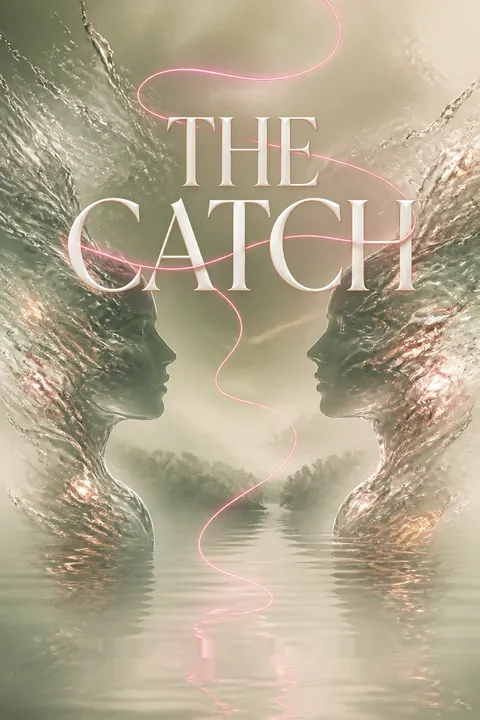
In a climactic scene by the river, Clara and Dempsey confront Serene, demanding answers and retribution. The confrontation is violent, emotional, and ultimately unresolved. The sisters are forced to reckon with the impossibility of perfect closure, the persistence of longing, and the necessity of letting go. In a moment of magical realism, they dissolve into the water, their existence unspooling as the timeline resets. The chapter is a meditation on grief, forgiveness, and the cost of loving too fiercely.
The Undoing Spell
The narrative fractures into multiple possible endings: the sisters die as children, Serene is institutionalized, the story is revealed as pure invention. Each ending offers a different resolution—or lack thereof—to the family's trauma. The multiplicity of outcomes underscores the instability of truth and the power of narrative to both heal and harm. The sisters' disappearance is both a tragedy and a liberation, freeing Serene to live anew, but at the cost of their own existence.
Alternate Endings
The story is retold in a series of alternate versions, each more fantastical or mundane than the last. The sisters' fate is uncertain: perhaps they drowned, perhaps they never existed, perhaps they are metaphors. The chapter satirizes the demand for neat resolutions and the impossibility of ever fully knowing the truth. The act of storytelling itself becomes the final "catch"—a way to hold on and to let go, to make meaning out of chaos.
Becoming Real, Becoming Gone
In the aftermath, Serene inherits the life her daughters have vacated. She steps into the role of author, public figure, and survivor, haunted by the memory of the twins. The boundaries between self and other, past and present, are forever blurred. The story ends with a meditation on the impossibility of perfect closure, the necessity of self-invention, and the enduring power of love and loss.
Motherland Rewritten
The final chapter returns to the beginning: a woman onstage, telling her story, fielding questions about motherhood, trauma, and the meaning of it all. The audience is full of ghosts, doubles, and echoes. The story is both hers and not hers, both true and invented. The act of storytelling is revealed as both a curse and a blessing—a way to survive, to connect, and to become real, if only for a moment.
Analysis
A modern fable of Black womanhood, trauma, and the power of narrativeThe Catch is a dazzling, disorienting exploration of family, identity, and the stories we tell to survive. Yrsa Daley-Ward weaves together autofiction, magical realism, and psychological drama to interrogate the legacies of abandonment, the hunger for recognition, and the dangers of conflating art with life. The novel refuses easy answers, instead offering a kaleidoscopic portrait of women caught between worlds—between past and present, self and other, truth and invention. At its heart, The Catch is about the impossibility of perfect closure: the ways in which trauma is inherited, rewritten, and sometimes, mercifully, dissolved. The sisters' journey is both a literal and metaphorical attempt to break the cycle, to become real by letting go. The novel's refusal of a single, authoritative ending is its greatest strength, inviting readers to sit with ambiguity, to question the stories they inherit, and to imagine new ways of being. In a world obsessed with evidence and authenticity, The Catch reminds us that sometimes, the only way to survive is to rewrite the script—and to accept that every story, no matter how true, is also a kind of spell.
Review Summary
People Also Read








Characters
Clara Kallis
Clara is the novel's protagonist: a successful Black British writer whose public persona masks deep wounds. Adopted as the "first-choice twin," she is driven by a need for recognition, validation, and control. Her relationship with her twin, Dempsey, is fraught with rivalry and longing. Clara's obsession with her missing mother, Serene, propels the narrative, blurring the lines between fiction and reality. She is both victim and perpetrator, capable of cruelty and tenderness. Her journey is one of self-discovery, as she confronts the limits of storytelling, the inheritance of trauma, and the impossibility of perfect closure.
Dempsey Nichelle Elizabeth Campbell
Dempsey is Clara's twin, marked by a lifetime of being "the other." Adopted later, she struggles with feelings of inferiority, abandonment, and shame. Dempsey's coping mechanisms—self-help, wellness retreats, compulsive behaviors—reflect her desperate need for stability and love. Her relationship with Clara is ambivalent: she resents her sister's success but craves her approval. Dempsey's journey is one of gradual self-acceptance, as she learns to assert her own voice and claim her own story, even as she is drawn into Clara's obsessions.
Serene Marie Nkem Droste
Serene is the absent/present mother whose disappearance haunts her daughters. She is a shape-shifter: sometimes nurturing, sometimes predatory, always enigmatic. Her life is marked by trauma, survival, and a refusal to be pinned down. Serene's relationships—with men, with her daughters, with herself—are characterized by hunger, absence, and self-invention. She is both a victim of circumstance and an agent of chaos, embodying the novel's themes of inheritance, loss, and the power of narrative to both wound and heal.
Claudette Kallis
Claudette is Clara's adoptive mother, a light-skinned Jamaican woman obsessed with appearances, assimilation, and upward mobility. She imposes strict standards of beauty and behavior, teaching Clara that survival depends on self-control and conformity. Claudette's relationship with Dempsey is marked by disdain and distance. She represents the pressures faced by Black women to perform respectability, and the violence that can result from internalized racism and classism.
Kendrick Lewis
Kendrick is Dempsey's adoptive father, a councilor whose own traumas and limitations shape his parenting. His relationship with Dempsey is complex: he is both caring and neglectful, present and absent. The novel hints at a boundary-crossing relationship between Kendrick and Dempsey, complicating the narrative of victimhood and agency. Kendrick embodies the failures of the systems meant to protect vulnerable children, and the ways in which love and harm can coexist.
Marcus/Abbé
Marcus, also known as Abbé in the narrative, is a musician and neighbor who becomes entangled with both sisters and Serene. He is charming, enigmatic, and deeply wounded, struggling with addiction and a sense of rootlessness. Marcus represents the allure and danger of escape, the desire to be seen and saved, and the impossibility of perfect connection. His relationships with the women are marked by projection, fantasy, and mutual need.
Veronica the Sangoma
Veronica is a private investigator and self-proclaimed sangoma (spiritual healer) who aids the sisters in their quest to uncover Serene's true identity. She is both comic relief and a source of wisdom, blending practical investigation with mystical insight. Veronica's presence underscores the novel's themes of belief, skepticism, and the search for meaning in a world where truth is elusive.
Emma West
Emma is Clara's literary agent, a young, tattooed woman who represents the publishing industry's hunger for "diverse" stories. She is both supportive and opportunistic, facilitating Clara's rise while also embodying the superficiality and commodification of identity. Emma's relationship with Clara is transactional, highlighting the tensions between art, commerce, and authenticity.
Dr. Rayna Panelli
Dr. Rayna is the leader of the women's retreat Dempsey attends. She is a guru figure, blending genuine insight with self-promotion and manipulation. Rayna's methods are both healing and exploitative, reflecting the commodification of wellness and the hunger for transformation. Her relationship with Dempsey is marked by transference, projection, and the search for maternal guidance.
Simeon
Simeon is Serene's former partner, a small-time criminal who aids and exploits her in equal measure. He is both a source of information and a threat, embodying the dangers of dependency and the blurred lines between love and exploitation. Simeon's presence complicates the sisters' quest for truth, revealing the ways in which survival can necessitate moral compromise.
Plot Devices
Blurring of Fiction and Reality
The novel's central device is the collapse of boundaries between fiction and reality. Clara's novel, Evidence, is both a record and a rewriting of her family's history. Letters, photographs, and memories echo the novel's plot, raising questions about authorship, authenticity, and the ethics of storytelling. The characters' attempts to uncover the truth are continually undermined by the slipperiness of memory and the power of narrative to both reveal and obscure.
Time Loops and Alternate Timelines
The sisters' quest to prevent their own suffering leads them to attempt to disrupt the timeline of their conception, risking their own existence. The narrative becomes increasingly surreal, as time folds in on itself and multiple possible endings are presented. This device underscores the paradoxes of agency and fate, and the desire to rewrite the past.
Magical Realism and Hauntings
Serene's reappearance is both literal and symbolic: she is a ghost, a con artist, a mother, and a myth. The novel employs elements of magical realism—doppelgängers, time travel, dissolving bodies—to explore the psychological impact of trauma and the persistence of longing. The boundaries between the living and the dead, the real and the imagined, are continually blurred.
Metafiction and Self-Referentiality
The novel is deeply self-aware, frequently commenting on its own construction and the act of storytelling. Characters debate the ethics of mining personal trauma for art, the commodification of identity, and the impossibility of perfect closure. The narrative's multiple endings and refusal of neat resolution highlight the limitations and possibilities of fiction.
Doubling and Twinning
The motif of twins recurs throughout the novel, symbolizing the divided self, the longing for connection, and the impossibility of perfect unity. Clara and Dempsey are both mirrors and foils, their relationship marked by love, envy, and mutual incomprehension. Serene, too, is doubled: she is both mother and stranger, victim and perpetrator, real and unreal.
Download PDF
Download EPUB
.epub digital book format is ideal for reading ebooks on phones, tablets, and e-readers.








































