
Plot Summary
Twin Promises Under Stars
Ivy and Fern, identical twins with opposite personalities, share a bedroom and a future full of dreams. Fern, the planner, reads her "Fuck It List" aloud—an audacious roadmap for living fully, from monster-hunting to falling in love. Ivy, the free spirit, promises to join her, their pinkies entwined under glow-in-the-dark stars. Their bond is fierce, forged in the fires of a broken home and a mother's depression. Fern's list becomes their shared hope, a promise to never be complacent, to always chase adventure, and to change someone's life for the better. In this moment, the sisters are invincible, believing that together, they can conquer anything the world throws at them.
Ashes, Lists, and Loss
Seven years later, Ivy is alone, Fern's ashes riding shotgun in her battered car. Fern's death from cancer has left Ivy adrift, clutching the list as both anchor and burden. With her mother in care and her own life in shambles, Ivy drops out of college and sets out to fulfill Fern's dreams—one last road trip before a job in Romania. She's lost, literally and figuratively, in the Appalachian Mountains, her phone dead, her sense of direction hopeless. When a dark figure appears on the road, Ivy's car crashes, and she's forced to confront her fears in the woods, haunted by Fern's stories and her own loneliness. The list is all she has left, and she's determined not to let her sister down.
A Grumpy Stranger's Rescue
After a harrowing night in the forest, Ivy is rescued by Leo, a brooding, sharply dressed stranger with a hidden softness. Their first meeting is a comedy of errors—rice thrown in his face, mutual suspicion, and undeniable chemistry. Leo, annoyed yet concerned, helps Ivy find shelter, pays for her repairs, and disappears, convinced they'll never meet again. Ivy, meanwhile, is left with a sense of unfinished business and a growing curiosity about the man who both infuriates and intrigues her. Their encounter is brief but electric, setting the stage for a series of accidental reunions and the unraveling of both their carefully guarded lives.
Small Town, Big Secrets
Ivy finds herself stranded in Ashford Falls, a quirky, revitalized town owned by the Kingsley family. As she navigates odd jobs and the kindness of strangers, she's drawn into the town's rhythms—colorful shops, eccentric locals, and the ever-present legend of the Phantom. Ivy's grief is a constant companion, but the town's warmth and the memory of Fern's adventurous spirit begin to thaw her defenses. She learns about the Kingsleys' eco-friendly empire and their deep ties to the community. The town, with its blend of old wounds and new hope, becomes a character in its own right, offering Ivy a chance at belonging she never expected.
The Phantom's Shadow
The Kingsley family's history is entwined with the Phantom, a mythical figure who once cursed the town for its environmental sins. Leo, the eldest son, is haunted by both the legend and a personal trauma—a factory explosion that killed sixty-three workers, a number eerily echoed in the Phantom's curse. The annual Phantom Festival looms, and Leo is reluctantly thrust into planning it, a task he dreads. Ivy, meanwhile, is fascinated by the town's stories and the way the past lingers in every corner. Both are haunted by ghosts—literal and metaphorical—and must confront the ways history shapes their present.
Fake Fiancée, Real Sparks
A hospital emergency throws Ivy and Leo together again, and a white lie spirals out of control: Leo claims Ivy is his secret girlfriend to avoid a family setup. Suddenly, Ivy is swept into the Kingsley family's orbit as Leo's fake fiancée. The arrangement is transactional—she needs money, he needs to convince his family he's ready for more responsibility. But as they navigate family dinners, small-town gossip, and the rules of their "relationship", the line between pretense and reality blurs. Their banter is electric, their chemistry undeniable, and both are forced to confront desires and vulnerabilities they've long suppressed.
Family Dinners and Deceptions
Ivy is welcomed into the Kingsley clan, a whirlwind of brothers, pets, and parental meddling. Family dinners are chaotic, filled with inappropriate questions, old wounds, and unexpected warmth. Ivy's quick wit and authenticity win over even the most skeptical relatives, but the charade grows harder to maintain. Leo, used to control and solitude, finds himself both comforted and unsettled by Ivy's presence. Their fake engagement becomes a crucible, forcing them to reveal truths about themselves and each other. The family's love is both a blessing and a pressure, as secrets threaten to unravel the fragile peace they've built.
Brat Meets Daddy
The dynamic between Ivy and Leo shifts from playful antagonism to something deeper and more dangerous. Ivy's bratty provocations awaken a side of Leo he's long buried—a need for control, a desire to dominate, and a vulnerability he fears. Their flirtation becomes a game of push and pull, with Ivy testing boundaries and Leo struggling to maintain his composure. The "Daddy" kink emerges, not as a joke but as a genuine expression of trust and longing. Their intimacy is both healing and terrifying, as they navigate the minefield of past trauma, present desire, and the risk of real emotional connection.
Festival Chaos Unleashed
As the Phantom Festival approaches, Ivy and Leo are swept up in a whirlwind of preparations, mishaps, and escalating feelings. Ivy's organizational genius shines, but her grief and fear of attachment threaten to sabotage her happiness. Leo, meanwhile, is forced to confront his own demons—his guilt, his need for control, and his growing love for Ivy. The festival becomes a crucible, with runaway ponies, family drama, and public confessions pushing both to their limits. When Leo disappears to face his childhood trauma in the mines, Ivy must choose between following the list and following her heart.
Confessions in the Dark
Trapped in the mine, Leo confronts his deepest fears and the ghosts of his past. Ivy, risking everything, leads a rescue mission, and their reunion is raw and cathartic. Both confess the truths they've been hiding—about love, loss, and the ways they've tried to protect themselves from pain. The list, once a source of comfort, is revealed as both a guide and a crutch. Together, they realize that healing means letting go—not just of the past, but of the need to control the future. Their love, forged in crisis, becomes a new kind of promise.
Facing Fears Together
With the festival behind them and Fern's ashes still unscattered, Ivy and Leo return to the waterfall, the site of so many of Fern's dreams. In a bittersweet ceremony, Ivy finally lets go, honoring her sister's memory and embracing the pain and beauty of grief. Leo, too, releases his guilt, accepting that he cannot atone for every mistake but can choose to live fully in the present. Their journey is not about erasing the past but integrating it, finding strength in vulnerability and hope in each other. Together, they face the unknown, ready to write a new story.
Letting Go, Holding On
As Ivy prepares to leave for Romania, both are torn between duty and desire. The list is nearly complete, but the future is uncertain. In a moment of courage, Leo chooses love over fear, offering to follow Ivy wherever her dreams take her. Their reunion at the airport is a testament to growth—no longer bound by old patterns, they choose each other, not as a distraction from pain but as partners in adventure. The list, once a roadmap, becomes a relic, replaced by a new commitment: to make their own rules, together.
Love Beyond the List
Years later, Ivy and Leo have built a life rooted in love, growth, and mutual support. Ivy's event planning business flourishes, and Leo finds balance between ambition and joy. Their relationship, once a performance, is now a partnership—equal parts passion, play, and deep respect. The ghosts of the past are not forgotten, but they no longer dictate the future. Together, they honor Fern's legacy by living fully, loving fiercely, and embracing the messiness of real life. Their story is not about perfection, but about choosing each other, again and again.
New Beginnings, Old Ghosts
The town of Ashford Falls thrives, its wounds healed by the courage of those who dared to change. The Phantom Festival becomes a symbol of transformation, honoring both the pain and the promise of the past. Ivy and Leo's love story inspires others to take risks, to forgive, and to believe in second chances. The bench dedicated to Fern stands as a testament to the power of memory and the importance of letting go. In the end, the true adventure is not in the list, but in the willingness to keep dreaming, together.
The Heart's True Home
Ivy and Leo's journey comes full circle as they find home not in a place, but in each other. Their love is messy, imperfect, and utterly real—a safe haven in a world of uncertainty. They continue to chase new dreams, write new lists, and support each other through every twist and turn. The lessons of the past are woven into the fabric of their lives, a reminder that healing is ongoing and that love is the greatest adventure of all. Together, they face whatever comes next, knowing that as long as they have each other, they are home.
Epilogue: After the List
Three years later, Ivy and Leo are celebrated for their impact and innovation, their love story now legend in Ashford Falls and beyond. Ivy's business thrives, Leo finds peace in partnership, and together they continue to honor Fern's memory by living boldly. Their relationship, once born of grief and pretense, is now a beacon of hope—a testament to the power of vulnerability, the importance of letting go, and the magic of choosing love, every single day.
Analysis
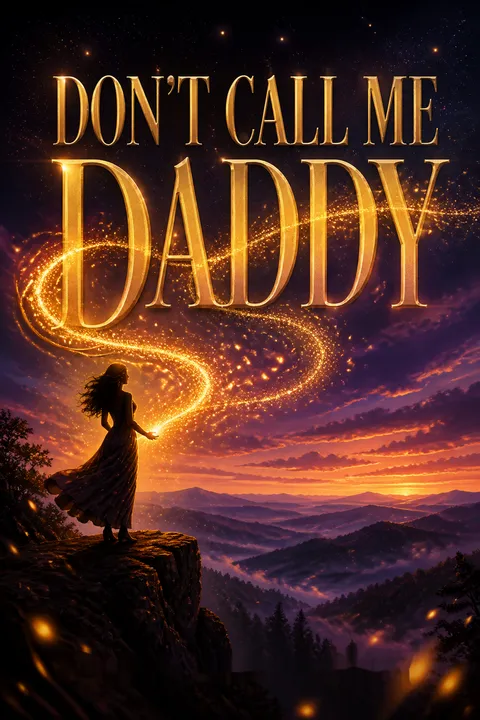
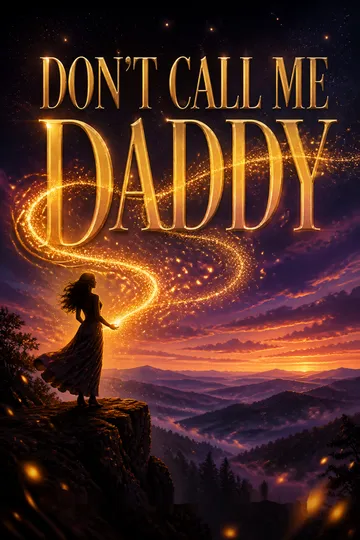
Don't Call Me Daddy is a contemporary romance that uses the conventions of the genre—fake relationships, small-town charm, opposites attract—to tell a much deeper story about grief, trauma, and the messy, nonlinear process of healing. At its core, the novel is about the tension between holding on and letting go: Ivy clings to her sister's list as a way to keep Fern alive, while Leo is shackled by guilt and the need for control. Their journey together is both a literal and metaphorical adventure, as they confront old wounds, challenge each other's defenses, and learn to trust in the possibility of joy after loss. The novel's use of kink is not just titillation but a nuanced exploration of power, vulnerability, and the ways desire can be both a wound and a salve. The small-town setting, with its blend of history, legend, and community, provides a rich backdrop for the characters' transformation, illustrating the importance of belonging and the healing power of connection. Ultimately, the book argues that love is not about erasing the past or finding someone to "fix" you, but about choosing, again and again, to show up—messy, imperfect, and real. The list, once a roadmap for survival, becomes a springboard for new dreams, reminding readers that the true adventure is not in checking boxes, but in daring to write your own.
Review Summary
Don't Call Me Daddy receives mixed reviews with a 3.9/5 rating. Readers enjoy the age-gap, fake engagement romance between Ivy and Leo, praising their chemistry, humor, and spice level. Many appreciate the daddy/brat dynamic and character growth. However, common criticisms include the book being too long (needing 100 fewer pages), unbelievable plot points (like outrageous work events), confusing writing with skipped descriptions, and the FMC coming across as entitled rather than bratty. Several readers struggled with pacing issues and excessive smut overshadowing emotional depth.
People Also Read

Characters
Ivy Lane
Ivy is a free-spirited, impulsive woman haunted by the loss of her twin, Fern. Her journey is one of transformation—from drifting through life in Fern's shadow to forging her own path. Ivy's grief is raw, her humor a shield, and her loyalty fierce. She is both caretaker and chaos-bringer, drawn to adventure but terrified of attachment. Her relationship with Leo awakens desires and vulnerabilities she's long suppressed, forcing her to confront her fear of loss and her need for control. Through love, Ivy learns to let go—not just of Fern, but of the belief that she must always be the strong one. Her arc is one of healing, self-acceptance, and the courage to choose her own happiness.
Leo Kingsley
Leo is the eldest Kingsley son, burdened by guilt, perfectionism, and the weight of family legacy. Traumatized by a tragic accident and a failed relationship, he hides behind work, rules, and emotional distance. His "Daddy" kink is both a source of shame and a path to intimacy, awakened by Ivy's brattiness and vulnerability. Leo's journey is about relinquishing control, embracing imperfection, and allowing himself to be loved. His relationship with Ivy is a crucible, forcing him to confront his deepest fears and desires. Through her, he learns that true strength lies in vulnerability, and that love is not about control, but about trust and surrender.
Fern Lane
Fern is Ivy's late twin, the planner and dreamer whose "Fuck It List" drives the narrative. Though physically absent, Fern's presence is felt in every chapter—her voice in Ivy's head, her list a roadmap for healing. Fern represents both the pain of loss and the hope of new beginnings. Her legacy is one of courage, curiosity, and the insistence that life is meant to be lived fully. Through Fern, the novel explores the complexities of grief, the power of memory, and the ways the dead continue to shape the living.
Mary Kingsley
Mary is Leo's mother, a force of nature whose warmth and eccentricity anchor the Kingsley clan. She is both comic relief and emotional ballast, orchestrating family gatherings, matchmaking, and the Phantom Festival with equal zeal. Mary's love is unconditional, her intuition sharp, and her acceptance of Ivy immediate. She represents the healing power of chosen family and the importance of community in overcoming trauma.
Frank Kingsley
Frank is the founder of Kingsley Industries and the moral center of the family. His leadership is marked by humility, generosity, and a commitment to making the world better. Frank's relationship with Leo is complex—pride mixed with disappointment, love tempered by high expectations. He is the catalyst for Leo's growth, challenging him to balance ambition with compassion. Frank's retirement and passing of the torch symbolize the importance of legacy and the courage to let go.
Roman Kingsley
Roman is the glue that holds the Kingsley siblings together, often playing mediator and confidant. He is supportive, witty, and more perceptive than he lets on. Roman's willingness to take on extra burdens for the family, and his eventual acceptance of new roles, reflect the novel's themes of flexibility and growth. He is both a foil and a mirror for Leo, embodying the possibility of change without losing oneself.
Guy Kingsley
Guy is the irreverent, unpredictable Kingsley brother, always ready with a joke or a scheme. His antics provide levity, but his loyalty to family is unwavering. Guy's willingness to step up in moments of crisis reveals a depth beneath the bravado. He represents the importance of humor in healing and the value of not taking life—or oneself—too seriously.
Luka Kingsley
Luka is the daredevil of the family, always chasing the next thrill. His relationship with Ivy is playful, marked by mutual respect and a shared love of chaos. Luka's willingness to help, even when reluctant, underscores the strength of family bonds. He is a reminder that courage often means showing up, even when afraid.
Jett Kingsley
Jett is the most enigmatic Kingsley brother, marked by distance and a complicated past. His trauma from childhood, particularly the night in the mines, shapes his interactions with the family. Jett's eventual willingness to help rescue Leo signals healing and the possibility of reconciliation. He embodies the novel's exploration of how old wounds can be transformed through connection and forgiveness.
The Phantom
The Phantom is both a literal and metaphorical presence, haunting Ashford Falls and the Kingsley family. As a legend, he represents the consequences of environmental neglect and the power of myth to shape identity. As a symbol, the Phantom embodies the novel's themes of facing the past, breaking curses, and choosing to create something better. His story is a reminder that healing requires both reckoning and hope.
Plot Devices
The "Fuck It List"
Fern's list is the novel's central plot device, driving Ivy's journey and structuring the narrative. It serves as both a literal checklist and a metaphor for the process of healing—each item a challenge to confront fear, embrace adventure, and honor the past. The list's presence is a constant reminder of Fern's influence, but its eventual loss and completion signal Ivy's readiness to move forward. The list is both a tether and a launching pad, illustrating the tension between holding on and letting go.
Fake Relationship Trope
The fake engagement between Ivy and Leo is a classic romance device, used here to explore themes of vulnerability, trust, and the blurred line between performance and authenticity. The arrangement forces both characters to confront their defenses, revealing hidden desires and old wounds. As the pretense becomes reality, the device allows for both comedic misunderstandings and deep emotional revelations, culminating in genuine intimacy.
Small Town as Character
Ashford Falls is more than a backdrop—it is a living, breathing entity that shapes the characters' journeys. The town's history, legends, and community rituals provide both obstacles and opportunities for growth. The annual Phantom Festival, the quirky shops, and the interconnectedness of its residents create a sense of belonging that Ivy and Leo both crave. The town's transformation mirrors the characters' own, reinforcing the novel's message that healing is a communal as well as personal process.
Trauma and Healing
Both Ivy and Leo are haunted by trauma—grief, guilt, and the fear of loss. The novel uses flashbacks, confessions, and symbolic settings (the mine, the waterfall) to explore the ways the past lingers. Healing is depicted as nonlinear, requiring both confrontation and acceptance. The characters' willingness to face their fears—literally and figuratively—becomes the catalyst for transformation, illustrating the power of vulnerability and the necessity of letting go.
Power Dynamics and Kink
The Daddy/brat dynamic between Ivy and Leo is not just erotic but deeply psychological. It becomes a safe space for both to explore control, surrender, and the wounds of the past. The kink is handled with nuance, showing how play can be both healing and risky. The negotiation of boundaries, the use of safe words, and the emphasis on consent all reinforce the novel's themes of trust and mutual respect. The dynamic is not a cure-all, but a tool for self-discovery and connection.
Foreshadowing and Symbolism
The Phantom legend, the recurring number sixty-three, and the scars both Ivy and Leo bear are woven throughout the narrative as symbols of the past's grip and the possibility of breaking free. The festival, the mine, and the waterfall serve as stages for key confrontations and turning points. The use of lists, letters, and rituals (sprinkling ashes, building a bench) provide structure and meaning, reinforcing the novel's exploration of legacy, memory, and the courage to choose a new path.
Ashford Falls Series
Download PDF
Download EPUB
.epub digital book format is ideal for reading ebooks on phones, tablets, and e-readers.








































