
Plot Summary
City Girl Returns Home
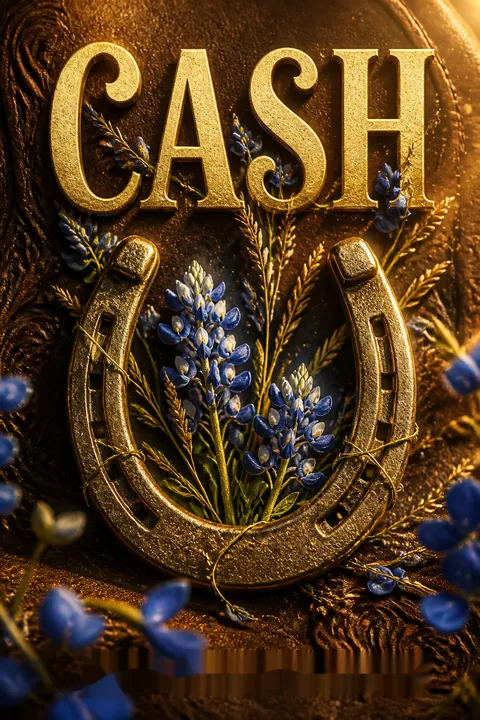
Mollie Luck, a driven Dallas entrepreneur, returns to her rural Texas hometown after her father's death, expecting a quick inheritance. Instead, she's thrust back into a world of dust, heat, and cowboys, including the brooding Cash Rivers, her father's loyal foreman. Mollie's city polish clashes with the ranch's rugged reality, and her unresolved grief over her distant father simmers beneath every interaction. The town's slow pace and the ranch's sprawling beauty are both alien and oddly familiar, stirring up childhood memories and regrets. Mollie's arrival is met with suspicion and resentment, especially from Cash, who believes he's the rightful heir. As she steps into her father's world, Mollie is forced to confront the pain of their fractured relationship and the daunting legacy he left behind.
The Will's Wild Stipulation
At the reading of her father's will, Mollie is blindsided: she can only inherit the ranch and fortune if she lives and works on Lucky Ranch for a full year. Cash, who was promised the ranch verbally, is furious and feels betrayed. The stipulation is a test neither expected, binding them together in reluctant partnership. Mollie's dreams of a quick escape and a financial windfall are dashed, replaced by the prospect of a year in a place she never wanted to call home. The will's terms ignite old wounds and new animosities, setting the stage for a battle of wills between city girl and cowboy. Both are forced to reevaluate what they want—and what they're willing to fight for.
Cowboys and Clashing Wills
Mollie and Cash's mutual resentment boils over as they're forced to work side by side. Cash, fiercely loyal to the land and his found family, sees Mollie as an outsider who doesn't deserve the ranch. Mollie, desperate to save her struggling boot company, is determined to endure the year, no matter how unwelcome she feels. Their daily clashes are laced with sarcasm, stubbornness, and a simmering attraction neither will admit. The ranch's staff and Cash's boisterous brothers watch the drama unfold, torn between loyalty and curiosity. As Mollie stumbles through ranch chores and Cash tries to sabotage her resolve, both begin to see past their assumptions—and glimpse the pain and longing beneath each other's armor.
Grief, Grit, and Goodbyes
Mollie's grief over her father's death is complicated by anger and regret. She mourns not just the man, but the relationship they never had. Cash, too, is haunted by loss—of his parents, his dreams for Rivers Ranch, and now the future he thought he'd have at Lucky Ranch. Their shared sorrow becomes a quiet bond, even as they push each other's buttons. Mollie's mother, Aubrey, pressures her to return to Dallas, while Cash's brothers urge him to fight for the ranch. Both are caught between past and future, family and ambition, and the ache of what might have been.
Enemies at the Ranch
Forced proximity and the demands of ranch life begin to erode Mollie and Cash's animosity. Mollie's determination impresses the staff, and Cash grudgingly admits she's tougher than he thought. They navigate disasters—runaway horses, stubborn cattle, and the relentless Texas heat—learning to rely on each other. Small moments of kindness and shared laughter crack their defenses. The ranch's rhythms—meals, chores, and community—draw Mollie in, awakening a sense of belonging she never expected. Cash, meanwhile, is forced to confront his own vulnerability and the possibility that Mollie might be more than just a city girl out of her depth.
Forced to Stay
Legal challenges to the will fail, and Mollie is stuck. Her business teeters on the brink, and the only way to save it is to endure the ranch's trials. Cash, unable to walk away from the land or his brothers, must swallow his pride and work under Mollie's authority. Both are trapped by circumstances—and by the ghosts of their parents' choices. As they dig into the ranch's operations, they uncover secrets, old photographs, and the tangled history that binds their families. The forced partnership becomes a crucible, burning away old resentments and forging something new.
Sore Hearts, Sore Bodies
Mollie's body aches from unfamiliar labor, but her spirit is buoyed by small victories—learning to ride again, earning the respect of the crew, and finding unexpected joy in the land's beauty. Cash, too, is worn down by responsibility and the weight of everyone's expectations. Their shared exhaustion becomes a strange intimacy, and late-night conversations reveal hidden wounds. Mollie's stomachaches, once a mystery, begin to fade as she finds purpose and connection. Both realize that healing isn't just physical—it's emotional, and it requires letting go of old pain.
Learning to Ride Again
Mollie's childhood memories resurface as she bonds with her father's horse and rediscovers the thrill of riding. Cash, seeing her genuine effort, softens. He teaches her the rhythms of ranch life, and she teaches him to laugh again. Their banter turns flirtatious, and the line between enemies and something more blurs. The ranch's routines—meals, chores, and community events—become the backdrop for their growing connection. Mollie's business acumen and creative ideas breathe new life into the ranch, while Cash's steadiness grounds her. Together, they begin to imagine a future neither thought possible.
Cowboy Rivalries and Regrets
The arrival of Mollie's Dallas boyfriend, Palmer, and a barroom brawl force Cash to confront his feelings. Jealousy and pride flare, but so does honesty. Mollie, too, must reckon with her past choices and the ways she's hurt—and been hurt by—her parents. The ranch's found family rallies around them, offering advice, tough love, and a reminder that home is built, not inherited. As secrets come to light and old rivalries resurface, Mollie and Cash must decide whether to cling to the past or risk everything for a new beginning.
Small Town, Big Feelings
The ranch's tight-knit community becomes both a comfort and a challenge. Mollie learns the value of showing up, of being present for others, and of letting herself be cared for. Cash, long used to carrying everyone's burdens, learns to ask for help and to trust in the strength of his family. Together, they navigate the messy, beautiful reality of small-town life—gossip, celebrations, and the ever-present possibility of heartbreak. The land itself becomes a character, offering both solace and challenge, and reminding them that roots run deep.
Dancing and Desire
A night at the local bar, The Rattler, becomes a turning point. Mollie and Cash's chemistry explodes as they dance, laugh, and finally give in to the desire simmering between them. The town watches, amused and approving, as enemies become lovers. Their connection is electric, but it's also tender—rooted in shared vulnerability and the courage to be seen. The dance floor becomes a stage for their transformation, and the first kiss is both an ending and a beginning.
Crossing the Line
Mollie and Cash's relationship deepens, moving from flirtation to intimacy. Their physical connection is matched by emotional honesty, as they share secrets, fears, and dreams. The boundaries between past and present, city and country, blur. Both are forced to confront what they truly want—and what they're willing to risk. The ranch, once a battleground, becomes a sanctuary. But outside pressures—family expectations, business demands, and the ever-present threat of loss—loom large.
Family Ties and Fights
Family drama erupts as old wounds are reopened and new alliances are forged. Mollie's mother, Aubrey, arrives, bringing with her the weight of history and the challenge of acceptance. Cash's brothers face their own struggles, and the ranch's future hangs in the balance. Mollie and Cash must navigate not just their own relationship, but the complex web of family, legacy, and community. Fights, both literal and figurative, force them to choose sides—and to redefine what family means.
Secrets, Scares, and Second Chances
Mollie's late period throws both into a tailspin, forcing them to confront their deepest fears and desires. The scare becomes a catalyst for honesty, as they admit their love and their hopes for the future. The possibility of loss makes them realize what they stand to gain—and what they can't bear to lose. Together, they face the uncertainty with courage, humor, and a newfound sense of partnership.
Building a New Home
With the will's stipulation overturned, Mollie is free to leave—but she chooses to stay. She and Cash dream up a new vision for the ranch, combining their talents and resources to create something bigger than either could have imagined. The Lucky River Ranch is born, a symbol of their partnership and their willingness to build a life together. Family, friends, and community rally around them, offering support and celebration. The past is honored, but the future is theirs to shape.
Love, Luck, and Legacy
Cash proposes, and Mollie says yes, their engagement a testament to the power of forgiveness, growth, and second chances. Together, they honor the legacies of their parents while forging their own path. The ranch becomes a place of healing, hope, and new beginnings. Their love story, once marked by conflict and regret, is now defined by joy, laughter, and the courage to choose each other—every day.
The Lucky River Ranch
In the epilogue, Mollie and Cash settle into their new life, balancing work, love, and family. The ranch thrives, their businesses grow, and their community flourishes. The lessons of the past—about forgiveness, resilience, and the importance of showing up—shape their future. Together, they prove that home isn't a place you inherit; it's a place you create, with the people you love. Their story is a celebration of second chances, the power of partnership, and the enduring magic of love and luck.
Analysis
Jessica Peterson's Cash is a contemporary romance that transcends its genre trappings by weaving together themes of grief, forgiveness, and the search for belonging. At its core, the novel is about the courage to confront the past, the vulnerability required to build a future, and the messy, beautiful reality of love. The forced-proximity inheritance plot is more than a gimmick; it's a crucible that burns away pretense and compels genuine growth. Mollie and Cash's journey from enemies to lovers is both steamy and emotionally resonant, grounded in authentic character development and a deep understanding of family dynamics. The novel's depiction of small-town life is affectionate but unsentimental, highlighting both the comfort and the claustrophobia of community. Ultimately, Cash is a celebration of second chances, the power of partnership, and the idea that home isn't a place you inherit—it's a place you create, with the people you choose. The story's lessons—about showing up, letting go, and daring to love—are as relevant in the modern world as they are on the windswept plains of Texas.
Review Summary
People Also Read



Characters
Mollie Luck
Mollie is a fiercely independent, ambitious woman who built a life and business in Dallas, far from her father's ranch. Her relationship with her father was marked by distance, disappointment, and unspoken longing. Psychoanalytically, Mollie's drive for success masks a deep-seated need for approval and connection, especially from her parents. Her return to Lucky Ranch forces her to confront old wounds, her own assumptions, and the possibility of forgiveness. Over the course of the story, Mollie transforms from a city girl running from her past into a woman who embraces her roots, her vulnerability, and the messy beauty of love. Her journey is one of healing, self-discovery, and the courage to choose her own happiness.
Cash Rivers
Cash is the quintessential cowboy: stoic, hardworking, and fiercely protective of his family and the land. Orphaned young, he became the de facto parent to his brothers and found a father figure in Mollie's dad. Cash's sense of duty is both his strength and his burden; he's used to sacrificing his own needs for others. His rivalry with Mollie is fueled by pride, fear of loss, and a longing for recognition. Psychoanalytically, Cash's gruff exterior hides a deep well of grief and a fear of abandonment. Mollie's arrival challenges his assumptions and forces him to risk vulnerability. Through their relationship, Cash learns to let go, trust, and embrace the possibility of joy.
Aubrey Brown
Mollie's mother, Aubrey, is a successful Dallas real estate broker who left ranch life behind after a painful divorce. Her bitterness toward the ranch and cowboys is rooted in heartbreak and a desire to protect her daughter from similar pain. Aubrey's relationship with Mollie is loving but fraught, marked by high expectations and a tendency to project her own fears. Over time, Aubrey is forced to confront her own regrets and to accept that Mollie's path may be different from her own. Her arc is one of letting go, forgiveness, and the recognition that love sometimes means allowing others to make their own mistakes.
Wyatt Rivers
Cash's brother Wyatt is the quintessential flirt and gambler, always ready with a joke or a scheme. Beneath his easygoing exterior, Wyatt is deeply loyal to his family and the ranch. He provides levity and support, often acting as a bridge between Cash and the rest of the world. Wyatt's own struggles with responsibility and belonging mirror Cash's, and his subplot hints at future growth and romance.
Sally Beauregard
Sally is the daughter of John B and Patsy, and a skilled vet in her own right. She's smart, capable, and unafraid to speak her mind. Sally's friendship with Mollie provides a crucial support system, and her flirtation with Wyatt adds a layer of romantic tension. Sally represents the new generation of women on the ranch—strong, independent, and deeply connected to the land.
Patsy Powell
Patsy is the ranch's cook and a surrogate mother to the Rivers boys and Mollie alike. Her warmth, wisdom, and no-nonsense attitude make her the emotional anchor of the community. Patsy's kitchen is a place of comfort, healing, and connection, and her presence reminds everyone of the importance of showing up for each other.
John B Beauregard
John B is Sally's father and the ranch's longtime vet. He's a steady, calming presence, offering advice and perspective to both Mollie and Cash. John B's own love story with Patsy serves as a model for the next generation, and his guidance helps Cash navigate the complexities of love, loss, and legacy.
Wheeler Rankin
Wheeler is Mollie's ride-or-die, co-founder of their boot company, and a source of comic relief and tough love. She's fiercely loyal, creative, and unafraid to call Mollie out on her bullshit. Wheeler's presence grounds Mollie, reminding her of her dreams and the importance of friendship.
Palmer Mason
Palmer is Mollie's Dallas hookup—a symbol of her old life and the easy, emotionless relationships she's used to. His arrival at the ranch sparks jealousy, conflict, and ultimately clarity for both Mollie and Cash. Palmer's superficial charm contrasts sharply with Cash's depth, highlighting what Mollie truly wants.
The Rivers Brothers (Duke, Ryder, Sawyer)
Cash's brothers are a rowdy, loving crew who provide both support and chaos. Each has his own quirks and struggles, but together they embody the spirit of the ranch: resilient, loyal, and always ready for a fight—or a laugh. Their presence underscores the importance of chosen family and the power of community.
Plot Devices
Forced Proximity and Inheritance Stipulation
The central plot device is the will's stipulation: Mollie must live and work on the ranch for a year to inherit. This forced proximity creates both external and internal conflict, compelling Mollie and Cash to confront their differences, work together, and ultimately see each other's true selves. The device also serves as a metaphor for the ways we're bound by family, legacy, and the past—and the possibility of breaking free.
Enemies-to-Lovers and Slow Burn
The enemies-to-lovers trope is executed with wit and emotional depth. Mollie and Cash's initial animosity is rooted in pride, pain, and misunderstanding, but as they're forced to collaborate, their banter turns to flirtation and, eventually, passion. The slow burn allows for genuine character development and a believable transition from hate to love.
Found Family and Community
The ranch's staff, Cash's brothers, and the wider community serve as both backdrop and catalyst. Their support, meddling, and wisdom shape Mollie and Cash's journey, providing both obstacles and opportunities for growth. The found family trope underscores the novel's themes of belonging, forgiveness, and the power of showing up.
Symbolism of the Land and Legacy
The land itself is a living symbol—of history, pain, and the possibility of renewal. Working the ranch becomes a form of therapy for both Mollie and Cash, forcing them to confront their grief, let go of old wounds, and build something new. The merging of Lucky and Rivers Ranches at the end is both literal and symbolic, representing the union of past and future, city and country, love and legacy.
Foreshadowing and Parallel Arcs
The novel uses foreshadowing—through old photographs, family stories, and the will's stipulation—to hint at the characters' eventual transformation. Mollie and Cash's arcs mirror each other: both are haunted by loss, driven by duty, and ultimately redeemed by love. Their parents' mistakes serve as warnings and guideposts, shaping their choices and deepening the emotional stakes.
Lucky River Ranch Series
Download PDF
Download EPUB
.epub digital book format is ideal for reading ebooks on phones, tablets, and e-readers.








































