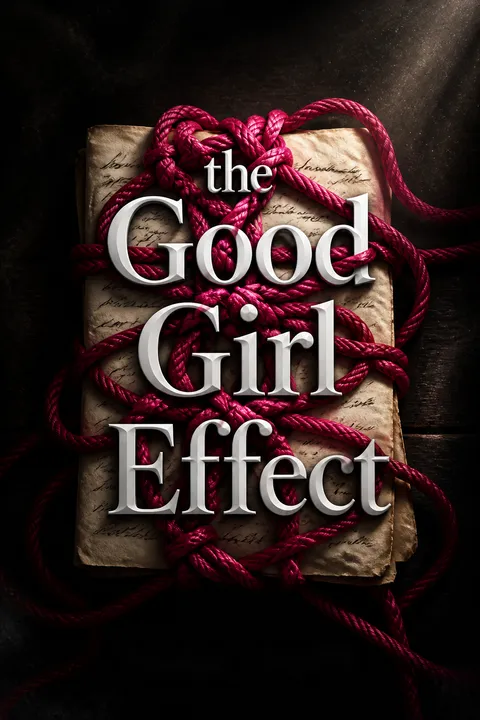

Plot Summary
The Letter in the Book
In a sleepy French village, Camille, a lonely, artistic young woman, finds a love letter and photograph tucked inside a used romance novel at her bookstore job. The letter, written by Jack to his late wife Emmaline, is raw with longing and grief. Camille becomes obsessed with the couple's story, feeling a kinship with their loss and love. The discovery awakens her own yearning for connection and adventure, setting her on a path that will change her life. The letter is more than a relic—it's a catalyst, pulling Camille toward Paris and the unknown, and toward the man whose words haunt her heart.
Six Heirs, One Club
In Paris, six adult children of the original Salacious Players' Club founders gather after receiving a mysterious email from Ronan, the club's retiring owner. Jack, still reeling from his wife's death, is among them. Ronan's letter reveals he's leaving the club, L'Amour, to all six—Jack, his sister Elizabeth, Phoenix, Weston, Julian, and Amelia—on the condition they run it together for a year. The group is fractured by grief, rivalry, and secrets, but the offer is a lifeline for some, a burden for others. Jack, desperate to reconnect with his sister and escape his pain, reluctantly agrees, setting the stage for a year of forced proximity, healing, and conflict.
Camille's Accidental Interview
Camille, driven by curiosity and a need for purpose, travels to Paris to return Jack's lost letter. At his apartment, she's mistaken for a nanny applicant by Phoenix, Jack's business partner. Swept into an impromptu interview, Camille meets Jack's daughter, Bea, and is captivated by the child's loneliness and the home's quiet sorrow. Though unqualified, Camille's honesty and warmth win over Phoenix and Bea. Jack, distant and brooding, barely acknowledges her. Yet, a spark is lit—Camille's life is no longer stagnant, and Jack's world is about to be upended by her presence.
The Grieving Widower
Jack is a shell of a man, haunted by the loss of Emmaline and paralyzed by guilt and sorrow. He's emotionally absent from his daughter, Bea, and estranged from his sister, Elizabeth. The club's inheritance feels like a trap, and he's desperate to leave Paris. Jack's only solace is in routine and control, but Camille's arrival disrupts his carefully constructed walls. Her presence is a painful reminder of what he's lost, yet also a flicker of something he thought was gone forever—hope.
Becoming Bea's Nanny
Hired as Bea's nanny, Camille moves into Jack's home. She brings warmth, creativity, and structure to Bea's life, slowly coaxing the child out of her shell. Camille's playful spirit and empathy begin to thaw the household's grief. Jack remains aloof, enforcing strict boundaries and forbidding French in the home, but he can't ignore the changes Camille brings. For the first time since Emmaline's death, laughter and light return, and Camille discovers a sense of belonging she's never known.
Secrets Behind Closed Doors
Camille's inquisitive nature draws her to the mysteries of Jack's life. She discovers his secret: he owns and practices at a BDSM club, Legacy, and keeps a rope bondage room in his home. Witnessing Jack in his element—commanding, skilled, and alive—shocks and intrigues her. The revelation is both intimidating and alluring, awakening desires and questions within Camille. Jack's world is one of control and surrender, pain and pleasure, and Camille is drawn to its promise of trust and transformation.
The Rope Room Discovery
Camille's fascination with Jack's rope room becomes a point of tension and intimacy. She writes him a letter, asking to experience bondage under his guidance. Jack, conflicted by ethics and attraction, initially resists but is compelled by Camille's honesty and courage. Their first session is charged with vulnerability and restraint, both physical and emotional. Through rope, they find a language beyond words—a space where Camille feels safe and seen, and Jack rediscovers connection and purpose.
Letters and Unspoken Words
Unable to speak openly, Jack and Camille communicate through letters—confessing fears, desires, and regrets. Their correspondence becomes a lifeline, allowing them to express what they cannot say aloud. The letters reveal Jack's struggle with grief and guilt, and Camille's longing for acceptance and love. As their bond deepens, the boundaries between employer and employee, Dom and sub, begin to blur. The letters are both a shield and a key, unlocking the possibility of healing and intimacy.
The First Bondage Lesson
Jack and Camille's first true bondage session is a turning point. Camille submits to Jack's expertise, trusting him with her body and vulnerability. Jack, in turn, is moved by her courage and surrender. The experience is transformative for both—Camille finds peace and pleasure in letting go, while Jack feels alive and needed. Their dynamic is not just sexual but deeply emotional, rooted in mutual respect and care. The session marks the beginning of a new chapter, where pain and pleasure become pathways to trust and love.
Boundaries and Temptations
As Jack and Camille's relationship intensifies, so do the risks. They struggle to maintain professional boundaries, but their attraction is undeniable. The club's troubles mirror their own—conflict, miscommunication, and the threat of collapse. Jack's fear of betraying Emmaline's memory and hurting Bea wars with his longing for Camille. Camille, meanwhile, grapples with her own worth, the shadow of Jack's grief, and the fear of being a replacement. Their nights are filled with passion and experimentation, but the days are fraught with tension and unspoken longing.
The Club's Unraveling
The club's future hangs in the balance as the six heirs clash over its direction. Overcrowding, fights, and mismanagement threaten to destroy everything their parents built. Jack and Julian's rivalry comes to a head, forcing them to confront their shared history and responsibilities. With the help of Phoenix and the others, they agree to shut down and rebuild, creating a club that reflects their own values and vision. The process is painful but necessary, mirroring the personal growth and reconciliation happening in their private lives.
Family, Grief, and Guilt
Jack's relationship with his sister Elizabeth and daughter Bea is tested and mended. Through honest conversations and shared pain, they begin to forgive each other and themselves. Jack finally seeks therapy, confronting the guilt and grief that have defined him. Camille, too, faces her own wounds—the loss of her father, her fear of abandonment, and her need to be chosen for who she is. Together, they learn that love is not about replacing what's lost but about building something new, scars and all.
Crossing the Line
Jack and Camille's relationship crosses from physical to emotional intimacy. They confess their love, make love without restraint, and imagine a future together. The boundaries that once protected them now feel like barriers to happiness. Yet, the truth about Camille's initial deception—her finding the letter and entering Jack's life by chance—looms over them. When the secret is revealed, it threatens to destroy the trust they've built, forcing both to confront what they truly want and need from each other.
The Truth Comes Out
Jack discovers Camille's secret—the letter that brought her into his life. Feeling betrayed, he lashes out, firing her and retreating into old patterns of isolation and anger. Camille, devastated, prepares to leave but refuses to apologize for loving him and Bea. The confrontation exposes the fragility of their trust and the depth of their wounds. Both must decide whether to let the past dictate their future or to fight for the love they've found.
Breaking and Healing
In the aftermath, Jack and Camille are forced to live apart. Jack finally allows himself to grieve, seeking help and reconnecting with his family. Camille, heartbroken but resilient, focuses on Bea and her own dreams. Both realize that healing is not about forgetting the past but about accepting it and choosing to move forward. Letters, therapy, and the support of friends and family help them find clarity and strength. The pain of separation becomes the crucible in which their love is tested and refined.
Choosing Each Other
On Christmas Eve, Jack gives Camille a letter—his true apology and declaration of love. Camille, moved by his honesty and growth, chooses to stay. They reunite at the train station, with Bea's blessing, and commit to building a life together. Jack asks Camille to stop being Bea's nanny and become his partner in every sense. Their reunion is not just a romantic gesture but a promise to face the future together, with all its uncertainties and joys.
A New Legacy Begins
Jack and Camille, now a couple, are embraced by their found family and the club's community. The club thrives under new leadership, and Jack's relationship with his sister and friends is stronger than ever. Camille finds her place—not as a replacement, but as herself, loved for her flaws and strengths. Together, they welcome a new child, blending their pasts into a hopeful future. The story ends with the message that healing is possible, love is worth the risk, and legacies are built not on perfection, but on the courage to begin again.
Analysis
The Good Girl Effect is a contemporary romance that uses the language of kink, grief, and found family to explore the messy, nonlinear process of healing. At its core, the novel is about the courage to begin again after loss—not by erasing the past, but by integrating it into a new, imperfect future. Through the intertwined journeys of Jack and Camille, the story examines how vulnerability, trust, and honest communication are essential for both love and personal growth. The club, with its rules and rituals, becomes a microcosm for the larger work of building community and legacy. The narrative challenges the idea that love is about replacing what's lost; instead, it's about making space for new connections, even as we carry our scars. The lessons are clear: healing requires both solitude and support, boundaries and surrender, and above all, the willingness to risk one's heart again. The Good Girl Effect ultimately affirms that everyone—no matter how flawed or broken—deserves to be seen, chosen, and loved for who they truly are.
Review Summary
People Also Read







Characters
Camille Aubert
Camille is a young French woman marked by loss and loneliness. Her father's death left her adrift, working in a small-town bookstore and doodling animals in the margins of life. She is fiercely curious, stubborn, and compassionate, with a deep need to be seen and loved for who she is. Camille's journey is one of self-discovery—she follows a lost letter to Paris, where she becomes a nanny to Bea and unwittingly entangles herself in Jack's world of grief and kink. Through her honesty, warmth, and willingness to embrace vulnerability, Camille becomes the catalyst for healing in Jack's family and her own life. She is not a replacement for anyone; she is chosen for her own light.
Jack St. Claire
Jack is a man hollowed by the death of his wife, Emmaline. Once warm and loving, he has become cold, rigid, and emotionally unavailable, especially to his daughter, Bea. Jack's need for control manifests in his work at the club and his private practice of rope bondage—a way to quiet his mind and escape pain. He is haunted by guilt, convinced he failed as a husband, father, and brother. Jack's arc is one of gradual thawing, as Camille's presence and trust force him to confront his grief, accept help, and risk loving again. His journey is about learning that strength lies in vulnerability, and that love is not a betrayal of the past but a bridge to the future.
Beatrice "Bea" St. Claire
Bea is Jack's young daughter, left motherless at a tender age. She is precocious, sensitive, and starved for affection. Bea's relationship with Camille is transformative—she finds in her a surrogate mother, playmate, and champion. Through Bea, the story explores the impact of grief on children and the healing power of consistent, loving care. Bea's happiness becomes the barometer for Jack and Camille's growth, and her acceptance of Camille is both a blessing and a challenge to the adults' fears.
Elizabeth St. Claire
Elizabeth is a professional dancer and Jack's younger sister. She is sharp-tongued, independent, and deeply wounded by Jack's withdrawal after Emmaline's death. Elizabeth's arc is about forgiveness—of her brother, herself, and the past. She becomes an unexpected ally to Camille, offering tough love and insight. Her own journey mirrors Jack's, as she learns to let go of resentment and embrace the messy, imperfect bonds of family.
Phoenix Scott
Phoenix is Jack's business partner and longtime friend. She is the voice of reason and stability, managing the club's operations and supporting Jack through his darkest times. Phoenix is loyal, intelligent, and quietly grieving her own losses. She serves as a bridge between the fractured heirs and a model of what it means to show up for others, even when it's hard.
Julian Kade
Julian is the son of the club's founder and Jack's reluctant partner. He is charming, privileged, and often at odds with Jack, driven by old wounds and a need to prove himself. Julian's journey is one of humility and growth—learning to work with, rather than against, his peers. His rivalry with Jack masks a deeper longing for acceptance and family.
Amelia Kade
Amelia is Julian's sister, a designer and marketer with a gentle spirit. She is the glue that holds the group together, always seeking harmony and beauty. Amelia's optimism is tested by the club's struggles, but her resilience and kindness help inspire change.
Weston Scott
Weston is the club's bartender and resident joker. He uses humor to deflect from his own insecurities and grief. Weston's arc is about learning to take responsibility and find meaning beyond the party.
Matis Moreau
Matis is the club's co-founder and elder statesman. He offers guidance, tough love, and perspective to the younger generation. Matis represents the legacy of the original club and the importance of community, integrity, and growth.
Emmaline Rochefort St. Claire
Emmaline is Jack's late wife, whose death shapes the entire narrative. She is remembered as gentle, artistic, and loving. Her absence is a wound for Jack, Bea, and Elizabeth, but her memory also becomes a source of strength and inspiration. Emmaline's legacy is not a shadow but a foundation for new love and healing.
Plot Devices
The Lost Letter
The story's inciting incident is Camille's discovery of Jack's lost love letter to Emmaline. This device weaves together past and present, grief and hope, and sets Camille on a journey that is both literal and emotional. The letter symbolizes the unfinished business of love and the possibility of new beginnings. It also serves as a secret that, when revealed, tests the trust between Camille and Jack.
Dual Healing Arcs
Both Jack and Camille are marked by loss—Jack by his wife's death, Camille by her father's. Their arcs mirror and complement each other, using the club, the rope room, and their relationship as crucibles for transformation. The narrative structure alternates between their perspectives, letters, and moments of silence, emphasizing the importance of communication, vulnerability, and mutual support.
Letters and Nonverbal Communication
Letters are a recurring motif, allowing characters to express what they cannot say aloud. This device highlights the limitations of language and the power of written confession. The letters serve as both plot drivers and emotional anchors, deepening intimacy and revealing hidden truths.
BDSM and Rope Bondage
The club and Jack's rope room are not just settings for erotic encounters—they are spaces where characters confront their fears, desires, and need for control. Bondage becomes a metaphor for vulnerability, trust, and the willingness to let go. The scenes are less about titillation and more about the emotional stakes of surrendering to another and to oneself.
Found Family and Inheritance
The club's inheritance forces estranged characters to work together, mirroring the personal work required to heal and build new relationships. The theme of legacy—what is passed down, what is chosen, what is remade—runs throughout, challenging characters to define family on their own terms.
Foreshadowing and Repetition
The story is structured around "rules" and repeated motifs—letters, rope, silence, and the phrase "good girl." These elements foreshadow character growth and the breaking of old patterns. The repetition of rituals (meals, bedtime, bondage) becomes a way to measure change and healing.
Download PDF
Download EPUB
.epub digital book format is ideal for reading ebooks on phones, tablets, and e-readers.








































