
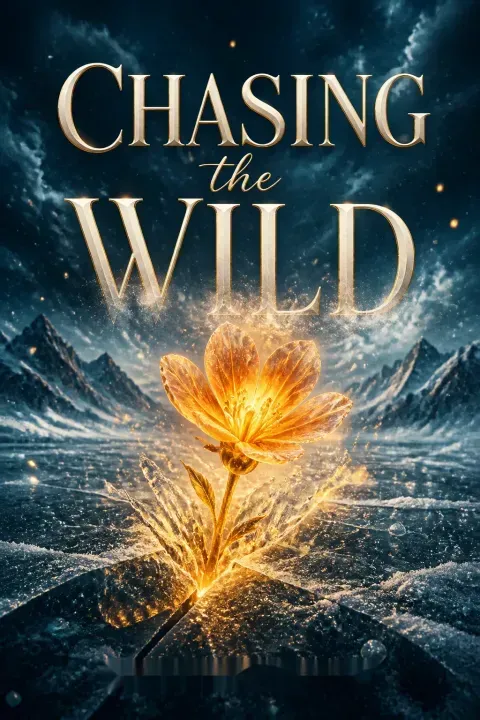


Plot Summary
The Gas Station Stranger
Layla Birch,1 a twenty-five-year-old vet apprentice, drives to Crimson Ridge in blistering heat to return her ex-boyfriend Kayce3's abandoned boxes. At the gas station, her card is declined. The clerk Kurt turns abusive.
A stranger2 in a black cowboy hat intervenes, paying her bill with a sharp comment about Kurt's small-dick energy. He is older, built like a mountainside, with graying stubble and startling hazel eyes. They banter easily; he asks if she is free Friday night. She says she is just passing through.
Instantly, he turns cold, climbs into his massive truck, and drives away. Layla1 feels a crushing sense of loss she cannot explain, then sets off toward the addresses scrawled on a yellow post-it note, climbing a winding road into the mountains.
This opening establishes Layla's chronic financial precarity and her ingrained pattern of doing emotional labor for undeserving men. The gas station encounter is a sliding-doors moment: two strangers feel an immediate gravitational pull, but circumstance shuts it down. Colt's swift withdrawal after her rejection reveals a man accustomed to solitude who protects himself by preemptively leaving. The scene also plants the symbolic weight of the cowboy hat, which will later become a talisman of commitment and belonging.
Devil's Peak Revelation
The address leads to Devil's Peak Ranch, a stunning modern lodge perched on a plateau beneath a jagged black summit. Layla1 knocks, and the door is wrenched open by the man from the gas station, Colton Wilder,2 wearing only a towel and a murderous expression. Before she can speak, Kayce3 staggers out, drunk, and lifts her in a bear hug, calling her his girlfriend.
She corrects him: ex. Colt's2 eyes turn to ice. He barks at Kayce3 about the horses and stalks away without a word. Layla1 endures Kayce's3 rambling complaints about his miserable father, then unloads the boxes and flees, telling herself she will never see either Wilder man again.
The revelation reframes the earlier attraction as taboo, planting the central conflict: desire versus loyalty. Colt's hostility is a defense mechanism, shielding himself from the shame of wanting his son's former lover. Layla's instinct to clarify her status shows her dignity, even as she is caught in the crossfire of a broken father-son relationship she does not yet understand.
Stranded by Snow
Five months later, Layla1 learns Kayce3 took out a $2,580 loan in her name and defaulted. The finance company threatens legal action. She leaves a furious voicemail for her best friend Sage5 and detours to the ranch to confront Kayce.3 She arrives in a frozen landscape to find Colt2 hauling a headless deer, his hands soaked in blood. He snaps at her, asking if Kayce3 knocked her up.
She denies it, demands to see Kayce,3 but he is not there. As she tries to leave, her car dies in the deepening snow. Colt2 grudgingly takes her inside, talks her through a panic attack with a paper bag and gummy worms, then transfers the money she needs from his own account. He offers her a job to finish her vet placement hours while the roads are impassable.
This section transforms the story from a brief encounter into a forced-proximity narrative. The financial crisis reveals Layla's vulnerability and Kayce's parasitic immaturity, while Colt steps abruptly into the role of protector and provider. His gruff kindness during her panic attack hints at a deep well of empathy shaped by his own traumatic past, even as he struggles to maintain emotional distance.
A Cowboy's Resolve
Colt2 establishes their working relationship with rigid boundaries: she does her job without question, he pays full-time wages plus bed and board. Over the following days, he pushes her hard, correcting her when she fails to latch a gate properly. His temper flairs, but she watches him with the horses and sees a man capable of tenderness.
When he teaches her to shoot a rifle, lying in the snow with his body pressed against her back, the sexual tension becomes unbearable. That night, she comes to the lounge in nothing but a thin shirt and knee socks after a nightmare. He admits he has to fight himself every night not to visit her room, but insists they cannot cross the line because she is Kayce3's ex.
Colt's strictness is a form of self-protection, channeling desire into discipline. The rifle lesson is a charged metaphor for learning to trust and surrender control. Layla's midnight appearance is an act of bold vulnerability, testing his resolve. His confession reveals the depth of his struggle between honor and longing, while framing their attraction as a shared torment rather than a one-sided obsession.
The Barn Claiming
During a whiteout after feeding the cattle, Layla1 refuses to leave the gate unlatched, remembering Colt's2 earlier criticism. He drags her onto his horse and ferries her to the barn, furious and terrified she would risk freezing. She slaps his chest, demanding he stop pushing her away. He snaps, crushing his mouth against hers, then spins her around and unbuttons her jeans.
He drops to his knees and tastes her for the first time, his beard scraping her thighs as she comes apart against the stall. He carries her inside, lays her before the fire, and takes hours learning every inch of her body. They agree they have two weeks until the road reopens and Kayce3 returns: a stolen season of nights in his bed, nothing held back.
The barn scene is the narrative's point of no return, where months of suppressed desire ignite. The blizzard externalizes their internal chaos, and Colt's dominant, worshipful lovemaking establishes the physical dynamic of their bond: he is controlling yet reverent. The two-week pact is a mutual delusion, a desperate attempt to contain the uncontainable by pretending their feelings have an expiration date.
Two-Week Bargain
Colt2 and Layla1 spend every night in his bed, every stolen moment in the barn or the kitchen. She wears his flannel shirt, he feeds her reheated leftovers while she sits on the counter. They share a bowl of macaroni and exchange truths she pays for her aunt Evaline6's dementia care, the only mother figure she ever had, while he confesses that his grandfather beat and burned him as a child.
Colt2 tells her the old man hung himself when Kayce3 was born, leaving Colt2 to build the ranch from nothing as a way to erase the abuser's legacy. The intimacy deepens beyond sex, becoming a mutual unburdening neither has ever allowed before.
This period establishes the emotional foundation that will sustain them through separation. The exchange of past traumas is a far more significant act than any physical intimacy, creating a bond of shared resilience. Their domestic rituals, eating from the same bowl and wearing his clothes, form a fleeting template of the life they cannot have, making the approaching deadline increasingly agonizing.
The Cabin Gift
With only days left, Colt2 rides her up to a remote A-frame cabin at the far ridgeline, the place he built with his own hands after his grandfather's death. A hot spring bubbles beside the creek. There, under a blanket of stars, he places his black cowboy hat on her head and tells her it is a late Christmas gift, or an early birthday one, because she will be gone before March.
He confesses he almost turned his truck around that first day at the gas station, but stopped himself because he thought maybe doing the right thing for once would bring something good into his life. Then she showed up on his porch like a vision. He calls her his miracle.
The hat exchange is the novel's emotional climax, a symbolic proposal in cowboy code. By bringing her to the cabin where he once saved his own life, Colt offers Layla his most protected self. His confession reframes their entire history as fated rather than accidental, while the phrase 'my miracle' replaces the transactional language of their two-week deal with the vocabulary of grace and permanence.
Hidden Enemies
Layla1 nearly steps on a bear trap buried in the snow behind the barn. Colt2 reviews security footage and identifies the Pierson brothers, Henrik and Alton,9 as the trespassers who have been harassing his cattle and vandalizing the property. He explains that his grandfather sexually abused a young girl on the ranch decades ago, fathering a child who became the Piersons' mother.
Colt2 spent years offering them equity in the ranch as reparation, but they wanted everything. Now they are predators themselves, drugging and assaulting women across Crimson Ridge. Colt2 has never been able to prove their crimes. He sits up through the night with a shotgun across his lap, guarding Layla.1
This subplot deepens the novel's examination of inherited guilt and the limits of atonement. Colt's grandfather's sins created a poisoned lineage that Colt has tried to heal with good deeds, but the Piersons are determined to stay in the role of victims and perpetrators. Their physical threat to Layla forces Colt to confront his complicity in their continued freedom through his inability to file charges against them.
Kayce Returns
Before the road can properly reopen, Kayce3 arrives at the ranch with Chyannah,4 the snide waitress from the café, now visibly pregnant. Colt2 and Layla1 are in the barn, his hand down her pants, when the truck doors slam. They scramble apart.
Forced to hide their connection, they endure an excruciating dinner where Chyannah4 flirts openly with Colt2 and Kayce3 remains obliviously drunk. That night, Kayce3 asks Colt2 to tell Layla1 they are all going into town the next night for a festival. Colt2 resents every word, but has no excuse to refuse.
Kayce's return is an intrusion that exposes the fragility of their arrangement. Chyannah's presence introduces a new antagonist who intuitively senses the truth and will weaponize it. Kayce's obliviousness underscores his immaturity, while Colt's forced silence reveals the power imbalance inherent in their secret: she has nothing to lose reputationally, but he risks destroying his son's fragile recovery.
Barroom Blackmail
At the crowded Loaded Hog, the Pierson brothers9 attempt to roofie a young woman and corner Layla.1 Sheriff Hayes7 moves in to arrest them on drug possession. In the chaos, Colt2 pulls Layla1 into a locked bathroom. Desperate and raw, he drops to his knees, makes her come on his tongue, then bends her over the sink and takes her from behind while Kayce3 pounds on the door asking if she is okay.
After, Colt2 holds her face and says the words 'I love you' are right there on his tongue, but he will not say them in a bathroom they deserve better. The next morning, Chyannah4 confronts Layla1 in the barn: she saw them. She threatens to tell Kayce3 and destroy Colt's2 business and reputation unless Layla1 disappears immediately.
The bathroom scene distills their entire relationship into a single act: urgent, secretive, but shot through with genuine reverence. Colt's refusal to say 'I love you' in a bathroom is an act of emotional integrity, reserving that declaration for a moment worthy of its weight. Chyannah's blackmail externalizes the internal shame they have carried, converting a moral dilemma into a forced choice that strips Layla of her agency.
Leaving the Mountain
At first light, Layla1 quietly loads her belongings into Kayce's3 borrowed truck, leaving a note about an emergency with her aunt.6 Colt2 discovers her and they share a pained, brief farewell. He tells her to find her sweet spot, take aim, and hit the target, that her good heart is tougher than she knows.
She drives down the mountain, collects her repaired car from the mechanic who tells her Colt2 already paid the full bill months ago, and heads to her next placement. For five months, she moves from job to job, posts horse videos on Instagram, and cries herself to sleep clutching his hat. She stalks Devil's Peak Ranch's tagged photos, seeing glamorous tourists and imagining him with other women.
This separation period is the novel's dark night of the soul, testing whether the bond forged in the crucible of the mountain can survive the ordinary world. The hat becomes a transitional object, a physical repository of his presence. Colt's secret payment of her car repairs reveals his care is constant even when communication is impossible. Layla's social media stalking is a form of self-inflicted torture that keeps the wound open.
Rodeo Reconciliation
While working as a vet at a regional rodeo qualifier, Layla1 runs into Kayce,3 now sober and competing. He greets her warmly and jokes that he knew something was going on between her and his dad. He confesses his own guilt over the loan and his past behavior. Then he drops the bombshell: a paternity test proved Chyannah's4 baby was not his.
She was connected to the Pierson brothers9 and had schemed to claim the ranch. Colt2 was the one who insisted on the test, supported Kayce3 through rehab, and helped him get his life back on track. Kayce3 tells Layla1 that his father2 has been miserable since she left, and urges her to call him.
This scene functions as a narrative reset, removing the primary obstacle the father-son relationship that made their love forbidden. Kayce's blessing and his own redemption arc reframe the earlier conflict not as a betrayal but as a catalyst for healing. The revelation about Chyannah and the Piersons ties up the antagonist subplot while demonstrating Colt's unflagging integrity as a father.
Graduation Surprise
On the day of her graduation from the veterinary program, Layla1 walks across the stage, scanning the crowd for a face she knows will not be there. After the ceremony, she spots Colt2 standing beneath an oak tree, a brown paper bundle in his hand. He tells her he learned how to use a cell phone and Instagram, tracking her location from her post that morning.
He confesses he cannot live another day without telling her she owns his black heart, that she is the miracle he never thought an asshole like him deserved. He says he loves her and wants to follow her anywhere, even if it means leaving the ranch. She asks him to kiss her, and he does, while her best friend Sage5 watches with champagne glasses.
Colt's technological illiteracy turned into a quest to find her is a romantic act of humility and determination. His willingness to potentially leave the ranch, the land that saved his life and represents his entire identity, signifies that Layla has become his true home. The graduation setting, a milestone of her independence and hard-won achievement, is the perfect stage for him to demonstrate that his love is about supporting her future, not possessing her past.
The Road Home
With Sage5 driving Layla's1 car separately, Colt2 and Layla1 take his truck. He grumbles about getting rid of the cell phone now that he has found her, but she teases him about wanting dirty photos on future trips to town. They pull off the road in a national forest and she climbs onto his lap in the back seat.
He makes love to her slowly, then cleans her with his tongue, murmuring that his heart belongs to her. She tells him to take her home. The epilogue closes with the promise of a shared future, the ranch, the horses, and the mountain that brought them together.
The final scene mirrors the earlier 'backseat' fantasy from their flirtation, now fulfilled openly and without shame. The truck, the site of their first tension-filled ride, becomes a space of reunion and declaration. By returning to the road, the novel suggests that home is not a fixed location but a journey they now take together, carrying the lessons of the mountain with them wherever they go.
Epilogue
On the long drive back to Crimson Ridge, Layla1 teases Colt2 about his hatred of technology, reminding him that a cell phone now means she can send him photos he might enjoy when he has reception. He grumbles but his hand stays on her bare thigh beneath her sundress.
She climbs into his lap in the back seat, and he confesses he missed the view from back here. As they make love with the truck parked among the trees, he tells her again that his heart belongs to her, and she says she wants to go home, the ranch, the horses, the mountain that brought them together.
The epilogue closes the circular journey: from a stranger paying for her gas, to a cabin on a mountain, to a road trip back home. The truck becomes a symbol of their relationship, previously a site of tension and longing, now a sanctuary of mutual belonging. Layla's playful mention of dirty photos signals that their intimacy has survived the transition from stolen moments to everyday life, while Colt's gruff affection reclaims the language of ownership not as possession but as devotion.
Analysis
At its core, this novel examines the alchemy by which trauma, when shared, can transform from a isolating burden into a bridge. Both Colt2 and Layla1 are survivors of childhood neglect and abuse who have constructed lives of fierce self-reliance, treating vulnerability as a liability. Their relationship dismantles that architecture. Colt's2 physical dominance in the bedroom is a red herring for the novel's true power dynamic: Layla's1 emotional courage disarms him far more completely than any touch. She walks into his dark history and does not flinch, while he offers her the stability she has never been able to count on. The taboo of the ex-boyfriend's father trope serves not merely as erotic tension but as a crucible that forces both characters to confront their deepest fears about being fundamentally undeserving of happiness. When Kayce3 ultimately gives his blessing, the external obstacle dissolves, but the internal work has already been done. The novel argues that redemption is not earned through grand gestures but through the daily choice to stay, to see someone fully, and to accept being seen in return. The mountain setting, with its deadly winters and healing hot springs, embodies this duality: the same landscape that isolates and threatens also nurtures and protects. The story's most radical assertion is that love is not a reward for goodness but a force that calls people toward the good they did not believe they could become.
Review Summary
Chasing the Wild received mixed reviews, with many praising its steamy cowboy romance and age-gap storyline. Readers enjoyed the chemistry between Colt and Layla, the forbidden ex's dad trope, and the remote mountain setting. The spicy scenes were highly rated. However, some critics found the book too long, repetitive, and lacking in character development beyond physical attraction. Several reviewers noted the grumpy-sunshine dynamic and praised the tension build-up, while others felt the relationship lacked depth. Overall, it appealed to fans of taboo romances and cowboy stories.
People Also Read






Characters
Layla Birch
Veterinary apprentice, resilient survivorA twenty-five-year-old vet student who has supported herself since childhood, working bar shifts and any placement she can get. Her mother was neglectful and her aunt Evaline6, who raised her, now suffers from dementia, requiring expensive care. Layla is fiercely independent, accustomed to disappointment, and carries deep-seated fears of abandonment. She feels older than her years, her fun-loving side buried under responsibility. With Colt2, she discovers her capacity for submission, playfulness, and deep romantic attachment she never allowed herself before. Her arc moves from survival mode to believing she deserves a future built on love and mutual tenderness.
Colton Wilder
Reclusive rancher, haunted protectorForty-two years old, owner of Devil's Peak Ranch. He was orphaned as a toddler and raised by a violently abusive grandfather who also sexually assaulted a young local woman, fathering a child who became a source of lifelong guilt for him. He became a father himself at eighteen, when a broken condom led to Kayce's3 birth. He devoted his life to erasing his grandfather's legacy and building a reputable ranch. With Layla1, he battles intense desire against his deeply ingrained belief that he is unworthy of happiness and would ruin her future. He is dominant, gruff, fiercely protective, yet capable of profound tenderness and self-awareness. His arc involves accepting that he is not defined by his past and that he deserves to receive love.
Kayce Wilder
Ex-boyfriend, immature charmerColt's2 son, in his mid-twenties, is a rodeo hopeful with a drinking problem and a pattern of irresponsible behavior. He took out a fraudulent loan in Layla's1 name. He resents his father for years of absence, though Colt2 has tried to make amends. After a pregnancy scare and an intervention from Colt2, he gets sober and begins to mature. He ultimately gives Layla1 and Colt2 his blessing, recognizing their connection and his own shortcomings.
Chyannah (Chy)
Manipulative waitress, false accuserA young woman who worked at the cafe in Crimson Ridge and had an on-again-off-again relationship with Kayce3. She becomes pregnant, initially claims Kayce3 is the father, and moves into the ranch with him. She flirts shamelessly with Colt2 and quickly senses the truth about his relationship with Layla1. Connected to the Pierson brothers9 through family ties, she partakes in a scheme to claim the ranch by blackmailing Layla1 into leaving. After a paternity test, her lies unravel.
Sage Maloney
Best friend, supportive firecrackerLayla's1 ride-or-die best friend since childhood, she lives up to her nickname 'Sergeant' by being fiercely loyal, outspoken, and sexually bold. She provides emotional support through texts and phone calls, visits Evaline6 on Layla's1 behalf, and flies out for graduation. She immediately approves of Colt2 and effortlessly navigates the awkward reunion.
Evaline (Aunt Evie)
Surrogate mother, absent presenceLayla's1 aunt who took her in as a teenager and protected her from a predatory stepfather. She now has early-onset dementia, requiring expensive residential care that Layla1 struggles to pay. She appears only in memories and as a motivating force for Layla's1 determination to finish her qualifications and earn a stable income.
Sheriff Cameron Hayes
Local sheriff, allyThe sheriff of Crimson Ridge and a friend to Colt2. He is aware of the Pierson brothers9' crimes but has struggled to gather sufficient evidence. He coordinates the road clearing crew and eventually arrests the Piersons9 at the bar for drug possession, finally holding them accountable for some of their offenses.
Storm (Stôrmand Lane)
Farrier, lone wolf neighborA former bull rider and farrier who lives nearby, with a similarly reclusive and hardened personality. He is one of the few people Colt2 trusts, and they rely on each other for ranch help and company. He appears briefly at the bonfire and via radio, and is being set up as the hero of the next book in the series.
Henrik and Alton Pierson
Antagonists, cattle saboteursBrothers connected to Colt's2 grandfather's abuse victim; they believe the ranch should be theirs. They prey on young women, drug them, and film nonconsensual encounters. They harass Layla1 repeatedly, set a bear trap on the ranch, and injure cattle as retaliation against Colt2. They are eventually arrested for drug possession after attempting to roofie a woman at the bar.
Plot Devices
The Black Cowboy Hat
Symbol of ownership and commitmentColt's2 jet-black hat appears at their first meeting and reappears throughout the story. He places it on Layla's1 head in town to mark her as his, even before they are together. Later, at the cabin, he formally gives it to her as a gift, a gesture equivalent to a proposal in cowboy culture. She keeps it on her nightstand after she leaves, using it as a physical connection to him. The hat symbolizes Colt's2 heart and his willingness to belong to her.
The Bear Trap
Revelation of hidden dangerLayla1 discovers a live bear trap buried in the snow beside the woodpile, nearly stepping into it. This incident reveals the Pierson brothers9' malicious intent and forces Colt2 to explain his guilt-ridden history with their family. The trap physically represents the unseen risks of the mountain and the violence inherited from Colt's2 grandfather, which he has tried and failed to bury.
The Finance Loan
Inciting crisis and catalystKayce3 took out a loan in Layla's1 name without her knowledge. The collection call threatens her financial stability and derails her job plans, forcing her to return to Crimson Ridge in winter. Colt2 pays off the loan immediately, establishing his role as protector and creating a debt of gratitude that gives him leverage to offer her the job. The loan also symbolizes Kayce's3 parasitic behavior and serves as a plot engine for their reconnection.
The Radio and Technology Gap
Enforces isolation and secrecyThe mountain has no cell service and only sporadic Wi-Fi. Colt2 communicates via an old radio system, which Lark learns to use for emergencies. This technological barrier prevents Layla1 from easily contacting the outside world, deepens her isolation, and means she cannot easily contact Colt2 after she leaves. His eventual decision to learn to use a smartphone and Instagram to find her at graduation is a significant act of love that bridges their worlds.
The Wildflowers
Token of belonging and homeAt graduation, Colt2 hands Layla1 a bundle of wildflowers wrapped in brown paper and barn twine. These flowers come from the ranch's paddocks, carrying the scent of hay and pollen. They represent the home she thought she had lost and Colt's2 wish to bring her back to it. The gift uses the natural beauty of the mountain to say what words cannot: that she belongs there, with him, forever.
FAQ
Synopsis & Basic Details
What is Chasing the Wild about?
- Forbidden Love Blossoms: Layla Birch, a veterinary apprentice, finds herself drawn to Colton Wilder, her ex-boyfriend's father, amidst a backdrop of family drama and personal challenges.
- Small Town Secrets: Set in the remote town of Crimson Ridge, the story explores themes of forbidden love, family secrets, and personal growth as Layla navigates her feelings for Colton.
- Emotional Journey: The narrative follows Layla's journey as she grapples with her past, her present desires, and the complexities of her relationships, all while trying to establish her career.
Why should I read Chasing the Wild?
- Intense Emotional Connection: The story delves into the complex and forbidden relationship between Layla and Colton, offering a raw and emotional exploration of their desires and struggles.
- Compelling Characters: Readers will be drawn to the well-developed characters, each with their own unique motivations and flaws, making their journey relatable and engaging.
- Small Town Atmosphere: The setting of Crimson Ridge adds a layer of charm and intrigue, creating a backdrop for the unfolding drama and romance.
What is the background of Chasing the Wild?
- Rural Montana Setting: The story is set in the remote, mountainous region of Montana, where the characters live and work on ranches, shaping their rugged and independent lifestyles.
- Cowboy Culture: The book incorporates elements of cowboy culture, including rodeos, ranch work, and a strong sense of community, which influence the characters' interactions and values.
- Interconnected Standalone: The book is described as an interconnected standalone, suggesting that while it can be read independently, it is part of a larger series or world with recurring themes and characters.
What are the most memorable quotes in Chasing the Wild?
- "No sense arguing with Kurt over a tank of gas. He'll take any opportunity to make up for having a small dick.": This quote introduces Colton's blunt and humorous personality, while also foreshadowing his protective nature.
- "You're hanging around the wrong men in that case.": This line, spoken by Colton to Layla, hints at his awareness of her past relationships and his desire to be a better option for her.
- "I promise, I can be gentle.": This seemingly simple line, spoken by Colton to Layla, is loaded with subtext, hinting at the intense passion and desire that simmers beneath the surface of their interactions.
What writing style, narrative choices, and literary techniques does Elliott Rose use?
- First-Person Perspective: The story is primarily told from Layla's point of view, allowing readers to intimately experience her thoughts, feelings, and desires.
- Descriptive Language: Rose uses vivid and descriptive language to paint a picture of the setting, characters, and their emotions, immersing the reader in the world of Crimson Ridge.
- Foreshadowing and Subtext: The author employs subtle foreshadowing and subtext to hint at future events and the underlying tensions between characters, creating a sense of anticipation and intrigue.
Hidden Details & Subtle Connections
What are some minor details that add significant meaning?
- Kayce's Childhood Photos: The presence of Kayce's childhood photos and awards in his belongings highlights a hidden vulnerability and a past that contrasts with his present behavior, suggesting a deeper story of a boy who was once loved and successful.
- The Post-it Note Address: The faded Post-it note with Kayce's address, crumpled and covered in crumbs, symbolizes the transient and chaotic nature of his life, as well as Layla's initial reluctance to engage with him.
- The Broken Gas Pump: The broken gas pump at the Crimson Ridge Fuels station foreshadows the financial difficulties Layla is facing, and the unexpected help she receives from Colton, setting the stage for their initial encounter.
What are some subtle foreshadowing and callbacks?
- The "Wrong Men" Line: Colton's comment about Layla "hanging around the wrong men" foreshadows the problematic nature of her relationship with Kayce and hints at his own desire to be the right man for her.
- The Cafe Girl's Warning: The cafe girl's comment about Layla being "a bit young for him" foreshadows the age gap and potential complications in her relationship with Colton, while also hinting at Kayce's reputation.
- The Description of Winter: Kayce's description of winter as an "icy-hearted bitch" foreshadows the emotional coldness and isolation that Layla experiences when she returns to Crimson Ridge in the winter.
What are some unexpected character connections?
- Colton's Past with Kayce's Mother: The revelation that Colton had a past relationship with Kayce's mother adds a layer of complexity to their already strained relationship, and explains why there are no photos of Colton and Kayce together.
- Storm's Connection to Rodeo: The mention of Storm's past as a rodeo star creates an unexpected connection between him and Kayce, highlighting the shared experiences and challenges of that world.
- Henrik Pierson's Connection to the Ranch: The reveal that Henrik Pierson is connected to the ranch through family history adds a layer of complexity to his interactions with Layla and Colton, and explains why he feels entitled to be on their property.
Who are the most significant supporting characters?
- Sage Maloney: Layla's best friend, Sage, serves as a confidante and source of support, providing a contrast to the isolation Layla experiences in Crimson Ridge. Her feisty nature and unwavering loyalty make her a crucial part of Layla's life.
- Sheriff Cameron Hayes: Sheriff Hayes represents the law and order in Crimson Ridge, and his friendship with Colton highlights the sense of community and the challenges of living in a remote area.
- Storm: Storm, the farrier, is a reclusive figure who shares a similar past with Colton, and his presence adds another layer of complexity to the ranch and the community.
Psychological, Emotional, & Relational Analysis
What are some unspoken motivations of the characters?
- Colton's Guilt and Redemption: Colton's actions are driven by a deep-seated guilt over his past and a desire to make amends, particularly with his son, Kayce, and his desire to protect Layla.
- Layla's Need for Stability: Layla's relentless pursuit of her veterinary qualification and her need to support her aunt reveal a deep-seated desire for stability and security, stemming from her unstable upbringing.
- Kayce's Search for Approval: Kayce's actions are often driven by a need for approval and validation, particularly from his father, which explains his initial desire to impress Layla and his later attempts to reconcile with Colton.
What psychological complexities do the characters exhibit?
- Colton's Internal Conflict: Colton struggles with his attraction to Layla, battling his desire against his sense of responsibility to his son, and his own past trauma.
- Layla's Self-Doubt: Layla's past experiences have left her with a sense of self-doubt and a tendency to put others' needs before her own, making her vulnerable to manipulation and self-sacrifice.
- Kayce's Immaturity: Kayce's immaturity and self-destructive tendencies stem from a lack of direction and a need for validation, which he seeks through external sources rather than internal growth.
What are the major emotional turning points?
- Layla's Panic Attack: Layla's panic attack after her car breaks down reveals the depth of her anxiety and the emotional toll of her past experiences, highlighting her vulnerability.
- Colton's Confession: Colton's confession of his feelings for Layla at her graduation marks a significant turning point, as he finally acknowledges his desires and his willingness to risk everything for her.
- Kayce's Apology: Kayce's sincere apology to Layla and his acceptance of her relationship with Colton represent a major emotional turning point, as he begins to take responsibility for his actions and seek redemption.
How do relationship dynamics evolve?
- Layla and Colton's Forbidden Love: The relationship between Layla and Colton evolves from initial attraction to a deep, passionate love, marked by both intense desire and internal conflict.
- Layla and Kayce's Past: The dynamic between Layla and Kayce shifts from a casual fling to a more mature understanding, as they both acknowledge their past mistakes and move towards forgiveness.
- Colton and Kayce's Father-Son Bond: The relationship between Colton and Kayce evolves from strained and distant to a more supportive and understanding bond, as they both confront their past and seek reconciliation.
Interpretation & Debate
Which parts of the story remain ambiguous or open-ended?
- The Future of the Ranch: The long-term future of Devil's Peak Ranch remains somewhat open-ended, leaving readers to wonder if it will continue to be a working ranch or if it will be transformed into a tourist destination.
- The Extent of Colton's Past: While some details of Colton's past are revealed, the full extent of his trauma and the impact of his grandfather's actions remain somewhat ambiguous, leaving room for further exploration.
- The Long-Term Impact of the Relationship: The long-term impact of Layla and Colton's relationship on their lives and careers is left open-ended, allowing readers to imagine their future together.
What are some debatable, controversial scenes or moments in Chasing the Wild?
- The Power Dynamics: The power dynamics between Layla and Colton, particularly given their age difference and his position as her boss, could be seen as controversial, raising questions about consent and agency.
- The Explicit Content: The explicit sexual content, including the breeding kink, may be considered controversial by some readers, sparking debate about the portrayal of such themes in romance novels.
- Colton's Actions: Colton's actions, particularly his initial coldness towards Layla and his possessiveness, could be seen as problematic, raising questions about his character and his ability to form healthy relationships.
Chasing the Wild Ending Explained: How It Ends & What It Means
- Reunion and Confession: The ending sees Layla and Colton reunited at her graduation, where he confesses his love and his willingness to follow her, signifying a commitment to their relationship.
- Hope for the Future: The ending provides a sense of hope for their future together, as they both acknowledge their feelings and their desire to be with each other, despite the challenges they face.
- Open-Ended Possibilities: While the ending provides a sense of closure, it also leaves room for future possibilities, suggesting that their journey is far from over and that they will continue to navigate the complexities of their relationship.
Crimson Ridge Series
About the Author
Other books by Elliott Rose

Download PDF
Download EPUB
.epub digital book format is ideal for reading ebooks on phones, tablets, and e-readers.








































