
Plot Summary
Omen in the Night
Anna, an actress finally pregnant after years of IVF, is visited by a mysterious woman who slips into her bed and whispers "baby" before vanishing, taking the only photo of Anna's embryo. This chilling intrusion marks the start of Anna's sense that something is deeply wrong. Old superstitions and stories of changelings and stolen children echo in her mind, setting a tone of dread and vulnerability. Anna's longing for a normal, joyful pregnancy is immediately undercut by this violation, and she senses that her journey to motherhood will be anything but ordinary. The emotional arc is set: hope, fear, and the primal urge to protect.
IVF: Hope and Bruises
Anna's life is a whirlwind of injections, bruises, and strict schedules as she and her husband Dex pursue IVF. The process is grueling, both physically and emotionally, and Anna's identity as a woman and an actress is tangled up in her desire for a child. Dex is supportive but distracted, and Anna feels the weight of time and societal expectations. The fertility clinic is a place of both hope and humiliation, where Anna is recognized for her fame but feels exposed and judged. The retrieval and transfer are fraught with anxiety, and Anna's longing for a family is matched only by her fear of failure and loss.
Shadows and Stalkers
Anna notices a woman in a blue baseball cap following her from her home to the clinic. She brushes off her unease, but the feeling of being observed intensifies. Online, Anna is harassed by a troll named number1crush, who posts threats and personal information. The boundaries between public and private life blur, and Anna's celebrity status becomes a liability. The sense of threat is both physical and psychological, as Anna wonders if her own mind is betraying her or if someone truly means her harm. The emotional tension ratchets up as Anna's trust in her environment erodes.
The Woman in the Clinic
After her embryo transfer, Anna encounters Io Preecher, an older woman who takes her photo outside the clinic and posts it online. Io's online presence is filled with conspiracy theories and rants about witches and cults. Anna's paranoia grows as she realizes her privacy has been violated, and she begins to suspect that her mistakes with medication and appointments may not be accidental. The sense of being targeted becomes more concrete, and Anna's anxiety about her pregnancy is compounded by the fear that someone is actively sabotaging her.
Embryo Transfer, Unseen Threats
Anna and Dex finally have a viable embryo to transfer, but Anna's calendar appointments are mysteriously altered, and her medications are tampered with. She suspects hacking or sabotage, possibly by her online stalker or someone closer. The transfer itself is a moment of hope, but Anna's joy is overshadowed by the sense that unseen forces are working against her. The emotional arc is one of hope under siege, as Anna clings to the possibility of motherhood while feeling increasingly isolated and vulnerable.
Friends, Fears, and Forgotten Pills
Anna leans on her friend Siobhan, a cancer survivor, and Talia, a fellow IVF patient, for support. Yet even these relationships are tinged with suspicion as Anna wonders who she can trust. Forgotten medications, missed appointments, and strange encounters accumulate, making Anna question her own memory and sanity. The emotional landscape is fraught: Anna is desperate for connection but haunted by the possibility of betrayal. The theme of women's pain being dismissed or misunderstood is foregrounded, as Anna's fears are minimized by those around her.
The Picture Is Stolen
The mysterious woman returns, stealing Anna's only photo of her embryo. This act is both symbolic and literal, representing the theft of Anna's hope and the vulnerability of her unborn child. Anna's sense of safety is shattered, and she becomes obsessed with protecting her pregnancy at all costs. The emotional arc is one of escalating fear and determination, as Anna resolves to fight for her baby even as the threats become more surreal and inexplicable.
Pregnancy and Paranoia
Anna's pregnancy is marked by pain, nausea, and strange cravings. She experiences hallucinations—movement in her belly, animalistic urges, and visions of claws and teeth. Her doctors dismiss her symptoms as normal or psychosomatic, and Dex grows distant, unable to understand her terror. Anna's isolation deepens, and she becomes convinced that something unnatural is happening to her and her baby. The emotional arc is one of desperation and alienation, as Anna's reality becomes increasingly distorted.
Miscarriage and Missing Answers
Anna suffers a traumatic miscarriage, or so she is told. The hospital staff are cold and dismissive, unable to explain what happened or why. Anna is left with more questions than answers, and her grief is compounded by the sense that something is being hidden from her. The emotional arc is one of profound loss and anger, as Anna mourns not only her baby but her trust in the medical system and those around her.
The Ultrasound Impostor
During her hospital stay, Anna is visited by a woman posing as an ultrasound technician—Meg—who is not on staff. This woman's examination is invasive and unsettling, and Anna later learns that no one knows who she is. The possibility that someone is actively interfering with her pregnancy becomes undeniable. Anna's paranoia is validated, but she is left with no clear answers or allies. The emotional arc is one of violated boundaries and mounting dread.
Desperate for a Miracle
In her grief, Anna reaches out to Siobhan and the women at a birthing center, begging for help. She is willing to do anything to have her baby back, even if it means making a supernatural bargain. The narrative weaves in stories of women throughout history who have made desperate sacrifices for motherhood. Anna's desperation is both universal and deeply personal, and the emotional arc is one of surrender to forces beyond her control.
Movement in the Dark
Anna begins to feel movement in her belly again, despite being told she miscarried. Others, including a stranger at a drugstore, feel it too. Anna's hope is rekindled, but so is her terror: is her baby alive, or is something else growing inside her? Physical symptoms intensify—hair loss, rashes, cravings for raw meat—and Anna's sense of her own body as alien deepens. The emotional arc is one of hope twisted by horror.
The Doll on the Beach
Anna finds a doll of her old TV character on the beach, marked with a red X over its belly. More dolls appear, some with their hair pulled out, others with their mouths painted red. These tokens are both threats and warnings, tying Anna's personal fears to a larger, possibly supernatural conspiracy. The emotional arc is one of mounting terror and the sense that Anna is part of a story much older and darker than her own.
Suspicions and Secrets
Anna's suspicions turn toward those closest to her—her publicist Emily, her friend Talia, even Dex. She discovers that her calendar and medications have been tampered with by someone with inside access. The web of possible conspirators grows, and Anna's isolation becomes nearly complete. The emotional arc is one of betrayal and the collapse of trust, as Anna realizes she can rely only on herself.
The Body Betrays
Physical symptoms reach a grotesque peak: Anna coughs up a tooth, sees claws pushing through her skin, and develops a scaly rash. Her cravings for raw meat and even live animals become overwhelming. Dex and her doctors dismiss her fears, and Anna is left to confront the possibility that her baby is not entirely human. The emotional arc is one of horror and self-alienation, as Anna's body becomes a battleground.
Teeth, Claws, and Cravings
Anna's hallucinations and physical changes intensify. She is haunted by visions of witches, cults, and rituals, and her cravings lead her to the brink of violence. The boundaries between reality and nightmare blur, and Anna fears for her sanity as much as for her baby. The emotional arc is one of surrender to the unknown, as Anna prepares to face whatever is growing inside her.
The Truth About Dr. Hill
Anna learns from Io and Cora that Dr. Hill is involved in a network that targets desperate women for supernatural purposes. Dr. Hill is a "middleman" for a coven of witches who seek to use pregnancies for their own ends. Anna's sense of betrayal is complete, as she realizes that her suffering has been orchestrated by those she trusted most. The emotional arc is one of rage and resolve, as Anna prepares to fight for her child.
Betrayal and Birth
Anna discovers Dex's infidelity and his role in her torment. As labor begins, Anna's pain is both physical and existential—she is alone, betrayed, and terrified of what she is about to bring into the world. The birth is violent and surreal, marked by hallucinations, supernatural interventions, and the presence of the coven. Anna's primal love for her child is matched by her fear of what she has become. The emotional arc is one of catharsis and transformation.
The Witch's Mark
Anna's daughter is born healthy, but with a witch's mark—a hand-shaped birthmark under her chin. The coven reveals that Siobhan's soul has been transferred into the child, and Anna must choose whether to accept this supernatural inheritance. The emotional arc is one of acceptance and the forging of a new identity as both mother and witch.
A New Kind of Motherhood
In the aftermath, Anna joins the coven, finding community and purpose among women who have suffered and survived. She becomes a mentor to others, offering support and wisdom to those struggling with infertility and loss. The story ends with Anna at peace, her daughter thriving, and the cycle of pain and power continuing. The emotional arc is one of healing, empowerment, and the redefinition of motherhood.
Analysis
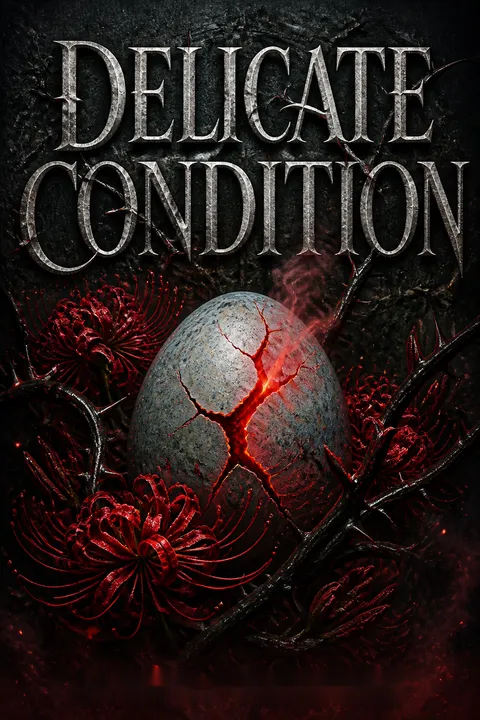
Delicate Condition is a modern gothic horror that uses the visceral realities of pregnancy, infertility, and loss to explore the ways women's pain is dismissed, exploited, and transformed
The novel's central lesson is that motherhood is both a site of vulnerability and power, shaped by forces—medical, social, supernatural—beyond any one woman's control. Anna's journey is a microcosm of generational trauma: her suffering is not unique, but part of a long history of women being gaslit, violated, and forced to make impossible choices. The supernatural elements—witches, rituals, soul transference—are metaphors for the ways women create meaning and community in the face of institutional failure. The book critiques the medicalization of women's bodies, the inadequacy of male partners, and the dangers of isolation, while also celebrating the resilience and solidarity of women who refuse to be silenced. Ultimately, Delicate Condition is a story about reclaiming agency, rewriting the narrative of motherhood, and finding power in the very pain that was meant to destroy.
People Also Read







Characters
Anna Victoria Alcott
Anna is an actress whose longing for motherhood is matched only by her fear and vulnerability. Her journey through IVF, pregnancy, and loss is marked by physical pain, psychological terror, and a growing sense of isolation. Anna's relationships—with Dex, Siobhan, Talia, and her doctors—are fraught with betrayal and misunderstanding. She is gaslit, dismissed, and violated, yet her determination to protect her child never wavers. Anna's psychological arc is one of transformation: from victim to survivor, from isolated woman to member of a powerful coven. Her story is a meditation on the costs and rewards of motherhood, the unreliability of institutions, and the power of women's pain and solidarity.
Dexter (Dex) Harding
Dex is Anna's husband, initially portrayed as loving and supportive but ultimately revealed as unfaithful and emotionally distant. His inability to understand Anna's pain and his complicity in her suffering make him both a source of comfort and a source of trauma. Dex's psychological complexity lies in his desire for control and his fear of vulnerability. His betrayal is both personal and symbolic, representing the failure of male partners to truly support women through reproductive trauma. Dex's fate—mutilated and killed during Anna's monstrous labor—serves as a dark catharsis for Anna and a commentary on the dangers of patriarchal entitlement.
Siobhan Walsh
Siobhan is a famous actress and cancer survivor who becomes Anna's confidante and spiritual guide. Her own experiences with illness and loss make her empathetic but also driven by her own needs. Siobhan's decision to use magic to save Anna's baby, at the cost of her own life, is both an act of love and a transgression of natural boundaries. Her soul's transfer into Anna's daughter complicates the meaning of motherhood and legacy. Siobhan embodies the duality of nurturing and consuming, healing and haunting.
Talia Donovan
Talia is a complex figure—supportive, wise, and deeply involved in Anna's life, yet also a source of suspicion. Her own struggles with fertility and her connections to the coven make her both ally and potential threat. Talia represents the ambiguity of female friendship in the context of reproductive trauma: solidarity and rivalry, empathy and secrecy. Her role in the coven and her ambiguous morality highlight the blurred lines between help and harm.
Dr. Carla Hill
Dr. Hill is the fertility specialist who guides Anna through IVF and pregnancy. Outwardly compassionate and competent, she is ultimately revealed as a "middleman" for a coven that preys on desperate women. Dr. Hill's psychoanalysis reveals a woman who rationalizes her actions as necessary or even benevolent, while participating in a system that exploits and endangers her patients. She embodies the failure of the medical establishment to truly care for women, and the dangers of misplaced trust.
Cora
Cora is the clinic receptionist who tampers with Anna's appointments and medications, motivated by her own affair with Dex and her jealousy of Anna. Her actions are both petty and catastrophic, illustrating how personal grievances can have devastating consequences. Cora's psychological arc is one of guilt and desperation, as she tries to warn Anna too late. She represents the dangers of internalized misogyny and the ways women can be complicit in each other's suffering.
Io Preecher
Io is a former surrogate who believes she was targeted by a cult and now documents her theories online. Her paranoia and trauma make her both a source of information and a cautionary tale. Io's role is to connect Anna's personal suffering to a larger history of women's pain and exploitation. Her psychological complexity lies in her need to make sense of her trauma, even if it means embracing conspiracy.
Emily
Emily is Anna's publicist, whose career ambitions and access to Anna's private life make her a suspect in the sabotage. Ultimately, Emily is revealed as self-serving but not directly responsible for Anna's suffering. She represents the pressures of professional success and the ways women's bodies and stories are commodified.
Meg
Meg is the mysterious woman who poses as an ultrasound tech and is later revealed as a member of the coven. Her interventions are both invasive and protective, blurring the line between threat and ally. Meg's psychological role is that of the trickster or liminal figure, embodying the ambiguity of female power.
Olympia
Olympia is the head of the birthing center and the coven, orchestrating the rituals that save Anna's baby and initiate her into the community of witches. She is calm, authoritative, and enigmatic, representing the possibility of alternative forms of care and knowledge. Olympia's psychological complexity lies in her ability to balance compassion with the demands of the supernatural order.
Plot Devices
Unreliable Reality and Gaslighting
The narrative structure blurs the line between psychological horror and supernatural thriller, using Anna's unreliable perceptions to keep both her and the reader off-balance. Gaslighting by Dex, doctors, and even friends amplifies Anna's isolation and fear, making her struggle for truth and agency central to the plot. The use of hallucinations, altered memories, and ambiguous symptoms creates a sense of dread and uncertainty, foreshadowing the ultimate revelation of supernatural intervention.
Historical Interludes and Generational Trauma
The novel intersperses Anna's story with vignettes from other women throughout history—surrogates, enslaved women, mothers accused of hysteria or witchcraft. These interludes serve as both foreshadowing and thematic reinforcement, connecting Anna's personal pain to a larger legacy of female suffering, exploitation, and resistance. The cyclical nature of these stories suggests that Anna's ordeal is both unique and universal.
Symbolism of Dolls, Birds, and Marks
Dolls marked with Xs, birds circling, and the witch's mark on Anna's daughter all serve as symbols of threat, transformation, and inheritance. These motifs foreshadow the supernatural elements of the plot and tie Anna's experience to folklore and myth. The recurring theft and destruction of personal tokens (photos, dolls) symbolize the vulnerability of motherhood and the dangers of being seen.
The Coven and the Supernatural Bargain
The coven of witches operates in the shadows, offering alternative forms of knowledge and power. Their rituals and interventions are both protective and invasive, blurring the line between help and harm. The supernatural bargain—Siobhan's soul inhabiting Anna's daughter—serves as the ultimate plot twist, reframing the meaning of motherhood, legacy, and agency.
Betrayal and Female Solidarity
The plot is driven by betrayals—by Dex, by doctors, by friends—but ultimately resolves in a new form of female solidarity. Anna's initiation into the coven represents both a healing of her trauma and a redefinition of family and community. The narrative structure moves from isolation to connection, from victimhood to empowerment.


Download PDF
Download EPUB
.epub digital book format is ideal for reading ebooks on phones, tablets, and e-readers.








































