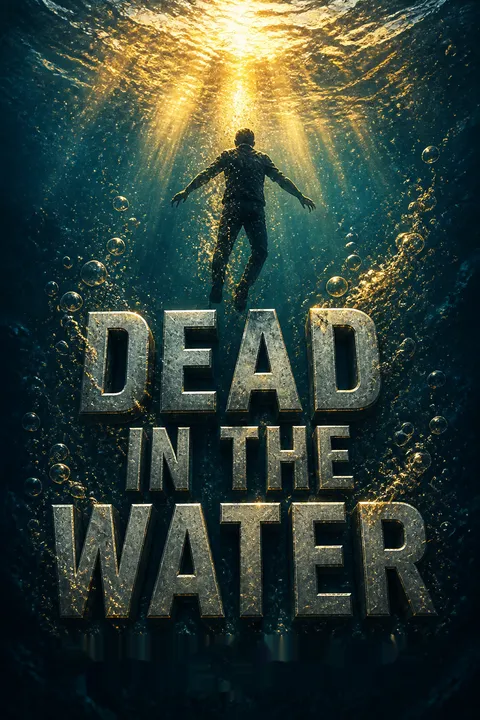

Plot Summary
Drowning and Awakening
Damon's life is upended when a playful challenge with his ex-wife Melissa leads to his near-drowning in the icy sea. As Melissa desperately resuscitates him, Damon glimpses a torrent of memories—some familiar, some deeply unsettling. Among them is the vivid image of a dead red-haired boy, a vision that refuses to fade. This brush with death marks the beginning of Damon's unraveling, as he returns to life not only physically altered but haunted by the certainty that he has witnessed, or perhaps caused, something terrible in his past. The emotional aftermath leaves both Damon and Melissa shaken, their relationship forever changed by the trauma and the secrets it threatens to reveal.
Hauntings and Hallucinations
In the weeks following his resuscitation, Damon is plagued by hallucinations of the dead boy, whose presence grows more insistent and terrifying. The boy appears in mirrors, in the supermarket aisles where Damon works, and even in the privacy of his home, always with a black, gaping mouth and accusing eyes. Damon's grip on reality weakens as he questions whether these visions are supernatural, the result of brain injury, or repressed memories clawing their way to the surface. Melissa, worried for his sanity, urges him to seek help, but Damon becomes obsessed with uncovering the truth behind the boy's identity and his own possible guilt.
The Boy Beneath the Waves
Damon's fixation on the red-haired boy intensifies as he searches for clues in his fragmented memories. He recalls a scene of standing over the boy's bleeding body, feeling both horror and a strange detachment. The boy's image is so vivid that Damon becomes convinced he is not a figment of imagination but a real person from his past. Desperate for answers, Damon visits his foster mother Helena, hoping she can shed light on his childhood. Helena, herself haunted by secrets, offers only vague reassurances, leaving Damon more unsettled and determined to dig deeper into his own history.
Fractured Memories Surface
Damon turns to hypnotherapy in a last-ditch effort to recover his lost memories. Under hypnosis, he relives the moment with the red-haired boy, recalling details of a path, blood, and a desperate attempt to call for help. Yet the memory remains incomplete, shrouded in fear and guilt. The sessions leave Damon emotionally raw, as he oscillates between hope for redemption and terror that he may have been responsible for a child's death. The boundaries between memory, hallucination, and reality blur, pushing Damon closer to the edge.
The Challenge Pact
The story rewinds to the origin of Damon and Melissa's "challenge pact"—a playful agreement to push each other out of their comfort zones before settling down to start a family. What began as a lighthearted attempt to rekindle spontaneity in their relationship becomes the catalyst for tragedy. The sea-swimming challenge, chosen by Melissa to confront Damon's fear of open water, nearly kills him and sets in motion the chain of events that will unravel both their lives. The emotional fallout exposes cracks in their marriage and forces them to confront the unresolved traumas lurking beneath the surface.
Ghosts in the Everyday
Damon's visions of the dead boy become more frequent and intrusive, disrupting his work, friendships, and sense of self. He begins to see other figures—his mother, a baby, and eventually more children—each bearing the marks of violence or tragedy. These apparitions seem to demand something from him, their silent accusations driving Damon to the brink of madness. Melissa, torn between love and fear, struggles to support him while grappling with her own guilt and secrets. The couple's shared history becomes a battleground for memory, blame, and the desperate search for meaning.
The Good Samaritan Arrives
Damon's obsession leads him to an online forum where he meets Laura, a woman who calls herself "The Good Samaritan." Laura offers to help Damon die and be resuscitated, believing that another near-death experience will unlock the truth he seeks. Their encounter is chilling—Laura is both compassionate and predatory, her motives ambiguous. When Melissa interrupts Laura's attempt to kill Damon, it becomes clear that Laura is not interested in saving lives but in orchestrating death. The encounter leaves Damon traumatized and more desperate than ever for closure.
Death's Door Revisited
Unable to let go, Damon convinces Melissa to help him die again, this time by drowning in a bathtub. Each time he is resuscitated, he brings back more memories and more ghosts. He learns the names and faces of the children who haunt him—Callum, Daisy, and his baby brother Bobby—and begins to piece together the events that led to their deaths. The process is physically and emotionally devastating, straining his relationship with Melissa to the breaking point and pushing him further into isolation and self-destruction.
The Search for Truth
Damon's investigation leads him to confront his foster mother Helena, his estranged father Ralf, and the official records of his childhood. He discovers that his father was convicted of killing Daisy Barber, a teenage girl, and was also a suspect in the death of Callum Baird. Yet the truth is more complicated—Damon's own memories, suppressed by trauma and electroconvulsive therapy, suggest that he may have been responsible for the deaths himself. The revelation that his father took the blame to protect him shatters Damon's sense of identity and morality.
Family Ties Unravel
As Damon's memories return, he realizes that violence and abandonment have shaped his family for generations. His mother's suicide, his father's criminality, and his own acts of violence are intertwined in a web of guilt and denial. The discovery that his foster mother Helena was once his father's lover, and that he has a half-sister, adds another layer of complexity to his fractured sense of self. The ghosts that haunt him are not only the children he killed but the family he destroyed.
The Father's Shadow
Damon tracks down his father, now released from prison, and demands answers. Their confrontation is violent and cathartic, as Damon unleashes years of rage and grief. His father admits to covering up Damon's crimes and sacrificing his own freedom to give his son a chance at a normal life. Yet the cycle of violence continues—Damon's suppressed urges resurface, and he finds himself capable of further harm. The line between victim and perpetrator blurs, leaving Damon uncertain whether he is redeemable or doomed to repeat the sins of his father.
The Therapy Tapes
The key to Damon's past lies in a series of therapy tapes and the controversial use of electroconvulsive therapy to suppress his violent impulses. Listening to the tapes, Damon learns that he was a troubled child, prone to rage and violence, and that his memories were deliberately erased to protect him—and others—from himself. The therapy worked for years, but his near-death experiences have begun to undo its effects, allowing the truth to resurface. The tapes reveal not only his crimes but the complicity of the adults who tried to save him by hiding the truth.
The Children of Violence
Damon's recovered memories reveal the full extent of his actions: he killed his baby brother Bobby in a misguided attempt to win his mother's love, suffocated Callum Baird out of jealousy and fear of abandonment, and murdered Daisy Barber in a fit of rejected adolescent passion. Each act of violence is rooted in his desperate need for connection and his terror of being left alone. The ghosts that haunt him are both victims and witnesses, their presence a constant reminder of the consequences of his actions.
The Final Descent
As Damon's life unravels, he becomes increasingly isolated and dangerous. His relationship with Melissa collapses under the weight of guilt, betrayal, and the revelation that she aborted their child. In a final act of violence, Damon kills Melissa and her partner Adrienne, unable to bear the loss and rejection. He arranges his own death with Laura, seeking oblivion and an end to the cycle of violence. His last moments are filled with visions of what might have been—a life of love, family, and redemption forever out of reach.
The Last Confession
After Damon's death, his half-sister Sally discovers his confessions and the evidence of his crimes. She faces a moral dilemma: whether to reveal the truth and risk her own future, or to bury the past and protect herself and her family. Sally's decision to erase the most damning evidence mirrors the choices made by the adults in Damon's life, perpetuating the cycle of secrecy and denial. Yet Sally is not innocent—she, too, has killed, and her fascination with death suggests that the legacy of violence may continue.
The Cycle Continues
The story ends with Sally reflecting on her own capacity for violence and her plans for the future. As she prepares to start a new life, she is haunted by visions of Damon, her mother, and her own victims. The cycle of trauma, secrecy, and violence remains unbroken, suggesting that the darkness at the heart of the family will persist. The final image is one of ambiguity and unease—a world where the line between victim and perpetrator is forever blurred, and where the past can never truly be escaped.
Analysis
Dead in the Water is a masterful psychological thriller that interrogates the boundaries between memory, guilt, and identity. Through its innovative use of near-death experiences as a narrative device, the novel explores how trauma can fracture the self, distort reality, and perpetuate cycles of violence across generations. The story's structure—fragmented, recursive, and deeply unreliable—mirrors the protagonist's shattered psyche, drawing the reader into a world where truth is elusive and redemption is always just out of reach. At its core, the novel is a meditation on the consequences of secrecy, the dangers of denial, and the human longing for connection and forgiveness. It challenges readers to consider the limits of empathy, the complexity of moral responsibility, and the possibility that evil is not an external force but something that can take root in anyone, given the right circumstances. In the end, Dead in the Water is both a cautionary tale and a tragic portrait of a man—and a family—drowning in the consequences of their own actions, forever searching for a way back to the surface.
Review Summary
Dead in the Water by John Marrs receives polarized reviews averaging 3.94 stars. Most praise its dark, twisty nature and relentless pacing, with many highlighting the shocking crossover character Laura from The Good Samaritan. Readers appreciate the psychological thriller elements, supernatural undertones, and multiple jaw-dropping twists. The protagonist Damon's obsession with dying repeatedly to unlock repressed memories captivates many. However, critics find it overly repetitive, implausible, and predictable, with some calling the plot exhausting and the character motivations illogical. Most recommend reading The Good Samaritan first for maximum impact.
People Also Read







Characters
Damon Lister
Damon is the emotional and psychological core of the novel—a man whose near-death experience triggers a cascade of hallucinations, repressed memories, and revelations about his violent past. Raised in a fractured family, shuffled through foster care, and subjected to controversial therapy, Damon is both victim and perpetrator. His desperate need for love and fear of abandonment drive him to acts of violence against those closest to him, even as he seeks redemption and understanding. Damon's journey is one of self-discovery, horror, and ultimately self-destruction, as he confronts the truth about his own nature and the legacy of trauma he cannot escape.
Melissa
Melissa is Damon's former partner and the person most intimately connected to his unraveling. Her decision to help Damon die and be resuscitated is born of love, guilt, and a sense of responsibility, but it ultimately entangles her in his cycle of violence. Melissa's own secrets—her abortion, her new relationship with Adrienne, her struggle to move on—mirror Damon's inability to let go of the past. She is both a victim of Damon's obsession and a participant in his self-destruction, her compassion ultimately leading to her own tragic end.
Laura ("The Good Samaritan")
Laura is a chilling presence—a woman who preys on the vulnerable under the guise of compassion. Her fascination with death and her history of encouraging suicides make her both a mirror and a catalyst for Damon's descent. Laura's ambiguous motives and calculated cruelty expose the dangers of misplaced trust and the thin line between help and harm. Her involvement in Damon's final death is both the culmination of her own obsessions and a commentary on the seductive power of darkness.
Helena
Helena is the guardian who tries to save Damon by any means necessary, including complicity in the erasure of his memories and the concealment of his crimes. Her relationship with Damon's father and her own daughter Sally add layers of complexity to her role as protector and enabler. Helena's actions are driven by love, guilt, and a desire to do good, but they ultimately contribute to the perpetuation of violence and secrecy. Her decline into illness and helplessness is both a personal tragedy and a symbol of the failure of the systems meant to protect vulnerable children.
Ralf Lister
Damon's father is a shadowy figure whose criminal past and emotional absence shape Damon's life. Ralf's decision to take the blame for Damon's crimes is both an act of love and a perpetuation of denial. His own violence and inability to break the cycle of trauma make him both a victim and a perpetrator. Ralf's death marks the end of one generation's struggle and the beginning of another's.
Sally
Sally is the next link in the chain—a young woman whose fascination with death and capacity for violence echo Damon's own. Her decision to kill Damon and her mother, and to conceal the truth, suggest that the legacy of trauma and secrecy will continue. Sally's intelligence, ambition, and moral ambiguity make her both a survivor and a potential threat, raising questions about the nature of evil and the possibility of redemption.
Adrienne
Adrienne is Melissa's new love and the person most threatened by Damon's inability to let go. Her skepticism, protectiveness, and eventual victimhood highlight the destructive power of unresolved trauma and obsession. Adrienne's presence forces Melissa to confront her own loyalties and the consequences of her choices.
Callum Baird
Callum is the red-haired boy whose death haunts Damon and whose memory becomes the key to unlocking the truth. His relationship with Damon is marked by rivalry, jealousy, and ultimately violence. Callum's presence as a ghost is both an accusation and a plea for understanding, embodying the consequences of unchecked rage and the longing for connection.
Daisy Barber
Daisy is the girl Damon loved and killed, her rejection triggering his final descent into violence. Her memory is both a source of longing and guilt, her presence in Damon's visions a reminder of what might have been. Daisy's death is the turning point that leads to the unraveling of Damon's family and the exposure of the truth.
Bobby
Bobby is Damon's baby brother, suffocated in a misguided attempt to restore family harmony. His death is the original sin that sets the cycle of violence in motion, shaping Damon's psyche and the fate of everyone around him. Bobby's presence in Damon's visions is a symbol of lost innocence and the impossibility of undoing the past.
Plot Devices
Life-Review Flashbacks
The central device of the novel is Damon's repeated near-death experiences, each of which triggers a "life review"—a simultaneous, overwhelming flood of memories, both real and repressed. These flashbacks are non-linear, blending past and present, and serve as both a narrative engine and a psychological exploration. The device allows the story to gradually reveal the truth about Damon's actions, his family's secrets, and the consequences of trauma, while maintaining suspense and ambiguity.
Unreliable Narration
Damon's perspective is deeply unreliable, shaped by trauma, therapy, and hallucination. The reader is forced to question what is real, what is imagined, and what has been deliberately erased or altered. This device creates a sense of unease and suspense, as the truth is always just out of reach, and the boundaries between victim and perpetrator are constantly shifting.
Haunting Apparitions
The recurring appearances of the dead children, Damon's mother, and other figures serve as both literal hauntings and psychological symbols. They represent Damon's guilt, his longing for connection, and the unresolved traumas that drive his actions. The apparitions are both accusatory and pleading, demanding that Damon confront the truth and seek redemption—or punishment.
Intergenerational Trauma
The novel explores the ways in which trauma, violence, and secrecy are passed down through generations. Damon's actions are shaped by his parents' failures, his foster mother's complicity, and the systems that failed to protect him. The revelation that Sally, too, is capable of violence suggests that the cycle is ongoing, raising questions about fate, responsibility, and the possibility of breaking free.
Confessional Structure
The use of therapy tapes, confessional emails, and recorded statements provides a framework for the gradual revelation of the truth. These devices allow for multiple perspectives, the layering of secrets, and the exploration of the limits of memory and confession. The confessions are both acts of self-exposure and attempts to control the narrative, highlighting the tension between truth and self-preservation.
Foreshadowing and Symbolism
The novel is rich in symbolic detail—Damon's tattoos, the handkerchief, the recurring images of water, fire, and electricity—all foreshadow the revelations to come and reinforce the themes of memory, trauma, and identity. These motifs create a sense of inevitability and interconnectedness, as the past continually intrudes upon the present.
Download PDF
Download EPUB
.epub digital book format is ideal for reading ebooks on phones, tablets, and e-readers.








































