

Plot Summary
Flames and Forbidden Longing
In the shadowed aftermath of betrayal, Devonry, the exiled Queen of Rozentine, and her loyal guard Solomon are bound by a forbidden, magnetic longing. Their connection is both a comfort and a torment, as Solomon's blood-bound nature and Devonry's royal duty keep them apart. Yet, in moments of vulnerability, their yearning flares—Solomon's touch is both a promise and a threat, and Devonry's awakening power mirrors the fire between them. Their love is a sin, a secret, and a source of strength, but it is also a dangerous distraction as they flee the ruins of their old life, haunted by the memory of a murdered king and the specter of a kingdom lost.
Exile Across the Sea
Devonry, stripped of her crown and hunted by the traitorous Prince Nasir, flees Rozentine with Solomon, Argyle, and Celine. Their journey across the sea is fraught with exhaustion, uncertainty, and the ache of displacement. Devonry's betrothal to Bartoli's Prince Enver is her last hope for an army to reclaim her throne, but the sea voyage is a liminal space—neither home nor haven. The group's camaraderie is tested by grief, guilt, and the unspoken tension between Devonry and Solomon. As Bartoli's golden shores rise on the horizon, hope and dread mingle, for the land ahead is as foreign as the future itself.
Arrival in Bartoli's Gilded Cage
Bartoli's palace is a dazzling prison—white and gold, beautiful but cold. Devonry and her companions are met with suspicion and veiled hostility. The Bartoli royals, especially Enver, are more interested in appearances and alliances than justice. Devonry is paraded as a political pawn, her identity reduced to her value as a bride. The palace's opulence cannot mask the undercurrent of danger, nor the sense that Devonry is a guest only so long as she is useful. Solomon's protective instincts clash with Devonry's need to assert herself, and the group's unity is strained by the unfamiliar customs and the ever-present threat of betrayal.
Banquet of Masks and Motives
At a lavish banquet, Devonry is forced to perform her people's sacred fire dance, turning her culture into spectacle for Bartoli's amusement. The event is a crucible—she is scrutinized, objectified, and tested. Enver's charm is revealed as shallow, and the Bartoli court's decadence is a mask for cruelty. Solomon's jealousy and devotion simmer beneath the surface, while Argyle and Celine navigate their own fraught dynamic. The night ends with Devonry's power manifesting in flames, a public declaration that she is no longer the powerless princess they expected. The court's reaction is a mix of awe and calculation, and the stakes are raised for all.
The Dance of Power
Devonry's fire is no longer metaphorical—her Awakening brings both strength and peril. She must learn to control her abilities, training with Argyle and Solomon, who push her to harness her emotions as fuel. The process is intimate and fraught, as her power is tied to her desire for Solomon and her rage at her circumstances. The Bartoli court watches, waiting for her to falter. Meanwhile, the political noose tightens: Enver's indifference, the Queen's barbed words, and the Ambassador's ambiguous loyalty all remind Devonry that her power is both a weapon and a liability.
Awakenings and Old Wounds
As Devonry's power grows, so does her understanding of those around her. She learns of Argyle's painful past and Celine's resilience, forging bonds of trust and friendship. Solomon's own scars—physical and emotional—are revealed, deepening their connection. Yet, old wounds fester: Devonry's guilt over her father's death, Solomon's sense of unworthiness, and the ever-present threat of Nasir's shadow. The group's unity is tested by secrets and the pressure of survival, but their shared pain becomes the crucible in which loyalty and love are reforged.
The Queen's Training
Devonry's training intensifies as she prepares for the battles ahead. Under Argyle's guidance and Solomon's watchful eye, she learns to channel her fire into arrows, to use her emotions as a weapon rather than a weakness. The process is grueling, both physically and emotionally, as she confronts her fears and doubts. The training grounds become a sanctuary and a battlefield, a place where Devonry claims her agency and her right to fight for her kingdom. Each success is hard-won, and each failure a reminder of what is at stake.
Bargains and Betrayals
Desperate for an edge, the group seeks out Argyle's old contact, the pirate Yulis, who offers a path to fully awaken Devonry's powers—for a price. The journey to the Caves of Thevaros is perilous, and trust is a scarce commodity. Along the way, Devonry faces the duplicity of the Bartoli court, the Ambassador's shifting allegiances, and the realization that even allies may have their own agendas. The cost of power is steep, and Devonry must decide how much she is willing to sacrifice for her people—and for herself.
The Bartoli Ultimatum
The Bartoli royals present Devonry with an ultimatum: marry Enver and receive their army, or be abandoned to Nasir's rule. The offer is a gilded cage, and Devonry's refusal is met with threats and manipulation. The court's true colors are revealed—her value is transactional, her agency an inconvenience. The Ambassador's betrayal is unmasked, and the noose tightens. Devonry's resolve hardens; she will not trade one form of captivity for another. The stage is set for escape, but the cost of defiance is high.
The Pirate's Secret
With Yulis' help, the group flees the palace and sails to the legendary Caves of Thevaros. The journey is both physical and spiritual—a descent into darkness, memory, and myth. Devonry faces visions of the goddess Aerea, learns the true nature of her power, and confronts the legacy of sacrifice and forgiveness. The caves are a crucible, testing her will, her love for Solomon, and her readiness to claim her destiny. The price of awakening is pain, but also transformation.
The Caves of Thevaros
In the heart of the caves, Devonry undergoes a ritual of fire and water, emerging fully Awakened. The process is agonizing, and Solomon's presence is both a balm and a danger—his own blood-magic threatens to consume him. Their bond is tested as desire and need become indistinguishable from survival. In the darkness, they surrender to each other, their union both a healing and a claiming. The past is burned away, and a new queen is forged in the crucible of love and pain.
Blood and Fire
Solomon and Devonry's union is both literal and symbolic—a merging of blood, power, and destiny. Their love is consummated in the aftermath of awakening, but the world outside is no less dangerous. The Bartoli court's betrayal is revealed in full, and a deadly attack in the night forces Devonry to confront the reality that she is hunted not just for her crown, but for her very life. The cost of survival is innocence, and the price of love is vulnerability.
The Snake in the Bed
A monstrous, Awakened serpent attacks Devonry in her bed, shattering any illusion of safety. The attack is a message: she is not wanted, only her power is. The group realizes that even their supposed allies are enemies, and that the Bartoli court will stop at nothing to control or destroy her. The betrayal cuts deep, and trust is a rare and precious commodity. The only certainty is that they must escape—now.
The Queen's Choice
Devonry refuses the Bartoli ultimatum, choosing freedom over captivity, even at the risk of war. The group's escape is a desperate, dangerous flight—down palace walls, through moonlit courtyards, and into the wild. The pursuit is relentless, and the cost of defiance is blood. Devonry's choice is both a rejection of the old order and an embrace of her own agency. She is no longer a pawn, but a queen in her own right.
Flight from the Palace
The escape from Bartoli is a gauntlet of danger—arrows fly, soldiers close in, and the group's unity is tested by fear and exhaustion. Devonry's power is both a shield and a beacon, drawing fire even as it protects. Solomon and Argyle fight with desperate courage, while Celine's loyalty is tested to the breaking point. The cliffs loom ahead—a final barrier between captivity and freedom.
The Cliff's Edge
Cornered at the edge of a cliff, with the sea raging below and enemies closing in, Devonry makes an impossible choice. Trusting in her power and her companions, she leaps—wings of fire erupt from her back, carrying them over the abyss. The act is both miracle and madness, a defiance of fate and a claim to legend. The cost is agony, and the price is paid in blood and exhaustion.
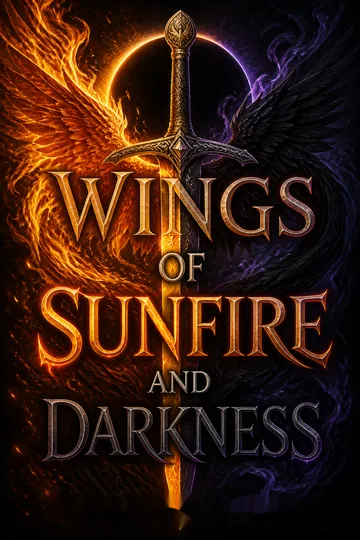
Wings of Sunfire
Devonry's wings are both a gift and a curse—her power saves them, but the effort nearly kills her. Solomon's devotion is tested as he fights to keep her alive, and the group is forced to confront the reality that survival is not victory. The sea is both a barrier and a promise, and the future is uncertain. Yet, in the aftermath, Devonry is no longer the girl who fled Rozentine—she is a queen forged in fire and loss.
The Price of Survival
Aboard Yulis' ship, the group licks their wounds and reckons with what they have lost—and what they have become. Devonry's power is both a weapon and a burden, and her resolve is hardened by pain. The bonds between the group are tested and strengthened, and the path ahead is both daunting and necessary. The past cannot be reclaimed, but the future is theirs to seize—if they are willing to pay the price.
The Queen Ascendant
As the Bartoli shores fade into the distance, Devonry stands at the prow of the ship, transformed by fire, loss, and love. She is no longer a pawn, but a queen—Awakened, determined, and unafraid to wield her power. The lessons of betrayal, sacrifice, and trust have forged her into a leader ready to reclaim her kingdom. The road home is uncertain, but Devonry is no longer running—she is ready to fight, to rule, and to become the legend she was always meant to be.
Analysis
Dawn of Fate and Valor is a sweeping fantasy of exile, awakening, and the forging of identity in the crucible of loss and desire. At its heart, the novel is a meditation on the cost of power and the necessity of self-acceptance. Devonry's journey—from pawn to queen, from victim to agent of her own fate—is mirrored in the evolution of her relationships, especially with Solomon. The narrative interrogates the dangers of tradition, the corrosive effects of betrayal, and the redemptive power of chosen family. Magic is both a weapon and a metaphor, its price a constant reminder that nothing worth having comes without sacrifice. In a world where trust is rare and alliances are fragile, the novel argues that true strength lies not in isolation, but in the willingness to be vulnerable—to love, to forgive, and to claim one's destiny, even when the path is shrouded in fire and shadow. The story's modern resonance lies in its refusal to offer easy answers: Devonry's triumph is hard-won, her scars are real, and the future remains uncertain. Yet, in the end, she stands not as a symbol of perfection, but as a testament to the power of survival, transformation, and hope.
People Also Read



Characters
Devonry Estrand
Devonry is the rightful Queen of Rozentine, cast into exile by betrayal and forced to navigate a world that sees her as both pawn and threat. Her journey is one of transformation—from sheltered princess to Awakened queen, from victim to agent of her own fate. Haunted by guilt over her father's death and the loss of her kingdom, Devonry's psyche is a battleground of duty, desire, and self-doubt. Her power is both literal (fire magic) and symbolic (her will to survive and lead). Her relationship with Solomon is the axis of her emotional arc: he is both temptation and salvation, the one who sees her as more than a crown. Devonry's greatest fear is losing herself—to power, to love, or to the darkness within. By the end, she claims her agency, embracing both her light and her shadow.
Solomon Winett
Solomon is Devonry's sworn guard, a warrior marked by trauma, self-loathing, and a forbidden love for his queen. His Awakened nature—part man, part beast—mirrors his internal struggle between duty and desire. Solomon's psyche is shaped by years of war, loss, and the belief that he is unworthy of Devonry's love. His devotion is absolute, but it is also possessive and self-sacrificing. He is both shield and sword, willing to die for Devonry but terrified of what his love might cost her. His journey is one of acceptance—of his own worth, of his right to love, and of the darkness within him. The consummation of his bond with Devonry is both healing and dangerous, a union of equals forged in blood and fire.
Argyle
Argyle is a member of the House of Ravens, a man shaped by hardship, loss, and the need to hide his true self. His humor and bravado mask deep wounds, and his loyalty to Solomon and Devonry is hard-won but unshakeable. Argyle's relationship with Celine is a mirror of his own struggle to trust and be trusted. As a mentor, he pushes Devonry to claim her power, but his own secrets threaten to undermine the group's unity. Argyle is a pragmatist, willing to make hard choices, but his cynicism is tempered by genuine care for his found family.
Celine
Celine is a former noble, cast out and marked by both trauma and an unbreakable will. Her clairvoyance is both a gift and a burden, and her loyalty to Devonry is rooted in shared pain and hope. Celine's relationship with Argyle is fraught with tension and tenderness, a dance of trust and vulnerability. She is the group's moral compass, often reminding Devonry of her humanity and the cost of power. Celine's greatest fear is being powerless, but her journey is one of reclaiming agency and forging her own destiny.
Prince Enver
Enver is the Bartoli prince to whom Devonry is betrothed—a man of charm, privilege, and self-interest. His affections are shallow, his loyalty transactional. Enver is a product of his environment, more interested in appearances and power than justice or love. His relationship with Devonry is a study in contrasts: where she seeks agency, he seeks control. Enver's greatest flaw is his inability to see beyond his own desires, making him both a tool and a victim of his family's ambitions.
King Florian and Queen Helena
The Bartoli king and queen are masters of courtly intrigue, wielding power with a velvet-gloved fist. Their hospitality is a mask for calculation, and their promises are always conditional. They see Devonry as a means to an end—a way to expand their influence and secure their legacy. Their relationship with Enver is transactional, and their treatment of Devonry is a study in the politics of power and gender. They embody the dangers of tradition untempered by compassion.
Prince Nasir
Nasir is the catalyst for Devonry's exile—the friend turned traitor, the prince who murdered her father and seized her kingdom. His motivations are complex: love twisted into obsession, ambition curdled into violence. Nasir's betrayal is both personal and political, a wound that shapes Devonry's journey. He is a mirror of what Devonry might become if she lets power consume her. Nasir's presence haunts the narrative, a reminder that the greatest threats often come from those closest to us.
Lord Byron (Ambassador)
Lord Byron is the Rozentine ambassador in Bartoli, a man whose loyalties are as shifting as the tides. Outwardly helpful, he is ultimately revealed as a traitor—an Awakened serpent who attacks Devonry in her sleep. His duplicity is a commentary on the dangers of misplaced trust and the corrosive effects of power. Byron's betrayal is a turning point, forcing Devonry to rely on herself and her chosen family.
Yulis
Yulis is Argyle's old contact, a pirate with a code of his own. He is both a smuggler and a sage, guiding the group to the Caves of Thevaros and demanding a price for his help. Yulis represents the world outside of courts and crowns—a place where survival depends on wit, loyalty, and the willingness to make hard bargains. His mentorship is pragmatic, and his presence is a reminder that power always comes at a cost.
The Goddess Aerea
Aerea is the mythic figure whose blood runs in Devonry's veins—a goddess of fire, forgiveness, and transformation. Her presence is felt in visions, dreams, and the awakening of Devonry's power. Aerea is both guide and warning, a symbol of the potential for both creation and destruction. Her story is a mirror for Devonry's own, and her lessons are the key to claiming not just a throne, but a destiny.
Plot Devices
Dual Narrative and Interwoven POVs
The novel employs a dual narrative structure, alternating between Devonry and Solomon's points of view. This device allows readers to experience the story's emotional arc from both sides of the central relationship, deepening the sense of longing, misunderstanding, and eventual union. The shifting perspectives also provide insight into the political machinations, personal traumas, and evolving loyalties that shape the plot. The interwoven voices create dramatic irony, as readers are privy to secrets and desires that the characters themselves often struggle to articulate.
The Awakening as Metaphor
Devonry's magical Awakening is both a literal and symbolic device, representing her journey from powerlessness to agency. The process is tied to emotion—especially desire, rage, and grief—making the mastery of magic a metaphor for self-acceptance and the forging of identity. The cost of power is a recurring motif: every use of magic demands a price, echoing the novel's themes of sacrifice, trauma, and the dangers of unchecked ambition.
Foreshadowing and Prophecy
Prophetic dreams, visions of the goddess Aerea, and Celine's clairvoyance are used to foreshadow key events and to explore the tension between destiny and free will. These devices create a sense of inevitability while also highlighting the characters' agency in shaping their own futures. The recurring motif of trust—both in oneself and in others—is woven through these prophetic moments, challenging characters to confront their fears and make hard choices.
Political Intrigue and Betrayal
The plot is propelled by a web of political machinations: arranged marriages, shifting alliances, and the ever-present threat of betrayal. The Bartoli court's duplicity, the Ambassador's treachery, and Nasir's usurpation all serve to isolate Devonry and force her to rely on her own strength and the loyalty of her chosen family. The use of ultimatums, secret bargains, and assassination attempts heightens the stakes and underscores the dangers of power without principle.
The Cliff's Edge and Leap of Faith
The climactic escape—leaping from a cliff with enemies in pursuit—serves as both literal and symbolic crucible. Devonry's wings of fire are the manifestation of her transformation, and the leap is an act of trust in herself, her companions, and her destiny. The device of the cliff's edge recurs throughout the novel, representing moments of choice, risk, and the forging of identity in the face of fear.
Awakened Fates Series

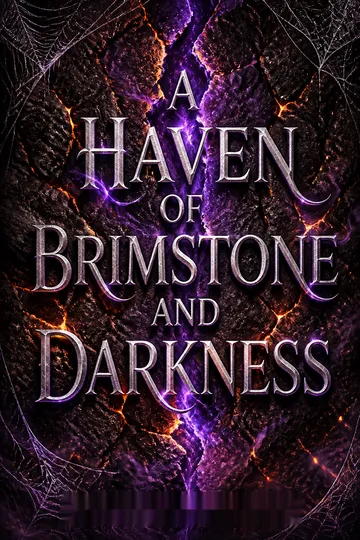
Download PDF
Download EPUB
.epub digital book format is ideal for reading ebooks on phones, tablets, and e-readers.








































