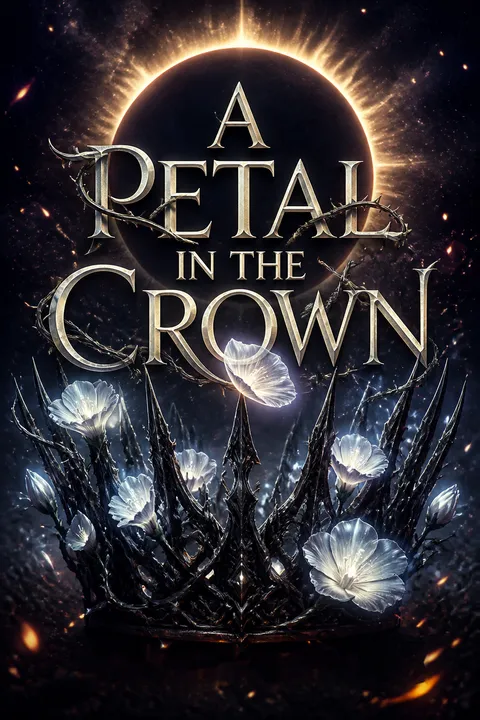

Plot Summary
Ashes and Moonflowers
The story opens in devastation: Lea kneels over Gray's lifeless body as fire and destruction consume her home. Her grief is so profound it unleashes her full, god-gifted magic, threatening to destroy everything. In her agony, she finally succeeds in growing the legendary moonflowers, the only hope to cure the Lonely Death. But even as she distributes the petals to save her friends, the flowers cannot bring Gray back. The cost of victory is unbearable, and Lea's heart is shattered. Her friends beg her to stay, but she is consumed by loss and the darkness within her, setting the stage for a journey through death, sacrifice, and the true meaning of power.
Grief Unleashed, Magic Unbound
Overwhelmed by loss, Lea's magic spirals out of control, endangering everyone around her. Her friends risk their lives to reach her, reminding her of her promise to save Emma and the rebels. Torn between vengeance and duty, Lea is forced to choose: destroy the world in her pain, or save those she loves. She picks the latter, distributing the moonflower cure, but the darkness inside her grows. In a desperate act, she takes a potion to follow Gray into death, determined to bring him back or join him beyond the veil, setting in motion a confrontation with the gods themselves.
Bargains Beyond the Veil
In the liminal space between life and death, Gray and Lea are reunited, but their joy is short-lived. The gods appear, demanding balance: only one may return to the living. Both are forced to confront the cost of their love and the fate of their kingdom. Gray urges Lea to live and lead, but she tricks him, sacrificing herself so he can return. The gods warn of dire consequences, and Lea's soul is left in the void, her power and pain growing as she waits for a second chance.
The Gods' Ultimatum
The gods, embodiments of sun and moon, demand a sacrifice for the world's balance. They reveal the prophecy: only Lea can defeat Alaric, but she must do so alone. The gods' indifference to suffering and their demand for balance force Lea and Gray to make impossible choices. Their love is both their strength and their curse, and the gods' decree sets the stage for a final confrontation that will determine the fate of Desia.
Sacrifice and Resurrection
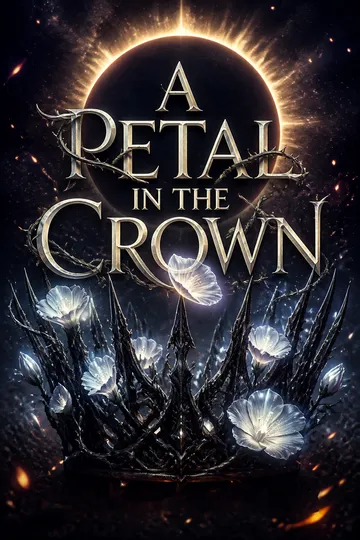
In a moment of heartbreak, Lea tricks Gray into swallowing a moonflower petal, sending him back to life while she remains beyond the veil. Gray awakens, but Lea's body is lifeless. The friends mourn, but hope is not lost. The goddess of the moon, moved by Lea's sacrifice, grants her a second chance—on the condition that she must kill Alaric before the last petal falls from her crown, or be separated from Gray forever. The clock is ticking, and the final battle looms.
The Queen's Return
Lea is resurrected, but she is no longer the girl she was. Her magic is darker, her emotions raw and volatile. The mate bond with Gray is gone, replaced by scars and a crown of moonflowers that mark her as the chosen one. The rebel army is healed, but the threat of Alaric and the gods' punishment hangs over them. Lea must learn to control her new power and face the darkness within, even as she prepares for war.
Darkness and Control
Haunted by the urge to destroy, Lea struggles to master her magic. She nearly kills a young traitor, stopped only by Gray's intervention. The darkness inside her is both a weapon and a curse, and she fears losing herself to it. With Gray's support, she finds moments of peace, but the threat of the last petal falling—and her own potential for destruction—remains ever-present.
The Traitor's Confession
The rebel army is shaken by the revelation that their location was compromised not by malice, but by a young soldier's mistake. Lea's near-execution of the boy is a turning point, forcing her to confront the line between justice and vengeance. The army rallies, but trust is fragile, and the cost of error is higher than ever as Alaric's forces close in.
The Witch's Cage
To fulfill a bargain, Lea descends into the Black King's private dungeons and frees a witch who once aided the Lonely Death. The witch is revealed to be Evangeline, Lea's birth mother, who sacrificed everything to protect her. The truth of Lea's origins, the tangled web of magic, and the cost of survival are laid bare. Evangeline's knowledge and power become crucial to the coming war.
Bloodlines and Betrayals
The truth of Lea's parentage and Evangeline's suffering at the hands of the Black King are revealed. Eudora's manipulations, Tanad's heartbreak, and the tangled history of witches and fae come to light. The lines between friend and foe blur, and the cost of victory grows ever steeper. The gods' demand for balance is echoed in the sacrifices of mothers, lovers, and friends.
The Sun's Wrath
The god of the sun unleashes wildfires and earthquakes, punishing Lea for defying fate. The kingdom is ravaged, and the rebel army is forced to split up to save as many as possible. The relentless heat and destruction mirror the internal battles of the characters, as they race against time and the gods' vengeance to find Alaric and end the war.
The Final Plan
With time running out, Lea devises a plan to face Alaric alone, knowing that Eudora's visions can only be thwarted if her intentions remain secret. She enlists her father's help to freeze time and slips away, leaving Gray and her friends behind. The army is mobilized, but the final confrontation will be hers alone. The last petals fall, and the fate of Desia hangs in the balance.
The Battle for Desia
The armies of Desia and Alaric clash in the Wicked Wood, while Lea faces Alaric and Eudora in a battle of magic, will, and sacrifice. The fenrir, ancient wolf guardians, choose sides. Friends and lovers fight and fall. The gods' punishment and the universe's demand for balance are felt in every blow. The cost of victory is measured in blood and loss.
The Lonely Death's End
In a brutal confrontation, Lea drains Alaric's stolen magic, enduring unimaginable pain as death hovers near. Eudora intervenes, taking the burden upon herself and dying to save Lea. With the last of her strength, Lea kills Alaric, ending the Lonely Death and breaking the cycle of suffering. The magic of the world is restored, but the price is high: friends are lost, and the scars of war remain.
The Last Petal Falls
As the eclipse ends and the sun returns, the survivors mourn their dead and honor their sacrifices. Emma loses Thomas but gains a mate mark, a sign of love that transcends death. The kingdom is reborn, wildflowers blooming where there was once only rot. The gods' punishment is lifted, and the promise of peace is finally within reach.
The Price of Victory
The survivors gather to bury their dead and plant new life. Lea and Gray, scarred but together, find their mate bond restored. The kingdom begins to heal, but the memory of sacrifice lingers. The story ends not with triumph, but with the quiet resilience of those who remain, and the hope that love and courage can outlast even the darkest magic.
Epilogue: Flowers for the Fallen
In the aftermath, the dead are honored with flowers and memory. The mate bond between Lea and Gray is restored, and the kingdom flourishes. The survivors find peace, but never forget the cost. The story closes with a promise: lilies for peace, poppies for sorrow, and peonies for hope of a better tomorrow.
Analysis
A Petal in the Crown is a sweeping, emotionally charged conclusion to a trilogy that explores the cost of love, the burden of power, and the necessity of sacrifice. At its core, the novel is about the struggle to find hope and meaning in a world shaped by trauma and loss. The story refuses easy answers: victory comes at a terrible price, and even the restoration of peace is haunted by the memory of those lost. The gods' demand for balance is both a source of suffering and a reminder that every act of love or violence ripples through the world. The novel's greatest strength is its refusal to shy away from the darkness within its characters, while still insisting on the possibility of redemption and renewal. In the end, it is not prophecy or power that saves Desia, but the willingness to choose love—even when it means letting go. The final image—flowers blooming on the graves of the fallen—captures the story's central lesson: that grief and hope, sorrow and joy, are inseparable, and that the true magic lies in the courage to keep going, even when the world is burning.
Review Summary
A Petal in the Crown concludes Megan Shade's romantasy trilogy with mixed reception. Readers praise the emotional finale, unpredictable plot twists, and satisfying character arcs, particularly Lea and Gray's relationship. Many appreciated the fast-paced conclusion after book two's cliffhanger. Common criticisms include too many POVs making the narrative repetitive, flat characters, slow pacing until the final chapters, and overused tropes like death/resurrection. While some found it anticlimactic with weak plotting, devoted fans declared it a perfect ending to their favorite series, praising the spice, action, and emotional depth.
People Also Read
Characters
Lea (Azalea)
Lea is the heart of the trilogy—a healer, a queen, and a vessel for the gods' magic. Her journey is one of relentless sacrifice: she loses her mother, her mate bond, and nearly her own life in the pursuit of saving her kingdom. Her love for Gray is both her strength and her curse, driving her to defy gods and fate. Psychologically, Lea is marked by trauma, guilt, and a constant battle with the darkness inside her. She fears her own power, yet learns to wield it for good, even as it threatens to consume her. Her relationships—with Gray, her friends, and her birth mother—are fraught with betrayal, forgiveness, and the search for identity. By the end, Lea is transformed: no longer a girl seeking approval, but a queen who accepts the cost of leadership and the necessity of hope.
Gray (Evander Nestruir)
Gray is the Night Prince, son of the Black King, and Lea's fated mate. His love for Lea is absolute, leading him to sacrifice himself, sever their bond, and endure unimaginable grief. Gray is a study in stoicism and vulnerability: he carries the weight of his family's sins, the burden of leadership, and the agony of loss. His psychological arc is one of learning to trust, to let go of control, and to accept that love sometimes means letting go. His relationship with Lea is the emotional core of the story, marked by passion, pain, and the struggle to balance personal desire with duty. By the end, Gray is both a king and a man remade by love and loss, his bond with Lea restored not by fate, but by choice.
Alaric
Alaric is the primary antagonist—a prince twisted by power, jealousy, and the legacy of his father. He is both a victim and a perpetrator, driven by a need for validation and a hunger for magic. Psychologically, Alaric is a study in narcissism and self-destruction: he cannot love, only possess. His relationship with Gray is defined by rivalry and resentment, while his obsession with Lea is both predatory and pathetic. Alaric's arc is a cautionary tale about the cost of unchecked ambition and the emptiness of power without love. His end is both tragic and just, a necessary sacrifice for the world's renewal.
Eudora
Eudora is a complex figure—at once a villain and a martyr. She orchestrates much of the story's conflict, manipulating events from the shadows, but her true motives are revealed only at the end: she has been working to save the kingdom all along, at the cost of her own life and reputation. Psychologically, Eudora is marked by guilt, foresight, and the burden of knowledge. She is willing to be hated if it means achieving a greater good. Her relationship with Tanad and the other witches is fraught with secrets and sacrifice. In the end, Eudora's death is both a redemption and a final act of love.
Evangeline
Evangeline is Lea's birth mother, a woman who has endured decades of torture to protect her daughter. She is both a victim and a survivor, marked by trauma, regret, and a fierce love that drives her to offer her own life in Lea's place. Psychologically, Evangeline is haunted by the choices she's made and the pain she's caused, but she finds peace in helping Lea fulfill her destiny. Her relationship with Lea is a study in forgiveness and the complexity of maternal love. By the end, Evangeline is both a guide and a symbol of hope.
Emma
Emma is the gentle soul who can see and speak to the dead, a gift that becomes a curse as the war intensifies. She is marked by compassion, self-doubt, and a quiet strength that emerges in crisis. Her love for Thomas is tender and tragic, culminating in a mate bond forged through loss. Psychologically, Emma is a healer who must learn to accept her own needs and the limits of her power. Her arc is one of acceptance and resilience, finding meaning in grief and hope in the aftermath.
Thomas
Thomas is Lea's childhood friend, a craftsman and a quiet hero. His love for Emma is steadfast, and his willingness to sacrifice himself is emblematic of the story's central theme: love as the highest form of courage. Psychologically, Thomas is marked by humility, loyalty, and a deep sense of responsibility. His death is both a tragedy and a testament to the power of ordinary goodness in extraordinary times.
Janelle
Janelle is the sharp-tongued, fiercely loyal friend who hides her vulnerability behind humor. She is a survivor of trauma, and her relationship with Erik is a source of healing and joy. Psychologically, Janelle is marked by a fear of intimacy and a need for control, but she learns to trust and to love fully. Her arc is one of transformation: from victim to warrior, from friend to wife, from survivor to leader.
Erik
Erik is Gray's second-in-command, a man defined by loyalty, rage, and a deep capacity for love. His relationship with Janelle is both passionate and healing, and his need for vengeance is tempered by compassion. Psychologically, Erik is marked by a fear of loss and a drive to protect those he loves at any cost. His arc is one of learning to balance justice with mercy, and to find peace in the aftermath of war.
Genevieve
Genevieve is Gray and Alaric's mother, a woman caught between loyalty to her sons and the horrors of her husband's reign. She is marked by sorrow, regret, and a quiet strength that endures even in captivity. Her death is a final act of love and a symbol of the cost of survival in a world ruled by power and betrayal.
Plot Devices
Prophecy and Fate
The narrative is driven by ancient prophecies and the gods' demand for balance. The tension between fate and free will is ever-present: characters struggle to fulfill or subvert the roles assigned to them, and every act of love or violence is weighed against the universe's need for equilibrium. The prophecy that only Lea can defeat Alaric—and only at great personal cost—creates a ticking clock and a sense of inevitability, while the gods' interventions add layers of complexity and moral ambiguity.
Magic as Metaphor
Magic in the story is both a literal force and a metaphor for power, trauma, and transformation. Lea's struggle to control her darkness is a reflection of her grief and rage; the moonflowers symbolize hope and the possibility of renewal. The mate bond, its severing and restoration, is a metaphor for love's endurance and the scars left by loss. The Lonely Death is both a magical plague and a symbol of generational trauma, passed down and only healed through sacrifice and connection.
Sacrifice and Resurrection
The story is structured around cycles of sacrifice and resurrection: Gray's death and return, Lea's journey beyond the veil, the repeated loss and restoration of hope. These moments are foreshadowed by the gods' warnings and the falling petals of Lea's crown, creating a sense of urgency and impending doom. The ultimate victory is not won by brute force, but by the willingness to pay the price for others—a theme echoed in every major character's arc.
Duality and Balance
The narrative is built on dualities: sun and moon, life and death, love and hate, creation and destruction. Characters are constantly forced to balance their own desires with the needs of the many, to wield power without becoming corrupted by it. The gods' insistence on balance is both a source of conflict and a guide for the characters' growth, culminating in a resolution that is bittersweet but true to the story's moral complexity.
Narrative Structure and Foreshadowing
The story uses multiple points of view and interwoven timelines to build suspense and emotional depth. Foreshadowing is used extensively: the falling petals, the gods' cryptic warnings, and the recurring motifs of flowers and storms all signal the coming climax. The structure allows for both intimate character moments and sweeping epic battles, maintaining tension and emotional resonance throughout.
Magic of the Wildflowers Trilogy Series
Download PDF
Download EPUB
.epub digital book format is ideal for reading ebooks on phones, tablets, and e-readers.








































