
Plot Summary
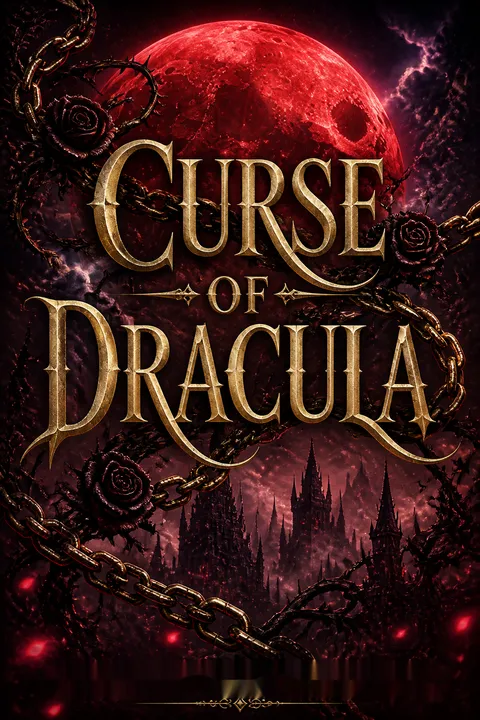
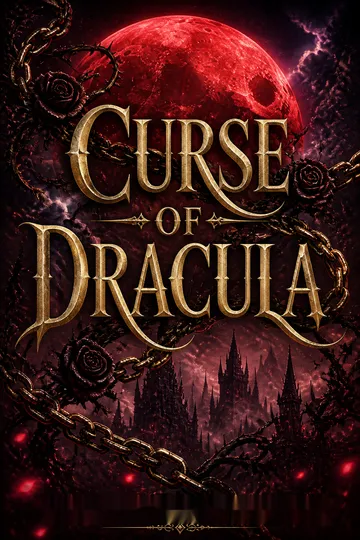
Crimson Moon Rises
The story opens with Vlad Tepes Dracula, ancient and tormented, casting Boston into eternal night beneath a blood-red moon. His unleashed curse transforms the city into a playground for his monstrous creations, a punishment for the hunters' defiance and a test for Maxine, the empath he both loves and dooms. As the city's screams replace birdsong, Maxine is wracked with guilt, feeling the agony of every soul through her empathic gift. She is chained by vampire hunters, blamed for the catastrophe, and haunted by her own choices. Dracula, meanwhile, watches the carnage with cold detachment, his heart a wellspring of cruelty, yet paradoxically yearning for connection. The stage is set for a war of souls, love, and vengeance.
Empath's Guilt Unleashed
Maxine, overwhelmed by the psychic onslaught of Boston's suffering, is paralyzed by guilt and horror. Her empathic abilities force her to relive every death and terror as if it were her own. The hunters—Alfonzo, Bella, and Eddie—argue over blame and strategy, but Maxine's internal torment eclipses their squabbles. She is torn between her love for Dracula and the devastation he has wrought. The hunters realize Maxine may hold the key to destroying Dracula permanently, but her will is shattered. The city's agony becomes a crucible, forging her resolve even as it threatens to break her.
Hunters and Monsters Collide
The hunters, dragging Maxine in chains, venture into the transformed city. Boston is now a labyrinth of horror, its streets running with blood and littered with corpses. They encounter Dracula's abominations—monsters that are both his children and extensions of his will. Maxine's empathy makes her both a witness and a victim to every atrocity. The group's unity is tested by fear, exhaustion, and the city's shifting, nightmarish architecture. Dracula and his lieutenants—Walter and Zadok—observe from the shadows, orchestrating psychological warfare. The city itself becomes a living, hostile entity, trapping the hunters in a maze of despair.
City Becomes a Nightmare
As the hunters wander, they realize Boston is no longer itself. Buildings twist, streets loop endlessly, and time loses meaning. Zadok, the illusionist vampire, taunts them with offers of escape in exchange for Maxine. The city's transformation is not just physical but metaphysical—a reflection of Dracula's mind and curse. Maxine senses the city's new, monstrous consciousness, and the group's hope dwindles. The hunters' resolve is eroded by exhaustion and the relentless psychological assault. Dracula's plan is clear: to break their spirits before breaking their bodies.
Seduction and Betrayal
Bella, the huntress, is lured away by Mordecai, Dracula's incubus captain. Under his seductive influence, she succumbs to forbidden pleasure, awakening desires and guilt she cannot reconcile. Zadok replaces Bella with an illusion, infiltrating the group and sowing discord. Maxine, tormented by visions and dreams of Dracula, is forced to confront the duality of his nature—cruelty and tenderness, love and destruction. The hunters' trust in each other unravels as secrets and betrayals come to light, and the city's nightmare deepens.
Illusions and Deceptions
With Bella missing, Zadok impersonates her, manipulating Eddie and Alfonzo while Maxine is forced to play along to protect Bella's life. The group's cohesion dissolves as Zadok exploits their weaknesses and desires. Eddie's unrequited love for Bella blinds him to the deception, while Alfonzo's obsession with vengeance grows. Maxine, isolated and complicit, is drawn deeper into Dracula's psychological game. The city's maze becomes a metaphor for their internal confusion, and the line between reality and illusion blurs.
Demon's Temptation
In Mordecai's arms, Bella surrenders to the incubus's love and lust, choosing to become his mate and, ultimately, a succubus. Her transformation is both liberation and damnation, freeing her from mortal shame but binding her to a new, predatory existence. Mordecai's love is genuine, challenging the hunters' simplistic notions of good and evil. Bella's choice marks a turning point—she is no longer a victim or a hunter, but a creature of the night, embracing her desires and her new family.
The City's Living Curse
Guided by Elizabeth, a cunning elder vampire, Maxine meets the Witchdoctor—a being formed from two persecuted souls fused by Dracula's curse. Through their stories, Maxine glimpses the humanity and tragedy within Dracula's monstrous court. She learns that his followers are not merely evil, but broken beings seeking belonging. The city's curse is revealed as a web of suffering, binding victims and monsters alike. Maxine's empathy becomes both a burden and a source of insight, preparing her for the ultimate judgment she must render.
Nightmares and Revelations
Maxine's dreams and empathic visions take her to the heart of Dracula's ancient curse—a punishment for forbidden love in a forgotten age. She witnesses the ritual that made him a monster, drowning the sun within his soul. The revelation deepens her understanding of his pain and the inevitability of his violence. Meanwhile, the hunters' fates are sealed: Alfonzo is captured and subjected to unspeakable torment, while Eddie is forced to confront the futility of vengeance. The city's nightmare is now personal, and Maxine stands at the crossroads of love and destruction.
Love Amidst Ruin
In the midst of horror, Maxine and Dracula's relationship reaches its climax—both physically and emotionally. Their union is a fusion of love, pain, and power, transcending mortal boundaries. Dracula offers her a choice: to love him fully, with all his darkness, or to destroy him. Maxine's empathy allows her to see the totality of his being, and their lovemaking becomes an act of mutual surrender and judgment. The city's fate, and perhaps the world's, hinges on her decision.
The Price of Mercy
Alfonzo's torture at the hands of Dracula's minions becomes a spectacle of cruelty, designed to break both body and spirit. Maxine, forced to witness his suffering, is confronted with the limits of compassion and the necessity of mercy. She pleads for Alfonzo's release, but Dracula insists on vengeance. The scene becomes a crucible for Maxine's moral resolve—can she love a monster who revels in such pain? The answer will determine not only Alfonzo's fate, but her own soul.
Chains of Fate
The time comes for Maxine to render her judgment. She must choose between destroying Dracula and embracing him, between ending the cycle of violence or perpetuating it. The chains that have bound her—guilt, love, fear—are now hers to break or accept. Dracula, kneeling before her, offers his soul and his fate into her hands. The city's nightmare is distilled into this moment of decision, and Maxine's empathy becomes the instrument of both salvation and damnation.
The Fall of Van Helsing
Alfonzo, broken and mutilated, begs for death. Eddie, shattered by loss and guilt, grants him mercy. The hunters' crusade ends in ruin, their ideals consumed by the darkness they sought to destroy. Maxine, now transformed by Dracula's curse, inherits the burden of leadership and the legacy of suffering. The old order is gone, and a new, uncertain future dawns.
Succubus Ascendant
Bella, now a full succubus, embraces her new identity and family. Her love for Mordecai and the birth of their child symbolize both the continuity and the transformation of the monstrous court. The boundaries between human and monster, love and predation, are forever blurred. Bella's journey from hunter to demon mirrors Maxine's own metamorphosis, and the two women become unlikely queens in a world remade by darkness.
The Vampire King's Judgment
In a final, intimate confrontation, Maxine uses her empathic power to shatter Dracula's soul, ending his reign and absorbing his curse. The act is both an execution and an act of love—she grants him the peace he could never find, even as she dooms herself to his eternal burden. Dracula's death is not a victory, but a sacrifice, and Maxine is left to rule in his stead, haunted by love and loss.
The Choice of the Empath
With Dracula gone, Maxine inherits his power and his court. She is transformed into a vampire, her empathy now fused with the curse she once sought to end. The survivors—Walter, Zadok, Bella, Mordecai—rally around her, forming a new family of monsters. Maxine's rule is marked by compassion and sorrow, as she seeks to atone for the past and forge a new path. The city is freed, but the scars remain, and Maxine's reign is both a promise and a warning.
Death and Rebirth
Maxine leads her court north, creating a sanctuary for outcasts and monsters. She learns to balance mercy and strength, guided by Walter and Zadok. Bella and Mordecai's family flourishes, and the wounds of the past begin to heal. Yet Maxine is haunted by Dracula's absence, visiting his coffin daily and commanding him to return. The world changes, wars come and go, but her vigil endures. Hope and grief become her companions in immortality.
The Queen of Shadows
After years of longing, Dracula returns, resurrected by Maxine's unwavering love and command. Their reunion is both an ending and a beginning—a testament to the power of love to redeem, destroy, and transform. Maxine, once an empathic outcast, is now the Queen of Shadows, ruling not by fear, but by compassion and strength. The story closes on the promise of eternity, as love and darkness entwine forever.
Analysis
Curse of Dracula is a dark, romantic meditation on the nature of monstrosity, love, and redemption. Kathryn Ann Kingsley weaves a narrative that blurs the boundaries between victim and villain, human and monster, offering no easy answers to the dilemmas her characters face. At its heart, the novel is about the transformative power of empathy—its capacity to heal, to destroy, and to bind souls across the abyss of suffering. Maxine's journey from outcast empath to Queen of Shadows is both a cautionary tale and a celebration of resilience; her willingness to embrace both the darkness and the light within herself and others is what ultimately breaks the cycle of violence. The story challenges readers to reconsider the meaning of mercy, the cost of vengeance, and the possibility of love in a world defined by pain. In a modern context, Curse of Dracula resonates as an allegory for trauma, forgiveness, and the search for belonging in a fractured world. Its lesson is clear: true power lies not in domination, but in the courage to see, to feel, and to choose compassion—even when it means embracing the shadows.
Review Summary
Curse of Dracula receives polarized reviews with an overall 4.01 rating. Many readers praise the dark, unapologetic portrayal of Vlad and Maxine's complex relationship, appreciating the beautiful writing and world-building. However, numerous reviewers express disappointment compared to the first book, criticizing inconsistent characterization, excessive focus on side characters (particularly Bella and Mordecai's rushed romance), and repetitive internal conflict from Maxine. The graphic violence and torture scenes disturbed many readers. While some found the ending satisfying, others deemed it anticlimactic or confusing. Common complaints include too many POVs, drawn-out pacing, and characters behaving out of character.
People Also Read

Characters
Maxine Parker
Maxine is the emotional and moral center of the story—a powerful empath whose gift is both a blessing and a curse. Her ability to feel the pain and joy of others makes her uniquely vulnerable to the suffering unleashed by Dracula, but also grants her profound insight into the hearts of monsters and mortals alike. Initially a prisoner of the hunters, she is wracked by guilt for her role in Dracula's rampage. Her journey is one of self-discovery, as she navigates love, horror, and impossible choices. Maxine's relationship with Dracula is complex—she is both his salvation and his executioner. By the end, she inherits his curse and his court, becoming a compassionate but haunted ruler, forever marked by love and loss.
Vlad Tepes Dracula
Dracula is both the antagonist and tragic hero—a being of immense power, cruelty, and sorrow. His curse is ancient, born of betrayal and forbidden love, and he has become the source of all vampiric evil. Yet beneath his monstrous exterior lies a desperate longing for connection and redemption. His love for Maxine is genuine, but twisted by his nature and history. Dracula orchestrates the city's destruction as both punishment and test, seeking to be loved or destroyed by someone who truly sees him. His ultimate fate—death at Maxine's hands and eventual resurrection—cements his role as both victim and villain, forever entwined with the woman who judges him.
Alfonzo Van Helsing
Alfonzo is the leader of the vampire hunters, driven by vengeance and a rigid sense of duty. His hatred for Dracula blinds him to compassion and reason, leading him to reject opportunities for peace. Alfonzo's relationship with Maxine is fraught—he sees her as both a weapon and a traitor. His downfall is orchestrated by Dracula and Bella, culminating in torture and humiliation that strip him of dignity and hope. Alfonzo's end is a meditation on the dangers of fanaticism and the cost of revenge, his final moments marked by regret and a plea for mercy.
Bella
Bella begins as a skilled and loyal vampire hunter, admired by Eddie and mentored by Alfonzo. Her journey is one of liberation from societal and personal constraints. Seduced by Mordecai, she embraces her desires and her new identity as a succubus, rejecting the shame and expectations of her former life. Bella's transformation is both a loss and a gain—she becomes a predator, but also finds love, family, and self-acceptance. Her story parallels Maxine's, offering a different path to empowerment and belonging.
Eddie Jenkin
Eddie is the youngest and most idealistic of the hunters, driven by love for Bella and a desire to do what is right. His journey is one of disillusionment, as he confronts the limits of heroism and the complexity of love. Eddie's inability to save Bella or Alfonzo leaves him wounded but wiser. He ultimately chooses mercy over vengeance, sparing Bella and Mordecai, and survives to build a new life. Eddie's arc is a testament to resilience and the importance of letting go.
Walter Northway
Walter is Dracula's right hand—a centuries-old vampire marked by discipline, intelligence, and a deep sense of duty. He is both a voice of reason and a survivor of trauma, having lost his own people to Dracula's curse. Walter's loyalty is tested by Maxine's rise, but he ultimately chooses to support her, valuing compassion over tradition. His relationship with Maxine is one of mutual respect and cautious hope, and he becomes her chief advisor in the new order.
Zadok Lafitte
Zadok is a master of deception and manipulation, using his powers to torment the hunters and serve Dracula's schemes. Beneath his flamboyant exterior lies a history of abandonment and abuse, driving his need for belonging and attention. Zadok's relationship with Maxine evolves from adversarial to loyal, as he recognizes her capacity for understanding and forgiveness. He becomes a key member of her court, offering both comic relief and hard-won wisdom.
Mordecai
Mordecai is the leader of Dracula's demonic army, an incubus whose power lies in seduction and emotional insight. His love for Bella is sincere, challenging the boundaries between monster and human. Mordecai's journey is one of vulnerability—he risks rejection and heartbreak to claim Bella as his mate. Their union produces a child, symbolizing hope and the possibility of new beginnings even in darkness.
Elizabeth
Elizabeth is a cunning and beautiful elder vampire, skilled in politics and seduction. Her loyalty to Dracula is pragmatic, rooted in a desire for family and survival. Elizabeth's interactions with Maxine reveal the loneliness and desperation that drive many of Dracula's followers. Her death at Eddie's hands is both a loss and a release, underscoring the fragility of alliances in a world of monsters.
The Witchdoctor
The Witchdoctor is a unique creation—two persecuted souls, one a scientist and the other a witch, fused into a single body by Dracula's curse. They serve as a symbol of the unintended consequences of power and the possibility of finding purpose in exile. Their conversations with Maxine offer perspective on the nature of monstrosity, humanity, and the search for meaning.
Plot Devices
Empathy as Weapon and Curse
The story's central device is Maxine's empathic gift, which allows her to experience the emotions and suffering of others. This power is both a source of insight and a vulnerability, forcing her to confront the consequences of every action and inaction. Empathy becomes the means by which she judges, loves, and ultimately destroys Dracula, blurring the line between victim and executioner.
The Living City
Dracula's curse transforms Boston into a living nightmare, its architecture and geography warping in response to his will. The city becomes both a physical and psychological maze, trapping the hunters and mirroring the internal struggles of the characters. This device externalizes the themes of corruption, entrapment, and the inescapability of the past.
Illusion and Identity
Zadok's illusions and Mordecai's seductions serve as catalysts for character development and plot twists. The use of impersonation, dreams, and psychological manipulation forces characters to question reality, trust, and their own desires. The blurring of boundaries between human and monster, love and predation, is both a narrative engine and a thematic core.
Cycles of Love and Violence
The narrative structure is cyclical—love leads to violence, violence to guilt, guilt to the search for redemption. Dracula's curse is both literal and metaphorical, perpetuating cycles of suffering that only empathy and sacrifice can break. The story's resolution hinges on Maxine's willingness to embrace both love and destruction, offering a nuanced meditation on the costs of mercy and the limits of forgiveness.
Foreshadowing and Fate
Maxine's visions and Dracula's memories foreshadow key revelations and decisions. The use of prophecy, dreams, and symbolic imagery (the crimson moon, the living city, the coffin) creates a sense of inevitability, even as characters struggle to assert agency. The interplay of fate and free will is a constant tension, resolved only in the final act of love and sacrifice.
Immortal Soul Series

About the Author
Download PDF
Download EPUB
.epub digital book format is ideal for reading ebooks on phones, tablets, and e-readers.








































