
Plot Summary
Farewell to Shadows
Millicent "Millie" Foxboro, orphaned and haunted by gaps in her memory, departs her safe but stagnant life as a bookshop assistant in Boston. She says a tearful goodbye to her mentor, Mr. Helm, and boards a car bound for Willowfield, a remote, decaying estate. The journey is fraught with anxiety and rumors—her driver, Mr. Dempsey, regales her with tales of Willowfield's tragic history, including the mysterious death of the previous mistress, Mrs. Hughes. Millie's own history of psychiatric hospitalization and the stigma of "Mad Millie" weigh heavily on her, but she is determined to start anew, even as the landscape grows more ominous and her doubts multiply.
Arrival at Willowfield
Millie arrives at Willowfield, awed and unsettled by its faded grandeur and the sense of abandonment. The estate is nearly empty, its staff reduced to a handful: the stern housekeeper Ms. Dillard, the gentle maid Felicity, and the affable groundskeeper Rodney. Dr. Hannigan, the family doctor, introduces her to the house and reassures her about the rumors. Millie's first meeting with her employer, Professor Callum Hughes, is awkward and distant—he tests her knowledge of Celtic folklore but never looks her in the eye. The house's atmosphere is thick with secrets, and Millie senses she is both guest and outsider in a place ruled by grief.
Ghosts and First Impressions
Millie's first night is marked by unsettling events: a scream in the hall, a tumble down the stairs, and a tense introduction to the household staff. Ms. Dillard is brusque, Felicity is skittish, and Rodney is friendly but enigmatic. The house's rules are strict, and Millie is warned to avoid certain areas, especially the unfinished main staircase and the third floor. As she settles into her lavish but lonely room, Millie is plagued by memories of her childhood and the traumas that shaped her. The sense of being watched, both by the living and the dead, grows stronger.
Rules of the House
Ms. Dillard lays out the house rules: avoid locked doors, stay out of unfinished areas, and do not wander at night. Millie's curiosity is piqued by the house's whimsical decor—fairy motifs and floral carvings, the legacy of Professor Hughes's mother. She learns that the professor is reclusive, still mourning his wife, and that the house is a tomb of memories. Millie's own past—her mother's cruelty, her years in boarding school, and her struggle with sleepwalking—haunt her as she tries to find her place in Willowfield.
Night Terrors and Warnings
Millie's first night is a battle with fear and imagination. She experiences a panic attack in the bath, discovers a mummified mouse in her powder, and hears laughter and footsteps in the dark. Convinced someone is in her room, she chases a phantom through the halls, only to be caught by Professor Hughes. Their midnight encounter is charged with tension and unspoken attraction, but also with warnings—he cautions her about the dangers of the house and the perils of wandering alone. Millie is left shaken, unsure what is real and what is the product of her troubled mind.
Library Encounters
By day, Millie and Professor Hughes work together in the library, cataloging his research on Celtic folklore and malevolent fairies. Their professional relationship is fraught with undercurrents of desire and mutual wariness. Millie proves her worth, but also stumbles upon personal notes and journals that hint at the professor's tormented marriage. The house's history—its magical past, its tragedies, and its unfinished renovations—becomes a backdrop for their intellectual and emotional sparring. Millie's nights remain restless, filled with dreams of weeping women and haunted corridors.
Unsettling Discoveries
Millie finds a hidden journal belonging to Mrs. Hughes, filled with botanical sketches and increasingly frantic entries about hauntings, poison, and marital passion. She reads of seances, spiritualism, and the growing madness that consumed the former mistress. When Professor Hughes discovers Millie reading the journal, he reacts with anger and regret, burning the book and deepening the rift between them. Millie is left with more questions than answers, and the sense that the house's ghosts are not only metaphorical.
Hauntings and Desires
Millie's encounters with the supernatural intensify—she sees a woman in white, hears keening in the night, and is drawn to forbidden parts of the house. Her relationship with Professor Hughes becomes more charged, culminating in a night of near-seduction interrupted by fear and visions. The boundaries between reality and hallucination blur, as Millie's sleepwalking and the house's oppressive atmosphere conspire to unravel her sanity. The professor's own grief and guilt surface, and their connection deepens through shared vulnerability and longing.
The Greenhouse Secret
Exploring the ruined greenhouse, Millie discovers another of Mrs. Hughes's journals, this one focused on poisonous plants and the dangers lurking in Willowfield's gardens. The entries reveal a woman tormented by insomnia, spiritual visitations, and the suspicion that someone is trying to drive her mad. Millie learns of a disastrous seance, a fire, and the growing isolation that led to Mrs. Hughes's death. The journal hints at a conspiracy involving poison—datura, or devil's trumpet—and the possibility that the tragedy was not a simple suicide.
Dinner and Deceptions
Professor Hughes hosts a dinner party to "wake up" the house, inviting old friends and business associates. Millie, dressed in Mrs. Hughes's repurposed clothes, is thrust into the spotlight as the professor's assistant and potential new companion. The guests—Dr. Hannigan, the Terrances, and the enigmatic Margaret—bring their own histories and suspicions. Margaret, in particular, warns Millie about Callum's dangerous allure and the fate of women who fall for him. The evening is a swirl of flirtation, rivalry, and hidden agendas, culminating in a clandestine, passionate encounter between Millie and the professor.
Confessions and Consequences
In the aftermath of the party, Millie's relationship with Callum deepens, but so do her doubts. She discovers the locked nursery on the forbidden third floor, filled with the remnants of lost hopes—a crib, baby clothes, and the ghosts of what might have been. A confrontation with Felicity reveals that the gifts Millie received—clothes, perfumes, even the engagement ring—once belonged to Mrs. Hughes. Millie realizes she has been cast in the role of a replacement, and her sense of self unravels. A violent confrontation with Callum and the staff ensues, and Millie flees, desperate for the truth.
The Poisoned Past
Millie uncovers the final, damning pages of Mrs. Hughes's journal, which detail her growing certainty that she is being poisoned with datura. The entries implicate someone close—possibly Callum, possibly another. Millie's own symptoms—hallucinations, confusion, and terror—mirror those of the dead woman. As she tries to escape, she seeks refuge with Rodney and Felicity, only to discover that the true danger lies closer than she imagined. The web of deceit, abuse, and madness that has ensnared Willowfield tightens around her.
The Nursery's Truth
Millie is lured to the nursery, where she is locked in a wardrobe and forced to confront the traumas of her childhood and the gaps in her memory. The experience triggers a flood of recollections—her own marriage to Callum, her presumed death, and the years lost to amnesia and institutionalization. The ghosts of Willowfield are revealed to be both literal and psychological, manifestations of grief, guilt, and the violence done to women in the name of love and legacy. Millie's sense of self is shattered and rebuilt in the crucible of the house's secrets.
The Groundskeeper's Plot
The true villain is unmasked: Rodney, the charming groundskeeper, has been poisoning both Mrs. Hughes and Millie, driven by resentment and a twisted sense of entitlement to Willowfield. Felicity, his sister, is revealed as a reluctant accomplice, forced by abuse and fear to participate in the plot. Rodney's plan is to frame Callum for murder and claim the estate for himself. In a harrowing sequence, Millie is drugged, chased through the storm-lashed gardens, and brought to the edge of the ravine where Mrs. Hughes died.
The Ravine's Edge
At the brink of death, Millie is saved by Callum, who arrives in time to confront Rodney. A brutal fight ensues, and both men are wounded—Callum by gunshot, Rodney by his own violence. Felicity, in a final act of courage, shoots her brother to save Millie. Rodney falls to his death in the ravine, and Millie, poisoned and exhausted, collapses beside Callum, confessing her true identity as his wife. The cycle of violence and loss is broken, but not without lasting scars.
Memory and Madness
Millie and Callum are hospitalized, their bodies and minds battered by the ordeal. The truth of Millie's past—her marriage, her amnesia, her survival—is revealed to all. The conspirators are brought to justice, and the ghosts of Willowfield are laid to rest. Millie struggles to reconcile her old and new selves, to forgive those who deceived her, and to reclaim her place in the world. The house, once a tomb, begins to bloom again as spring arrives.
Resurrection and Reckoning
As Willowfield is restored, Millie and Callum rebuild their relationship, learning to love each other as changed people. The house is filled with light, laughter, and the promise of a future free from the cruelties of the past. The surviving staff—Ms. Dillard, Dr. Hannigan, and the Terrances—rally around them, and the community is welcomed back to the estate. Millie's journey from victim to survivor, from ghost to mistress of Willowfield, is complete.
Spring's New Light
In the blooming gardens of Willowfield, Millie and Callum find peace at last. The ghosts of the past are acknowledged but no longer feared. Millie, once "Mad Millie," is now whole, her secrets shared and her wounds healing. The house, once a place of darkness and death, is transformed by love, courage, and the resilience of the human spirit. The story ends with a promise: that even in the cruelest dark, there is always the possibility of light.
Analysis
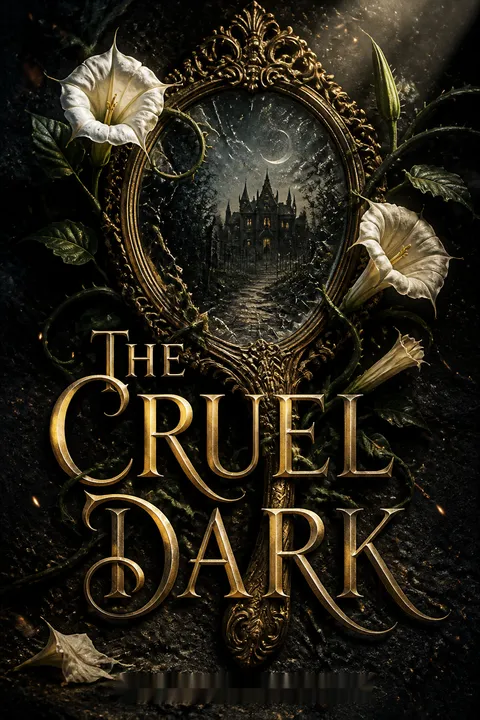
Bea Northwick's The Cruel Dark is a modern Gothic novel that deftly weaves psychological suspense, romance, and supernatural intrigue into a meditation on trauma, memory, and the resilience of the human spirit. At its core, the book interrogates the ways in which women's voices and experiences are silenced, pathologized, and manipulated—whether through literal poisoning, gaslighting, or the weight of patriarchal expectations. The haunted house is both setting and symbol, a labyrinth of secrets that must be navigated to reclaim agency and identity. The novel's use of unreliable narration, doubling, and found documents invites readers to question the nature of truth and the boundaries between madness and reality. Ultimately, The Cruel Dark is a story of survival and transformation: Millie's journey from victim to survivor, from ghost to mistress of Willowfield, is a testament to the power of love, courage, and self-acceptance. The book's lesson is clear—healing is possible, but only when the darkness is faced, the past is acknowledged, and the self is reclaimed. In a world that often seeks to erase or control women's stories, The Cruel Dark insists on their complexity, their pain, and their right to the light.
Review Summary
The Cruel Dark received mostly positive reviews, praised for its atmospheric gothic setting, engaging plot twists, and romantic elements. Readers appreciated the eerie atmosphere, complex characters, and surprising revelations. Some found the pacing slow at times and the main plot twist predictable. The book was commended for its vivid prose and spooky ambiance, making it an ideal read for fans of gothic romance. While not perfect, many reviewers found it an enjoyable and captivating debut novel.
People Also Read





Characters
Millicent "Millie" Foxboro / Hughes
Millie is the protagonist, a young woman marked by trauma, amnesia, and a history of psychiatric hospitalization. Orphaned and stigmatized as "Mad Millie," she is fiercely intelligent, resourceful, and sensitive, but struggles with self-doubt and the scars of childhood abuse. Her journey is one of self-discovery, as she navigates the mysteries of Willowfield, confronts her own past, and reclaims her identity as Callum's wife. Millie's psychological arc is defined by her battle with madness—both real and imposed—and her ultimate triumph over the forces that seek to erase or control her. Her relationships—with Callum, the staff, and the ghosts of the house—are fraught with longing, fear, and the desperate need for love and safety.
Professor Callum Hughes
Callum is the master of Willowfield, a scholar of Celtic folklore and heir to a perfume empire. He is tall, brooding, and magnetic, haunted by the death of his wife and the collapse of his family's legacy. Callum's grief manifests as emotional distance, moodiness, and a tendency to lose himself in work and myth. His relationship with Millie is complex—marked by attraction, guilt, and the fear of repeating past mistakes. He is both protector and potential threat, a man capable of great tenderness and destructive passion. Callum's arc is one of reckoning with his own failings, learning to love again, and breaking the cycle of violence and loss that has defined Willowfield.
Ms. Hellen Dillard
Ms. Dillard is the formidable housekeeper of Willowfield, fiercely loyal to the Hughes family and deeply protective of the estate's secrets. She is brusque, practical, and often cold, but her harshness masks a profound care for those in her charge. Ms. Dillard's relationship with Millie evolves from suspicion to reluctant affection, and she plays a crucial role in both enabling and challenging the house's patterns of silence and repression. Her own history is intertwined with the estate's tragedies, and her psychoanalytic role is that of the maternal figure—both nurturing and punitive—who enforces boundaries but ultimately seeks healing.
Felicity
Felicity is the young, ethereal maid of Willowfield, sister to Rodney. She is gentle, anxious, and easily frightened, often caught between loyalty to her brother and her growing friendship with Millie. Felicity's psychological torment is rooted in years of abuse and manipulation by Rodney, and her complicity in the poisoning plot is driven by fear rather than malice. Her arc is one of gradual empowerment—she ultimately acts to save Millie, breaking free from her brother's control. Felicity embodies the theme of innocence corrupted and the possibility of redemption through courage.
Rodney
Rodney is the golden-haired, affable groundskeeper, outwardly friendly but inwardly consumed by resentment and ambition. His psychological profile is that of the narcissistic manipulator—he feels entitled to Willowfield and is willing to poison, gaslight, and kill to achieve his aims. Rodney's relationship with Felicity is abusive, and his interactions with Millie shift from flirtation to predation. He is the true antagonist, orchestrating the tragedies that befall both Mrs. Hughes and Millie. Rodney's arc is a descent into violence and madness, culminating in his death at the ravine.
Dr. Laurence Hannigan
Dr. Hannigan is the family physician and a longtime friend of the Hughes family. He is avuncular, compassionate, and deeply invested in the well-being of both Callum and Millie. Dr. Hannigan is privy to many of the estate's secrets, including Millie's true identity and the circumstances of her hospitalization. His psychoanalytic role is that of the healer—he provides both medical and emotional support, and his interventions are crucial in unraveling the mysteries of Willowfield. He is also a symbol of the limitations of rationality in the face of trauma and the supernatural.
Mrs. Hughes (deceased)
Though dead before the story begins, Mrs. Hughes's presence haunts every corner of Willowfield. Through her journals, memories, and ghostly apparitions, she is revealed as a woman driven to madness by isolation, spiritual torment, and the insidious effects of poisoning. Her relationship with Callum is passionate but ultimately destructive, and her fate serves as both warning and mirror to Millie. Psychoanalytically, she represents the "madwoman in the attic"—a victim of patriarchal neglect, gaslighting, and the violence of love gone wrong.
Margaret Horace
Margaret is a friend of the Hughes family and a catalyst for much of the story's intrigue. She is glamorous, cunning, and skilled at reading people's weaknesses. Her involvement in seances and her warnings to Millie are double-edged—she is both a source of insight and a participant in the estate's web of deception. Margaret's psychoanalytic role is that of the trickster or shadow—she exposes uncomfortable truths but is herself compromised by her own secrets and desires.
Burt and Lottie Terrance
The Terrances are business associates and longtime friends of Callum. Burt is boisterous and warm, Lottie elegant and perceptive. They provide a counterpoint to the house's darkness, offering Millie kindness and practical support. Their presence at the dinner party and in the aftermath of the climax helps anchor the narrative in community and the possibility of healing. Psychologically, they represent the "good parents"—figures of stability and acceptance.
Willowfield (the house)
Willowfield itself is a character—a decaying mansion filled with secrets, memories, and ghosts. It is both sanctuary and prison, a place where the boundaries between past and present, reality and hallucination, are blurred. The house's psychoanalytic role is that of the unconscious—its locked rooms, hidden journals, and unfinished renovations mirror the repressed traumas and desires of its inhabitants. Willowfield's transformation from tomb to home parallels Millie's own journey toward wholeness.
Plot Devices
Gothic Setting and Unreliable Perception
The narrative is structured around classic Gothic tropes: a remote, crumbling mansion; a heroine with a troubled past; secrets, locked rooms, and ghostly apparitions. The house itself is a living symbol of trauma and repression, its physical decay mirroring the psychological wounds of its inhabitants. The use of unreliable perception—Millie's hallucinations, sleepwalking, and amnesia—creates a sense of ambiguity and suspense, blurring the line between supernatural and psychological horror. Foreshadowing is woven through dreams, folklore, and the recurring motif of poison, building tension and inviting the reader to question what is real.
Journals, Letters, and Found Objects
The plot unfolds through the discovery of journals, letters, and hidden objects—Mrs. Hughes's botanical notebooks, personal diaries, and sketches. These artifacts serve as both clues and red herrings, gradually revealing the true nature of the tragedies at Willowfield. The layering of perspectives—Millie's present, Mrs. Hughes's past, and the testimonies of other characters—creates a mosaic of truth that must be pieced together. The use of found documents also allows for shifts in narrative voice and tone, deepening the emotional resonance of the story.
Poison and Gaslighting
The central plot device is the use of poison—datura, or devil's trumpet—to induce madness, hallucinations, and ultimately death. This literal poisoning is mirrored by psychological gaslighting: characters are made to doubt their own perceptions, memories, and sanity. The motif of "madness" is both a weapon and a stigma, used to control and discredit women. The revelation that the true villain is not the obvious suspect but a trusted member of the household subverts expectations and heightens the sense of betrayal.
Doubling and Identity
The story is rich in doubles: Millie and Mrs. Hughes, the living and the dead, the past and the present. Millie is cast as a replacement for the lost wife, forced to inhabit her clothes, her rooms, and her role. The motif of mirrors and reflections recurs, symbolizing the struggle for selfhood and the danger of being subsumed by another's identity. The ultimate revelation—that Millie is, in fact, the presumed-dead wife, returned with a new name and fractured memory—brings the theme of resurrection and the return of the repressed to its climax.
Redemption and Renewal
The narrative structure moves from winter's darkness to spring's renewal, mirroring the characters' journeys from trauma to healing. The restoration of Willowfield, the blooming of the gardens, and the rekindling of love between Millie and Callum symbolize the triumph of hope over despair. The story ends not with the banishment of ghosts, but with their acknowledgment and integration—a modern take on the Gothic that affirms the possibility of wholeness after suffering.
Download PDF
Download EPUB
.epub digital book format is ideal for reading ebooks on phones, tablets, and e-readers.








































