

Plot Summary
The Card Trick
In a dim saloon, Kellen Argos faces a Jan'Tep lord magus sent to kill him, but the confrontation is more than a duel of magic—it's a battle of wits. Kellen, a master of tricks but a weak mage, outsmarts his would-be assassin with a clever chair-switch, revealing that survival often depends on cunning rather than power. This opening sets the tone: Kellen is hunted, underestimated, and always one step ahead, but the cost is constant danger and isolation. The encounter is laced with humor and tension, showing Kellen's resilience and the loneliness of being an outcast. The world is dangerous, and Kellen's only real weapon is his mind.
Arrested and Rescued
After the saloon, Kellen is arrested by the Queen's Marshals, accused of crimes he didn't commit. His companion, the irreverent squirrel cat Reichis, adds comic relief and danger. As Kellen is marched through the city, magical cards appear, whisking him into a vision with his estranged mother. The cards are a message, a plea, and a puzzle—offering hope for restoring his lost magic, but also reopening old wounds. The world outside is hostile, but the real battle is within Kellen: between longing for home and the pain of betrayal. The rescue is bittersweet, a reminder that every escape comes with new chains.
Family's Shadow
Kellen's reunion with his mother's magical message is both a comfort and a curse. She confesses regret for helping strip him of his magic, but also hints at a possible cure. The encounter is not real—just a spell—but it stirs Kellen's deepest wounds. He is torn between the hope of regaining his place among the Jan'Tep and the knowledge that his family's love is conditional. The city's grandeur is a façade; beneath it, Kellen is still an exile, marked by shadowblack and hunted by his own people. The emotional weight of family, guilt, and longing shapes every choice he makes.
The Murmurers' Verdict
Kellen is dragged before the Murmurers, a secret council of Daroman power-brokers who see him as a threat to the empire. They debate his fate, weighing loyalty, usefulness, and danger. Torian Libri, the fierce marshal, is both adversary and reluctant ally. Kellen's father, Ke'heops, appears, wielding both political and magical power, and manipulates the council to spare Kellen—for now. The scene is tense, a chess game of threats and bargains. Kellen's survival is never assured; he is a pawn in larger games, his agency limited by the ambitions of others. The emotional toll is heavy, as trust is a rare and costly currency.
The Mage Sovereign's Warning
Ke'heops reveals a looming threat: a child-god in Berabesq, whose rise could unite the continent's largest army and destroy Darome. He tasks Kellen with an impossible mission—assassinate the god-child to prevent war. The request is both a test and a manipulation, exploiting Kellen's loyalty to the queen and his outsider status. The emotional stakes are immense: Kellen is asked to become a murderer for the greater good, to sacrifice his soul for a world that barely tolerates him. The scene is fraught with guilt, duty, and the crushing weight of expectation.
The Impossible Mission
Kellen grapples with the mission's morality and logistics. He is not a killer by nature, but the fate of nations hangs on his actions. The queen's court, the Murmurers, and his own father all push him toward the same bloody solution. Kellen's friends—Reichis, Torian, and the Argosi mentor Ferius—offer advice, warnings, and sometimes betrayal. The journey to Berabesq is perilous, filled with political intrigue, magical traps, and the ever-present threat of exposure. Kellen's internal conflict deepens: can he kill a child, even to save thousands? The emotional arc is one of mounting dread and reluctant resolve.
Poison, Plots, and Duty
As Kellen prepares for his mission, he is poisoned, manipulated, and tested by those around him. Torian's loyalty is ambiguous; Ferius's lessons in resilience and trust are both a comfort and a challenge. The queen's own role is uncertain—does she truly want the god-child dead, or is she hoping Kellen will find another way? The lines between friend and foe blur, and Kellen is forced to rely on his wits, his few magical tricks, and the unpredictable loyalty of Reichis. The emotional tension is high, as every relationship is a potential betrayal.
The Malediction's Price
Ferius is struck by a Berabesq malediction—a curse that brings endless misfortune and suffering. Kellen's quest becomes personal: he must save his mentor as well as prevent war. The malediction is a metaphor for the cost of involvement, the way every action in this world brings unintended consequences. Kellen's desperation grows as Ferius weakens, and the urgency of his mission is now doubled. The emotional core is love—platonic, familial, and romantic—and the fear of losing those who matter most.
Funeral Games
Kellen returns to his Jan'Tep homeland for his mother's funeral, accompanied by a diplomatic caravan. The city is both familiar and alien, filled with memories of pain and longing. Old rivals and friends resurface, each with their own agendas. The funeral is a spectacle of magic and politics, a stage for the clan's ambitions and resentments. Kellen is offered a chance at redemption, but the price is submission to the very system that exiled him. The emotional arc is one of nostalgia, regret, and the realization that home may never be home again.
The Jan'Tep Riddle
Ke'heops reveals the Jan'Tep's secret: their magic is dying, the result of centuries of inbreeding and arrogance. The only hope is to open their society to outsiders, but pride and fear make this nearly impossible. Kellen's sister Shalla is positioned as the true savior, but the family is fractured by grief and betrayal. The emotional climax is a confrontation between past and future, tradition and change. Kellen must choose between loyalty to his blood and loyalty to his conscience, knowing that either path will cost him dearly.
The God in the Spire
In Berabesq, Kellen infiltrates the temple and meets the god-child, Shujan—a boy tortured and inscribed with shadowblack to perform miracles. The Arcanists, Berabesq's secretive mages, have created a living weapon, a symbol to unite the nation in war. Kellen is torn: Shujan is both innocent and dangerous, a victim and a threat. The encounter is surreal, philosophical, and tragic. Kellen's enigmatism—the ability to see into secrets—reveals that Shujan is a pawn, not a god. The emotional arc is one of empathy, horror, and the burden of impossible choices.
The Assassin's Dilemma
As the armies gather and the city burns, Kellen must decide whether to kill Shujan and prevent war, or find another way. Torian, Nephenia, and the Argosi all have their own solutions, but none are clean. The final confrontation is a tangle of betrayals, revelations, and desperate gambits. Kellen's refusal to become an assassin is both a moral stand and a gamble—one that risks everything. The emotional climax is a test of character: can Kellen hold to his values when the world demands blood?
The Duel of Fates
The final duel is not with the god-child, but with Ke'heops. Father and son duel in the desert, surrounded by allies and enemies. The fight is as much psychological as magical, a contest of wills, regrets, and hopes. Kellen's tricks, resilience, and refusal to play by the rules force his father's hand. In the end, it is Shalla who must choose—between her brother and her father, between the old world and the new. The emotional resolution is bittersweet: victory comes at the cost of family, innocence, and certainty.
The Trickster's Legacy
With Ke'heops dead and Shalla crowned, the world shifts. Treaties are signed, new schools are founded, and the threat of war recedes—for now. Kellen is offered positions of power, love, and belonging, but he cannot accept them. He is a trickster, an outsider, a breaker of systems. Ferius, Nephenia, Reichis, and the Argosi all move on, following their own paths. Kellen's legacy is not in what he builds, but in what he disrupts. The emotional tone is one of melancholy, hope, and the acceptance of exile.
The Path Forward
Kellen leaves his homeland, Reichis at his side, uncertain of what comes next. The world is changed, but not healed. The scars of war, magic, and betrayal remain. Kellen's journey is ongoing—a search for meaning, belonging, and peace in a world that resists all three. The final note is one of possibility: the path is open, the stars are many, and the story is not yet done. The emotional arc is one of acceptance, resilience, and the quiet courage to keep moving forward.
Analysis
Crownbreaker is a masterful meditation on the costs of power, the pain of exile, and the possibility of change. Sebastien de Castell crafts a world where magic is both a blessing and a curse, where systems of authority are built on lies, and where survival depends not on strength, but on adaptability, empathy, and the courage to defy expectations. The novel's central lesson is that true heroism lies not in grand gestures or violent victories, but in the willingness to question, to resist, and to choose the harder path. Kellen's journey is a rejection of easy answers: he refuses to become an assassin, to accept the roles others assign him, or to settle for the comforts of belonging at the price of his soul. The story is deeply modern in its skepticism of authority, its celebration of diversity, and its insistence that every system—no matter how powerful—can be disrupted by those who refuse to play by its rules. Crownbreaker is both a thrilling adventure and a profound exploration of what it means to be human in a world that demands conformity. Its ultimate message is one of hope: that even in a broken world, the path forward is open, and the stars are many.
Review Summary
People Also Read
Characters
Kellen Argos
Kellen is the heart of the story—a Jan'Tep exile marked by shadowblack, denied true magic, and forced to survive by wit and will. His relationships are fraught: betrayed by his family, hunted by his people, and mistrusted by allies. Psychologically, Kellen is defined by longing—for home, for acceptance, for meaning—and by guilt, both earned and inherited. His development is a journey from self-pity to self-acceptance, from reactive survivor to proactive agent of change. Kellen's greatest strength is his refusal to become what others demand, even when the cost is loneliness. His arc is one of resilience, empathy, and the courage to choose the harder path.
Reichis
Reichis is a squirrel cat—murderous, thieving, and endlessly hungry for butter biscuits and eyeballs. His relationship with Kellen is both partnership and parody: he is the id to Kellen's conscience, always advocating violence, greed, and self-interest. Yet beneath the bluster, Reichis is fiercely loyal, risking his life for Kellen and the found family they create. Psychologically, he is a creature of appetite and instinct, but also of surprising wisdom. His development mirrors Kellen's: from selfishness to sacrifice, from outsider to essential ally. Reichis embodies the story's humor, chaos, and unexpected heart.
Ferius Parfax
Ferius is Kellen's guide to the Argosi way—a philosophy of resilience, perception, and nonconformity. She is enigmatic, irreverent, and deeply principled, teaching Kellen to survive not by power, but by adaptability and trust. Her own past is marked by loss and regret, and the malediction that afflicts her is both literal and symbolic—a curse for caring too much. Ferius's relationship with Kellen is maternal, adversarial, and transformative. She pushes him to become more than a victim, to find meaning in chaos. Her arc is one of sacrifice, wisdom, and the bittersweet knowledge that every path must end.
Ke'heops
Ke'heops is the Mage Sovereign of the Jan'Tep—a man of immense power, pride, and ambition. He is both villain and victim, driven by the fear of his people's decline and the desire to secure their future at any cost. His relationship with Kellen is fraught: love twisted by disappointment, authority undermined by rebellion. Psychologically, Ke'heops is a study in control—of self, of others, of destiny. His development is a slow unraveling, as his schemes are exposed and his family fractures. In the end, he is undone not by enemies, but by the very love and loyalty he tried to command.
Shalla (Sha'maat)
Shalla is Kellen's younger sister, a magical prodigy and the true hope of the Jan'Tep. Her relationship with Kellen is complex: love mixed with rivalry, loyalty with resentment. She is torn between her father's expectations and her brother's example, between tradition and change. Psychologically, Shalla is driven by duty, but haunted by doubt. Her development is a journey from obedience to agency, culminating in the choice that defines the family's fate. She is both savior and survivor, carrying the burden of leadership and the scars of loss.
Torian Libri
Torian is the queen's enforcer—a woman of strength, skill, and sharp wit. Her relationship with Kellen is antagonistic but charged with mutual respect and unspoken affection. She is a study in contradictions: loyal to the crown, but willing to bend the rules; ruthless, but not without conscience. Psychologically, Torian is defined by her need for control and her fear of vulnerability. Her development is a gradual opening—to trust, to doubt, to the possibility of a different kind of strength. She is both foil and mirror to Kellen, challenging him to define his own code.
Queen Ginevra
Ginevra is both a twelve-year-old girl and the embodiment of her nation's spirit. Her relationship with Kellen is one of trust, dependence, and subtle manipulation. She is wise beyond her years, but also deeply lonely, forced to play adult games in a world that would devour her. Psychologically, Ginevra is a survivor, using charm, intelligence, and calculated vulnerability to maintain her throne. Her development is a lesson in the costs of power and the necessity of compromise. She is both inspiration and cautionary tale.
Nephenia
Nephenia is Kellen's childhood friend and sometimes romantic interest—a gifted mage who chooses her own path. Her relationship with Kellen is marked by longing, missed opportunities, and mutual respect. She is brave, resourceful, and unwilling to be defined by others' expectations. Psychologically, Nephenia is driven by a need for agency and a refusal to settle. Her development is a series of departures and returns, always moving forward, always searching. She represents the possibility of love that does not require possession.
Shujan
Shujan is the Berabesq god—a boy tortured and inscribed with shadowblack to perform miracles. His relationship with Kellen is one of mutual recognition: both are victims of systems that use and discard them. Psychologically, Shujan is innocent, curious, and desperate for meaning. His development is a brief, intense arc from object to subject, from symbol to person. His death is both a tragedy and a release, a reminder that even gods are mortal.
The Path of Thorns and Roses (Rosie)
Rosie is another Argosi maetri, representing a different approach to the way of the road. Her relationship with Kellen and Ferius is competitive, challenging, and ultimately supportive. She is skilled, perceptive, and unyielding, pushing Kellen to see beyond his own limitations. Psychologically, Rosie is defined by discipline and a fierce commitment to the Argosi ideals. Her development is a lesson in the diversity of paths, the necessity of conflict, and the value of community.
Plot Devices
Trickery and Deception
The narrative is structured around Kellen's reliance on tricks, ruses, and misdirection. From the opening card game to the final duel, victory is never achieved through brute force, but through perception, adaptability, and the willingness to break the rules. This device is both literal—Kellen's use of sleight of hand, powder magic, and card tricks—and metaphorical, reflecting the larger theme that systems of power are vulnerable to those who refuse to play by their rules. The story's structure mirrors this: each apparent solution is a setup for a deeper problem, each escape a prelude to a new trap.
The Shadowblack
The shadowblack is both a curse and a gift—a visible sign of Kellen's outcast status, but also the source of his enigmatism, the ability to see into secrets. It is a symbol of difference, stigma, and the possibility of transformation. The shadowblack's role in the plot is multifaceted: it drives Kellen's exile, enables his unique perspective, and ultimately connects him to Shujan and the deeper mysteries of magic. It is both a source of danger and the means of salvation.
The Malediction
The malediction afflicting Ferius is a literal curse, but also a symbol of the costs of involvement, the way every act of care or resistance brings suffering. It raises the stakes, personalizing the mission and forcing Kellen to confront the limits of his power. The curse is also a narrative device for exploring themes of mortality, love, and the price of change.
The Duel
The final duel between Kellen and Ke'heops is not just a battle of magic, but a contest of philosophies: tradition versus change, power versus cunning, family versus conscience. The duel is foreshadowed throughout the narrative, each earlier confrontation building toward this inevitable reckoning. The outcome is determined not by strength, but by the willingness to sacrifice, to trust, and to let go.
The Argosi Path
The Argosi way—resilience, perception, eloquence, subtlety, and the refusal to be defined by others—is both a set of skills and a worldview. It shapes Kellen's journey, offering alternatives to violence and domination. The narrative structure itself is Argosi: episodic, digressive, always moving forward but never in a straight line. The lessons of the path are embedded in the story's twists, reversals, and moments of grace.
Foreshadowing and Reversal
The story is rich in foreshadowing—hints of betrayal, the inevitability of conflict, the fragility of peace—but delights in reversing expectations. Allies become enemies, enemies become friends, and every apparent solution reveals a deeper problem. The narrative structure is recursive, each cycle of conflict and resolution leading to new questions. The ultimate message is that certainty is an illusion, and the only constant is change.
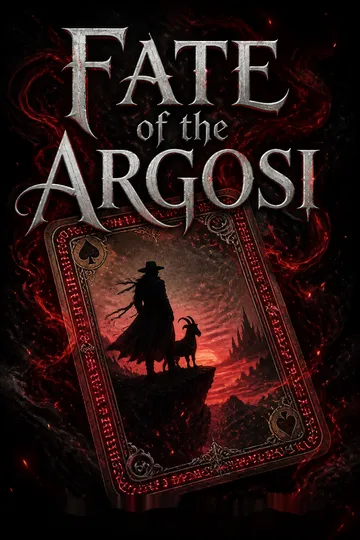
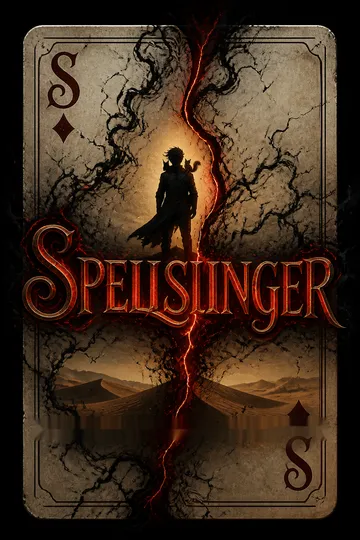
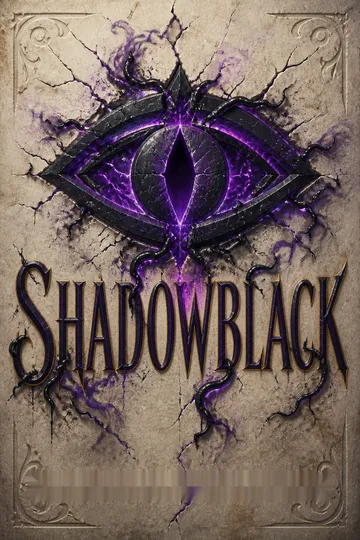
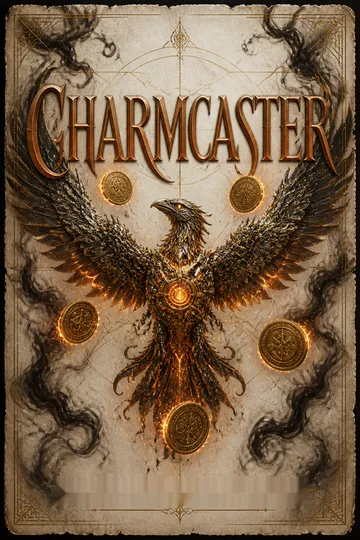
Spellslinger Series

About the Author


Download PDF
Download EPUB
.epub digital book format is ideal for reading ebooks on phones, tablets, and e-readers.








































