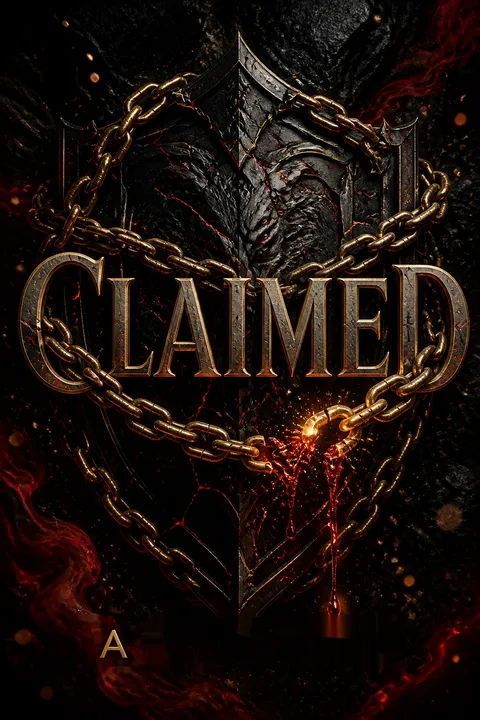

Plot Summary
Blood and Betrayal
The story opens with a brutal phone call: Colt, London's son, is missing after a violent confrontation, and Ophelia—Colt's mother—is dead. London, Carven, and Vivienne are plunged into chaos, racing through the city in a desperate search. The discovery of Colt's severed thumb and Ophelia's mutilated body signals not just loss, but a declaration of war. The family's pain is raw, their rage barely contained, and the bonds between them are tested as they realize the enemy is not just outside, but within their own blood. The emotional stakes are set: survival means embracing the darkness inside.
The Beast Unleashed
As the family reels, Vivienne and Carven are forced to confront the violence that has shaped them. London's rage explodes, destroying everything in his path, while Vivienne's own fury is ignited—she is no longer a victim, but a weapon. Carven, haunted by memories of his twin, becomes a force of vengeance. The narrative delves into the psychological scars left by The Order, the secretive organization that bred them for violence and submission. The "beast" within Colt is foreshadowed, hinting at the monstrous survival instincts that trauma can awaken.
Family Is Everything
The family's mantra—"Familia est omnia"—becomes their anchor. Carven and Vivienne, both broken and hardened by their pasts, find solace and strength in each other. London, the patriarch, is torn between his need to protect and his guilt over past failures. Their unity is tested as they hunt for Colt, but it is also their greatest weapon. The emotional core of the story is laid bare: love, loyalty, and the willingness to do anything for those you call family, even if it means becoming monsters yourself.
Hunt for the Lost Son
The search for Colt becomes a relentless pursuit through the city's underworld. London leverages his criminal connections, offering a fortune for information. Carven and Vivienne storm clubs and strongholds, leaving a trail of bodies. The narrative pulses with urgency and violence, but also with the ache of loss—every dead end is another blow. The family's enemies are many, and the lines between hunter and hunted blur. The city itself becomes a labyrinth of betrayal, and hope is a fragile thing.
Rage and Retribution
The family's quest for Colt is marked by escalating brutality. Vivienne, once prey, becomes a predator, her hands stained with blood. Carven's rage is both his weapon and his torment. London's calculated violence is contrasted with the raw, animalistic fury of his sons. The narrative explores the cost of vengeance: each act of retribution brings them closer to losing themselves. Yet, in the crucible of violence, their bonds are reforged—pain and love intertwined.
The Order's Shadow
The Order, the secret society that bred the Sons and Daughters for exploitation, looms over every action. The family's history is revealed: children raised to kill or be used, trauma passed down like inheritance. London's past as both protector and participant is a source of guilt and strength. The Order's leaders—Hale, The Principal, The Teacher, The Priest—are shadowy, omnipresent threats. The family's fight is not just for Colt, but for their own redemption and the destruction of the system that made them.
Wildcat's Fury
Vivienne, once a Daughter bred for submission, claims her agency through violence and love. Her relationship with Carven and London is both passionate and fraught, marked by jealousy, need, and shared trauma. She becomes the family's emotional center and their fiercest defender. Her rage is a weapon, her love a shield. The narrative explores the complexities of female power in a world built to break women, and the cost of reclaiming that power.
The Price of Survival
The family's survival demands impossible choices. London must balance his need for control with the reality that he cannot protect everyone. Carven and Vivienne risk everything, including their own sanity, to save Colt. The narrative does not shy away from the darkness: murder, torture, and betrayal are necessary evils. The price of survival is innocence, and the family must decide what they are willing to lose to keep each other alive.
Into the Heart of Darkness
The rescue mission leads the family into the heart of The Order's compound—a place of nightmares. The narrative is claustrophobic and tense, filled with the ghosts of past abuse. The family's unity is tested as they confront not just physical danger, but the psychological wounds inflicted by their upbringing. The rescue is both a literal and symbolic battle for their souls. The cost is high, and not everyone will emerge unscathed.
The Monster Within
Colt, brutalized and broken, is found alive but changed. The trauma has awakened a monstrous alter ego—the Beast—who is both protector and threat. The family must learn to live with this new reality, balancing love and fear. Vivienne's relationship with Colt becomes a crucible for healing and danger. The narrative explores the duality of human nature: the capacity for both tenderness and savagery, and the thin line between them.
Reunion and Ruin
The family's reunion is bittersweet. Colt's return brings relief, but also new challenges. The Beast is unpredictable, and the family must adapt to his presence. Vivienne's pregnancy is revealed, complicating the dynamics further. The narrative is suffused with both hope and dread: the possibility of healing, and the ever-present threat of relapse and violence. The family's enemies are not vanquished, only waiting for their moment to strike.
The Truth of Bloodlines
The tangled web of bloodlines is unraveled: Vivienne and Ryth are revealed as daughters of Weylen King, bred by The Order for power and control. London's role as both protector and manipulator is exposed. The narrative grapples with questions of identity, inheritance, and the possibility of breaking the cycle of abuse. The family's unity is tested by revelations, but ultimately strengthened by their choice to define themselves by love, not blood.
The Dead Don't Stay Dead
The apparent death of Haelstrom Hale is revealed as a ruse. The family's enemies are not defeated, only hidden. The narrative explores the futility of seeking closure in a world where evil is hydra-headed. The family must remain vigilant, knowing that peace is temporary and the next battle is always on the horizon. The specter of The Order lingers, a reminder that the past is never truly buried.
Pregnant with Secrets
Vivienne's pregnancy—revealed to be twins by different fathers—becomes a symbol of hope and complexity. The family must navigate the challenges of impending parenthood while still fighting for survival. The narrative explores themes of legacy, healing, and the possibility of breaking the cycle of violence. The unborn children are both a promise and a vulnerability, and the family's future hangs in the balance.
The Ties That Bind
The family's bonds are tested and reaffirmed. Vivienne, Carven, Colt, and London form a polyamorous unit, united by love and shared trauma. Their relationships are messy, passionate, and fiercely protective. The narrative celebrates the power of chosen family, the resilience of survivors, and the possibility of building something new from the ashes of the past. The family's unity is their greatest strength, and their love is both shield and sword.
The Return of the King
Weylen King, the elusive patriarch, is revealed to be Jack Castlemaine. The truth of the family's origins is laid bare, and new alliances are forged. Helene, Vivienne's half-sister, emerges as a monster hunter in her own right, determined to end The Order's reign. The narrative explores the complexities of forgiveness, trust, and the possibility of redemption. The family's fight is no longer just for survival, but for justice.
Monsters and Hunters
The final confrontation with The Order's leaders looms. The family, now united with their extended kin, prepares for war. The narrative is tense and foreboding, filled with the knowledge that the battle ahead will demand everything they have. The line between monster and hunter blurs, and the family must decide what they are willing to become to end the cycle of violence. The story ends on the cusp of a new war, with hope and dread intertwined.
War on the Horizon
The family, battered but unbroken, stands together. The threat of Hale and The Order remains, but so does the promise of new life and new beginnings. The narrative closes with a sense of uneasy peace: the war is not over, but the family is ready. Their love, forged in blood and fire, is their greatest weapon. The story ends with a vow: whatever comes, they will face it together.
Analysis
A modern gothic of trauma, survival, and chosen familyClaimed is a dark, emotionally charged exploration of the ways trauma shapes identity, relationships, and the very definition of family. At its core, the novel is about survival—not just physical, but psychological and emotional. The characters are forged in violence, but their greatest strength is their refusal to be defined by their abusers. The story's polyamorous structure challenges traditional notions of love and loyalty, presenting chosen family as both shield and sword. The narrative's unflinching portrayal of violence and its aftermath is both harrowing and cathartic, offering no easy answers but insisting on the possibility of healing through connection and agency. The persistent threat of The Order and the cyclical nature of violence serve as a commentary on the difficulty of breaking free from systemic abuse, while the emergence of new life—Vivienne's pregnancy—offers a fragile hope for the future. Ultimately, Claimed is a testament to the resilience of survivors, the power of love to transform even the most broken souls, and the necessity of fighting for one's own story in a world determined to write it for you.
People Also Read
Characters
London St. James
London is the family's leader, a man forged in violence and guilt. He is both protector and manipulator, driven by love for his sons and Vivienne, but haunted by the role he played in The Order's creation. His need for control is both strength and flaw, and his capacity for violence is matched only by his capacity for love. London's journey is one of atonement: he must learn to trust, to let go, and to accept that he cannot save everyone. His relationship with Vivienne is passionate and possessive, and his love for his sons is fierce and complicated. London's arc is a study in the duality of power and vulnerability.
Vivienne King
Vivienne is the heart of the family, a woman who transforms from victim to warrior. Bred by The Order to be a Daughter—used and discarded—she reclaims her agency through violence, love, and fierce loyalty. Her relationships with London, Carven, and Colt are complex: she is lover, protector, and equal. Vivienne's psychological journey is one of reclaiming power, confronting trauma, and learning to trust herself. Her pregnancy—twins by different fathers—symbolizes both hope and the tangled legacy of her past. Vivienne's strength is her refusal to be defined by her abusers; she is both shield and sword for her family.
Carven St. James
Carven is Colt's twin, marked by violence and a desperate need for connection. His rage is both weapon and wound, and his love for Vivienne and his family is possessive and raw. Carven's psychological struggle is with abandonment and the fear of losing those he loves. He is both protector and destroyer, capable of tenderness and brutality. His relationship with Vivienne is passionate and competitive, and his bond with Colt is the axis on which his world turns. Carven's arc is one of learning to channel his rage into love, and to accept vulnerability as strength.
Colt St. James
Colt is the most damaged by The Order's cruelty, his psyche fractured by trauma. The emergence of the Beast—a monstrous alter ego—represents both his survival instinct and his greatest threat. Colt's journey is one of integration: learning to live with his darkness without letting it consume him. His love for Vivienne is pure and desperate, and his bond with Carven is unbreakable. Colt's struggle is with self-loathing and the fear of hurting those he loves. His arc is a testament to the resilience of the human spirit, and the possibility of healing even the deepest wounds.
Haelstrom Hale
Hale is the story's primary antagonist, the creator of The Order and the source of the family's suffering. He is a master of deception, faking his own death and orchestrating violence from the shadows. Hale's motivations are rooted in power, control, and a twisted sense of legacy. He is both omnipresent and elusive, a reminder that evil is never truly vanquished. Hale's psychological profile is one of narcissism, sadism, and a pathological need to dominate. He is the monster the family must destroy to be free.
Helene King
Helene is Vivienne and Ryth's half-sister, a survivor who has turned her trauma into purpose. She is both ally and outsider, her loyalty to her sisters complicated by secrets and past betrayals. Helene is a strategist, willing to use herself as bait to destroy The Order. Her psychological journey is one of seeking redemption and connection, and her love for her sisters is fierce, if unspoken. Helene represents the possibility of breaking the cycle of abuse through action and solidarity.
Ryth
Ryth is Vivienne's sister, marked by her own trauma and the burden of impending motherhood. She is both fragile and resilient, her strength tested by loss and betrayal. Ryth's relationship with her brothers and Vivienne is a source of both comfort and pain. Her arc is one of reclaiming agency, finding family, and learning to trust again. Ryth's pregnancy is a symbol of hope and vulnerability, and her journey is a testament to the endurance of love.
Weylen King / Jack Castlemaine
Weylen King, revealed to be Jack Castlemaine, is the father of Vivienne, Ryth, and Helene. His past actions—both intentional and coerced—set the events of the story in motion. King is a figure of both guilt and redemption, his motivations shaped by loss and the desire to protect his bloodline. His relationship with his daughters is fraught, marked by secrets and the consequences of choices made in desperation. King's arc is one of seeking forgiveness and making amends, and his presence is a catalyst for the family's final confrontation with The Order.
Guild
Guild is London's right hand, a mercenary with a code of honor. He is both protector and confidant, his loyalty to the family unwavering. Guild's psychological profile is one of stoic resilience, shaped by violence but guided by a sense of right and wrong. He is a stabilizing force, often the voice of reason amid chaos. Guild's arc is one of quiet heroism, and his presence is a reminder that family is not just blood, but chosen.
The Beast
The Beast is the monstrous alter ego that emerges in Colt as a result of extreme trauma. He is both savior and danger, embodying the survival instincts that kept Colt alive but also threatening those he loves. The Beast's presence forces the family to confront the reality of living with psychological scars. His arc is one of integration: learning to harness the darkness without being consumed by it. The Beast is a symbol of the duality within all survivors—the capacity for both violence and love.
Plot Devices
Nonlinear, Multi-Perspective Narrative
The story unfolds through multiple perspectives—London, Vivienne, Carven, Colt—each offering a unique lens on the events. This structure allows for a deep exploration of trauma, love, and survival, and creates a tapestry of interconnected emotional arcs. The nonlinear progression, with flashbacks and shifting timelines, mirrors the fractured psyches of the characters and the chaos of their world.
Trauma as Transformation
Trauma is not just a backdrop, but a driving force in the narrative. The characters' responses to violence—rage, withdrawal, the emergence of the Beast—are both survival mechanisms and sources of conflict. The story explores the ways trauma can both destroy and forge new identities, and the possibility of healing through love and chosen family.
The Order as Omnipresent Threat
The Order is more than a villain; it is a system of exploitation and abuse that shapes every character's life. Its leaders—Hale, The Principal, The Teacher, The Priest—are both individuals and symbols of institutionalized violence. The Order's shadow looms over every decision, and its destruction is both a literal and symbolic goal.
Polyamorous, Chosen Family
The family's unconventional structure—polyamorous, forged by choice rather than blood—is both a source of strength and a challenge to traditional narratives. Their love is messy, passionate, and fiercely protective. The story celebrates the power of chosen family to heal, protect, and defy the systems that seek to destroy them.
Foreshadowing and Cyclical Violence
The narrative is rich with foreshadowing: the emergence of the Beast, the revelation of bloodlines, the return of Hale. Violence is cyclical, and the story grapples with the difficulty of breaking free from inherited trauma. The ending is both resolution and promise of further conflict, reflecting the reality that healing is ongoing and the fight against evil is never truly over.
Blood Ties Series
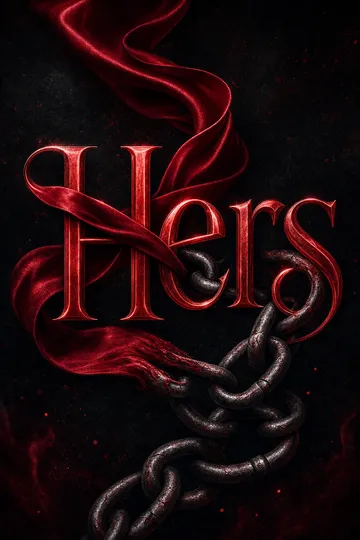
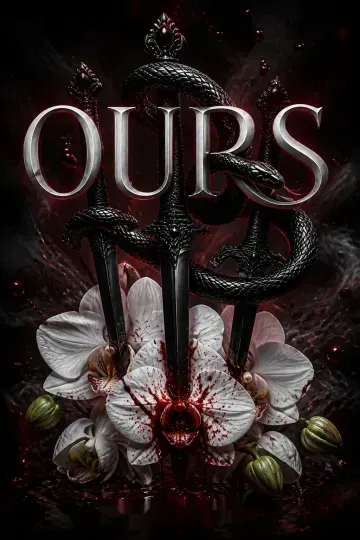
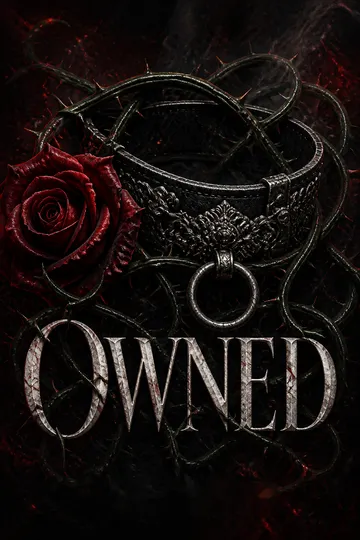
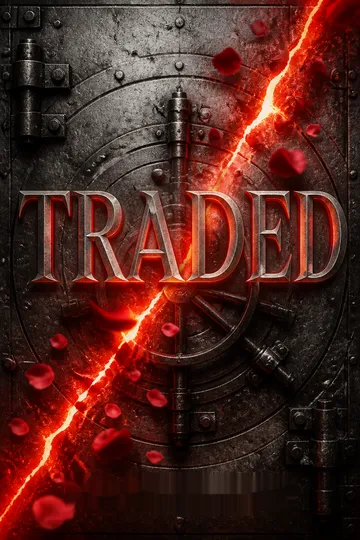


Download PDF
Download EPUB
.epub digital book format is ideal for reading ebooks on phones, tablets, and e-readers.








































