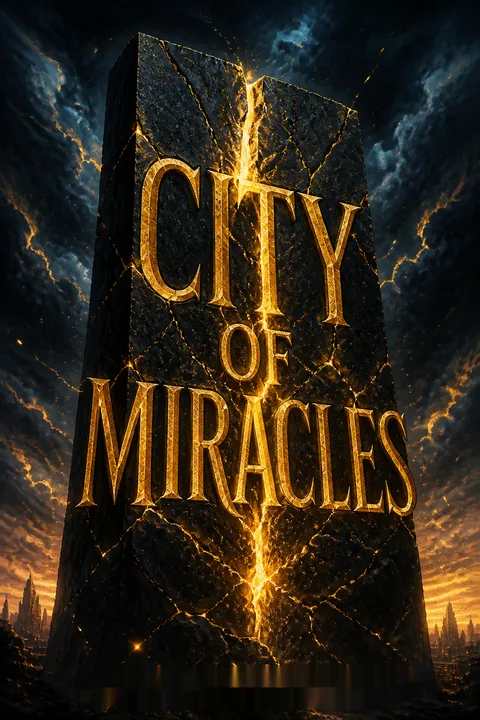

Plot Summary
Assassination in the Rain
Rahul Khadse, a bitter ex-operative, is hired to assassinate Ashara Komayd, former prime minister and legendary figure. Disguised and methodical, he infiltrates her hotel, dispatches her guards, and plants a bomb. Despite a mysterious girl's warning, the bomb explodes, killing Komayd and many others. Khadse escapes, haunted by the enormity of his act and the madness of his employer. The world reels from Komayd's death, and the ripples of her assassination set off a chain of events that will draw old allies and enemies into a final, world-shaping conflict.
Sigrud's Exile Ends
Sigrud je Harkvaldsson, once Komayd's loyal enforcer, lives in obscurity as a logger, haunted by the deaths of his daughter and friends. News of Komayd's assassination shatters his fragile peace, awakening his old instincts. He performs a Dreyling blood ritual, swearing vengeance. Sigrud's grief and guilt drive him to dig up his hidden weapons and identities, preparing to re-enter a world of violence. His journey is not just for revenge, but to find meaning and perhaps redemption for all he has lost.
Oath of Ashes
Sigrud's oath is more than a promise—it is a desecration, a return to the old ways. He performs the Oath of Ashes, a bloody rite that marks him as an avenger. The ritual is both a mourning for Komayd and a reckoning with his own failures, especially the loss of his daughter Signe. Sigrud's pain is raw, his sense of purpose sharpened by the ritual. He is a man who believes he brings only death to those he loves, yet he cannot help but be drawn back into the world's affairs, compelled by loyalty and the hope of justice.
The Divine Children Hunted
Unknown to most, the world is still haunted by the children of the old gods—Divine offspring who survived the Kaj's purge by hiding as mortals. These children, each with a domain, are being hunted by a mysterious force. Komayd's "charity" was a front to find and protect them, but her enemy seeks to destroy or consume them. The Divine children's existence is a ticking bomb, their powers both a threat and a hope. The question of their fate—whether they can be saved or must be destroyed—drives the hidden war that underpins the story.
The Night's Pursuer
A young Divine child, able to travel through laughter, is hunted by a being who brings night and silence. The boy's desperate flight through the city, leaping from joy to joy, is a glimpse into the strange powers and terrors of the Divine children. His pursuer, a cold voice in the darkness, is relentless and inhuman. The encounter ends in terror, as the boy is caught and interrogated by the night itself. This chapter reveals the scale and horror of the enemy stalking the Divine children, and the vulnerability of even the miraculous.
Shara's Fortress Falls
Sigrud arrives in Ahanashtan, investigating Komayd's death. He finds her hotel was a fortress, laced with Divine wards and traps, but they failed to save her. Using old tradecraft and a miraculous lens, Sigrud uncovers clues: Komayd was preparing for war, her enemy had miraculous tools, and the city itself is a battleground of hidden powers. The investigation is both a return to old skills and a confrontation with the new, unknowable dangers of a world where miracles still lurk in the shadows.
The List of Targets
Sigrud decrypts a message stolen from Khadse's network, discovering a list of names—Continental orphans, including Tatyana Komayd, Komayd's adopted daughter. The enemy's plan is clear: eliminate the Divine children before they can be gathered or protected. Sigrud realizes the stakes are higher than personal vengeance; he must save Tatyana and the others before they are hunted down. The list is both a death sentence and a call to action, propelling Sigrud toward Ghaladesh and the heart of the enemy's plot.
Khadse's Interrogation
Sigrud captures Khadse, torturing him for answers. Khadse reveals his employer is not human, but a being named Nokov, who communicates through miracles and darkness. Khadse's miraculous coat and shoes allowed him to bypass Komayd's defenses. The interrogation is a clash of old operatives, both broken by the world, but Sigrud is relentless. Khadse's death is both justice and futility—he is only a pawn in a much larger, more terrifying game. The name Nokov becomes a curse, a harbinger of the true enemy.
Nokov in the Shadows
Nokov, the child of night, is revealed as the force behind the assassinations. He is not a true god, but something close—Divine, wounded, and driven by vengeance. He manipulates mortals, spreads miracles, and hunts his siblings to consume their power. Nokov's perspective is alien, his motives both personal and cosmic. He is haunted by his own suffering and the betrayal of his Divine parents, especially Olvos. Nokov's rise is the rise of a new, terrible power, one that threatens to remake the world in darkness.
The Slaughterhouse Escape
Sigrud is ambushed by Nokov in a slaughterhouse, trapped in a nightmare of darkness and silence. He is saved by a mysterious girl—Malwina, a Divine child whose domain is the past. She pulls Sigrud into a bubble of history, allowing them to escape. The encounter is a revelation: the Divine children are not just victims, but powers in their own right, and their domains can shape reality. Sigrud's survival is due to both his own strange resistance to miracles and the intervention of allies he barely understands.
Ghaladesh: Seeking Tatyana
Sigrud travels to Ghaladesh, seeking Tatyana Komayd. He enlists the help of Turyin Mulaghesh, an old comrade, and Ivanya Restroyka, a reclusive millionaire. The search is complicated by Ministry surveillance, Divine miracles, and the secrets Komayd left behind. Tatyana is hidden, but not safe; the enemy's reach is long. The city is a maze of politics, memory, and danger. Sigrud's quest is both a rescue mission and a journey into the heart of what Komayd was fighting for.
The Orphan's Secret
Tatyana, Komayd's adopted daughter, is more than she seems. She is a Divine child, her domain the future, and her awakening is both a hope and a threat. Sigrud, Ivanya, and Tatyana flee assassins, using old tradecraft and new miracles. The revelation of Tatyana's power is a turning point: she is the key to the enemy's plan, and perhaps the only one who can stop him. The war for the Divine children becomes a war for the future itself.
The Ship of Suffering
Sigrud discovers the SS Salim, a Saypuri dreadnought turned prison for Nokov. The ship is a monument to Vinya Komayd's ambition and cruelty—she tried to create a god to serve Saypur, but only bred suffering and vengeance. The ship's horrors are a microcosm of the world's history: power, control, and the cost of miracles. Sigrud's journey through the Salim is a confrontation with the past, and a warning of what unchecked power can do.
The Past Rewritten
Malwina and Tatyana, revealed as twins—past and future, two halves of time—are drawn together as Nokov ascends. Their union awakens Sempros, the original Divine child of time, whose domain is all that was and all that will be. Sempros's awakening freezes the world, and she prepares to erase reality itself, to wipe the slate clean of all pain and injustice. The cycle of suffering, vengeance, and power threatens to repeat on a cosmic scale, unless someone can break it.
The Black Tower Rises
Nokov, now the most powerful Divine being, raises a black tower from Bulikov's walls, preparing to kill the sky and bring endless night. The city is plunged into chaos, miracles run wild, and the last survivors—Sigrud, Ivanya, Tatyana, and the remaining Divine children—mount a desperate assault. The battle is both physical and metaphysical, a struggle for the soul of the world. Sigrud's own curse, the miracle of Kolkan, is both a weapon and a burden, and the cost of victory is almost more than he can bear.
The Last Divine War
Shara Komayd, preserved in a sliver of time, returns for one last act. She confronts Nokov, sacrificing herself to trigger Tatyana's full awakening. The Divine children are slaughtered, Malwina and Tatyana merge into Sempros, and the world stands on the brink of erasure. Sigrud, mortally wounded, climbs the black tower, reliving his life's pain and failures. The final confrontation is not just a battle of power, but a reckoning with history, grief, and the possibility of change.
The Choice of Time
At the summit, Sigrud reaches Sempros, the goddess of time, as she prepares to erase reality. He pleads with her—not as a hero, but as a man who has learned the cost of vengeance and the futility of trying to force justice through violence. He reminds her of Shara's lesson: that true change comes not from power, but from giving others the chance to shape their own lives. Sempros hesitates, torn between her pain and the hope of something better. In the end, she makes the choice, dispersing her power to the world and ending the cycle of Divine tyranny.
A New World Dawns
The world is remade. Miracles are now everywhere, accessible to all, not just the powerful or the chosen. Sigrud survives, aged and broken but at peace, having fulfilled his promise to protect Tatyana. The survivors—Ivanya, Tatyana, and others—find a new beginning in the Dreyling Shores. The world is changed forever: power is dispersed, the future is uncertain, but hope endures. The story ends with Sigrud's quiet death, content that he has finally broken the cycle and left the world better than he found it.
Analysis
City of Miracles is a profound meditation on grief, power, and the possibility of change. At its heart, the novel asks whether cycles of suffering and violence can ever be broken, or if history is doomed to repeat itself. Through the intertwined fates of mortals and gods, Bennett explores the dangers of unchecked power—whether Divine or political—and the seductive allure of vengeance disguised as justice. The story's emotional core is Sigrud's journey from a man defined by loss and rage to one who chooses hope, even in the face of despair. The dispersal of miracles at the end is both a literal and symbolic act: power is no longer the province of the few, but a gift to all, with all the risks and possibilities that entails. The novel's lesson is that true change comes not from erasing the past or imposing a new order by force, but from giving people the agency to shape their own lives. In a world where miracles are now everywhere, the future is uncertain, but it is also, finally, open.
Review Summary
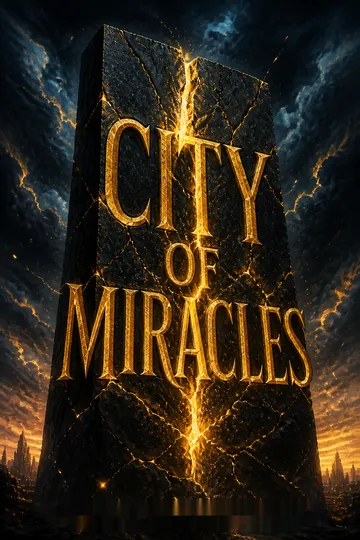
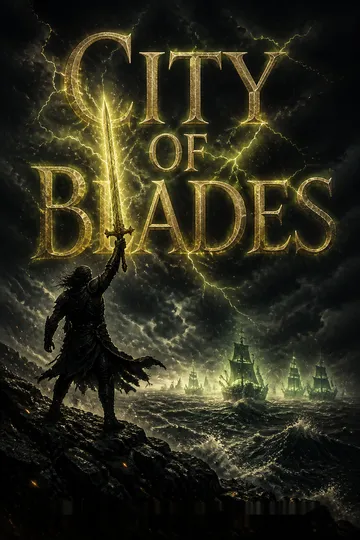
City of Miracles concludes Robert Jackson Bennett's acclaimed Divine Cities trilogy with Sigrud je Harkvaldsson as protagonist, thirteen years after City of Blades. Following Shara's assassination, Sigrud emerges from exile seeking revenge while protecting her daughter from divine threats. Readers praise Bennett's exceptional character development, showing Sigrud's depth beyond typical warrior archetypes. The novel blends mystery, action, and emotional resonance while exploring themes of grief, violence, power, and redemption. Reviews highlight Bennett's elegant prose, unpredictable plotting, and mature worldbuilding. Most consider it a perfect, satisfying conclusion featuring breathtaking action sequences and a bittersweet ending that moved many to tears.
People Also Read



Characters
Sigrud je Harkvaldsson
Sigrud is a Dreyling exile, once Komayd's enforcer, now a man broken by loss and guilt. His life is defined by violence, loyalty, and the belief that he brings only death to those he loves. Psychologically, Sigrud is driven by grief—especially for his daughter Signe—and a desperate need to find meaning in suffering. His strange resistance to miracles marks him as both cursed and chosen, a man who survives where others perish. Over the story, Sigrud moves from vengeance to acceptance, learning that true strength is not in inflicting pain, but in breaking the cycle of violence and choosing hope.
Ashara Komayd (Shara)
Shara is a legendary figure—spy, scholar, prime minister, and slayer of gods. Her intellect and moral clarity drive the plot: she seeks to protect the Divine children and build a better world, even as her own life is destroyed by the forces she opposes. Shara's relationship with Sigrud is one of deep trust and mutual dependence, closer than lovers. As a mother to Tatyana, she is both nurturing and secretive, hiding the truth to give her daughter a normal life. In death, Shara becomes a symbol of sacrifice and the hope that the future can be better than the past.
Tatyana Komayd / Alvos / Sempros
Tatyana is Komayd's adopted daughter, a Divine child whose domain is the future. Raised in isolation, she is intelligent, curious, and burdened by the secrets kept from her. Her awakening is both a personal and cosmic event: she merges with Malwina (the past) to become Sempros, the original Divine child of time. Psychologically, Tatyana is torn between grief, anger, and the desire to do right. Her final choice—to disperse her power and give miracles to all—breaks the cycle of Divine tyranny and fulfills Shara's vision of a world where everyone has agency.
Malwina Gogacz / Tulvos
Malwina is a Divine child whose domain is the past, twin to Tatyana. She is tough, cynical, and haunted by loss—especially the death of her lover, Tavaan. Malwina's power is to manipulate history, but she is trapped by her own memories and pain. Her relationship with Tatyana/Alvos is both sibling and self, and their union is both healing and terrifying. Malwina's arc is one of reluctant heroism, choosing to fight even when hope seems lost, and ultimately accepting the need to let go of the past.
Nokov
Nokov is the antagonist—a Divine child whose domain is darkness and silence, son of Olvos. Tortured and abandoned, he is driven by vengeance against his Divine family and the world. Nokov's psychology is shaped by trauma, isolation, and a desperate need for validation. He consumes his siblings to grow stronger, seeking to become the last god and remake reality in his image. Yet he is also pitiable, a child who never received love, and his final confrontation with Olvos reveals the tragedy at the heart of his rage.
Ivanya Restroyka
Ivanya is a Continental millionaire, once a socialite, now a hardened recluse. She becomes Tatyana's guardian and Sigrud's ally, using her resources and cunning to protect those she loves. Ivanya's psychology is marked by trauma from the Battle of Bulikov and a fierce determination to never be powerless again. Her relationship with Sigrud is complex—partnership, brief romance, and mutual respect. Ivanya's arc is one of moving from isolation to connection, finding purpose in the fight for a better world.
Turyin Mulaghesh
Mulaghesh is a Saypuri general and politician, an old ally of Shara and Sigrud. She is pragmatic, sardonic, and deeply moral, often serving as the conscience of the story. Mulaghesh's psychology is shaped by years of war and loss, but she remains committed to justice and the possibility of change. Her role is to support Sigrud, provide resources, and, in the end, help guide the new world that emerges from the ashes.
Rahul Khadse
Khadse is a Saypuri ex-operative, skilled and ruthless, but broken by betrayal and obsolescence. His hatred for Komayd and willingness to serve Nokov make him both a tool and a victim. Psychologically, Khadse is driven by resentment and a need to prove his worth, but he is ultimately outmatched by the forces he serves. His death is both a reckoning and a warning of the cost of serving power without conscience.
Olvos
Olvos is the only surviving original god, goddess of hope and creation. She is wise, weary, and burdened by the consequences of her power. Her relationship with Nokov is tragic—she is both his creator and his betrayer, unable to save him without risking the world. Olvos's psychology is defined by regret and the knowledge that even gods cannot escape the cycles they create. Her refusal to intervene is both a moral stand and a recognition of the dangers of unchecked power.
Tavaan
Tavaan is a Divine child whose domain is sleep and dreams, and Malwina's beloved. She is gentle, nurturing, and self-sacrificing, maintaining the sanctuary for the Divine children. Tavaan's psychology is shaped by her role as protector and her longing for connection. Her death is a catalyst for Malwina's transformation and a symbol of the cost of the war between gods and mortals.
Plot Devices
Miracles and Divine Domains
The story's central device is the persistence of miracles—Divine powers that linger in the world, sometimes as objects, sometimes as changes to reality itself. Each Divine child has a domain (past, future, night, sleep, possibility), and their powers are both blessings and curses. Miracles are not static; they adapt, mutate, and can be inherited or stolen. The narrative structure uses these miracles to blur the line between the mundane and the miraculous, making the world itself a character in the story.
Hidden War and Espionage
The plot is driven by a hidden war: Komayd's efforts to protect the Divine children versus Nokov's campaign to destroy or consume them. Espionage, coded messages, and tradecraft are woven with the supernatural, creating a sense of paranoia and uncertainty. The use of foreshadowing—Komayd's preparations, the coded list, the recurring theme of cycles—builds tension and connects the personal struggles of the characters to the fate of the world.
Cycles of Suffering and Power
The story is structured around cycles: of violence, vengeance, and the rise and fall of power. Each character is trapped by their past—Sigrud by grief, Nokov by trauma, the Divine children by their domains. The narrative uses repetition, memory, and visions to show how easily the world can fall into the same patterns. The climax hinges on breaking the cycle, choosing mercy over retribution, and dispersing power rather than hoarding it.
The Choice and the Leap
The climax is built around a choice: Sempros (Tatyana/Malwina) can erase reality and start anew, or trust in the possibility of change. Sigrud's leap—both literal and metaphorical—is the culmination of his arc, a final act of hope and faith. The use of visions, frozen time, and the confrontation with the goddess of time herself creates a sense of mythic inevitability, but the story subverts it by choosing forgiveness and the sharing of power.
The Divine Cities Series
About the Author
Other books by Robert Jackson Bennett





Download PDF
Download EPUB
.epub digital book format is ideal for reading ebooks on phones, tablets, and e-readers.








































