
Plot Summary
Letters from the Abyss
The novel opens with a series of frantic letters and telegrams between twin sisters Lucy and Sarah, setting a tone of dread and urgency. Sarah, isolated at the Zwartwater estate, writes to Lucy of unbearable pain, mental torment, and a sense of being haunted by a demonic presence. Her words are fragmented, desperate, and laced with terror, begging Lucy to come before she does something irreversible. The letters establish the deep, almost preternatural bond between the twins, and hint at a history of mental illness and trauma. Lucy, compelled by love and fear, sets out for Zwartwater, her journey marked by a series of small misfortunes and a growing sense of foreboding. The stage is set for a gothic tale of sickness, supernatural dread, and the unbreakable ties of sisterhood.
The Bog Woman Unearthed
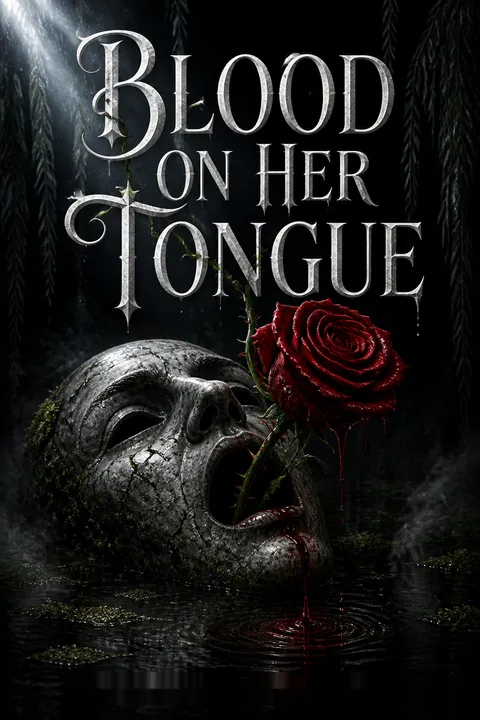
Upon Lucy's arrival, the narrative shifts to the recent unearthing of a bog body on the estate. Sarah, ever the curious amateur scientist, is both fascinated and unsettled by the find. The body, preserved in the peat, is a grotesque relic: staked through the joints, mouth forced open by a stone, and sexless, with a face that is both hideous and hauntingly beautiful. Sarah sketches and studies the corpse, her imagination inflamed by its mysteries. The local workers are terrified, convinced the body is a restless spirit. The autopsy, led by Sarah and the local doctors, reveals further horrors: the body is empty of organs, its tongue gone, its brain a shriveled, root-like mass. The bog woman's presence infects the household, and Sarah's letters grow more erratic, her mind increasingly consumed by the dead woman's story.
Sickness and Sisterhood
Lucy's reunion with her sister is fraught with shock and sorrow. Sarah is physically ravaged, delirious, and tormented by visions of a woman who wants to consume her. The household is tense: Michael, Sarah's husband, is distant and controlling; Arthur, the family doctor and childhood friend, is both compassionate and helpless; Katje, a poor relation, is anxious and devoted. Lucy's memories of their childhood—of shared secrets, of their aunt's madness, of the loss of Sarah's child—intertwine with the present crisis. The sisters' bond is palpable, but so is the threat of madness and the shadow of the bog woman. Lucy's attempts to nurse Sarah are met with violence and confusion, as Sarah's illness blurs the line between physical and supernatural affliction.
Blood and Madness
Sarah's condition deteriorates rapidly. In a fevered frenzy, she bites Arthur, drawing blood, and later attacks her maid. The household is thrown into chaos, with fear and suspicion mounting. Lucy, exhausted and desperate, tries to find meaning in Sarah's ravings and the strange notes she left in her books. The bog woman's story becomes an obsession, a symbol of both scientific curiosity and primal terror. The narrative explores the stigmatization of mental illness, the limits of medical knowledge, and the ways in which women's suffering is pathologized and dismissed. The sisters' relationship is tested by guilt, helplessness, and the specter of hereditary madness.
The Autopsy's Secrets
The autopsy of the bog woman, conducted by Arthur and a visiting specialist, yields only more mysteries. The body's organs are missing, its mouth and brain altered in inexplicable ways. Sarah, who assists in the procedure, is both repulsed and enthralled, her mind teetering on the edge. The doctors debate rational explanations—ritual, punishment, disease—but Sarah alone senses a deeper, more personal connection. Her notes grow increasingly unhinged, blurring the boundaries between self and other, living and dead. The bog woman becomes a mirror for Sarah's own suffering, her sense of being invaded, consumed, and erased.
Nightmares and Revelations
As Sarah's illness worsens, she is plagued by nightmares in which the bog woman seduces and invades her, forcing something cold and alive down her throat. Lucy, too, is haunted by dreams and memories—of their dead niece, of their aunt's madness, of her own forbidden desires for Michael. The house becomes a labyrinth of secrets and suppressed emotions. Sarah's sleepwalking and delirium intensify, and she becomes convinced that something is inside her head, eating her brain. The narrative delves into the gothic tradition of the double, the porous boundaries between self and other, and the terror of losing one's mind and identity.
The Descent of Sarah
Sarah's condition reaches a breaking point. She refuses food and water, convinced that eating will feed the thing inside her. The household resorts to desperate measures: blood transfusions from Michael, Arthur, Lucy, and Katje, in a futile attempt to restore her strength. The transfusions bring temporary relief, but Sarah's mind is slipping away. She becomes obsessed with the idea of being a parasite, like the bog woman, and her notes grow more fragmented and disturbing. The tension between science and superstition, reason and madness, becomes unbearable. The sisters' bond is both a source of comfort and a conduit for terror.
Death and the Double
In a moment of unbearable agony, Sarah gouges out her own eye with a pen, convinced she must destroy the thing inside her head. She dies, leaving Lucy shattered and alone. The household is plunged into mourning, but the rituals of death offer little solace. Lucy prepares her sister's body, haunted by guilt, grief, and the sense that something unnatural has occurred. The funeral is marked by strange omens: animals panic, the coffin seems to move, and Lucy is convinced she hears Sarah knocking from within. The gothic motif of premature burial and the return of the dead is realized in a scene of terror and ambiguity.
Resurrection and Hunger
Against all odds, Sarah is found alive, having suffered a cataleptic trance mistaken for death. Her return is celebrated as a miracle, but it soon becomes clear that she is not the same. She is cold, impervious to pain, and unable to eat normal food. Her wounds do not heal, and she is plagued by an insatiable hunger for blood. Lucy, torn between relief and horror, tries to care for her, but the household is gripped by fear and suspicion. The boundaries between life and death, self and other, are further eroded. Sarah's relationship with Katje deepens, becoming both romantic and predatory.
The Changeling's Tale
Lucy, determined to understand what has happened to her sister, investigates the history of the bog woman. With the help of a discovered ring and archival research, she uncovers the story of Marianne, a woman murdered by her husband for being a changeling. The court records describe symptoms eerily similar to Sarah's: unnatural appetites, fear in animals, imperviousness to pain, and a sense of being replaced. The motif of the changeling—a double, a parasite, a woman who is not herself—emerges as the central horror. Lucy realizes that Sarah is possessed by the same force that once inhabited Marianne.
The Ring and the Record
The discovery of the posy ring and the court records provides a historical anchor for the supernatural events. The ring, inscribed with a biblical phrase about male dominance, and the story of Marianne's murder, link the present to a legacy of violence against women deemed unnatural or mad. Lucy's research is both an act of love and a desperate attempt to save her sister. The narrative explores the ways in which women's bodies and minds are controlled, pathologized, and punished, and how the past continues to haunt the present.
Possession Revealed
In a climactic confrontation, Lucy forces the truth from her sister. The entity possessing Sarah reveals itself as a kind of ancient, vampiric parasite, capable of surviving for centuries by consuming human hosts. It absorbed Marianne, survived in the bog, and entered Sarah through a wound. The parasite is both Sarah and not-Sarah, retaining her memories and emotions but driven by an alien hunger. Lucy is forced to confront the horror of loving someone who is both herself and other, victim and monster. The sisters' bond is tested to its limits, as Lucy must decide whether to help the parasite survive or let it die.
The Price of Survival
As Sarah's hunger grows, the household is torn apart by violence and betrayal. Michael, determined to commit Sarah to an asylum, becomes a threat. Arthur, the family doctor, is complicit in the plan to remove her. In a desperate act of love and self-preservation, Lucy murders both men, gouging out Michael's eyes and slitting Arthur's throat. The violence is both shocking and cathartic, a breaking of the cycle of control and abuse. Lucy and not-Sarah, now fully aligned, plot their escape, determined to survive together at any cost.
Betrayal and Bloodshed
With the help of Katje, Lucy and not-Sarah cover their tracks, disposing of the bodies and fabricating a story of elopement and disappearance. The narrative becomes a feverish blend of horror, crime, and dark romance. The sisters' relationship is transformed by violence, guilt, and the shared secret of survival. The outside world, represented by the police and the press, is baffled by their disappearance. The motif of the double is resolved in a new, monstrous alliance: Lucy and not-Sarah, bound by blood, love, and the refusal to be erased.
Escape into Darkness
The final chapters follow the sisters and Katje as they flee into the night, leaving behind a trail of death and mystery. The bog, once a place of horror, becomes a symbol of escape and transformation. The narrative ends with a sense of ambiguity and possibility: the sisters are neither wholly innocent nor wholly monstrous, but something new, forged in the crucible of trauma and love. The world may never understand what happened at Zwartwater, but for Lucy and not-Sarah, survival is its own kind of victory.
Sisters Beyond Death
In the aftermath, Lucy and not-Sarah—now inseparable, their identities fused by love, violence, and the supernatural—disappear into legend. The world speculates, but the truth is known only to them. The novel closes on a note of dark hope: the sisters, having transcended death and madness, are free to define themselves on their own terms. Their bond, tested by horror and betrayal, endures beyond the grave, a testament to the power of love, identity, and the refusal to be consumed by the world's expectations.
Analysis
Blood on Her Tongue is a masterful reimagining of the gothic horror tradition, blending psychological depth, supernatural terror, and a fiercely feminist sensibility. At its core, the novel is a meditation on identity, sisterhood, and the monstrous: what does it mean to love someone who is both yourself and other, victim and predator, human and inhuman? Through its epistolary structure and fragmented narrative, the book immerses the reader in the claustrophobic world of Zwartwater, where the boundaries between life and death, sanity and madness, self and double, are constantly shifting. The horror is both visceral and existential, rooted in the body and the mind, the past and the present. The novel interrogates the ways in which women's suffering is pathologized, their bodies controlled, and their relationships policed—while also celebrating the power of love, resilience, and the refusal to be consumed by the world's expectations. In the end, Blood on Her Tongue is not just a story of terror and survival, but a radical affirmation of the right to define oneself, even in the face of death, madness, and the monstrous.
Review Summary
Blood on Her Tongue is a gothic horror novel set in 1887 Netherlands, following twin sisters Lucy and Sarah. When Sarah falls ill with a mysterious condition, Lucy tries to uncover the truth. The book is praised for its atmospheric writing, body horror elements, and exploration of sisterhood. Reviewers appreciate the author's ability to create tension and dread. While some found the characters unlikable and the plot predictable, many enjoyed the gothic vibes and feminist themes. The novel received mixed reactions, with ratings ranging from 1 to 5 stars.
People Also Read

Characters
Lucy Goedhart
Lucy is the quieter, more reserved of the Goedhart twins, defined by her deep attachment to her sister Sarah. Throughout the novel, Lucy's identity is shaped by her role as the "lesser" twin—she is introspective, self-effacing, and often feels invisible or secondary. Her psychological landscape is marked by guilt, longing, and a desperate need for connection, especially after the loss of her parents and niece. Lucy's journey is one of transformation: from passive caretaker to active agent, capable of violence and moral ambiguity. Her love for Sarah is both her strength and her undoing, driving her to acts of sacrifice, betrayal, and ultimately murder. Lucy's relationship with Michael is fraught with forbidden desire and self-loathing, while her bond with Katje and not-Sarah becomes a lifeline in the face of horror. By the end, Lucy's identity is irrevocably altered—she is both herself and her sister's keeper, a survivor forged in blood and darkness.
Sarah Schatteleyn / Not-Sarah
Sarah is the dominant twin: intelligent, passionate, and prone to obsession. Her curiosity about the natural world is matched only by her vulnerability to mental illness, a legacy of family trauma and personal loss. Sarah's descent into madness is both a personal tragedy and a supernatural horror, as she becomes the host for an ancient, vampiric parasite. The entity that emerges—Not-Sarah—is both Sarah and other: it retains her memories, emotions, and relationships, but is driven by an insatiable hunger and a ruthless will to survive. The psychological complexity of Not-Sarah lies in her duality: she is at once victim and monster, beloved sister and alien invader. Her relationship with Lucy is central, oscillating between love, manipulation, and desperate need. Not-Sarah's journey is one of adaptation, as she learns to navigate human emotions, guilt, and the ethics of survival. In the end, she and Lucy become partners in crime and fugitives, their bond transcending death and identity.
Michael Schatteleyn
Michael is Sarah's husband and Lucy's object of forbidden desire. He is a man of contradictions: intellectually curious yet rigidly patriarchal, capable of tenderness but also cruelty. Michael's need for control manifests in his relationships with both women, as he seeks to define and confine them according to his own standards. His inability to cope with Sarah's illness and transformation leads him to betrayal and violence. Michael's extra teeth—a physical marker of his otherness—symbolize his predatory nature. His relationship with Lucy is marked by guilt, lust, and mutual destruction. Ultimately, Michael becomes both victim and villain, his death at Lucy's hands a culmination of the novel's themes of power, desire, and the costs of survival.
Arthur Hoefnagel
Arthur is the family doctor, childhood friend, and would-be suitor to Lucy. He is compassionate, rational, and deeply loyal, but also limited by the medical and social conventions of his time. Arthur's attempts to save Sarah are earnest but ultimately futile, as he is unable to comprehend or combat the supernatural forces at play. His love for Lucy is genuine, but he is blind to her true needs and desires. Arthur's complicity in the plan to commit Sarah to an asylum marks his tragic flaw: a belief in reason and order that cannot accommodate the chaos of love, madness, and the monstrous. His death at Lucy's hands is both a mercy and a necessity, sealing the sisters' fate as outcasts and survivors.
Katje
Katje is a poor relation, living at Zwartwater on Michael's charity. She is nervous, traumatized by past abuse, and often overlooked by the household. Yet Katje's loyalty to Sarah is unwavering, and her relationship with her is both romantic and redemptive. Katje's queerness and outsider status make her both vulnerable and resilient. She becomes an accomplice in the sisters' crimes, helping to cover up evidence and care for not-Sarah. Katje's psychological depth lies in her capacity for love and survival in the face of trauma. Her bond with the sisters is a testament to the power of chosen family and the possibility of healing through connection.
Mrs. van Dijk
Mrs. van Dijk is Lucy's employer, a wealthy widow who occupies an ambiguous position in the social hierarchy. She is practical, opinionated, and fiercely independent, yet also lonely and dependent on the companionship of others. Mrs. van Dijk's relationship with Lucy is both maternal and transactional, marked by moments of genuine care and mutual frustration. Her role in the narrative is that of a witness and occasional ally, but she is ultimately powerless to prevent the unfolding tragedy. Her injury at not-Sarah's hands underscores the collateral damage of the sisters' struggle for survival.
The Bog Woman / Marianne
The bog woman, later identified as Marianne, is both a historical figure and a supernatural force. Her story—a woman murdered for being a changeling, staked and silenced—echoes through the lives of the present-day characters. Marianne's possession by the parasite sets the pattern for Sarah's fate, linking the past and present in a cycle of violence, erasure, and monstrous survival. The bog woman is a symbol of the ways in which women's bodies and minds are controlled, punished, and made monstrous by a patriarchal society.
Magda
Magda is Sarah's maid, a practical and outspoken woman who is both victim and observer of the household's decline. Her relationship with her mistress is marked by frustration, fear, and a sense of powerlessness. Magda's perspective offers a glimpse into the class dynamics of the estate and the ways in which servants are both complicit in and excluded from the family's secrets. Her eventual betrayal of Lucy underscores the fragility of alliances in a world governed by survival and suspicion.
Aunt Adelheid
Aunt Adelheid is a shadowy presence in the twins' past, a brilliant and unconventional woman whose descent into madness and confinement in an asylum haunts the family. Her fate serves as both a warning and a source of fear for Lucy and Sarah, shaping their understanding of mental illness, identity, and the dangers faced by women who defy social norms. Adelheid's story is a microcosm of the novel's themes: the thin line between genius and madness, the costs of nonconformity, and the enduring power of sisterhood.
Pasja
Pasja, the family's Italian greyhound, is a minor but symbolically important character. Her fear and aggression toward Sarah after her transformation serve as a barometer for the presence of the supernatural. Pasja's reactions mirror the anxieties of the household and the ways in which animals, unclouded by reason, sense the truth of what has occurred. Her fate is intertwined with that of the sisters, a reminder of the collateral damage wrought by the struggle for survival.
Plot Devices
Epistolary Framing and Fragmented Narrative
The novel employs a rich array of narrative devices—letters, diary entries, court records, newspaper articles—to create a sense of immediacy, intimacy, and unreliability. This epistolary structure allows for multiple perspectives, blurring the line between subjective experience and objective truth. The fragmented narrative mirrors the psychological fragmentation of the characters, especially as Sarah's mind unravels and Lucy's sense of self is destabilized. The use of historical documents and found texts grounds the supernatural in a plausible reality, while also highlighting the ways in which women's voices are recorded, erased, and misinterpreted by history.
The Double and the Changeling Motif
Central to the novel is the motif of the double: twins, changelings, and parasitic possession. The relationship between Lucy and Sarah is both a source of strength and a site of terror, as the boundaries between self and other are repeatedly crossed and violated. The changeling legend, with its themes of replacement, suspicion, and monstrous femininity, is reimagined as a metaphor for mental illness, queerness, and the fear of the unknown. The parasite that possesses Sarah is both a literal and symbolic double, embodying the anxieties of identity, autonomy, and survival.
Body Horror and the Grotesque
The novel's horror is deeply embodied: eyes are gouged, flesh is consumed, bodies are staked, and wounds refuse to heal. The bog woman's mutilated corpse, Sarah's self-inflicted injury, and the violence visited upon the living all serve to externalize the characters' psychological torment. Body horror becomes a means of exploring the limits of selfhood, the permeability of the body, and the ways in which trauma is inscribed on flesh. The grotesque is both a source of terror and a site of resistance, as the sisters refuse to be defined or destroyed by the violence done to them.
Foreshadowing and Unreliable Perception
The narrative is suffused with foreshadowing: omens, animal behavior, dreams, and hallucinations all hint at the coming horror. The characters' perceptions are repeatedly called into question, as illness, grief, and supernatural influence distort reality. The motif of premature burial, the return of the dead, and the confusion between life and death create a sense of instability and dread. The reader, like the characters, is left to navigate a world where nothing is certain and the truth is always just out of reach.
Feminist and Queer Subtext
Beneath the surface horror, the novel is a meditation on the ways in which women's bodies, minds, and relationships are policed, pathologized, and punished. The gothic tradition is queered and subverted: the monstrous is not simply evil, but a response to oppression, trauma, and the refusal to be erased. The relationships between women—sisters, lovers, friends—are sites of both danger and salvation. The novel interrogates the boundaries of identity, the ethics of survival, and the possibility of love beyond death and madness.
Download PDF
Download EPUB
.epub digital book format is ideal for reading ebooks on phones, tablets, and e-readers.








































