
Plot Summary
Shackled in the Carriage
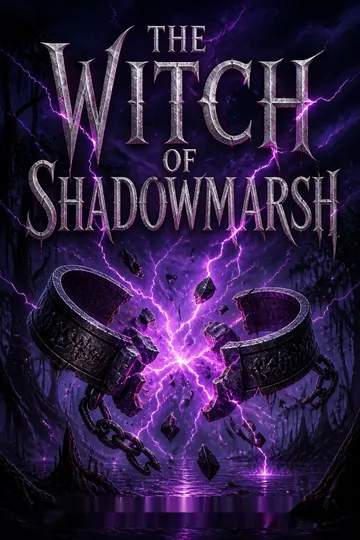
Lyssandra awakens, shackled and powerless, in a carriage bound for Ivangard. Her captors—Xavier, Cael, and Cerridwen—are both enemies and uneasy allies, each with their own motives. Stripped of her sword and magic by a cursed bracelet, Lyssandra is forced to play along, hoping to learn Eiric's true plan. The journey is tense, filled with veiled threats and bitter banter, especially with Xavier, whose own servitude to Eiric is a twisted mirror of Lyssandra's predicament. As they near the city, Lyssandra's thoughts are consumed by those she's left behind—Asher, Tholdri, Steifan—and the gnawing fear that her choices may doom them all. The carriage's arrival at the temple marks the beginning of a new, more insidious captivity, where the true nature of her captors and her own power will be tested.
Witches of Ivangard
Upon arrival, Lyssandra is thrust into the world of the Ivangard witches, a society cloaked in blue and secrecy. She is given a private chamber, a privilege laced with suspicion, and meets Gwenvere, the priestess who will oversee her training. The temple is both sanctuary and prison, its pristine halls hiding ancient bargains and dangerous ambitions. Lyssandra's interactions with Cerridwen and Gwenvere reveal the witches' divided loyalties and the ever-present threat of Eiric's influence. The temple's rituals, its hierarchy, and the simmering resentment among the acolytes set the stage for Lyssandra's struggle to regain her power and agency. The city outside is oblivious to the storm gathering within its sacred walls.
Lessons in Blood
Stripped of her bond with Asher and her sword, Lyssandra is forced to train under Gwenvere and Cerridwen. The lessons are brutal, designed to break her will and force her to master blood magic. The acolytes, some eager, some terrified, become both rivals and collateral damage. Lyssandra's first attempts at magic are raw and uncontrolled, drawing blood and pain from herself and others. Gwenvere's methods are harsh, and Cerridwen's manipulations ever-present. The temple's true nature is revealed: its power is built on bargains with demons, and its safety is an illusion. Lyssandra's struggle is not just for control, but for her very sanity, as the magic within her threatens to consume her.
The Demon Within
A series of gruesome murders rocks the temple, each victim torn apart by an unseen force. Lyssandra, once a hunter, is drawn into the investigation, her instincts clashing with her role as a prisoner. The deaths reveal the dark truth: the witches have bound demons within themselves for power, and now those demons are breaking free. Gwenvere's desperation grows, and Cerridwen's true motives become murkier. Lyssandra's own magic, once a source of hope, now feels like a curse, linking her to the violence and madness spreading through the temple. The line between hunter and hunted blurs, and Lyssandra must decide whether to embrace or reject the darkness within her.
Asher's Pursuit
Outside the temple, Asher, Tholdri, Markus, and Geist race to find Lyssandra. Their journey is fraught with danger, as they navigate city politics, ancient wards, and their own divided loyalties. Asher's bond with Lyssandra is severed, leaving him adrift and desperate. The group's alliance is uneasy, with old wounds and new suspicions threatening to tear them apart. The arrival of Isolde, a hunter in disguise, adds another layer of intrigue. As the hunters, witches, and vampires converge on Ivangard, the city becomes a crucible where old grudges and new alliances will be tested. The stage is set for a confrontation that will decide the fate of them all.
The Ritual's Price
Eiric's true intentions come into focus: he seeks a ritual that will allow him to walk in the sun and destroy his enemies. Lyssandra is the key, her blood magic the catalyst for a spell that could reshape the world. The grimoires—ancient tomes of forbidden knowledge—become the most coveted objects in Ivangard. As Lyssandra trains, she is haunted by visions and memories, the legacy of her ancestors pressing down on her. The cost of the ritual is steep: it demands sacrifice, betrayal, and the theft of power from others. Lyssandra must choose between her own survival and the lives of those she loves, knowing that any choice may lead to ruin.
Hunters and Traitors
The lines between friend and foe blur as old enemies become allies and trusted companions reveal hidden agendas. Cael's true motives are laid bare, his loyalty to Lyssandra tested by ancient bargains and personal guilt. Xavier, once Eiric's servant, becomes a tragic figure, caught between freedom and damnation. The hunters, manipulated by Eiric and the witches, are lured to Ivangard as pawns in a larger game. Lyssandra's own sense of self is fractured, her identity as hunter, witch, and servant pulling her in conflicting directions. The city becomes a maze of secrets, where every choice is a potential betrayal.
Demons Unleashed
The temple's fragile order collapses as more demons escape their hosts, wreaking havoc on Ivangard. Lyssandra, desperate for power to face Eiric, begins to hunt the demons herself, absorbing their magic at great personal risk. The process is intoxicating and dangerous, threatening to overwhelm her mind and soul. The city is plunged into terror, with citizens and guards alike falling victim to the unleashed horrors. Asher and his allies fight to reach Lyssandra, but the path is blocked by undead, ghouls, and the machinations of Cerridwen. The boundaries between worlds grow thin, and the cost of victory becomes ever more uncertain.
The Grimoire's Secret
The search for the grimoires reaches its climax, as Lyssandra and her allies race to prevent Eiric and Cerridwen from obtaining the final pieces needed for the ritual. Memories and visions reveal the true history of Lavandriel, the original blood witch, and the origins of the sword and ring that hold the key to defeating the darkness. The grimoires are more than books—they are repositories of power, temptation, and doom. Lyssandra must confront the legacy of her bloodline, the expectations of her ancestors, and the reality of what it means to wield such power. The choice is stark: use the ritual to save the world, or risk becoming the very monster she hunts.
Eiric's Endgame
Eiric's plan comes to fruition as he gathers the hunters, witches, and Lyssandra in a bloody ritual meant to grant him ultimate power. The courtyard becomes a slaughterhouse, with bodies piling up as sacrifices for the spell. Lyssandra, armed with stolen demon magic and the knowledge of the grimoires, faces Eiric in a battle of wills and sorcery. The cost is immense: friends die, allies are betrayed, and the line between victory and annihilation blurs. In the end, it is not strength alone, but sacrifice and cunning that determine the outcome. Eiric's death is both a triumph and a tragedy, leaving a void that Cerridwen is all too eager to fill.
The Courtyard Massacre
With Eiric dead, Cerridwen reveals her true intentions: to use Lyssandra and the ritual to destroy all vampires and atone for her own sins. The courtyard is littered with the dead, and the survivors are left reeling. Cerridwen's power is immense, her resolve unbreakable. She manipulates Lyssandra with threats against Asher and Steifan, forcing her to choose between love and duty. The portal is opened, and the survivors are scattered. The battle is not over—it has only changed hands, and the true cost of victory is yet to be paid.
The Portal's Bargain
Forced through a portal, Lyssandra confronts the true architect of her fate: Lavandriel, her ancient ancestor, still alive and wielding unimaginable power. The tower becomes a crucible where past and present collide, and the legacy of blood magic is laid bare. Cael's sacrifice, Steifan's loyalty, and Xavier's tragic freedom all converge in a final reckoning. The ritual is no longer just a spell—it is a test of will, love, and the meaning of justice. Lyssandra must decide whether to fulfill her ancestor's vision or forge a new path, knowing that either choice will have consequences for generations to come.
The Tower of Shadows
In the ruined tower, Lyssandra faces Lavandriel, now possessed by a greater demon. The battle is both physical and spiritual, as Lyssandra draws on every ounce of magic, love, and pain to resist being consumed. Cael's final sacrifice gives her the strength to channel the ritual, but the cost is devastating. The demon is banished, but the victory is hollow—lives are lost, and the world is forever changed. The tower collapses, burying the past and forcing Lyssandra to confront what she has become.
The Last Summoning
Asher rescues Lyssandra from the ruins, and together they mourn the fallen and tend to the wounded. Xavier, freed from servitude, is given a second chance as the new bearer of the demon sword. The bonds of servitude and magic are broken, leaving Lyssandra and her companions to redefine themselves in a world without Eiric or Cerridwen. The witches and hunters must find a way to coexist, and Lyssandra must decide whether to embrace her power or seek peace. The future is uncertain, but hope flickers in the darkness.
Light Against Darkness
The survivors are exiled from Ivangard, forced to confront the prejudices and fears that have shaped their lives. Ryllae's intervention grants Lyssandra a pardon, but the cost is a life lived in the shadows. The witches, hunters, and vampires must forge new alliances, and old wounds begin to heal. Lyssandra's relationship with Asher deepens, and the possibility of a new life—free from fear and servitude—emerges. The world is not saved, but it is changed, and the promise of peace is enough to keep hope alive.
The Cost of Power
Lyssandra grapples with the aftermath of her choices, the loss of loved ones, and the burden of power. The demon within her is both a gift and a curse, a reminder that true strength lies in compassion and restraint. The bonds of friendship and love are tested, but endure. As the survivors prepare to leave Ivangard, Lyssandra must decide what kind of life she wants to lead, and what kind of legacy she will leave behind. The journey is not over, but the path is hers to choose.
Aftermath and Exile
The final chapter is one of healing and hope. The witches, hunters, and vampires set out on new paths, their futures uncertain but their spirits unbroken. Lyssandra, now free from servitude and fear, embraces her power and her love for Asher. The memory of those lost is honored, and the promise of a new life—one built on trust, forgiveness, and the courage to change—shines like a beacon in the darkness. The story ends not with an ending, but with the beginning of a new adventure, and the knowledge that even in a world of shadows, there is always light.
Analysis
A meditation on power, agency, and the cost of legacy
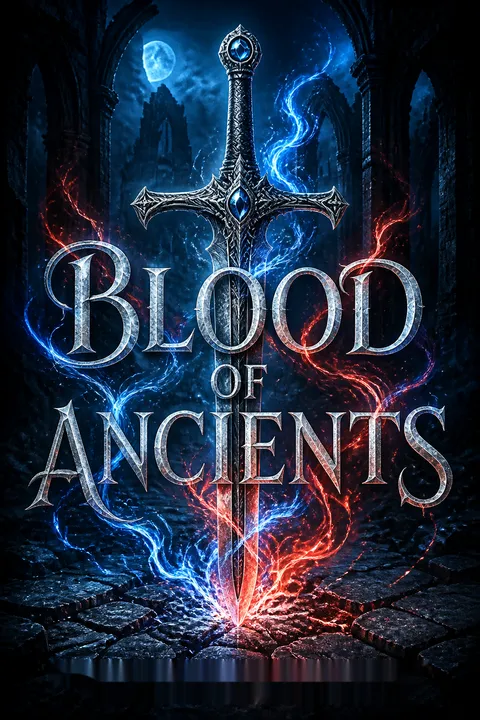
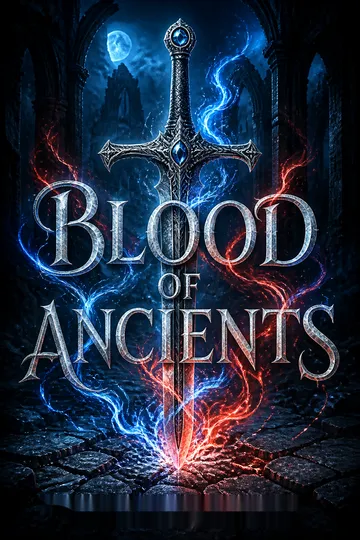
Blood of Ancients is a dark, emotionally charged fantasy that interrogates the nature of power—who wields it, who pays for it, and what it means to be free. Through Lyssandra's journey, the novel explores the dangers of unchecked ambition, the seductive allure of forbidden knowledge, and the thin line between justice and vengeance. The story is deeply concerned with the legacy of the past: the choices of ancestors, the weight of bloodlines, and the struggle to forge a new path in the shadow of old sins. At its heart, the book is about agency—the right to choose one's own fate, to love and forgive, and to define oneself beyond the roles imposed by others. The emotional arc is one of hard-won self-acceptance, the forging of found family, and the courage to embrace both light and darkness. In a world where every victory comes at a cost, Blood of Ancients ultimately argues that true strength lies not in power, but in compassion, sacrifice, and the willingness to change.
Review Summary
People Also Read
Characters
Lyssandra Yonvrode
Lyssandra is the heart of the story—a woman forged by trauma, loss, and the relentless expectations of her bloodline. Once a hunter, then a servant, and now a blood witch and summoner, she is constantly torn between the roles others force upon her and the person she wants to become. Her relationships—with Asher, Tholdri, Steifan, and her ancestors—are fraught with love, guilt, and the fear of losing herself to power. Lyssandra's journey is one of self-discovery, as she learns to wield her magic without succumbing to madness, to forgive those who have wronged her, and to choose her own destiny. Her greatest strength is her compassion, even when it is a liability, and her willingness to sacrifice for those she loves.
Asher
Asher is Lyssandra's lover and former master, an ancient vampire burdened by guilt and the weight of centuries. His bond with Lyssandra is both a source of strength and a curse, and its severance leaves him adrift. Asher's journey is one of redemption—learning to love without control, to fight for Lyssandra's freedom even at the cost of his own happiness. His loyalty is unwavering, and his willingness to die for Lyssandra is matched only by his hope that she will choose life and love on her own terms. Asher's presence is a constant reminder of the thin line between monster and man.
Cael
Cael is Lyssandra's great uncle, a vampire and necromancer whose life is defined by loss and duty. Haunted by the deaths of his siblings and the burden of his bloodline, Cael's actions are often inscrutable—betraying Lyssandra to save her, sacrificing himself to give her a chance at victory. His relationship with Lyssandra is fraught with guilt and unspoken love, and his final sacrifice is both a redemption and a tragedy. Cael embodies the theme that true strength lies in the willingness to give everything for those you love.
Cerridwen
Cerridwen is the architect of much of the story's suffering—a necromancer driven by love, guilt, and the need to atone for her past. Her relationship with Eiric is both a love story and a cautionary tale, as her attempts to save him lead to greater horrors. Cerridwen's willingness to sacrifice anything and anyone for her vision of justice makes her both a villain and a tragic figure. Her final confrontation with Lyssandra is a battle not just of magic, but of ideology—what is the true cost of redemption?
Xavier
Xavier is Eiric's former servant, a man whose life is defined by the will of others. His relationship with Lyssandra is one of mutual recognition—each sees in the other the cost of servitude and the hope of freedom. Xavier's journey is one of tragic self-awareness, as he seeks death as a release but is ultimately given a second chance as the new bearer of the demon sword. His story is a meditation on the nature of freedom, agency, and the possibility of redemption.
Gwenvere
Gwenvere is the priestess who oversees Lyssandra's training, a woman who bargains with demons to escape her own mortality. Her actions set in motion much of the chaos in the temple, and her death is both a consequence of her choices and a catalyst for Lyssandra's transformation. Gwenvere embodies the dangers of unchecked ambition and the tragic cost of seeking power at any price.
Steifan
Steifan is a hunter and friend to Lyssandra, a man whose strength lies in his unwavering support and quiet courage. His journey is one of self-discovery, as he learns to stand up to his father, to fight for what is right, and to accept his own worth. Steifan's willingness to sacrifice for Lyssandra is a testament to the power of friendship and the importance of found family.
Tholdri
Tholdri is Lyssandra's oldest friend, a hunter whose humor and loyalty provide a counterbalance to the story's darkness. His relationship with Geist, an ancient vampire, challenges his beliefs and forces him to reconsider what it means to be a monster. Tholdri's journey is one of growth, as he learns to embrace change and to find love in unexpected places.
Eiric
Eiric is the original vampire, a being whose quest for power and immortality sets the story in motion. His relationship with Cerridwen and Lavandriel is a twisted reflection of love and ambition, and his manipulation of those around him is both masterful and monstrous. Eiric's death is both an ending and a beginning, forcing the survivors to confront the legacy of his actions and the possibility of a world without him.
Lavandriel
Lavandriel is Lyssandra's ancestor, the original blood witch whose choices echo through the generations. Her survival, achieved through forbidden magic, is both a blessing and a curse. Lavandriel's vision of justice is uncompromising, and her willingness to sacrifice everything for her ideals makes her both a hero and a cautionary tale. Her final confrontation with Lyssandra is a reckoning with the past, and a warning about the dangers of unchecked power.
Plot Devices
Blood Magic and Servitude
The central plot device is the inheritance and use of blood magic, which grants immense power but threatens madness and corruption. The bonds of servitude—between vampires and their servants, witches and their demons—are both literal and metaphorical, exploring themes of agency, autonomy, and the price of power. The severing and reforming of these bonds drive the characters' development and the story's emotional arc.
The Grimoires and Rituals
The grimoires are more than books—they are repositories of forbidden knowledge, the keys to rituals that can reshape the world. Their pursuit drives the plot, and their contents force the characters to confront the legacy of their ancestors and the dangers of unchecked ambition. The rituals themselves are tests of will, demanding sacrifice and the theft of power from others.
Demons and Summoning
The summoning and binding of demons serve as both a source of power and a metaphor for the characters' internal struggles. The demons are not just monsters—they are reflections of the characters' fears, desires, and the consequences of their choices. The escalation from shadows to greater demons mirrors Lyssandra's journey from victim to wielder of unimaginable power.
Betrayal and Shifting Allegiances
The story is driven by betrayals—some born of necessity, others of ambition or fear. Characters are constantly forced to reevaluate their loyalties, and the shifting allegiances create a sense of uncertainty and tension. Redemption is possible, but never easy, and the cost is often more than the characters are willing to pay.
Foreshadowing and Ancestral Legacy
Visions, memories, and the echoes of ancestral choices foreshadow the story's major twists and confrontations. The legacy of Lavandriel, Eiric, and the original blood witches is both a burden and a guide, forcing Lyssandra and her allies to confront the consequences of history and to choose whether to repeat or break the cycle.
A Study in Shadows Series
About the Author
Download PDF
Download EPUB
.epub digital book format is ideal for reading ebooks on phones, tablets, and e-readers.








































