
Plot Summary
Midnight in the Mires
The story opens with Lyssandra, a hunter of the Helius Order, waiting in the mires for Asher, an ancient vampire with whom she shares a complicated bond. Their meeting is tense, charged with the unresolved energy of their connection and the secrets they both keep. Asher enlists Lyssandra's help to investigate the murder of another ancient vampire, Evral, drawing her into a web of intrigue that pits her loyalty to the Order against her growing attachment to Asher. The night air is thick with danger and unspoken feelings, setting the stage for a journey that will test Lyssandra's oaths, her heart, and her very identity.
Climbing Toward Shadows
Together, they trek toward Evral's lair, navigating treacherous terrain and the emotional minefield of their bond. The climb is both literal and metaphorical, as Lyssandra grapples with her role as a hunter and her forbidden connection to Asher. Their investigation is quickly complicated by an ambush of young vampires, a burning lair, and the realization that someone is orchestrating events from the shadows. The destruction of evidence and the pain of loss deepen Asher's resolve, while Lyssandra is forced to confront the possibility that the true enemy is neither human nor vampire, but something older and more cunning.
Village of Secrets
Lyssandra finds herself in a remote village, where the ordinary rhythms of rural life mask a tangle of secrets. She poses as a mercenary, gathering information from wary locals and uncovering hints of illicit trade and old grudges. The villagers' fear of shadows and the supernatural is palpable, and Lyssandra's presence stirs both suspicion and hope. As she investigates, she senses that the village is a crucible for forces beyond her understanding, and that her own identity as a red-haired huntress makes her both a target and a catalyst for the events to come.
Shadows in the Wheat
Lyssandra and Asher agree to guard a local farm, hoping to confront the mysterious shadows haunting the villagers. The night is thick with tension, as the boundaries between hunter and hunted blur. The shadows prove elusive, more phantasm than flesh, and Lyssandra's magical sword warns her of danger that cannot be seen. The experience leaves her questioning the nature of the threat and the limits of her own power. The bond with Asher intensifies, complicating her sense of self and her mission, as the shadows seem to be drawn to her in ways she cannot explain.
Night of the Phantom
The shadows finally strike, invading the farmhouse and terrorizing its inhabitants. Lyssandra and Asher witness a phantom-like entity capable of inflicting real harm, leaving a villager dead in its wake. The attack is swift and brutal, shattering any illusion of safety. The villagers' secrets begin to unravel, exposing a web of criminal activity and old rivalries. Lyssandra realizes that the supernatural threat is intertwined with human greed and betrayal, and that the true enemy may be manipulating both the living and the dead for its own ends.
The Necromancer's Offer
Lyssandra encounters Amarithe, a powerful necromancer who claims she can sever the bond between Lyssandra and Asher—at a price. Amarithe's offer is seductive, promising freedom from the vampire's influence and a return to a normal life. But the necromancer's motives are murky, and her knowledge of Lyssandra's sword and heritage is unsettling. The encounter forces Lyssandra to confront her deepest fears and desires, as she weighs the cost of freedom against the unknown consequences of Amarithe's magic.
Blood and Betrayal
The village is rocked by another murder, and Lyssandra's investigation uncovers a tangled web of illicit eel root trade, family betrayal, and hidden alliances. The villagers' willingness to kill for profit and revenge mirrors the supernatural violence stalking them. Lyssandra's own sense of guilt grows, as she realizes that her presence—and her red hair—have made her a focal point for both human and inhuman malice. The lines between friend and foe blur, and Lyssandra is forced to question whom she can trust.
The Demon's Trunk
Following a trail of blood and shadows, Lyssandra and Asher discover a mysterious trunk, sealed with demonic magic and filled with writhing darkness. The trunk is both a prison and a weapon, capable of unleashing horrors upon the world. Its connection to the murders and the supernatural attacks becomes clear, and Lyssandra realizes that the true enemy is not merely a rogue vampire or a vengeful spirit, but a force that predates both. The discovery of the trunk sets the stage for a confrontation with powers that threaten to consume them all.
The Witch's Game
Lyssandra is drawn into a game of wits with Matthias, a summoner and murderer who holds the key to Evral's death. The game is rigged, with Lyssandra's magical sword as the prize and the truth as the cost. As she navigates Matthias's riddles and manipulations, she is forced to confront her own capacity for deception and violence. The alliance with Asher deepens, but so does the danger, as the forces arrayed against them grow more cunning and ruthless. The game's outcome will determine not only the fate of the village, but the balance of power between life and death.
Ghouls and Ghosts
The night is filled with the howls of ghouls, summoned by forces unknown to hunt Lyssandra and her companions. The attack is relentless, forcing them to seek refuge and confront their own mortality. The ghouls are not merely mindless monsters, but instruments of a greater will—one that seeks to test, torment, and ultimately destroy Lyssandra. The experience leaves her scarred, both physically and emotionally, and deepens the bond with Asher in ways neither can fully control. The past refuses to stay buried, and the ghosts of old choices return to demand their due.
The Bond's Temptation
The bond between Lyssandra and Asher becomes impossible to ignore, manifesting as both a source of strength and a threat to her autonomy. Their connection is tested by violence, betrayal, and the ever-present lure of forbidden desire. Asher's willingness to risk everything for Lyssandra forces her to confront her own feelings, and the possibility that love and loyalty can coexist with duty and vengeance. The temptation to surrender to the bond is matched only by the fear of losing herself to it, and the choices she makes will shape the fate of all those around her.
The Red-Haired Huntress
The mystery of Lyssandra's ancestry comes to the fore, as clues point to a lineage of witches and a destiny entwined with ancient magic. Her red hair, long a mark of suspicion and danger, is revealed to be the sign of the Blackmire line—a family of powerful witches thought to be extinct. The revelation shakes Lyssandra's sense of self and her place in the world, as she realizes that her greatest weapon may also be her greatest curse. The enemies arrayed against her are not merely hunting a hunter, but seeking to erase a bloodline that threatens the balance of power.
The Servant's Curse
The nature of the master-servant bond is laid bare, as Lyssandra is forced to bind Markus to her in order to save his life. The act is both a mercy and a violation, echoing the choices that have shaped her own fate. The curse of servitude is revealed to be a double-edged sword, granting power but demanding loyalty, and blurring the line between love and control. The experience forces Lyssandra to confront the legacy of those who came before her, and the possibility that she is both victim and perpetrator in a cycle of violence and sacrifice.
The First Vampire's Tomb
The search for answers leads Lyssandra and her companions to the tomb of Eiric, the first vampire—a being of unimaginable power and malice. The tomb is both a prison and a crucible, holding the secrets of the Blackmire witches and the origin of the vampire curse. The forces that seek to break the seal are many: Amarithe, driven by love and madness; Xavier, the ancient servant; and Lyssandra herself, caught between duty and destiny. The breaking of the seal unleashes a power that threatens to consume them all, and the true nature of the enemy is finally revealed.
Sister of Shadows
Ryllae's true allegiance is revealed, as she sides with her sister Amarithe in a desperate bid to free Eiric. The bonds of friendship and family are tested to the breaking point, as Lyssandra is forced to choose between loyalty and justice. The sisters' plan is both tragic and monstrous, rooted in love, fear, and the desire to right ancient wrongs. The confrontation is brutal, leaving blood on the ground and hearts broken. Lyssandra's sense of isolation deepens, but so does her resolve to end the cycle of betrayal and vengeance.
The Breaking of Seals
The seal on the first vampire's tomb is broken, and Eiric emerges—beautiful, deadly, and utterly without mercy. The act is both a triumph and a catastrophe, as Amarithe's dreams of redemption are shattered by Eiric's true nature. The cost is high: lives are lost, bonds are broken, and the world is forever changed. Lyssandra's role as both liberator and executioner is cemented, and the burden of her heritage grows heavier. The battle against Eiric is only beginning, and the stakes are nothing less than the fate of the living and the dead.
The Potentate's Legacy
The death of the Potentate reveals the final secrets of Lyssandra's ancestry and the true purpose of her sword. The legacy of the Blackmire witches is both a gift and a curse, offering the power to fight Eiric but demanding sacrifices that Lyssandra is not sure she can make. The revelation that the Potentate was her grandfather, and that her great-uncle Cael is the creature who has haunted her steps, forces Lyssandra to reevaluate everything she thought she knew about family, loyalty, and destiny. The path forward is uncertain, but the past can no longer be denied.
Becoming the Witch
With the help of Cael and Asher, Lyssandra sets out to embrace her heritage and learn the magic of the Blackmire line. The journey is both an ending and a beginning, as she leaves behind the life of a hunter to become something new—a witch, a leader, and a force to be reckoned with. The bond with Asher deepens into love, no longer a curse but a choice. The final confrontation with Eiric looms, but Lyssandra is no longer running from her fate. She is ready to become the fire that will burn away the darkness.
Analysis
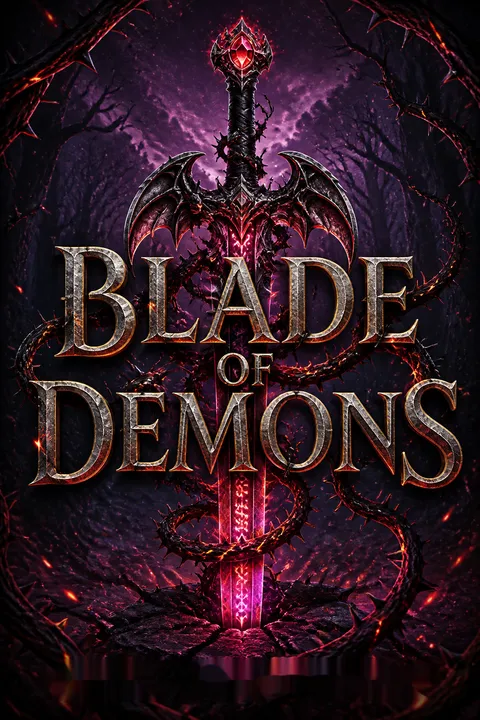
Blade of Demons is a dark, emotionally charged fantasy that explores the interplay of power, identity, and legacy through the lens of supernatural conflict. At its heart, the novel is about the cost of freedom and the price of love—how the bonds we form, whether chosen or imposed, shape who we become. Lyssandra's journey from hunter to witch, from servant to master of her own fate, is a meditation on the necessity of embracing all parts of oneself, even those that are feared or reviled. The narrative interrogates the nature of evil, suggesting that monsters are made as much by love and loss as by malice. The book's use of plot devices—magical bonds, ancient relics, and the breaking of seals—serves to externalize the characters' internal struggles, making the supernatural both a metaphor and a reality. Ultimately, Blade of Demons is a story about breaking cycles: of violence, of secrecy, of self-denial. It asks what it means to be free, and whether true freedom is possible without sacrifice. The lessons are clear: power must be claimed, but never without understanding its cost; love is both a weapon and a shield; and the past, no matter how deeply buried, will always demand its due.
Review Summary
People Also Read
Characters
Lyssandra Yonvrode
Lyssandra is the red-haired protagonist, a hunter of the Helius Order whose life is defined by oaths, loss, and the ever-present shadow of her own heritage. Her relationship with Asher, an ancient vampire, is both a source of strength and a threat to her autonomy, as the bond between them blurs the line between love and servitude. Lyssandra's journey is one of self-discovery, as she uncovers the truth of her ancestry and the power that lies dormant within her. Her psychological complexity is rooted in guilt, loyalty, and a fierce desire for freedom, even as she is drawn into a destiny she never chose. Her development is marked by the gradual acceptance of her own magic and the realization that true strength lies in embracing all parts of herself.
Asher
Asher is a centuries-old vampire whose enigmatic presence and deep emotional wounds make him both alluring and dangerous. His bond with Lyssandra is fraught with tension, desire, and the weight of past sins. Asher's role as both protector and tempter complicates Lyssandra's sense of duty, and his willingness to risk everything for her reveals a capacity for love that defies his monstrous nature. Psychologically, Asher is marked by loneliness, regret, and a longing for connection that he finds only in Lyssandra. His development is tied to his ability to trust and be vulnerable, and his relationship with Lyssandra becomes a crucible for both redemption and transformation.
Amarithe
Amarithe is a powerful necromancer whose motives are as complex as her magic. Driven by a desire to right ancient wrongs and a love twisted by centuries of loss, she becomes both ally and antagonist to Lyssandra. Her offer to sever the bond between Lyssandra and Asher is both a temptation and a trap, reflecting her own conflicted relationship with power and freedom. Amarithe's connection to Ryllae and the Blackmire line adds layers of tragedy and betrayal to her character, and her ultimate fate is a testament to the dangers of unchecked ambition and the cost of love.
Ryllae
Ryllae is a pure-blooded Sidhe who straddles the line between the human and supernatural worlds. Her friendship with Lyssandra is genuine, but her loyalty to her sister Amarithe leads to betrayal and heartbreak. Ryllae's psychological struggle is rooted in her desire to belong and her fear of loss, making her both sympathetic and tragic. Her development is marked by the realization that love and loyalty can be at odds, and that the choices she makes have consequences that ripple far beyond her own life.
Markus
Markus is a fellow hunter who becomes bound to Lyssandra in a desperate bid to save his life. His transformation from independent warrior to unwilling servant mirrors Lyssandra's own journey, and his resentment and anger reflect the psychological toll of lost autonomy. Markus's development is marked by the struggle to reconcile his new identity with his old loyalties, and his relationship with Lyssandra is a microcosm of the larger themes of power, control, and sacrifice.
Tholdri
Tholdri is Lyssandra's childhood friend and fellow hunter, whose unwavering loyalty and good humor provide a counterbalance to the darkness surrounding them. His role as confidant and protector is rooted in a deep sense of duty and affection, and his willingness to follow Lyssandra into danger speaks to the strength of their bond. Psychologically, Tholdri is marked by resilience and adaptability, and his development is tied to his ability to accept change and support Lyssandra as she embraces her true self.
The Potentate (Cedrik Bouenoire)
The Potentate is the enigmatic head of the Helius Order, whose true identity as Lyssandra's grandfather and a descendent of the Blackmire witches is revealed only after his death. His actions are driven by a desire to protect his family and the world from ancient evils, but his secrecy and manipulation have unintended consequences. Psychologically, the Potentate is marked by guilt, foresight, and the burden of leadership. His legacy is both a gift and a curse, shaping Lyssandra's destiny and the fate of the world.
Cael
Cael is Lyssandra's great-uncle, a necromancer who became a vampire to protect his family. His existence is a testament to the cost of sacrifice and the dangers of power. Cael's psychological struggle is rooted in the loss of self and the fear of becoming a monster, and his relationship with Lyssandra is both redemptive and fraught with the weight of history. His knowledge and guidance are crucial to Lyssandra's transformation, and his presence is a reminder that even monsters can choose to fight for the light.
Xavier
Xavier is the human servant of Eiric, the first vampire, whose centuries of imprisonment and manipulation have left him broken and desperate for release. His actions are driven by a longing for death and freedom, and his relationship with Lyssandra is marked by both enmity and understanding. Psychologically, Xavier is a study in the cost of servitude and the corrosive effects of powerlessness. His development is tied to his ability to resist Eiric's will and seek redemption, even as he is used as a weapon against those he might otherwise have called allies.
Eiric
Eiric is the origin of the vampire curse, a being of immense power, charm, and malice. His release from the tomb is both a triumph and a catastrophe, as he seeks vengeance and domination over the living and the dead. Psychologically, Eiric is marked by a hunger that can never be sated, a capacity for manipulation that borders on the divine, and a complete lack of empathy. His development is a study in the dangers of unchecked power and the consequences of ancient sins.
Plot Devices
The Master-Servant Bond
The master-servant bond is the central plot device, binding humans to vampires in a relationship that is both empowering and enslaving. It serves as a metaphor for the tension between autonomy and connection, love and domination. The bond's effects are psychological as well as magical, shaping the characters' choices and relationships. Its breaking and reforging drive much of the plot, forcing characters to confront the true cost of power and the meaning of freedom.
The Magical Sword
The sword, forged by the Blackmire witches for the first vampire, is both a weapon and a key. Its powers—warning of danger, glowing in the presence of evil, and enabling the creation of servant bonds—are central to the unfolding mystery. The sword's history and its connection to Lyssandra's lineage serve as both a source of strength and a curse, tying her fate to the ancient struggle between life and death. The sword's sentience and selective loyalty add layers of complexity, making it a character in its own right.
The Breaking of Seals
The motif of seals—both literal and metaphorical—runs throughout the narrative. The breaking of Eiric's tomb is the climax of centuries of manipulation, betrayal, and sacrifice. The act is both a release and a reckoning, forcing the characters to confront the consequences of their choices and the weight of history. The seal's breaking is foreshadowed by dreams, visions and the gradual unraveling of secrets, building tension and anticipation.
Foreshadowing and Dreams
Dreams and visions are used to foreshadow key events and reveal hidden truths. Lyssandra's dreams connect her to the past, allowing her to witness the creation of the sword, the sealing of Eiric, and the choices of her ancestors. These visions serve as both warnings and guides, shaping her understanding of her own power and the stakes of the conflict. The use of dreams blurs the line between memory and prophecy, past and present.
The Witch's Heritage
The revelation of Lyssandra's ancestry is a central plot device, transforming her from a mere hunter into the last of the Blackmire witches. The theme of hidden heritage and the power of bloodlines is explored through secrets, betrayals, and the gradual awakening of magic. The tension between destiny and choice is embodied in Lyssandra's struggle to accept her power and the responsibilities it entails.
The Game of Riddles
The use of games, riddles, and bargains is a recurring device, reflecting the characters' need to outwit enemies who are stronger or more numerous. The game with Matthias, the bargains with Amarithe, and the manipulations of Eiric and the Potentate all serve to highlight the importance of cunning, adaptability, and the willingness to bend the rules. The games are both literal and metaphorical, mirroring the larger struggle for survival and autonomy.
A Study in Shadows Series
About the Author
Download PDF
Download EPUB
.epub digital book format is ideal for reading ebooks on phones, tablets, and e-readers.








































