
Plot Summary
Pirates in the Mist
The story opens with Thomas Senlin, now Captain Tom Mudd, and his mismatched crew aboard the battered airship Stone Cloud, eking out survival as pirates in the shadow of the Tower of Babel. Their piracy is more desperate than ruthless, relying on trickery and luck rather than violence. The crew's camaraderie is tested by hunger, fear, and the ever-present threat of more powerful enemies. Senlin's leadership is marked by self-doubt and a longing for his lost wife, Marya, whose absence haunts every decision. The crew's latest heist, stealing rum from another airship, is a small victory, but it underscores their precarious existence. The Tower looms above, both a beacon and a prison, promising hope and danger in equal measure. The mood is tense, the future uncertain, and the bonds between the crew are all that keep them afloat.
The Stone Cloud's Crew
Each member of the Stone Cloud's crew claims a corner of the ship, carving out fragile spaces of comfort amid chaos. Edith, the first mate with a mechanical arm, is Senlin's confidante and moral anchor. Voleta, wild and impulsive, brings both joy and risk, while her brother Adam, the ship's engineer, struggles with guilt and a need for redemption. Iren, the stoic giantess, finds unexpected tenderness in her protectiveness of Voleta. Their makeshift family is bound by necessity, but cracks show as old wounds and new fears surface. Senlin's haunted nights are filled with visions of Marya, blurring the line between memory and madness. The crew's dynamic is a delicate dance of trust, resentment, and hope, each member searching for purpose in a world that offers little mercy.
Failed Entry to Pelphia
Senlin's plan to enter the ringdom of Pelphia—disguised as a wifemonger with Voleta as his "charge"—ends in disaster. The port's guards see through their ruse, and the Stone Cloud is forced to flee under cannon fire. The ship's self-sealing balloon, a relic of the Sphinx's inventions, saves them from certain death, but the escape leaves them more isolated than ever. The failed entry marks a turning point: the crew is now truly adrift, cut off from honest work and forced deeper into piracy. Senlin's hope of finding Marya dims, and the crew's morale falters. The Tower's labyrinthine politics and closed doors become a metaphor for their own entrapment, and the dream of reunion seems further away than ever.
The Ghost of Marya
Senlin is plagued by vivid hallucinations of Marya, a side effect of exposure to the drug White Chrom. The vision is not a comfort but a torment—Marya's ghost is petty, suspicious, and cruel, a shadow of his own doubts and regrets. He hides this affliction from his crew, fearing it will undermine their trust. The ghost's presence blurs the boundary between reality and delusion, making Senlin question his own sanity. His obsession with finding Marya becomes both a driving force and a source of self-destruction. The crew senses his distraction, and Edith, in particular, worries about his ability to lead. The emotional weight of loss, longing, and self-reproach colors every interaction, threatening to unravel the fragile unity of the Stone Cloud.
The Windsock's Secrets
The crew docks at the Windsock, a lawless port clinging to the Tower's face. Here, they hope to sell stolen rum and gather information. Senlin seeks out Arjuna Bhata, a merchant with connections, hoping for a way into Pelphia. Instead, he is directed to Arjuna's mother, Madame Bhata, the cove's secretive recorder of history. Meanwhile, Voleta's impulsive theft of a flying squirrel leads to a violent confrontation, earning the crew a "black scotch"—a death sentence if they ever return. The episode exposes the crew's growing ruthlessness and the moral compromises forced by survival. The Windsock is both a haven and a trap, its tapestry of secrets mirroring the Tower's own.
Madame Bhata's Web
Senlin braves Madame Bhata's perilous web, risking his life for information. The encounter is an interrogation of truth, history, and self-deception. Bhata's philosophy—that history is a fiction written by the powerful—forces Senlin to confront his own narrative. He confesses his failures, his addiction, and his desperate hope to find Marya. Bhata offers a possible path: seek Luc Marat in the Silk Gardens, who may know a secret way into Pelphia. The price is honesty, and Senlin's willingness to bare his soul is both a catharsis and a reckoning. The web is a symbol of the interconnectedness of fate, memory, and the stories we tell ourselves.
The Price of Survival
The crew's situation grows dire. With no safe ports and dwindling supplies, they are forced to rob a tourist ship for books—needed as a bribe for Marat. The act is a moral low point, shattering Senlin's self-image as a "gentleman pirate." The victims' outrage and fear mirror the crew's own sense of lost innocence. Edith and Senlin argue over the cost of survival, the hardening of Voleta, and the choices that shape character. The line between necessity and cruelty blurs, and the crew's unity is tested. The Tower's relentless demands force them to become what they once despised, and the hope of redemption seems ever more remote.
The Golden Zoo
Guided by Madame Bhata's directions, Senlin and Edith journey through the Silk Gardens, a glowing, overgrown wilderness inside the Tower. They reach the Golden Zoo, a fortress-mission run by Luc Marat, who rescues and educates hods—the Tower's enslaved laborers. The Zoo is both sanctuary and stronghold, filled with books, armed guards, and a militant order. Marat is charismatic but zealous, offering Senlin a choice: join the hods' cause or remain an outsider. The mission's utopian veneer hides a darker reality—indoctrination, violence, and the erasure of history. The encounter forces Senlin and Edith to question their own allegiances and the price of freedom.
The Black Trail's Temptation
Marat reveals the only way into Pelphia is through the Black Trail, the hods' secret tunnels. But entry requires becoming a hod—accepting shackles and a life of servitude. The offer is both a test and a trap, challenging Senlin's identity and resolve. Edith and Senlin debate the risks, the meaning of sacrifice, and the possibility of change. The Black Trail is a symbol of the Tower's hidden underworld, where hope and despair are intertwined. The choice is stark: submit to the system or remain forever locked out. The crew's fate hangs in the balance, and the cost of progress is measured in dignity and pain.
The Ararat Descends
The Commissioner's warship, the Ararat, descends upon the Stone Cloud, seeking revenge and the stolen painting. The ensuing battle is chaotic and brutal, testing the crew's courage and ingenuity. Senlin's desperate gambit—harpooning a passing train to escape—saves them, but at great cost. The ship is battered, the crew traumatized, and their enemies more determined than ever. The confrontation is a crucible, forging new bonds and exposing old wounds. The painting, a symbol of hope and obsession, becomes both a shield and a lure, drawing danger ever closer. The Tower's violence is inescapable, and survival demands ever greater sacrifices.
The Spider-Eaters' Charge
Inside the Silk Gardens, the crew faces a new threat: a swarm of spiders and the monstrous spider-eaters that hunt them. The chaos forces alliances and reveals hidden strengths—Edith's resilience, Iren's protectiveness, Voleta's daring. The encounter is both terrifying and transformative, stripping away illusions and forcing the crew to confront their own mortality. The spider-eaters are a metaphor for the Tower's predatory nature, where only the adaptable survive. The ordeal leaves the crew shaken but more united, their sense of purpose sharpened by adversity.
The Sphinx's Bargain
The crew's journey leads them to the Sphinx, the Tower's enigmatic and powerful inventor. The Sphinx's lair is a marvel of technology and artifice, guarded by mechanical beasts and hidden traps. The Sphinx offers aid—but at a price. Each crew member is tested, tempted, and judged. Edith's arm is repaired, but she is drawn deeper into the Sphinx's schemes. Senlin is sent into the Bottomless Library to prove his sobriety and worth. The Sphinx's bargains are never simple, and the cost of help is always autonomy. The crew's fate is now bound to the Sphinx's ambitions, and the line between ally and master is perilously thin.
The Bottomless Library
Senlin's trial in the Bottomless Library is both physical and psychological. Guided by a mysterious cat, he navigates endless stacks, deadly traps, and his own unraveling mind. The withdrawal from White Chrom brings fevered dreams, hallucinations, and a reckoning with his failures. The library is a labyrinth of memory and meaning, where books are both salvation and snare. Senlin's journey is one of self-forgiveness, acceptance, and the rediscovery of purpose. The ordeal leaves him changed—humbled, clear-headed, and ready to face the future, whatever it may hold.
Edith's New Arm
Edith undergoes a painful procedure to receive a new, more powerful mechanical arm. The process is both a gift and a curse, binding her more tightly to the Sphinx's will. Edith's sense of self is challenged—she is no longer just a survivor, but a weapon, an agent of the Sphinx's designs. The new arm is a symbol of both empowerment and loss, granting strength at the cost of freedom. Edith's loyalty to her friends is tested, and her role as leader becomes both a privilege and a burden. The transformation is both physical and emotional, marking a new chapter in her journey.
Voleta and the Sphinx
Voleta forms an unlikely friendship with the Sphinx, drawn by curiosity and a shared appetite for novelty. Their nightly adventures through the Sphinx's lair are both exhilarating and dangerous, blurring the line between play and manipulation. The Sphinx sees potential in Voleta, testing her loyalty and daring. Voleta's independence and resilience are both her greatest strengths and vulnerabilities. The relationship is a dance of trust and betrayal, each party seeking to use the other for their own ends. Voleta's journey is one of self-discovery, as she learns to navigate power, affection, and the cost of freedom.
Adam's Ascent
Adam, restless and seeking purpose, sets out to climb the Tower's summit, driven by dreams of treasure and redemption. Edith accompanies him, and together they confront the Tower's ultimate mysteries: the Collar of Heaven, the sparking men, and the truth behind the legends. The ascent is both literal and metaphorical—a test of courage, ingenuity, and the limits of hope. Adam's journey is one of self-realization, as he learns the difference between ambition and obsession, and the true meaning of loyalty. The summit's secrets are both wondrous and perilous, offering answers and new questions in equal measure.
The Summit's Secret
At the Tower's pinnacle, Adam and Edith discover a landscape of gold and silver, guarded by the enigmatic sparking men. The summit is both a paradise and a prison, its riches unattainable and its dangers ever-present. The encounter with the sparking men is a confrontation with the Tower's ultimate power—a force that is both technological and mythic. Adam is recognized and taken, while Edith is sent back, burdened by guilt and uncertainty. The summit's secret is a mirror of the Tower itself: alluring, deadly, and forever just out of reach.
The Captain's Confession
Senlin returns from the Bottomless Library transformed. He confesses his addiction, his failures, and his need for forgiveness. The crew, battered but united, accepts his apology and reaffirms their loyalty. Edith's new role as captain is both a relief and a challenge for Senlin, who finds freedom in relinquishing command. The reunion is bittersweet, marked by loss and hope, regret and renewal. The promise of a new journey, aboard a new ship, is both a reward and a test. The crew's bond is stronger for their trials, and the future, though uncertain, is theirs to claim.
The State of Art
The Sphinx gifts the crew the State of Art, a magnificent airship, but with strings attached. Edith is named captain, and the crew must serve the Sphinx's interests in Pelphia. The ship is both a symbol of hope and a reminder of their indebtedness. The transition is fraught with tension—Senlin's relief at stepping down is matched by Edith's anxiety at stepping up. The crew's unity is tested by new roles, old wounds, and the ever-present threat of betrayal. The State of Art is both a promise and a challenge, a vessel for their dreams and a tool of the Sphinx's will.
The Sphinx's Spies
The Sphinx's network of mechanical spies—disguised as butterflies—monitors the crew's every move. Private moments are recorded, secrets uncovered, and loyalties tested. Byron, the stag-headed steward, is both confidante and informant, torn between duty and friendship. The Sphinx's manipulations are subtle and pervasive, shaping events from the shadows. The crew's privacy is an illusion, and the line between ally and adversary is blurred. The Tower's true power lies not in brute force, but in the control of information, and the cost of trust is ever rising.
New Captain, New Journey
With Edith as captain and the State of Art as their ship, the crew sets out for Pelphia, bound by new contracts and old dreams. The Sphinx's ambitions, Marat's revolution, and the mysteries of the Tower converge, promising both peril and possibility. Senlin, humbled and renewed, finds purpose in service and friendship. Voleta and Iren, bonded by love and loyalty, face the future together. The journey ahead is fraught with danger, but the crew is united by hope, resilience, and the promise of a new beginning. The Tower's secrets remain, but the crew is ready to face them—together.
Analysis
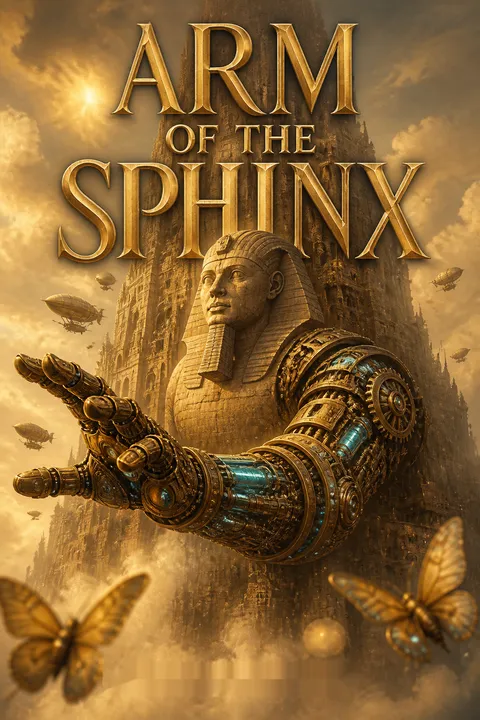
Arm of the Sphinx is a masterful exploration of hope, loss, and transformation set against the backdrop of a world as intricate and perilous as the human psyche. Josiah Bancroft's Tower of Babel is both a literal and metaphorical labyrinth, where every ascent is shadowed by the threat of descent, and every act of survival demands a sacrifice of innocence. The novel interrogates the nature of leadership, the cost of ambition, and the power of narrative—both personal and historical. Through Senlin's journey from haunted idealist to humbled friend, and Edith's reluctant rise to command, the story examines the tension between autonomy and dependence, the allure and danger of power, and the necessity of forgiveness. The Sphinx, as both benefactor and jailer, embodies the paradox of progress: every gift is a chain, every advance a new form of control. The crew's struggles—against enemies, the Tower, and themselves—are a microcosm of the human condition, where meaning is forged in the crucible of adversity and the bonds of friendship. Arm of the Sphinx is ultimately a meditation on the possibility of change, the resilience of hope, and the courage required to face the unknown, together.
Review Summary
Arm of the Sphinx, the second book in Josiah Bancroft's Books of Babel series, receives overwhelmingly positive reviews with a 4.31/5 rating. Readers praise the beautiful, philosophical prose and expanded character development through multiple POVs. The steampunk fantasy setting continues to captivate with its unique Tower of Babel world-building. Some reviewers found it slightly slower than the first book, with less exploration of new tower levels, though most appreciated the deeper focus on relationships and mysteries. The enigmatic Sphinx and sky pirate adventures stand out as highlights, despite middle-book syndrome affecting plot progression.
People Also Read


Characters
Thomas Senlin
Senlin is a former schoolmaster turned reluctant pirate captain, driven by the desperate hope of finding his lost wife, Marya. His journey is marked by self-doubt, guilt, and a growing awareness of his own limitations. Plagued by hallucinations from White Chrom, Senlin's internal struggle mirrors the external chaos of the Tower. His leadership is compassionate but flawed, often torn between principle and necessity. Over the course of the story, Senlin is humbled by failure, forced to confront his addiction, and ultimately finds strength in vulnerability and the support of his crew. His arc is one of self-forgiveness, transformation, and the acceptance of change.
Edith Winters
Edith is the Stone Cloud's first mate, a woman of strength and integrity, marked by the loss of her arm and the trauma of the Tower. Her mechanical arm, a gift and a curse from the Sphinx, symbolizes both her resilience and her entanglement in larger schemes. Edith is fiercely loyal, protective of her crew, and unafraid to challenge authority. Her relationship with Senlin is complex—rooted in friendship, trust, and unspoken affection. When named captain of the State of Art, Edith must confront her own fears and insecurities, stepping into a role she never sought but is uniquely suited for. Her journey is one of empowerment, sacrifice, and the search for belonging.
Voleta Boreas
Voleta is a young, impulsive acrobat with a thirst for adventure and a disregard for rules. Her energy and curiosity are both a blessing and a curse, driving the crew into danger and discovery alike. Voleta's relationship with her brother Adam is strained by her independence, but she finds a surrogate family in the crew, especially in Iren, who becomes a protective mother figure. Voleta's unlikely friendship with the Sphinx reveals her adaptability and resilience. She is both a symbol of innocence lost and the irrepressible hope that survives in the face of adversity.
Adam Boreas
Adam is Voleta's older brother, a skilled mechanic burdened by guilt and a need for redemption. His past betrayals haunt him, and his desire to prove himself drives him to reckless ambition. Adam's journey to the Tower's summit is both a quest for treasure and a search for identity. His relationship with Voleta is marked by love, frustration, and the painful process of letting go. Adam's arc is one of self-realization, as he learns the true meaning of loyalty, courage, and the cost of dreams.
Iren
Iren is a giantess with a violent past, known for her strength and stoicism. Beneath her intimidating exterior lies a deep well of tenderness, especially for Voleta, whom she loves like a daughter. Iren's struggle with aging, vulnerability, and the fear of loss is a poignant counterpoint to her physical might. Her loyalty to the crew is unwavering, and her journey is one of self-acceptance, the embrace of friendship, and the courage to love and be loved in return.
The Sphinx
The Sphinx is the Tower's legendary inventor, a figure of myth and reality, both benefactor and jailer. Shrouded in mystery, the Sphinx's true nature is revealed to be that of an ancient, patchwork woman, sustained by technology and ambition. Her motives are complex—part preservationist, part revolutionary, always seeking to control the future. The Sphinx's bargains are double-edged, offering aid at the cost of autonomy. Her relationships with the crew are marked by manipulation, curiosity, and a genuine, if inscrutable, affection for Voleta. The Sphinx embodies the Tower's paradox: a force for both progress and oppression.
Byron
Byron, the stag-headed steward, is both confidante and spy, torn between loyalty to the Sphinx and affection for the crew. His mechanical body and human emotions make him a figure of both comedy and tragedy. Byron's role is to facilitate, observe, and report, but he is not immune to the pain of betrayal or the longing for friendship. His relationship with Edith is particularly fraught, marked by misunderstanding, regret, and a desire for connection. Byron is a symbol of the Tower's cost: the loss of self in service to power.
Luc Marat
Marat is the enigmatic head of the Golden Zoo, a mission for rescued hods. His vision of liberation is both inspiring and dangerous, blending compassion with fanaticism. Marat's methods—indoctrination, violence, the erasure of history—reveal the dark side of utopian dreams. He is both a savior and a tyrant, offering hope at the price of autonomy. Marat's interactions with Senlin and Edith force them to confront their own values and the limits of idealism. He is a mirror to the Sphinx: a leader who would remake the world, whatever the cost.
Marya
Marya, Senlin's lost wife, is both a memory and a ghost, her absence shaping the narrative's emotional core. As a hallucination, she is a projection of Senlin's doubts, fears, and longing. The real Marya's fate is uncertain, her image both a beacon of hope and a source of torment. Marya's role is to embody the past—what is lost, what is sought, and what may never be recovered. Her presence is a reminder of the power of love, the pain of regret, and the necessity of moving forward.
Madame Bhata
Madame Bhata is the Windsock's recorder, a woman who weaves the cove's history into a tapestry of symbols. Her philosophy—that history is a fiction written by the powerful—challenges Senlin's understanding of truth and narrative. Bhata is both a gatekeeper and a guide, offering wisdom at the price of honesty. Her web is a metaphor for the interconnectedness of fate, memory, and the stories we tell ourselves. She is a guardian of the past, a challenger of the present, and a catalyst for change.
Plot Devices
The Tower of Babel
The Tower is both setting and symbol—a vast, multi-layered world where every ringdom is a society unto itself. Its structure mirrors the characters' internal journeys: upward striving, downward spirals, and the constant negotiation between freedom and constraint. The Tower's shifting rules, closed doors, and hidden paths reflect the uncertainty and complexity of life itself. It is a place of wonder and horror, where progress and decay are inseparable. The Tower's mysteries drive the plot, shaping the characters' choices and the story's themes of aspiration, loss, and transformation.
The Ghost of Marya
Senlin's visions of Marya, induced by White Chrom, serve as both torment and teacher. The ghost is a manifestation of guilt, longing, and self-doubt, forcing Senlin to confront his own failures and the limits of hope. The hallucination blurs the line between reality and delusion, challenging the reader's perception and the character's agency. The ghost's evolution—from comfort to curse, from memory to machine—mirrors Senlin's journey toward self-forgiveness and acceptance.
The Sphinx's Bargains
The Sphinx's offers are never simple gifts—they are contracts, traps, and tests. Every bargain comes with strings attached, forcing the crew to weigh survival against freedom, power against principle. The Sphinx's manipulations are subtle and pervasive, shaping events from the shadows. The bargains drive the plot, creating conflict, tension, and the ever-present threat of betrayal. The cost of help is always autonomy, and the price of trust is ever rising.
The Bottomless Library
Senlin's journey through the Bottomless Library is both a physical trial and a psychological reckoning. The endless stacks, deadly traps, and shifting architecture mirror the complexity of memory, identity, and the search for meaning. The library is a place of both salvation and snare, where books are traps and stories are both escape and entrapment. The ordeal forces Senlin to confront his own narrative, forgive himself, and choose a new path forward.
Mechanical Spies
The Sphinx's network of mechanical butterflies, recording and reporting on the crew's every move, is a symbol of the Tower's true power: the control of information. Private moments are exposed, secrets uncovered, and loyalties tested. The illusion of privacy is shattered, and the line between ally and adversary is blurred. The plot device underscores the themes of trust, manipulation, and the cost of freedom.
Shifting Leadership
The transition of leadership from Senlin to Edith is both a plot device and a thematic exploration of power, responsibility, and the cost of command. The shift forces both characters to confront their own strengths and weaknesses, and challenges the crew's unity. The device allows for growth, conflict, and the redefinition of roles, mirroring the story's larger themes of transformation and the search for belonging.
Foreshadowing and Recursion
The narrative is rich with foreshadowing—visions, dreams, and repeated motifs that hint at future events and the cyclical nature of the Tower. The story's structure mirrors its themes: the repetition of loss and reunion, the recurrence of choices and consequences, the endless climb and the ever-present risk of falling. The plot devices reinforce the sense of inevitability and the possibility of change, inviting the reader to look for meaning in the patterns.
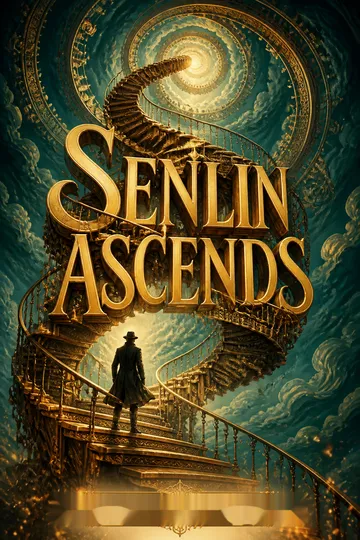
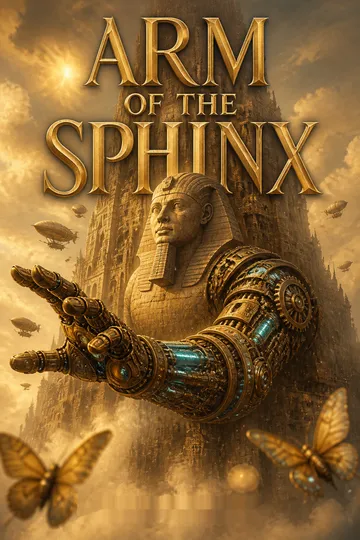
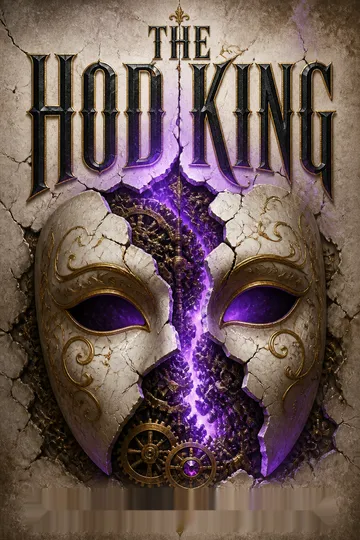
The Books of Babel Series
About the Author
Other books by Josiah Bancroft
Download PDF
Download EPUB
.epub digital book format is ideal for reading ebooks on phones, tablets, and e-readers.








































