
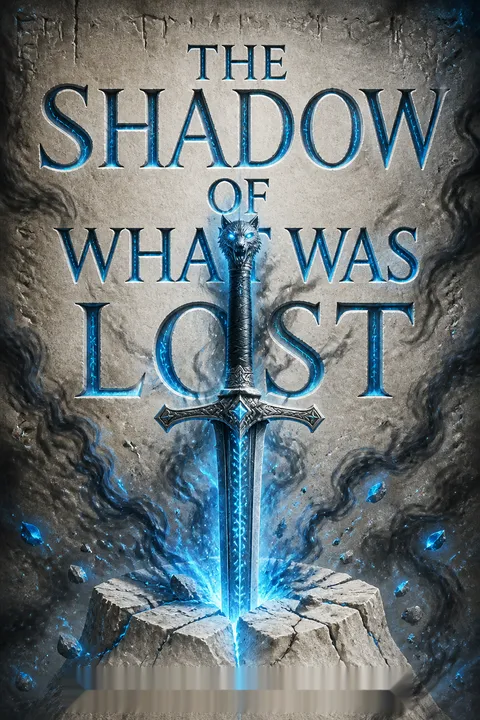


Plot Summary
Prologue
Atop a storm-battered peak above the churning waters of Eryth Mmorg, a man called Tal'kamar faces the shadow of his master — the presence known as Aarkein Devaed. Tal declares the creature utterly false. He has journeyed to forbidden places, gazed into the Mirrors beneath Ilin Tora, and found the one truth that matters: his master is a liar.
As Devaed's shadow crawls toward him, Tal opens a spinning blue Gate above the waves below and leaps from the cliff's edge. He passes through the portal and beyond his master's reach. Devaed realizes too late where the Gate leads — the Waters of Renewal, which strip away memory and identity alike. The creature's screams fill the world.
The Bronze Box's Promise
Davian1 has lived at the Gifted school in Caladel his whole life, bearing the Mark but unable to touch Essence. His friend Wirr2 guards a deeper secret — Davian1 sees dark smoke escape people's mouths when they lie, marking him as a possible Augur, a class the Treaty condemns to death.
When visiting Elder Ilseth Tenvar6 announces the Trials have been moved to tomorrow, Davian's1 last hope of avoiding becoming a Shadow dies. That same night, Ilseth6 appears in Davian's1 room with a bronze box and a staggering claim: the ancient Boundary in the north is failing, and only Augurs can repair it.
Davian1 uses his ability and detects no deception. Before dawn, he and Wirr2 flee the school, the box warm against Davian's1 pocket, leaving behind everyone they love.
Blood in the Courtyard
The morning Davian1 and Wirr2 vanish, their friend Asha3 wakes to silence. Her roommate lies dead in a lake of blood. The hallway beyond is worse — room after room of murdered students, some barely ten years old. Elder Jarras's head has been torn from his body.
Mistress Alita sprawls near the kitchen. Administrator Talean lies outside his office. Asha3 sprints to the North Tower and finds Davian's1 room empty — a sliver of hope. She stumbles into the three visiting Athian Elders, who arrived from town to discover the same carnage.
Then Ilseth Tenvar6 isolates her, presses a black disc to her neck, and strips her ability to use Essence — making her a Shadow against her will and erasing her memory of everything since dawn. She will not remember what he did for a long time.
The Prisoner with the Wolf
Three weeks into Desriel — where the Gifted are executed as abominations — the bronze box flares so hot Davian1 can barely hold it. Its glowing wolf symbol points at a Desrielite military camp and the prisoner locked inside a barred wagon. Davian1 and Wirr2 sneak in after dark.
Inside the cage they find a young man beaten beyond recognition, a Shackle on his arm and a wolf tattooed on his wrist — the matching symbol. They free him and run, but soldiers give chase. An impossible blast of Essence from the prisoner himself, his Shackle broken, flattens their pursuers.
Before the boys can react, Taeris Sarr5 appears from the trees, binds them in cords of light, and demands answers. The man who once saved Davian's1 life — an Elder supposedly executed by Administration three years ago — is very much alive.
Tenvar's Deception Unmasked
Taeris5 shatters Davian's1 confidence with a simple demonstration: mental shielding can mask deception from an Augur's senses. Three deliberate lies pass undetected. There are no sig'nari gathering Augurs in Desriel — Ilseth Tenvar6 wove enough truth into his story to fool the boy's ability entirely.
The prisoner offers no answers either. He calls himself Caeden4 and remembers nothing beyond three weeks ago — not how he arrived in the forest, not whether he committed the massacre he was accused of. Davian1 confirms the amnesia is genuine.
Taeris,5 who had been independently tracking Caeden4 because of his wolf tattoo's connection to the Boundary, proposes they travel together to Tol Athian. A memory-restoration device there might unlock whatever Caeden4 has forgotten. With the Boundary weakening, those memories could be the key to everything.
The Prince in Hiding
At the Song of Swords tournament in Desriel's capital, Taeris5 secures an audience with the Andarran delegation through Nihim,12 a priest secretly devoted to El. Princess Karaliene8 sweeps in, ignores Taeris5 entirely, and locks eyes on Wirr.2 She drags him away for a private conversation.
Wirr2 is Prince Torin Wirrander Andras — the Northwarden's7 son, sent to Caladel to learn his Gifted abilities in secret. When his father dies, he will inherit power over the Vessel that controls the Tenets binding all Gifted.
Karaliene8 delivers devastating news: the night they fled, something slaughtered everyone still at the school. Asha,3 the Elders, Mistress Alita — all dead. Wirr2 collapses under the weight. Karaliene8 refuses full asylum but sends Aelric Shainwiere,11 the tournament's finest swordsman, and his archer sister Dezia13 as escorts home.
The Northwarden's Secret Augurs
Duke Elocien Andras7 — the Northwarden, head of Administration, Wirr's2 father — arrives at Tol Athian and claims Asha3 for himself, negotiating her an unprecedented position as Shadow Representative at the palace. In private, he peels back layers of truth. Wirr2 is his son.
The school attacks were aimed at finding the boy who might one day change the Tenets. Then Elocien7 introduces three young Augurs he has been sheltering in secret: Erran,10 who Reads minds with terrifying ease; Kol,14 a powerfully built man haunted by visions of his own death; and Fessi,15 who can slow time itself.
Asha3 becomes their Scribe — the person who cross-references visions, maintains the prophetic Journal, and determines when prophecy warrants action. The Augurs have already Seen what no one wants to believe: an invasion reaching the walls of Ilin Illan.
Lost in the City of Mists
The sha'teth — creatures once serving Tol Athian but now seemingly masterless — chase the group onto the bridges of Deilannis, a mist-shrouded ancient city where Essence behaves strangely. The creatures halt at the threshold, unwilling to enter.
Inside, the city is pristine yet deeply wrong — spectral figures flicker through streets untouched by two thousand years. Then the Orkoth materializes: an eyeless thing forged from dark smoke, wielding a blade of shadow. Nihim,12 the priest who always knew he was fated to die here, throws himself between the creature and Davian.1
A shadowy blade opens his stomach. Before Davian1 can process his death, warped energy seizes him and the world dissolves into a gray torrent of nothingness. He has fallen through a rift in time. When the others escape, Taeris5 can no longer sense Davian's1 Shackle. They believe him dead.
Seventy Years Before His Birth
Davian1 wakes on a stone altar in Deilannis, roughly seventy years before his birth. A man named Malshash9 — a shape-shifting Augur who changes his face daily — drew him here using a silver ring that will one day matter deeply to Davian.1
Malshash9 teaches him kan, a force above Essence that can touch thoughts, bend time, and manipulate energy with surgical precision. Davian1 discovers he technically died once; his body now draws Essence instinctively from the world around him, which is why he survived the rift. Weeks of intensive training follow.
But Davian1 accidentally shatters Malshash's9 mental defenses and lives through a devastating memory — his teacher's wife murdered on their wedding night, and the retaliatory massacre that followed. The bond holding Davian1 in the past weakens. Malshash9 destroys the ring, and Davian1 plunges back into the rift, armed with abilities he barely understands.
Alaris Calls Him Brother
After Deilannis — grieving, pressing onward toward Andarra — Caeden's4 Shackle is removed, and an overwhelming flash drags him into a dok'en, a mental construct he apparently created long ago. A tall, warm-eyed man named Alaris greets him with fierce affection, calling him Tal'kamar and claiming they are brothers.
Alaris warns that if Caeden's4 Gifted companions discover who he truly is, they will kill him without hesitation. He urges Caeden4 to find a merchant named Havran Das in Ilin Illan, someone reliable who can help.
The dok'en crumbles before Caeden4 can learn more, but the encounter plants a seed of suspicion that takes stubborn root. For the first time, he begins hiding information from Taeris,5 uncertain whether the people protecting him might also be his greatest danger.
Two Confessions on the Road
On the road back to Andarra, Wirr2 demands they end the secrecy between them. He goes first: he is Prince Torin, heir to the Tenets themselves. Taeris5 reciprocates with something far more disturbing.
Three years ago, when Davian1 was attacked in Caladel, his Augur abilities erupted in raw survival instinct — he Controlled the men holding him, forced them to turn their knives on their own faces. They died. Taeris,5 the only survivor thanks to his Reserve, took the blame rather than expose a traumatized thirteen-year-old boy.
He has been psychically linked to Davian1 ever since, suffering compulsions to cut himself as a residual echo of that moment. The scars covering his face are not merely from Administration's torture. Some are self-inflicted — the price of keeping Davian's1 secret safe.
Athian Shuts Its Gates
At Tol Athian, Taeris5 pleads with the Council to use their memory-restoration device on Caeden.4 Elder Nashrel is sympathetic, but the majority refuses — they see no proof the invasion is anything more than a mortal army, and they fear what Caeden's4 restored memories might unleash.
Worse, the Council has decided that unless the king changes the Tenets, they will seal themselves inside the Tol and let the city fend for itself. Forced to seek help at the palace, Taeris5 and Caeden4 gain an audience with Princess Karaliene.8
She agrees to pressure the Council through her political connections — but only if Caeden4 wears a Shackle bound directly to her. He submits, knowing the leash may be the only thing between him and a dungeon. Meanwhile, Caeden's4 early-morning conversations with the princess8 begin to shift something in both of them.
The Bookcase Shatters
While cataloguing Administration's vast stockpile of confiscated Vessels, Asha3 notices a silver torc — a Veil that turns the wearer invisible — drawing Essence from her. From her supposedly destroyed Reserve. She tests a ring capable of producing devastating blasts of compressed air, aiming at Elocien's7 bookcase.
The shelf explodes into splinters. The discovery is seismic: every Shadow in Andarra potentially still has access to their Reserve through Vessels. Elocien7 grasps both the opportunity and the danger — armed Shadows could defend the city, but could also terrify Administration and a populace already hostile to anyone who wields Essence.
He swears Asha3 to absolute secrecy, not yet willing to play this card. But with the Augurs' visions of invasion drawing closer to reality, Asha3 knows it is a card they may have no choice but to play.
Nine Thousand Dead at Dawn
Word arrives during a feast: General Jash'tar's nine thousand soldiers have been massacred in a single night ambush. The Blind moved through camp like ghosts, slitting throats before anyone woke. King Andras, ranting about Gifted conspiracies and visibly ill, still refuses to change the Tenets.
Asha3 negotiates directly with the real Shadraehin16 — a young Shadow woman of startling composure — and strikes a deal: one hundred Shadows will fight using Vessels from Administration's stockpile. When the Blind storm Fedris Idri's towering walls, their black armor drinks in Essence, rendering the Gifted all but useless.
The First Shield crumbles within minutes. Then Asha's3 hundred Shadows arrive armed with weapons of fire, wind, and concentrated light, blasting the invaders off the ramparts and buying the defenders the hours they desperately need.
The Father's Final Command
The Blind have outflanked them. Andarran soldiers everywhere turn on their comrades — Echoes, mind-hollowed shells with human memories and nothing behind the eyes. The invaders breached the city through Tol Athian's own catacombs, guided by rogue sha'teth.
In the chaos of retreat, a commander turned Echo drives a dagger toward Wirr.2 Elocien7 leaps in front, taking the blade in his stomach. Dying, the duke orders his son not to heal him — the Tenets can only change when the connection passes from father to son, and the Gifted must be freed to fight now.
Wirr2 kneels beside his father7 as Elocien7 begs for the help he has just forbidden. At Tol Athian, Davian1 — who has returned from the past with his new abilities — speaks the rewritten oaths while Wirr2 touches the ancient Vessel. The laws that enslaved the Gifted for fifteen years shatter.
Licanius Breaks the Black Armor
A violent red gash rips the air between the armies, and Caeden4 stands in the gap holding a blade that bends light around itself like a living shadow. He had touched the bronze box at the Tol and been transported to Res Kartha, volcanic chambers guarded by fire-skinned beings called the Lyth, where he claimed the ancient sword Licanius — meaning Fate.
He offers the Blind one chance to retreat. Their commander laughs — and withers to dust where he stands, his Essence ripped away. When the army refuses to flee, Caeden4 simply holds the blade aloft.
Their armor — thousands of plates forged from dar'gaithin scales — disintegrates, and the soldiers beneath die where they stand. The sha'teth vanish into darkness. Before anyone can question him, Caeden4 pours Essence into the bronze box, opens another vortex of flame, and disappears. The city is saved. Its savior is gone.
The Silver Ring Goodbye
Davian1 reunites briefly with Asha3 and Wirr2 in the ruined palace, but joy curdles into urgency. Administrators will soon piece together what he is — an Augur, still banned under the Treaty regardless of new Tenets. Tol Shen has offered him a place to train and help seal the weakening Boundary.
On the palace steps overlooking the burning city, Davian1 and Asha3 sit shoulder to shoulder for what may be the last time, talking about everything and nothing while smoke drifts overhead.
When the moment comes, Asha3 reaches into her pocket and presses a silver ring into his hand — three bands twisted together in a distinctive, flowing pattern. Davian1 recognizes it instantly: the same ring Malshash9 destroyed seventy years ago to send him home through the rift. He slips it onto his finger, and walks into the night.
Epilogue
The Portal Box delivers Caeden4 to underground chambers where an ancient figure named Asar promises to restore specific memories. Caeden4 asks for one in particular: the hours before he woke in the forest. The memory floods back — and it is monstrous.
He murdered a young man in a Desrielite village, stole his face through shape-shifting, and slaughtered thirty-one witnesses to hide his tracks, disfiguring every corpse beyond recognition. He did this deliberately, as the final step in a plan to erase his own identity using the Waters of Renewal — the same waters from the prologue.
The name the villagers gave to the body he now wears was Caeden. His true name is Tal'kamar. He is Aarkein Devaed — the ancient evil imprisoned behind the Boundary, the monster he was sent to fight. The villain is himself.
Analysis
The Shadow of What Was Lost operates as a meditation on identity constructed through absence. Each protagonist is defined not by what they possess but by what has been taken: Davian's1 power, Asha's3 face, Wirr's2 name, Caeden's4 memory. The novel argues that identity is not essential but performed — and that performance can become authentic. Wirr2 becomes a better prince by first learning to be a commoner. Asha3 becomes powerful precisely because her power was stripped away.
Islington deploys the Tenets as a structural metaphor for systemic oppression that perpetuates itself through the complicity of the oppressed. The Gifted are bound by oaths they never swore, enforced through marks they never chose, administered by people who simultaneously fear and need them. The requirement that changing the Tenets demands cooperation between oppressor and oppressed — royal blood and Gifted power acting together — is a precise political insight: liberation cannot be seized unilaterally but must be negotiated, and the negotiation itself is an act of vulnerability for both sides.
The novel's treatment of memory as both weapon and prison is its most sophisticated thread. Caeden's4 amnesia is not merely a narrative device but a philosophical proposition: if you cannot remember your crimes, are you still guilty? The story answers with uncomfortable complexity — yes, because consequences persist regardless of the perpetrator's awareness, and because the self that committed those acts shaped the instincts and reflexes that remain even after the memories vanish.
Perhaps most provocatively, the instruments of oppression and liberation prove identical throughout. The Tenets oppress but also protect. The Shadraehin16 murders but also shelters. The bronze box serves Devaed's purposes but also arms the heroes. Islington refuses the moral clarity typical of epic fantasy, insisting that power is inherently neutral — and that the distance between savior and monster is measured not in ability but in the choices made when no one is watching, or when no one remembers.
Review Summary
The Shadow of What Was Lost is a debut epic fantasy novel that has garnered mixed reviews. Many readers praise its complex world-building, intricate magic system, and engaging plot twists. The story follows young characters with magical abilities in a world where magic users are oppressed. While some critics find the characters underdeveloped and the writing occasionally clunky, others compare it favorably to works by Brandon Sanderson and Robert Jordan. The book's ending and promise of a larger story arc have left many readers eager for the sequel.
People Also Read



Characters
Davian
Augur who cannot use EssenceA young Gifted student at Caladel who carries the Mark but cannot access Essence—a deepening shame as his Trials approach. Raised as an orphan and former kitchen servant, Davian possesses an unauthorized ability to detect deception, seeing dark smoke from liars' mouths. His psychology is defined by compensatory intellectualism: unable to use the Gift, he masters its theory, channeling helplessness into study. The scar running down his face from a violent childhood attack symbolizes the vulnerability he cannot escape. Davian's core drive is belonging—he craves the family the school represents, the love he feels for Asha3, the brotherhood with Wirr2. His journey forces him to discover that the powers he yearned for carry moral weight he never anticipated, and that trust, once shattered, reshapes everything it touched.
Wirr
Prince disguised as a studentDavian's1 best friend, Wirr presents as a cheerful, athletic golden boy who studies politics for fun. Beneath this lies one of the story's deepest secrets: he is Prince Torin Wirrander Andras, the Northwarden's7 son, sent to a Gifted school because his father wants to change the oppressive Tenets from within. Wirr's fundamental tension is between two identities—the prince who bears political responsibility for a nation, and the schoolboy who values friendship and equality above station. His psychology reveals someone who has internalized genuine empathy through anonymity: by being treated as an equal, he learned to see the Gifted not as subjects but as people. Loyalty defines him—to Davian1, to Asha3, to the promise of a fairer Andarra—even when that loyalty demands sacrifice.
Asha
Shadow turned political forceDavian's1 closest friend and unspoken love, Asha is blonde, green-eyed, and quietly fierce. Her transformation from sheltered student to political operator is the story's most dramatic character arc. After being forcibly made a Shadow—stripped of her abilities and disfigured with black veins across her face—she refuses to surrender to despair. Her psychology is marked by adaptive resilience: each blow she absorbs is converted into determination. She becomes Representative, Scribe, negotiator, and eventually a battlefield commander, accumulating roles that would crush someone less willful. Asha's driving force is the need for truth—about what happened at Caladel, about why she survived, about whether Davian1 is truly gone. Her loyalty is absolute but earned slowly, and her trust, once betrayed, is nearly impossible to reclaim.
Caeden
Amnesiac with impossible powerA young man who wakes in a Desrielite forest covered in blood, with no memory of who he is or how he arrived. Accused of massacring an entire village, he is beaten, shackled, and hauled toward public execution before Davian1 and Wirr2 intervene. Caeden's psychology is defined by existential dread—he genuinely does not know whether he deserves the hatred directed at him. Yet his instincts reveal extraordinary capability: superhuman combat reflexes, powerful Essence manipulation, and knowledge he cannot explain. He craves moral clarity above all else, desperate to discover whether the man he was is someone the man he is can live with. His relationships are colored by this anxiety—every kindness carries the unspoken fear that it would be revoked if the truth about his past were known.
Taeris Sarr
Scarred Elder in exileA scarred Elder supposedly executed by Administration years ago, Taeris has been living in exile in Desriel, investigating the weakening Boundary. His face is a roadmap of suffering—some scars from torture, others from compulsions he cannot fully explain. Driven by an unshakable belief that ancient threats are returning, Taeris carries secrets that protect others at enormous personal cost, making him simultaneously a savior and a manipulator whose intentions are never entirely transparent.
Ilseth Tenvar
Elder with hidden allegiancesA visiting Elder from Tol Athian who presents as a kindly, bespectacled scholar with a missing forefinger. Ilseth appears to be Davian's1 rescuer, offering forbidden knowledge about the Augurs and a path to salvation from the Trials. His warmth masks calculations running far deeper than anyone suspects. He represents the terrifying possibility that those we trust most completely may be the ones most thoroughly deceiving us—a walking lesson in the limits of even supernatural lie-detection.
Elocien Andras
Northwarden and reluctant reformerThe Northwarden, head of Administration, and the man who created the Tenets that oppress the Gifted. Elocien is Wirr's2 father and brother to the king. Once a zealous persecutor, discovering his son's abilities transformed him. He now works secretly to undo his own creation, sheltering Augurs and navigating palace politics with the precision of a man atoning for past sins—though the depth and nature of his transformation remain more complex than they first appear.
Karaliene
Princess and political forceWirr's2 cousin and heir apparent, Karaliene commands rooms through sheer force of presence. Sharp, politically astute, and fiercely protective of those she loves, she balances genuine warmth with the calculated distance royalty demands. Her relationship with Caeden4 evolves from open contempt to cautious respect, revealing her capacity to look beyond accusations when someone earns her trust through action rather than words.
Malshash
Ancient shape-shifting teacherA shape-shifting Augur who inhabits Deilannis alone, changing his face daily to maintain an ability stolen from a mythical creature. Malshash trains Davian1 in kan with urgent intensity, his teaching shadowed by a grief so profound it has consumed centuries. His motivations remain deliberately opaque—he shares knowledge freely but guards his personal history behind mental walls of extraordinary strength, leaving Davian1 uncertain whether his teacher is an ally or something more complicated.
Erran
Mind-Reading palace AugurThe most talented Reader among Elocien's7 secret Augurs, Erran slips into minds as easily as opening doors. Young, awkward, and genuinely decent, he carries the burden of knowing everyone's secrets while keeping his own closely guarded. His cheerful exterior masks a complex moral relationship with his powers—and with the powerful man whose life he has been quietly reshaping for years.
Aelric Shainwiere
Swordsman carrying old guiltThe Song of Swords runner-up who deliberately lost to prevent a diplomatic incident, Aelric is a breathtakingly skilled swordsman haunted by a childhood accident that cost his father's life. His protectiveness of his sister Dezia13 and devotion to Princess Karaliene8 sometimes manifest as aggression, but beneath the swagger lies genuine honor, forged through loss and relentless discipline under the palace swordmaster.
Nihim Sethi
Faithful priest in disguiseA Desrielite priest secretly devoted to El rather than the local gods. Taeris's5 oldest friend, Nihim lives with foreknowledge of his own death and faces it with the quiet certainty of a man whose faith needs no proof.
Dezia Shainwiere
Archer and Wirr's confidanteAelric's11 sister and the princess's8 close friend, Dezia is a skilled archer who chose danger over comfort by joining the group voluntarily. Smart, capable, and refreshingly honest, she becomes Wirr's2 closest companion on the road.
Kol
Augur haunted by visionsA powerfully built Augur who has repeatedly Seen his own death. Despite his gruff, suspicious exterior, Kol's14 loyalty to those he loves runs so deep he would walk straight into the nightmare he has foreseen rather than let harm come to his friends.
Fessi
Time-slowing AugurThe youngest of Elocien's7 Augurs, capable of slowing time itself. Warm and open where Kol14 is guarded, Fessi's cheerfulness conceals her own visions of a terrifying future she cannot discuss with anyone.
The Shadraehin
Shadow underground leaderThe mysterious true leader of the Shadow underground, represented publicly by her lieutenant Scyner. Young, composed, and strategically brilliant, she protects Shadows through methods that blur the line between justice and ruthlessness.
Plot Devices
The Bronze Vessel (Portal Box)
Compass, then dimensional gateA palm-sized cube covered in ancient symbols that serves multiple functions. Initially it acts as a Wayfinder—heating up and displaying a glowing wolf symbol visible only to Davian1, guiding him toward Caeden4. The wolf matches Caeden's4 tattoo and the markings found across the Boundary. Later, the box reveals itself as a Portal Box capable of transporting its user to preset destinations when activated with Essence. It sends Caeden4 to Res Kartha to claim the sword Licanius, then onward to further locations. Its origins are deeply mysterious: it was given to Ilseth Tenvar6 by a hooded figure serving Aarkein Devaed, yet its use seems to benefit the fight against the Blind. This paradox—an enemy's instrument that aids the heroes—remains unresolved.
The Tenets
Magical oaths binding GiftedFour supernatural laws enforced through the Mark on every Gifted person's forearm, created fifteen years before the story begins by Elocien Andras7 using an ancient Vessel. The First prevents using Essence to harm non-Gifted. The Second forbids deception through Essence. The Third creates mutual protection between Gifted and Administrators. The Fourth compels obedience to Administrators. The Tenets function as both physical reality and political metaphor—chains that can only be changed when royal blood and Gifted power act together through a shield-shaped Vessel stored in Tol Athian. Their modification drives the story's political arc and climactic battle, as the Gifted literally cannot defend the city until the oaths allow violence in self-defense.
The Boundary
Ancient barrier sealing evilA massive wall of Essence in Andarra's far north, created roughly two thousand years ago during the Eternity War to imprison Aarkein Devaed and his monstrous armies. Its accelerating decay drives the entire plot—creatures escape, the Blind invade, and only Augurs possess the knowledge to repair it. The Boundary's weakening connects every storyline: it motivates Ilseth's6 manipulation of Davian1, Taeris's5 years of investigation, the invasion itself, and the ultimate need for Augurs to return to Andarra. It represents the fragile membrane between civilization and the horrors that civilization has chosen to forget, a wall that becomes more dangerous in its failing than the threat it was built to contain.
Licanius
Ancient sword against darknessAn ancient blade guarded by the Lyth—glowing, fire-skinned beings—deep within the volcanic chambers of Res Kartha. Its name translates from Darecian as Fate. When drawn, it bends light and shadow around itself and makes the sha'teth flee on sight. Against the Blind, it disintegrates their dar'gaithin-scale armor and kills them where they stand. The sword carries a binding: whoever claims it must free the Lyth from their volcanic prison within a year and a day, or lose the blade forever. Licanius embodies the story's central tension between power and obligation—every weapon comes shackled to a cost that may prove higher than the original threat.
Kan
Force above Essence itselfA supernatural energy distinct from Essence and the source of all Augur abilities. Where Essence is physical energy drawn from within, kan is an external force flowing from a single source in Deilannis. It cannot directly affect the physical world but can manipulate Essence, touch minds, and alter the passage of time. Augurs use it to Read thoughts, See the future, Control others, shape-shift, and bend time. Kan naturally absorbs Essence—the two were never designed to coexist—which explains why the Blind's dar'gaithin-scale armor, which also absorbs Essence, proves so devastating. Davian's1 training in kan under Malshash9 transforms him from a powerless student into someone capable of extraordinary feats, though the moral weight of each ability increases with its strength.
FAQ
Basic Details
What is The Shadow of What Was Lost about?
- A World Under Control: The story is set in Andarra, a kingdom where individuals with magical abilities, known as the Gifted, are strictly controlled by the government (Administrators) through magical laws called the Tenets, enforced by a Mark and Shackles.
- A Young Man's Struggle: The narrative primarily follows Davian, a young Gifted student at a remote school who is unable to access his powers and faces the threat of being stripped of his abilities and ostracized if he fails upcoming Trials.
- Unraveling Ancient Secrets: Davian's journey begins when he discovers a hidden ability linked to the long-feared Augurs, leading him and his friends into exile, where they uncover secrets about the past war, the nature of magic, and a looming threat from beyond a mystical northern barrier.
Why should I read The Shadow of What Was Lost?
- Intricate World-Building: The novel presents a complex fantasy world with a detailed history, unique magic system (Essence and kan), and a nuanced political structure shaped by past conflicts and deep-seated prejudice against magic users.
- Mystery and Intrigue: The plot is layered with mysteries surrounding Davian's powers, the true nature of the Augurs, the motivations of various factions (Gifted, Administrators, Shadows, ancient beings), and the secrets hidden within legendary locations and artifacts.
- Character-Driven Narrative: Despite the complex plot, the story remains grounded in the personal journeys and evolving relationships of its young protagonists, exploring themes of identity, trust, prejudice, and the difficult choices required for survival and change.
What is the background of The Shadow of What Was Lost?
- Post-War Society: The current state of Andarra is a direct result of the "Unseen War," a conflict fifteen years prior where the Augurs and many Gifted were overthrown and killed by Loyalists led by Vardin Shal, leading to the establishment of the oppressive Treaty and Tenets.
- Suppressed Magic and Knowledge: The war resulted in the destruction of much knowledge about the Gift and the Augurs, particularly with the burning of Tol Thane's library, leaving the current generation of Gifted largely ignorant of their own history and the full potential of their powers.
- Ancient Conflicts and Prophecies: The world's history stretches back thousands of years to the "Eternity War" against Aarkein Devaed and the creation of the Boundary, with lingering myths and prophecies suggesting these ancient threats may not be entirely gone.
What are the most memorable quotes in The Shadow of What Was Lost?
- "All that I needed, I lost.": Inscribed on the Door of Iladriel in Deilannis, this phrase (later called the Victor's Lament) encapsulates a core theme of loss and sacrifice, hinting at the tragic cost of power and ambition, particularly for figures like Aarkein Devaed or Tal'kamar.
- "Everyone has a darker nature, Caeden. Everyone. Good men fear it, and evil men embrace it.": Nihim's words to Caeden after his duel with Aelric offer a profound insight into the nature of morality and self-control, directly addressing Caeden's fear of his own potential for violence and highlighting the internal struggle faced by many characters.
- "The future may be immutable, but it's not because our choices do not change anything. It's that they already have changed things.": Malshash's explanation of fate and free will in Deilannis presents a complex philosophical idea central to the Augur powers and the narrative's exploration of destiny versus agency, suggesting that even foreseen events are the result of past choices.
What writing style, narrative choices, and literary techniques does James Islington use?
- Multiple Perspectives: The narrative primarily follows Davian, Wirr, and Asha, often shifting point-of-view between chapters or sections, allowing readers insight into their individual experiences, internal thoughts, and parallel plotlines.
- Mystery and Gradual Revelation: Islington employs a style that gradually reveals information, often through dialogue, flashbacks (especially Caeden's fragmented memories and Davian's visions), and the discovery of ancient texts or artifacts, building suspense and encouraging reader speculation.
- Detailed World-Building and Magic System: The author provides extensive detail on the history, geography, political structure, and the mechanics of Essence and kan, grounding the fantasy elements in a logical framework, though some concepts (like time travel or certain Augur abilities) remain partially mysterious.
Hidden Details & Subtle Connections
What are some minor details that add significant meaning?
- The Administrator's Mark Color: Administrator Talean's red Mark, contrasted with the Gifted's black Mark, subtly highlights the chosen nature of their role in enforcing the Treaty versus the Gifted's inherent state, visually representing the power dynamic and the Administrators' active participation in the system of control.
- The Missing Finger: Elder Ilseth Tenvar's missing forefinger, initially just a physical detail, gains chilling significance when Davian's vision reveals it was deliberately severed by a Venerate as punishment, foreshadowing the brutal nature of the powers Ilseth serves and the cost of failure.
- The Adviser Stone's Decay: The Adviser stone in the Great Library, designed to guide Augurs to knowledge, withers and dies after Davian draws Essence from it, subtly illustrating the fundamental incompatibility and destructive interaction between kan-based constructs and raw Essence, a principle later explained by Malshash.
What are some subtle foreshadowing and callbacks?
- Davian's Scar and the Attack: Davian's facial scar, a constant reminder of his first traumatic encounter with magic, is repeatedly linked to his inability to use Essence, subtly foreshadowing that the event was not just physically damaging but also psychologically or magically impactful, and hinting at the true, horrifying nature of the attack later revealed by Taeris.
- The Juggler Inn: The Juggler inn is mentioned casually as a popular spot in Ildora (Wirr's supposed location in Calandra) during Wirr's briefing, only to reappear as the specific inn Karaliene sends the group to in Thrindar, a subtle callback that confirms the fabricated nature of Wirr's cover story and highlights the interconnectedness of seemingly minor details.
- The Black Armor and Symbol: The description of the Blind soldiers' black armor and the symbol of three wavy lines within a circle, first seen in Davian's vision, is later echoed in the dar'gaithin scales used to make the armor and the tattoo on Caeden's wrist, strongly linking the invaders to ancient threats and Caeden's mysterious past long before his identity is revealed.
What are some unexpected character connections?
- Wirr and Karaliene's Cousinship: The revelation that Wirr is Prince Torin and Karaliene's cousin is a major twist, transforming their relationship from simple acquaintance to familial bond and placing Wirr directly within the political heart of Andarra, explaining his prior knowledge of courtly matters and his access to resources like the palace grounds.
- Asha and the Shadraehin's Covenant: Asha's desperate attempt to contact the Shadraehin leads to a direct meeting and a surprising covenant, where the Shadraehin agrees to mobilize the Shadows in exchange for Vessels, establishing an uneasy alliance between the palace (via Asha as Representative) and the Shadow underground, driven by mutual need against the Blind.
- Davian and Malshash's Future/Past Link: The most unexpected connection is between Davian and Malshash, revealed to be linked across time. Malshash is an older version of someone Davian knows (implied to be Davian himself or someone very close), who drew Davian to the past using a ring Davian will give him in the future, creating a complex causal loop and highlighting the non-linear nature of time travel in the story.
Who are the most significant supporting characters?
- General Parathe: As the commander tasked with defending Ilin Illan after Jash'tar's defeat, Parathe represents the military's struggle against the unprecedented threat of the Blind. His initial reliance on conventional tactics and eventual acceptance of the Shadows' aid highlights the desperate situation and the need for unconventional solutions.
- Laiman Kardai: The king's trusted adviser, Laiman serves as a voice of reason and a key ally to Elocien and later Wirr. His knowledge of palace politics, his willingness to act discreetly, and his suspicions about Tol Shen's manipulation make him crucial in navigating the political fallout of the invasion and the changing power dynamics.
- Nihim Sethi: The seemingly drunk priest in Thrindar, Nihim is revealed to be a devout follower of El and an old friend of Taeris. His willingness to risk his life for Taeris and the boys, his knowledge of ancient prophecies, and his calm acceptance of his foreseen death provide a moral anchor and a glimpse into the remnants of the Old Religion's faith.
Psychological, Emotional, & Relational Analysis
What are some unspoken motivations of the characters?
- Davian's Need for Belonging: Beyond passing the Trials, Davian's deep-seated motivation is a desperate need for belonging and acceptance. Having grown up at the school without family, his fear of becoming a Shadow is not just about losing powers, but about losing his home and the only community he's ever known, driving his initial reliance on Ilseth's false promise.
- Wirr's Guilt Over Caladel: Wirr's quiet despondency after learning about the massacre at Caladel stems from a profound, unspoken guilt. He believes his secret identity and subsequent flight with Davian made the school a target, and his efforts to help Taeris and Caeden are partly an attempt to atone for the lives he feels responsible for.
- The Shadraehin's Pragmatic Ambition: While presenting herself as a protector of Shadows, the Shadraehin's primary motivation appears to be pragmatic ambition. Her willingness to sacrifice individuals (like Teran and Pyl) and leverage the Blind invasion for political gain suggests a focus on the collective power of Shadows over individual well-being, driven by a desire to secure their place in society by any means necessary.
What psychological complexities do the characters exhibit?
- Caeden's Identity Crisis and Moral Struggle: Caeden's amnesia creates a profound psychological complexity as he grapples with accusations of horrific crimes. His internal conflict between the person he feels he is (kind, protective) and the monster he is accused of being (Aarkein Devaed) drives his desperate search for memory and his fear of his own potential for evil, culminating in his breakdown at the Wells of Mor Aruil.
- Taeris's Burden of Foresight and Guilt: Taeris is psychologically complex due to his past actions and the burden of partial foresight. His decision to orchestrate Davian's attack, driven by a belief in destiny and the need to awaken Davian's powers, weighs heavily on him, manifesting in physical self-harm and a deep-seated guilt that he struggles to reconcile with his perceived necessity of his actions.
- Asha's Trauma and Resilience: Asha's psychological journey is marked by the trauma of witnessing the Caladel massacre and being forcibly made a Shadow. Her initial numbness gives way to anger and a fierce determination to uncover the truth and seek justice, demonstrating remarkable resilience and a refusal to be defined by her trauma or the limitations imposed upon her.
What are the major emotional turning points?
- Leehim's Shadowing: Witnessing Leehim being made a Shadow is a major emotional turning point for Davian, solidifying his fear and despair about his own future and acting as the immediate catalyst for his desperate decision to flee with Ilseth.
- The Caladel Massacre Revelation: The news of the Caladel massacre is a devastating emotional turning point for Wirr and Asha, shattering their sense of safety and community, forcing them to confront the brutal reality of the world outside the school, and fueling their desire for answers and justice.
- Elocien's Death: Elocien's death is a pivotal emotional turning point for Wirr, forcing him to immediately step into his role as Northwarden and confront the full weight of his responsibilities, while also serving as a tragic culmination of the king's manipulated illness and a powerful symbol of the sacrifices required in the war.
How do relationship dynamics evolve?
- Davian and Wirr's Friendship Under Strain: Davian and Wirr's close friendship is tested by secrets (Wirr's identity, Davian's Augur abilities), betrayal (Ilseth's manipulation), and loss (Caladel, Deilannis). Their dynamic shifts from simple school friends to co-dependents in exile, then to a relationship strained by unspoken guilt and differing paths, ultimately reaffirming their bond despite the trials.
- Asha's Evolving Trust in Authority: Asha's relationships with authority figures evolve significantly, moving from initial trust in the Elders and Administrator Talean, to betrayal by Ilseth, cautious alliance with Elocien and the Augurs, and an uneasy covenant with the Shadraehin, reflecting her struggle to find reliable allies in a world of deception.
- Caeden's Search for Connection: Caeden's relationships are defined by his amnesia and search for identity. His initial bond with Davian and Wirr is based on shared vulnerability, but is complicated by his past. His interactions with Alaris and Garadis offer glimpses into his former relationships, while his developing connection with Karaliene provides a fragile hope for acceptance and belonging in his present.
Interpretation & Debate
Which parts of the story remain ambiguous or open-ended?
- The Full Nature of Kan and Augur Abilities: While some Augur abilities are demonstrated and explained (Reading, Seeing, Time Manipulation, Control, Shape-shifting), the ultimate source and limits of kan remain somewhat mysterious, particularly its connection to Essence and its interaction with ancient constructs like the Jha'vett or the Conduit.
- The Extent of Tol Shen's Manipulation: The theory that Tol Shen manipulated the king's illness and used foreknowledge of the invasion for political gain is strongly suggested by Laiman and Taeris, but it remains a theory based on circumstantial evidence and interpretation of events, leaving their true level of complicity open to debate.
- The Future of the Shadows: The Shadows' newfound ability to use Vessels and their mobilization under the Shadraehin creates a powerful new faction, but their future role in Andarran society and their relationship with the palace and the Gifted remain uncertain, poised between potential integration and continued conflict.
What are some debatable, controversial scenes or moments in The Shadow of What Was Lost?
- Taeris Orchestrating Davian's Attack: Taeris's decision to deliberately set up the attack that scarred Davian and awakened his powers is highly controversial. While presented as a necessary sacrifice for a greater purpose (awakening an Augur needed to fight Devaed), it involves manipulating and severely harming a child, raising significant ethical questions about whether the ends justify the means.
- Caeden's Actions in the Village: Caeden's massacre of the villagers in Desriel, even if driven by a desperate need for a new identity and influenced by his amnesia, is a brutal and shocking act. The debate lies in whether his actions, however pragmatic for his survival and future mission, can be justified or forgiven, especially given his later horror and guilt.
- Erran Controlling Elocien: Erran's long-term manipulation of Elocien's mind, even if initially intended to prevent the duke from harming Augurs and later evolving into a seemingly benevolent influence, is a controversial use of Augur power. It raises questions about free will, consent, and whether controlling someone's mind, even for their perceived benefit or the greater good, is ever morally acceptable.
The Shadow of What Was Lost Ending Explained: How It Ends & What It Means
- The Siege and Caeden's Intervention: The Blind invade Ilin Illan, overwhelming the Andarran defenses despite the changing of the Tenets allowing Gifted to fight. Caeden, having retrieved the sword Licanius from Res Kartha via the Portal Box, appears and uses Licanius's power (implied to be related to kan and its interaction with the Blind's armor/scales) to instantly kill the majority of the invading force, saving the city.
- Caeden's True Identity and New Burden: Caeden is revealed to be Tal'kamar, a legendary figure from the Eternity War, and possibly Aarkein Devaed himself. Wielding Licanius binds him to a pact with the Lyth (the guardians of Res Kartha): he must find a way for them to leave Res Kartha within a year and a day, or Licanius will become theirs to use for its intended purpose (implied to be destructive). His memories are partially restored at the Wells of Mor Aruil, confirming his past as Devaed but leaving him with a moral crisis.
- The Aftermath and Future Threats: The city is saved, but at a high cost (lives lost, including Elocien, and significant damage). The Tenets are changed, granting Gifted more freedom but also creating new political tensions (especially with Administration and Tol Shen). Davian, now a powerful Augur, leaves to work with Tol Shen on strengthening the Boundary, while Wirr becomes Northwarden, facing the challenge of rebuilding and navigating the new political landscape. Asha remains at the palace, a key figure in the new order. The ending signifies that this was only the first battle; Devaed is still a major threat, the Boundary is weakening, and the true war, along with the characters' personal journeys and the resolution of ancient mysteries, is yet to come in the rest of the trilogy.
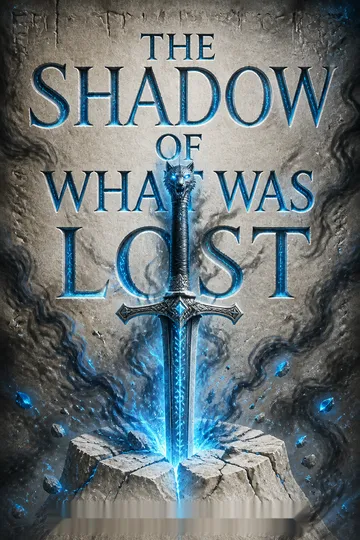
The Licanius Trilogy Series
About the Author
Other books by James Islington


Download PDF
Download EPUB
.epub digital book format is ideal for reading ebooks on phones, tablets, and e-readers.








































