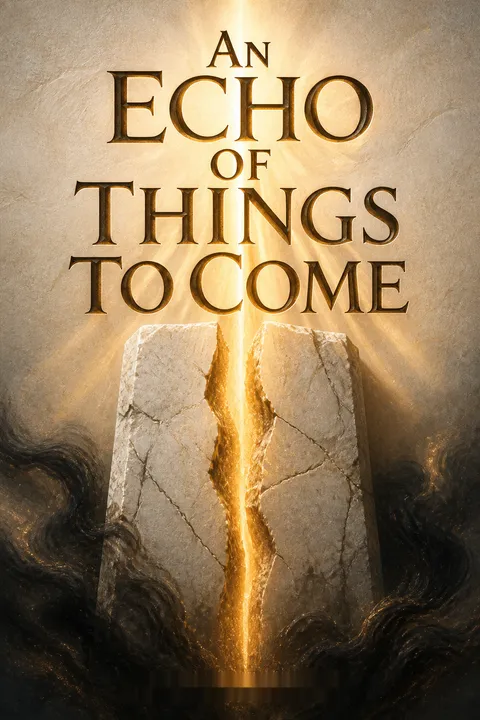

Summary Temporarily Unavailable
This summary is temporarily unavailable and is currently being updated. You can still explore the FAQs and other metadata below.
Plot Summary
Shadows of the Past
The story opens with Davian, Wirr, and Asha, three friends whose destinies are shaped by a world that fears and controls magic. Davian, an Augur with forbidden powers, struggles with his identity and the burden of visions. Wirr, secretly the king's nephew and a Gifted, is thrust into political turmoil after his father's death. Asha, turned into a powerless Shadow, seeks purpose and truth. Their paths diverge after a massacre at their school, setting each on a journey of survival, self-discovery, and the search for meaning in a world haunted by the echoes of ancient wars and betrayals.
Boundaries and Betrayals
The ancient magical barrier separating Andarra from the monstrous north begins to fail, unleashing horrors and political chaos. Davian trains to master his Augur abilities, Wirr navigates the treacherous politics of Administration, and Asha uncovers secrets among the Shadows. The trio's trust is tested as they confront betrayals from allies and the resurgence of old enemies. The world's fragile peace teeters as the threat of invasion grows, and the true cost of power and loyalty becomes clear.
The Weight of Power
Davian, under the tutelage of Malshash, learns to wield kan and the responsibilities of an Augur. He faces the temptation to use his powers for expedience, wrestling with the morality of killing and the dangers of becoming what he fears. Meanwhile, Wirr grapples with the burden of leadership and the temptation to use forbidden means to secure his position. Asha, caught between worlds, discovers the Shadows' hidden strength and the possibility of redemption. Each must decide what lines they are willing to cross for the greater good.
Echoes and Revelations
Caeden, haunted by fragmented memories, journeys through the Wells of Mor Aruil to recover his past. Guided by Asar, he confronts the truth that he was once Aarkein Devaed, the world's greatest villain. The revelation shatters him, but also offers a chance at redemption. As ancient enemies stir and the Venerate's true history is revealed, Caeden must choose whether to embrace his past or forge a new path. The echoes of his former self threaten to consume him, but hope remains in the choices he makes now.
The Price of Memory
The cost of regaining lost memories is steep for Caeden, who relives the atrocities he committed as Devaed. He is forced to confront the consequences of his actions and the pain he caused friends and foes alike. The narrative explores the nature of guilt, the possibility of change, and whether one can ever truly atone for the past. As Caeden's memories return, so too does his resolve to prevent further tragedy, even if it means sacrificing himself.
Fractured Alliances
In Ilin Illan, Wirr faces opposition from within Administration and his own family. The fragile alliance between Gifted, Augurs, and Shadows is strained by mistrust and old wounds. Asha's investigations reveal uncomfortable truths about the creation of Shadows and the manipulation of power. The arrival of new Augurs and the resurfacing of ancient plotters force all sides to reconsider their loyalties. Betrayals and secrets threaten to tear apart the last hope for unity against the coming darkness.
The Gathering Storm
As the monstrous Blind army advances, Andarra's defenders scramble to prepare. Davian and his fellow Augurs race to understand the Boundary's magic, while Asha arms the Shadows for battle. Wirr, now Northwarden, must navigate political sabotage and the threat of assassination. The city braces for invasion, and personal stakes rise as friends and family are put in peril. The storm of war looms, and the choices made now will determine the fate of the world.
The Wells of Mor Aruil
In the Wells, Caeden relives pivotal moments from his long life, guided by Asar. He witnesses the creation of the Boundary, the fall of the Darecians, and the rise of the Venerate. Each memory is a trial, forcing him to confront the man he was and the man he wishes to become. The Wells serve as both a prison and a crucible, forging Caeden's resolve to fight for redemption and the future.
The Sanctuary's Secrets
Asha's exploration of the Sanctuary and the catacombs beneath Ilin Illan uncovers the true nature of Shadows and the machinations of the Shadraehin. She learns that Shadows retain their power through Vessels, and that their existence is tied to a greater plan. The Sanctuary becomes a battleground for control, and Asha must decide where her loyalties lie. Her actions set in motion events that will shape the coming conflict.
The Shifting Tenets
Wirr's ability to change the Tenets—the magical laws binding the Gifted—places him at the center of a political maelstrom. He faces pressure to use his power to secure his position, but resists the temptation to become a tyrant. The narrative delves into the ethics of leadership, the dangers of unchecked authority, and the importance of trust. Wirr's choices will have lasting consequences for Andarra and the balance of power.
The Blind's Invasion
The Blind breach the city's defenses, unleashing chaos and destruction. Asha leads the Shadows in a desperate defense, while Davian and Wirr fight to rally the Gifted. Caeden, wielding Licanius, turns the tide but at great personal cost. The battle is won, but the city is left scarred, and the true threat beyond the Boundary remains. The aftermath forces all to reckon with the sacrifices made and the price of survival.
The Sins of the Venerate
Caeden's memories reveal the Venerate's role in shaping the world's fate, including the creation of the Boundary and the atrocities committed in the name of the greater good. The narrative explores the dangers of certainty, the corruption of noble intentions, and the loneliness of immortality. Caeden's struggle to accept responsibility for his actions is mirrored by the other Venerate, each grappling with their own sins and regrets.
The Siphon's Bargain
Caeden fulfills his bargain with the Lyth, using the Siphon to bind their power and grant them freedom from Res Kartha. The act is both a victory and a tragedy, as it robs the Lyth of their potential while saving the world from their wrath. The narrative examines the complexity of sacrifice, the ambiguity of right and wrong, and the limits of redemption. Caeden's actions set the stage for the final confrontation with the forces beyond the Boundary.
The Shadraehin Unmasked
The Shadraehin is revealed to be Nethgalla, the Ath, a shape-shifting being with her own agenda. Her manipulation of the Shadows and the creation of the Siphon are exposed, forcing Asha and Caeden to confront the consequences of her schemes. The revelation upends alliances and forces a reckoning with the nature of identity, trust, and the possibility of change. The fate of the Shadows and the world hangs in the balance.
The Fall of Trust
The fragile alliances forged in the face of invasion begin to unravel as secrets come to light. Wirr's mother challenges his leadership, and the truth about the Augurs' past crimes sows discord. The cost of trust is laid bare as friends and allies are lost, and the survivors must decide whether to cling to hope or succumb to despair. The narrative explores the pain of betrayal and the resilience required to move forward.
The Boundary Weakens
The Boundary falters under relentless attack, and the defenders of Andarra face annihilation. Davian, Fessi, and Ishelle risk everything to find a way back, while Asha prepares to make the ultimate sacrifice. The tension mounts as the fate of the world hinges on a handful of choices, and the true nature of the enemy is revealed. The narrative builds to a crescendo of action, loss, and the possibility of salvation.
The Last Tributary
Asha, now freed from being a Shadow and empowered by the Siphon, chooses to enter the final Tributary and reinforce the Boundary. Her decision is both an act of heroism and a surrender to fate, ensuring the world's survival at the cost of her own freedom. The narrative explores the meaning of sacrifice, the legacy of suffering, and the hope that endures even in the darkest moments.
Sacrifice and Salvation
The survivors count the cost of victory, mourning the lost and grappling with the consequences of their choices. Caeden, Davian, and Wirr each face the future changed by their experiences, burdened by guilt but determined to seek redemption. The world is saved, but at a terrible price, and the echoes of the past continue to shape the path ahead. The story ends with the promise of new beginnings and the enduring power of hope.
Analysis
A modern epic of memory, power, and redemption
An Echo of Things to Come is a masterful exploration of the burdens of history and the possibility of change. Through its intricate plot, morally complex characters, and innovative use of memory and prophecy, the novel interrogates the nature of identity, the cost of power, and the meaning of sacrifice. The weakening Boundary serves as both a literal and symbolic threat, forcing characters to confront their pasts and make impossible choices for the future. The story's refusal to offer easy answers—its embrace of ambiguity, doubt, and the cyclical nature of suffering—makes it a resonant and timely meditation on leadership, forgiveness, and the hope for redemption. In a world where the sins of the past echo into the present, the novel suggests that true heroism lies not in certainty or strength, but in the willingness to face one's failures and strive, against all odds, for a better tomorrow.
Last updated:
Report IssueReview Summary
An Echo of Things to Come receives high praise from readers for its complex plot, intricate world-building, and character development. Many consider it an improvement over the first book, with revelations and twists that keep readers engaged. The magic system and epic scope are frequently praised. Some readers found the pacing slow at times, with numerous flashbacks and a large cast of characters to keep track of. Despite minor criticisms, most reviewers express excitement for the final installment and consider the series a standout in epic fantasy.
People Also Read




Characters
Davian
Davian is an Augur whose journey from uncertainty to leadership forms the emotional core of the story. Gifted with the ability to see the future and manipulate time, he is haunted by the fear of becoming a monster and the responsibility his powers entail. His loyalty to his friends, especially Asha and Wirr, grounds him, but he is constantly tested by moral dilemmas and the temptation to use his abilities for expedience. Davian's arc is one of growth, as he learns to accept his role in shaping the world's fate while striving to remain true to his conscience.
Caeden (Tal'kamar / Aarkein Devaed)
Caeden is the most complex figure in the narrative, a man who discovers he was once Aarkein Devaed, the world's greatest villain. His journey through memory and time is a harrowing exploration of guilt, identity, and the possibility of change. Caeden is both a victim and perpetrator, forced to confront the atrocities he committed and the friends he betrayed. His relationships with the Venerate, Asar, and Nethgalla are fraught with pain and longing. Ultimately, Caeden's struggle is existential: can a man who has done so much evil ever truly be good again?
Wirr (Torin Wirrander Andras)
Wirr's rise to Northwarden places him at the heart of Andarra's political and ethical crises. He is a bridge between worlds—Gifted, royal, and administrator—constantly forced to balance personal loyalty with the greater good. Wirr's relationship with his mother, his grief over his father, and his love for Dezia all shape his decisions. He resists the temptation to use absolute power, even when it would secure his position, and his arc is defined by the struggle to lead with integrity in a world that rewards ruthlessness.
Asha (Ashalia Chaedris)
Asha's transformation from powerless Shadow to empowered savior is a story of resilience and self-discovery. Marked by trauma and loss, she seeks meaning in the Sanctuary and among the Shadows, uncovering secrets that reshape her understanding of herself and the world. Her relationship with Davian is a source of strength and vulnerability. Asha's ultimate decision to enter the Tributary and reinforce the Boundary is an act of profound courage, making her the linchpin of the world's salvation and a symbol of hope.
Caeden's Past Selves (Malshash, Tal'kamar, Devaed)
The various incarnations of Caeden—Malshash the mentor, Tal'kamar the friend, Devaed the destroyer—represent the fractured nature of memory and the enduring impact of past choices. Each self is both a lesson and a warning, shaping Caeden's present actions and his quest for redemption. The interplay between these identities highlights the story's central question: can a person ever truly escape their past?
Nethgalla (The Ath / Shadraehin)
Nethgalla is both the Shadraehin and the Ath, a being of immense power and shifting motives. Her manipulation of the Shadows, creation of the Siphon, and complex relationship with Caeden make her a formidable and ambiguous figure. She embodies the dangers of unchecked ambition and the pain of longing for connection. Her actions force the protagonists to confront uncomfortable truths about trust, identity, and the cost of victory.
Asar Shenelac (The Keeper)
Asar is Caeden's guide through the Wells of Mor Aruil, helping him recover his memories and confront his past. He is both a friend and a judge, challenging Caeden to accept responsibility for his actions while offering the hope of change. Asar's own history with the Venerate and his role in shaping the world's fate add depth to his character, making him a symbol of wisdom and the burden of knowledge.
Ishelle
Ishelle's journey is one of pain and resilience. After surviving a brutal attack, she becomes increasingly unstable, her mind fractured by the influence of the eletai and the pressures of her power. Her relationship with Davian is marked by unrequited affection and the struggle to maintain her sense of self. Ishelle's fate is a poignant reminder of the costs of war and the fragility of hope.
Fessi
Fessi is defined by her relentless pursuit of justice and her loyalty to her friends. Her ability to manipulate time is both a gift and a curse, pushing her to the limits of endurance. Fessi's grief over Kol's death and her desire for revenge against Scyner drive her actions, but she ultimately chooses compassion and solidarity. Her arc is one of growth, as she learns to balance vengeance with mercy.
Scyner (Jakarris)
Scyner, once Jakarris, is the mastermind behind many of the story's pivotal events. His manipulation of the Augurs, creation of the Shadows, and orchestration of the rebellion make him both a villain and a tragic figure. Scyner's actions are driven by a belief in the necessity of sacrifice, but his inability to trust or forgive ultimately isolates him. He is a cautionary tale about the dangers of certainty and the corrosive power of secrets.
Plot Devices
Memory as Redemption and Curse
The narrative is structured around the recovery and loss of memory, particularly for Caeden. Memory serves as both a path to redemption and a source of torment, forcing characters to confront the consequences of their actions. The use of flashbacks, visions, and time travel blurs the line between past and present, emphasizing the cyclical nature of history and the difficulty of escaping one's legacy. This device deepens the psychological complexity of the characters and raises questions about identity, responsibility, and the possibility of change.
The Boundary as Metaphor and Threat
The Boundary is both a physical defense against the horrors of the north and a metaphor for the limits of knowledge, trust, and forgiveness. Its gradual decay mirrors the unraveling of alliances and the resurgence of old wounds. The struggle to repair or reinforce the Boundary drives the plot, forcing characters to make impossible choices and sacrifices. The device of the weakening barrier heightens tension and serves as a constant reminder of the stakes involved.
Foreshadowing and Prophecy
The Augurs' ability to see the future—and the knowledge that the future is immutable—creates a sense of fatalism and tension. Prophecies and visions foreshadow key events, but the characters' attempts to change or fulfill them often lead to unintended consequences. This device explores the paradox of free will versus destiny, and the psychological toll of knowing what is to come.
Shifting Perspectives and Unreliable Narration
The story is told through the eyes of several protagonists, each with their own biases, secrets, and limitations. The use of unreliable narration—especially in Caeden's fragmented memories—creates suspense and invites readers to question the nature of truth. The interplay of perspectives allows for a nuanced exploration of events and motivations, revealing the complexity of the world and its inhabitants.
The Siphon and Tributaries
The Siphon and the Tributaries are magical devices that embody the themes of sacrifice, power, and the cost of salvation. Their use requires the surrender of self, the acceptance of pain, and the willingness to bear the burdens of others. These artifacts drive the plot and force characters to confront the limits of their endurance and the meaning of heroism.
Political Intrigue and Moral Ambiguity
The narrative is rich with political maneuvering, betrayals, and shifting alliances. Characters are constantly forced to weigh the greater good against personal loyalty, and the line between hero and villain is often blurred. The device of moral ambiguity challenges readers to consider the complexity of right and wrong, and the dangers of certainty.
The Licanius Trilogy Series
About the Author
James Islington is an Australian author born and raised in southern Victoria. His early influences were Raymond E. Feist and Robert Jordan, but it was Brandon Sanderson's Mistborn series and Patrick Rothfuss' Name of the Wind that inspired him to write his own stories. Islington now resides on the Mornington Peninsula in Victoria with his wife and two children. His debut series, The Licanius Trilogy, has gained significant popularity among fantasy readers, drawing comparisons to works by renowned authors in the genre. Islington's writing style is noted for its complex world-building, intricate plot structures, and exploration of themes such as morality and destiny.
Other books by James Islington


Download PDF
Download EPUB
.epub digital book format is ideal for reading ebooks on phones, tablets, and e-readers.








































