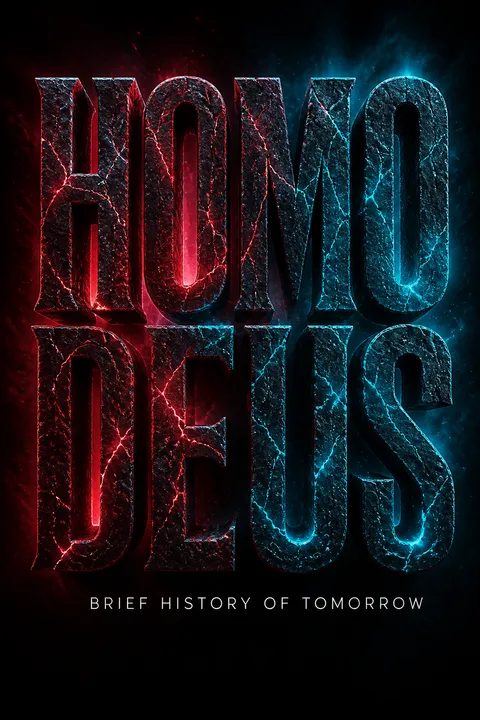

核心要点
1. 人类的新议程:永生、幸福和神性
“数千年来,人类的*高目标是克服饥荒、瘟疫和战争。然而在第三个千年初,人类醒悟到一个惊人的现实。”
新时代的曙光。 过去,人类专注于生存和基本需求。如今,随着前所未有的技术进步,我们将目光投向更高的目标:永生、持续的幸福和神一般的力量。这一转变代表了人类野心和视角的根本变化。
技术进步推动变革。 生物技术、纳米技术和人工智能的进步使这些曾经幻想的目标变得越来越可实现。科学家们正在努力:
- 无限延长人类寿命
- 增强认知和身体能力
- 创造人工生命形式
- 将人类意识与机器融合
伦理和哲学问题浮现。 在追求这些目标的过程中,我们必须面对深刻的问题:
- 在一个增强生物的世界里,人类意味着什么?
- 如果死亡变得可选,社会将如何变化?
- 追求神一般的力量有哪些风险和潜在的负面影响?
2. 饥荒、瘟疫和战争的征服
“当然,我们不能确定饥荒、瘟疫和战争已经被*终消除。但它们已经从不可理解和不可控的自然力量转变为可管理的挑战。”
前所未有的进步。 在大部分历史中,饥荒、瘟疫和战争被认为是人类存在的必然方面。今天,它们在世界许多地方已经基本得到控制。
- 饥荒:全球粮食生产已经超过人口增长,饥荒现在主要由政治问题而非农业失败引起。
- 瘟疫:现代医学已经消灭或控制了许多致命疾病,显著降低了死亡率。
- 战争:尽管冲突仍在继续,但近几十年来战争的频率和规模显著减少。
优先事项的转变。 随着这些传统威胁的消退,新的挑战出现:
- 环境退化和气候变化
- 经济不平等和社会动荡
- 技术颠覆和工作岗位流失
保持警惕。 在庆祝我们的进步的同时,我们必须保持警惕,防止这些古老威胁的潜在复发,并应对随之而来的新挑战。
3. 人工智能的崛起及其对人类价值的影响
“在二十一世纪,人类的第三大项目将是为我们获取创造和毁灭的神性力量,并将智人升级为神人。”
人工智能的快速进步。 人工智能正在以前所未有的速度进步,在越来越多的领域超越人类能力。这一趋势对工作的未来、社会和人类身份有深远影响。
人类的潜在替代。 随着人工智能系统变得更加复杂,它们可能会取代人类在各种角色中的地位:
- 认知任务:数据分析、决策、创造性工作
- 体力任务:制造、运输、建筑
- 服务行业:客户服务、医疗保健、教育
重新定义人类价值。 人工智能的崛起迫使我们重新考虑人类的独特性和价值:
- 情感智能和同理心
- 创造力和抽象思维
- 道德推理和伦理决策
随着机器变得更有能力,我们必须找到新的方式来定义和维护我们作为一个物种的价值。
4. 智能与意识的分离
“意识到我们可能是那个目瞪口呆的算法,这令人警醒。”
范式转变。 传统上,智能和意识被视为不可分割的。然而,人工智能的*新发展表明,高度智能的系统可以在没有意识或自我意识的情况下存在。
对人类的影响。 这种分离挑战了我们对智能的理解,并提出了深刻的问题:
- 非意识的人工智能系统能否比有意识的人类做出更好的决策?
- 我们如何确保人工智能系统与人类的价值观和伦理保持一致?
- 在一个由智能机器主导的世界中,人类意识将扮演什么角色?
重新定义智能。 在我们应对这些问题时,我们可能需要修正我们对智能的理解:
- 超越以人为中心的定义
- 考虑替代形式的认知和问题解决
- 探索智能、意识和情感之间的关系
5. 人类个体性和自由意志的侵蚀
“对人类生命和人类体验神圣性的自由主义信仰将变得过时。”
挑战核心信仰。 神经科学和人工智能的进步正在削弱人类个体性和自由意志的传统观念。这一转变对我们对自我和社会的理解有深远影响。
决定论和算法。 研究表明,人类行为和决策主要由以下因素决定:
- 基因倾向
- 环境影响
- 无意识的神经过程
随着我们对这些因素的深入了解,个体自主选择的观念变得越来越值得怀疑。
社会影响。 自由意志和个体性信仰的侵蚀可能导致以下方面的重大变化:
- 法律系统和个人责任的概念
- 政治结构和民主进程
- 基于个体选择和理性的经济模式
在应对这些变化时,我们可能需要重新想象我们的社会、政治和经济制度。
6. 数据主义作为新世界观的兴起
“数据主义宣称,宇宙由数据流组成,任何现象或实体的价值由其对数据处理的贡献决定。”
新范式。 数据主义正在崛起,成为一种强大的新意识形态,它主要从数据和信息处理的角度看待世界。这一视角对我们理解和与世界互动的方式有深远影响。
数据主义的关键原则:
- 宇宙基本上由数据流组成
- 任何实体或现象的价值基于其对数据处理的贡献
- 大化数据流和处理是高善
对社会的影响。 数据主义的兴起可能导致以下方面的重大变化:
- 治理:数据驱动的决策和政策制定
- 经济:优先考虑信息和数据作为主要资源
- 个人生活:对个体行为的持续监控和优化
随着数据主义的影响力增加,我们必须仔细考虑其潜在的好处和弊端。
7. 智人的潜在过时
“一旦万物互联网络启动运行,人类可能会从工程师变成芯片,然后变成数据,*终我们可能会像一团泥土在奔流的河水中一样在数据洪流中消失。”
一个挑衅性的可能性。 随着技术的进步,一些思想家认为智人可能会变得过时,被更先进的智能形式取代或融入一个更大、更互联的系统。
过时的潜在路径:
- 增强:人类将自己升级到无法识别的程度
- 替代:人工智能和机器人接管大多数人类功能
- 融合:人类与机器融合,失去个体身份
伦理和存在问题。 智人潜在的过时提出了深刻的问题:
- 人类的本质是什么,是否值得保留?
- 我们如何确保我们物种或其继任者的美好未来?
- 我们对潜在的后人类实体有什么责任?
在应对这个不确定的未来时,我们必须仔细考虑我们的技术进步和社会选择的长期影响。
读者评价
《未来简史:人类的明天简史》探讨了人类的未来,涉及不朽、幸福和人工智能等主题。哈拉瑞引人入胜的写作风格和发人深省的观点备受赞誉,尽管有些读者认为这本书不如其前作《人类简史》那样引人入胜。评论家们欣赏哈拉瑞对人文主义和技术对社会影响的分析,但对他的一些预测和对宗教概念的解释提出质疑。书中关于自由意志、意识以及“数据主义”可能崛起的讨论在读者中引发了既有兴趣又有担忧的反应。
其他人还在读


常见问题
What's Homo Deus: A Brief History of Tomorrow about?
- Exploration of Future Challenges: The book examines humanity's future, focusing on how we manage historical challenges like famine, plague, and war, and what new issues may arise.
- Humanism and Technology: Harari explores the rise of humanism and its impact on life, happiness, and power, suggesting that technological advancements may lead us to seek immortality and divinity.
- Anthropocene Epoch: The concept of the Anthropocene is introduced, highlighting humans as the most significant force in altering the planet's ecology, raising questions about our responsibilities.
Why should I read Homo Deus: A Brief History of Tomorrow?
- Insightful Predictions: The book offers thought-provoking insights into humanity's future, essential for understanding the implications of technological advancements.
- Interdisciplinary Approach: Harari combines history, philosophy, and science, providing a comprehensive view of human development and future possibilities.
- Cultural Reflection: It encourages readers to reflect on their values and beliefs in light of historical and future trends, prompting critical thinking about humanity's direction.
What are the key takeaways of Homo Deus: A Brief History of Tomorrow?
- Control Over Nature: Humanity has transformed famine, plague, and war from uncontrollable forces into manageable challenges, raising questions about new emerging challenges.
- Technological Power: Advancements in biotechnology and information technology provide unprecedented power, leading to potential quests for immortality and happiness.
- Humanism's Future: The potential decline of humanism is discussed as we seek to upgrade ourselves into god-like beings, leading to ethical dilemmas.
What are the best quotes from Homo Deus: A Brief History of Tomorrow and what do they mean?
- "Famine, plague and war...": This quote emphasizes that while progress has been made, these issues are not eradicated and still pose threats.
- "The era when humankind...": Harari suggests humanity can manage epidemics but warns of new threats from our actions.
- "If we are indeed bringing...": This raises questions about future priorities and challenges as we overcome historical struggles.
How does Homo Deus: A Brief History of Tomorrow address the concept of humanism?
- Humanism as a Dominant Ideology: Harari discusses humanism as the prevailing worldview, emphasizing human value and agency.
- Critique of Humanism: The book critiques humanism, suggesting that the quest for immortality may undermine its principles.
- Future of Humanism: Harari posits a potential decline in humanism as technology advances, leading to new forms of existence.
What is the Anthropocene, as defined in Homo Deus: A Brief History of Tomorrow?
- Human Impact on Ecology: The Anthropocene is described as the epoch where humans are the most significant agents of ecological change.
- Mass Extinctions: Human actions have led to the extinction of numerous species, highlighting our responsibility for ecological balance.
- Global Ecosystem: The planet operates as a single ecological unit, with human activities affecting ecosystems worldwide.
What role does technology play in Homo Deus: A Brief History of Tomorrow?
- Technological Advancements: Harari discusses how AI and biotechnology reshape human capabilities and societal structures.
- Potential Risks: Advancements could lead to a future where humans lose control over their lives, raising ethical questions.
- Human Control: As technology evolves, humans may become subjects of algorithms and data-driven decisions.
How does Homo Deus: A Brief History of Tomorrow address the concept of free will?
- Critique of Free Will: Harari challenges free will, suggesting decisions are influenced by biochemical processes.
- Experiencing Self vs. Narrating Self: Individuals have both an experiencing and narrating self, complicating personal agency.
- Implications for Society: This critique raises questions about accountability and moral responsibility in a tech-driven world.
What is Dataism as described in Homo Deus: A Brief History of Tomorrow?
- New Paradigm: Dataism prioritizes data flow over human experiences, suggesting all phenomena can be understood through data.
- Functional Approach: It evaluates entities based on their contribution to data processing, challenging traditional humanist values.
- Future Implications: As Dataism gains traction, human experiences may be deemed less valuable than data efficiency.
How does Homo Deus: A Brief History of Tomorrow explore the relationship between humans and animals?
- Human Superiority: The book questions the belief in human superiority, highlighting ethical implications.
- Animal Consciousness: Growing recognition of animal consciousness challenges traditional views and calls for reevaluation.
- Interconnectedness of Life: Understanding our relationship with animals can inform our approach to future technologies and ethics.
What are the implications of losing economic and military usefulness as discussed in Homo Deus: A Brief History of Tomorrow?
- Redefining Value: As technology advances, many may lose economic and military value, leading to societal shifts.
- Emergence of a New Elite: A new elite of upgraded individuals may emerge, exacerbating social inequalities.
- Challenges to Liberalism: This shift challenges liberal ideologies, potentially leading to a reevaluation of societal norms.
How does Homo Deus: A Brief History of Tomorrow envision the future of humanity?
- Technological Integration: Humans and technology may become deeply integrated, leading to enhanced capabilities and ethical dilemmas.
- Potential for New Religions: New techno-religions may emerge, focusing on technology and data rather than spiritual values.
- Uncertain Outcomes: The future remains uncertain, with potential for both advancements and challenges as humanity navigates complexities.
关于作者



下载 PDF
下载 EPUB
.epub digital book format is ideal for reading ebooks on phones, tablets, and e-readers.








































