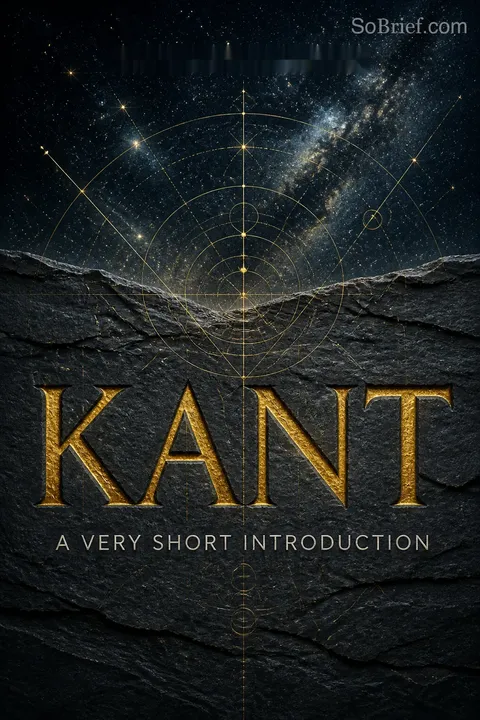

نکات کلیدی
1. زندگی کانت: وظیفه و روال روزمره فلسفهاش را شکل داد
بزرگترین فیلسوف مدرن تحت تأثیر هیچچیز جز وظیفه قرار نگرفت.
زندگی منظم. زندگی ایمانوئل کانت، که با تعهد بیچون و چرا به وظیفه و روال دقیقاً سازمانیافته مشخص میشود، تأثیر عمیقی بر جستجوهای فلسفیاش گذاشت. کانت در سال ۱۷۲۴ در کونیگسبرگ به دنیا آمد و تربیت او در یک خانوادهی دیندار پیتهستی، حس عمیق مسئولیت و درستکاری اخلاقی را در او نهادینه کرد که بعدها به اصول مرکزی چارچوب اخلاقیاش تبدیل شد.
تحصیلات آکادمیک. با وجود مواجهه با محدودیتهای مالی و چالشهای جسمی، کانت در تلاشهای علمیاش موفق بود و در نهایت به استادی در دانشگاه کونیگسبرگ دست یافت. تعهد او به پژوهش و تدریس در طول دوران حرفهاش ثابت ماند و او به طور مداوم در موضوعات مختلفی از ریاضیات و فیزیک تا متافیزیک و منطق سخنرانی کرد.
عادات شخصی. روال روزمره کانت، که با رعایت دقیق برنامهها و تمایل به تنهایی مشخص میشود، بازتابدهندهی باور او به اهمیت خودانضباطی و سختکوشی فکری بود. در حالی که برخی سبک زندگی او را سختگیرانه و بیاحساس میدانستند، این روال به او ساختار و تمرکزی را میداد که برای توسعهی ایدههای فلسفی نوآورانهاش ضروری بود.
2. پل زدن بین عقلگرایی و تجربهگرایی: سنتز انقلابی کانت
بدون حس، هیچ شیءای به ما داده نمیشود، بدون فهم، هیچ شیءای قابل تفکر نیست.
آشتی دادن دیدگاههای متضاد. کانت تلاش کرد تا دو مکتب متضاد عقلگرایی، که توسط لایبنیتس نمایندگی میشود، و تجربهگرایی، که توسط هیوم حمایت میشود، را با پیشنهاد یک سنتز که عناصر هر دو را در بر میگیرد، آشتی دهد. او استدلال کرد که دانش از تعامل بین تجربهی حسی و ساختارهای ذاتی ذهن ناشی میشود.
دانش پیشینی. کانت مفهوم دانش پیشینی ترکیبی را معرفی کرد که به حقایقی اشاره دارد که هم مستقل از تجربه هستند و هم اطلاعاتی دربارهی جهان ارائه میدهند. او معتقد بود که ریاضیات و برخی اصول متافیزیکی در این دسته قرار میگیرند و پایهای برای دانش عینی فراهم میکنند.
ایدهآلیسم فرامادی. ایدهآلیسم فرامادی کانت بیان میکند که تجربهی ما از جهان تحت تأثیر دستهبندیهای فهم و اشکال شهود، مانند فضا و زمان، قرار دارد. در حالی که میتوانیم از جهان به گونهای که به ما ظاهر میشود، دانش کسب کنیم، نمیتوانیم به "چیز در خود" بهطور مستقل از قابلیتهای شناختیمان دسترسی پیدا کنیم.
3. استنتاج فرامادی: تأسیس دانش عینی
"من فکر میکنم" که میتواند همراه با تمام ادراکات من باشد.
خودآگاهی به عنوان بنیاد. استنتاج فرامادی کانت با پیشفرض خودآگاهی آغاز میشود و استدلال میکند که توانایی شناسایی خود به عنوان موضوع تجربه شرط لازم برای دانش عینی است. او بر این باور بود که "من فکر میکنم" باید همراه با تمام ادراکات ما باشد.
دستهبندیهای فهم. کانت مجموعهای از مفاهیم بنیادی، یا دستهبندیها، را شناسایی کرد که تجربهی ما را ساختار میدهند و دانش عینی را ممکن میسازند. این دستهبندیها، مانند ماده، علت و جامعه، از تجربه ناشی نمیشوند بلکه در خود فهم نهفتهاند.
اعتبار عینی. کانت استدلال کرد که دستهبندیهای فهم اعتبار عینی دارند زیرا در خود امکان تجربه پیشفرض شدهاند. برای داشتن تجربهی خودآگاه، باید در جهانی زندگی کنیم که با دستهبندیها سازگار باشد و بدین ترتیب عینیت دانش ما را تأسیس کند.
4. منطق توهم: افشای خطاهای متافیزیکی
مفاهیم خالص فهم هرگز نمیتوانند به کار فرامادی راه یابند بلکه همیشه تنها به کار تجربی میآیند.
محدودیتهای عقل خالص. کانت به انتقاد از ادعاهای متافیزیک عقلگرا پرداخت و استدلال کرد که تلاشها برای کسب دانش از "غیرمشروط" تنها از طریق عقل خالص به توهم و تناقض منجر میشود. او معتقد بود که عقل باید به محدودیتهای تجربه محدود شود.
آنتینومیهای عقل خالص. کانت چندین آنتینومی، یا جفتهای گزارههای متضاد، را شناسایی کرد که زمانی که عقل سعی میکند کل جهان را درک کند، به وجود میآیند. این آنتینومیها، مانند سؤال دربارهی اینکه آیا جهان در زمان آغاز دارد یا خیر، محدودیتهای ذاتی متافیزیک حدسزن را نشان میدهند.
اصول تنظیمی. در حالی که استفادهی تشکیلدهنده از ایدههای متافیزیکی را رد میکند، کانت استدلال کرد که این ایدهها میتوانند به عنوان اصول تنظیمی عمل کنند و تحقیقات ما را هدایت کرده و بررسی سیستماتیک طبیعت را ترویج دهند. این ایدهها، مانند ایدهی یک خالق کامل، میتوانند ما را به جستجوی قوانین وسیعتر و سادهتر ترغیب کنند.
5. فرمان قاطع: پایهگذاری اخلاق در عقل
باید به معنای میتواند.
آزادی و اخلاق. اخلاق کانت بر مفهوم آزادی استوار است که او آن را شرط لازم برای مسئولیت اخلاقی میداند. او استدلال کرد که عامل اخلاقی باید آزاد باشد تا بین مسیرهای مختلف عمل انتخاب کند.
فرمانهای فرضی در مقابل فرمانهای قاطع. کانت بین فرمانهای فرضی، که به خواستههای ما وابستهاند، و فرمانهای قاطع، که دستورات بدون قید و شرط عقل هستند، تمایز قائل شد. او استدلال کرد که اخلاق تنها میتواند در قالب فرمانهای قاطع بیان شود.
فرمولبندیهای فرمان قاطع. کانت فرمان قاطع را به چندین شکل مختلف فرمولبندی کرد، از جمله اصل جهانیسازی، اصل رفتار با انسانیت به عنوان هدفی در خود، و اصل خودمختاری. این فرمولبندیها چارچوبی برای تعیین وظایف اخلاقی ما فراهم میکنند.
6. قضاوت زیباییشناختی: یافتن هدف و هماهنگی در زیبایی
زیبایی چیزی است که بدون [نیاز به] مفهوم، بهطور جهانی خوشایند است.
جهانی بودن ذهنی. کانت به بررسی ماهیت قضاوت زیباییشناختی پرداخت و استدلال کرد که این قضاوت شامل تجربهی ذهنی از لذت است که با این حال بهعنوان معتبر جهانی فرض میشود. او تلاش کرد توضیح دهد که چگونه میتوانیم ادعا کنیم که دیگران باید از قدردانی زیباییشناختی ما برخوردار شوند.
تفکر بیعلاقه. کانت بر اهمیت تفکر بیعلاقه در قضاوت زیباییشناختی تأکید کرد و استدلال کرد که ما باید منافع و خواستههای شخصی خود را کنار بگذاریم تا زیبایی یک شیء را درک کنیم. این بیعلاقگی به ما اجازه میدهد تا شیء را بهعنوان هدفی در خود تجربه کنیم.
هدفمندی بدون هدف. کانت مفهوم "هدفمندی بدون هدف" را برای توصیف نحوهای که اشیاء زیبا به نظر میرسند که طراحی و نظم را نشان میدهند بدون اینکه به هیچ عملکرد خاصی خدمت کنند، معرفی کرد. این هدفمندی بازتابدهندهی هماهنگی بین قابلیتهای شناختی ما و جهان طبیعی است.
7. روشنگری و قانون: آشتی دادن آزادی با نظم سیاسی
هر عمل فقط در صورتی عادلانه است که آن یا حداکثر آن اجازه دهد آزادی انتخاب هر فرد با آزادی همه در وفق با یک قانون جهانی همزیستی داشته باشد.
قرارداد اجتماعی. کانت از ایدهی قرارداد اجتماعی بهعنوان معیاری برای مشروعیت قوانین استفاده کرد. او استدلال کرد که یک قانون تنها در صورتی عادلانه است که ممکن باشد که یک ملت کامل به آن رضایت دهد.
حقوق بشر. کانت معتقد بود که همهی انسانها دارای حقوق ذاتی خاصی هستند، از جمله حق آزادی. او استدلال کرد که این حقوق باید توسط قانون محافظت شوند.
جمهوریتخواهی. کانت از شکل جمهوریخواهی حمایت کرد که در آن مردم در قوه مقننه نمایندگی میشوند و قوانین بر اساس ارادهی عمومی وضع میشوند. او معتقد بود که این نوع حکومت بیشترین سازگاری را با آزادی و عدالت دارد.
8. میراث پایدار کانت: شکلدهی به تفکر مدرن
دو چیز قلب را با شگفتی و احترام مداوم و فزاینده پر میکند، هر چه بیشتر و با ثباتتر به آنها میاندیشیم: آسمان ستارهای بالای سر و قانون اخلاقی درون.
تأثیر بر فلسفههای بعدی. فلسفهی انتقادی کانت تأثیر عمیق و ماندگاری بر تفکر فلسفی بعدی داشته و توسعهی متافیزیک، اخلاق، زیباییشناسی و فلسفه سیاسی را شکل داده است. ایدههای او همچنان مورد بحث و تفسیر مجدد توسط متفکران معاصر قرار میگیرند.
تأکید بر خودمختاری و عقل. تأکید کانت بر خودمختاری، عقل و اهمیت رفتار با همهی افراد بهعنوان اهدافی در خود، با نسلهای متفکران و فعالان طنینانداز شده است. فلسفهی اخلاقی و سیاسی او چارچوبی قدرتمند برای دفاع از حقوق بشر و ترویج عدالت اجتماعی فراهم میکند.
انتقاد از دگماتیسم و شکگرایی. روش انتقادی کانت یک پادزهر ارزشمند برای هر دو دگماتیسم و شکگرایی ارائه میدهد و ما را تشویق میکند تا فرضیات خود را زیر سؤال ببریم و به درک متوازن و دقیقتری از جهان دست یابیم. میراث او در تعهدش به سختکوشی فکری، مسئولیت اخلاقی و جستجوی روشنگری نهفته است.
خلاصه نقدها
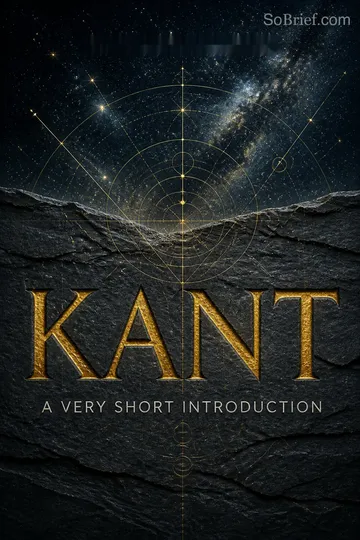
کتاب کانت: مقدمهای بسیار کوتاه بهطور کلی نقدهای مثبتی دریافت کرده است زیرا توانسته فلسفه پیچیدهی کانت را بهصورت قابلفهمی ارائه دهد، هرچند برخی هنوز آن را چالشبرانگیز میدانند. خوانندگان از توضیحات روشن و زمینهسازیهای اسکروتون دربارهی ایدههای کانت قدردانی میکنند. این کتاب به بررسی آثار و مفاهیم اصلی کانت، از جمله نقدها، اخلاق و زیباییشناسی او میپردازد. در حالی که برخی با چگالی مطالب مشکل دارند، بسیاری آن را مقدمهای ارزشمند بر تفکر کانت مییابند. منتقدان اشاره میکنند که داشتن دانش فلسفی قبلی میتواند برای درک کامل مطالب مفید باشد.
دیگران نیز خواندهاند




سؤالات متداول
What is "Kant: A Very Short Introduction" by Roger Scruton about?
- Concise overview of Kant: The book provides a clear and accessible introduction to the life, works, and philosophy of Immanuel Kant, one of the most influential modern philosophers.
- Explains Kant’s major works: It covers Kant’s key texts, especially the Critique of Pure Reason, and explains their significance in the context of philosophy.
- Focus on core concepts: The book unpacks Kant’s central ideas, such as transcendental idealism, the categorical imperative, and the distinction between phenomena and noumena.
- Modern relevance: Scruton discusses how Kant’s ideas have shaped modern thought in ethics, aesthetics, politics, and epistemology.
Why should I read "Kant: A Very Short Introduction" by Roger Scruton?
- Accessible entry point: The book is designed for readers with little or no background in philosophy, making Kant’s notoriously difficult ideas more approachable.
- Expert guidance: Roger Scruton is a respected philosopher who presents Kant’s thought in a modern idiom, clarifying complex arguments and controversies.
- Broad coverage: It covers not just Kant’s metaphysics, but also his moral, aesthetic, and political philosophy, showing the breadth of his influence.
- Contextual understanding: The book situates Kant within the Enlightenment and explains his impact on subsequent philosophical developments.
What are the key takeaways from "Kant: A Very Short Introduction"?
- Limits of human understanding: Kant sought to define the boundaries of what we can know, arguing that knowledge is shaped by both experience and the mind’s innate structures.
- Synthetic a priori knowledge: Kant introduced the idea that some truths are both informative and knowable independently of experience, a cornerstone of his philosophy.
- Moral autonomy: Kant’s ethics centers on the autonomy of the will and the categorical imperative, emphasizing duty and universal moral law.
- Transcendental idealism: Kant’s view that we can only know things as they appear to us (phenomena), not as they are in themselves (noumena), is fundamental to his system.
Who was Immanuel Kant, according to Roger Scruton’s account?
- Background and upbringing: Kant was born in Königsberg in 1724 to a modest family and was influenced by the pietist movement, which emphasized duty and conscience.
- Academic life: He spent his entire life in Königsberg, eventually becoming a professor and gaining fame for his lectures and writings.
- Personal character: Kant was known for his disciplined, routine lifestyle, love of company, and commitment to truth and duty over personal ambition.
- Intellectual legacy: Despite a late start, Kant’s major works revolutionized philosophy and established him as a central figure in the Enlightenment.
What is Kant’s "transcendental idealism" as explained in "Kant: A Very Short Introduction"?
- Knowledge shaped by mind: Kant argued that our experience of the world is structured by the mind’s innate categories and forms, such as space and time.
- Phenomena vs. noumena: We can know only appearances (phenomena), not things as they are in themselves (noumena), because our knowledge is always mediated by our faculties.
- Limits of reason: Kant’s philosophy sets boundaries on what reason can achieve, rejecting both pure empiricism and pure rationalism.
- Objective knowledge possible: While we cannot know the absolute nature of reality, we can have objective knowledge of the world as it appears to us.
How does Roger Scruton explain Kant’s "categorical imperative" and its role in moral philosophy?
- Universal moral law: The categorical imperative is a principle that commands actions which can be universally willed, forming the basis of Kant’s ethics.
- Autonomy and duty: Moral actions are those done from duty, not inclination, and stem from the autonomy of the rational will.
- Respect for persons: Kant’s ethics insists on treating humanity, in oneself and others, always as an end and never merely as a means.
- Foundation of rights: The categorical imperative underpins concepts like justice, rights, and the dignity of persons in both moral and political contexts.
What is Kant’s "Copernican Revolution" in philosophy, as described by Scruton?
- Shift in perspective: Kant proposed that instead of our knowledge conforming to objects, objects conform to the ways our mind structures experience.
- Active role of the subject: The mind actively organizes sensory data using categories and forms, rather than passively receiving information.
- Implications for knowledge: This revolution explains how synthetic a priori knowledge is possible and why certain features of experience (like causality) are necessary.
- Resolution of prior debates: Kant’s approach mediates between rationalism and empiricism, offering a new foundation for metaphysics and science.
How does "Kant: A Very Short Introduction" address the analytic/synthetic and a priori/a posteriori distinctions?
- Analytic vs. synthetic: Analytic truths are true by definition (e.g., "All bachelors are unmarried"), while synthetic truths add new information (e.g., "All bachelors are unhappy").
- A priori vs. a posteriori: A priori knowledge is independent of experience (e.g., mathematics), while a posteriori knowledge depends on experience (e.g., "The sky is blue").
- Synthetic a priori knowledge: Kant’s key innovation is the idea that some truths (like those in mathematics and metaphysics) are both synthetic and a priori.
- Philosophical significance: This distinction is central to Kant’s project of explaining how objective, necessary knowledge is possible.
What is the "transcendental deduction" in Kant’s philosophy, and how does Scruton explain it?
- Justifying categories: The transcendental deduction is Kant’s argument for why the mind’s categories (like causality and substance) must apply to all possible experience.
- Subjective and objective sides: Scruton distinguishes between the subjective deduction (how the mind must think) and the objective deduction (how the world must be for experience to occur).
- Unity of apperception: The argument relies on the idea that self-consciousness requires a unified, objective world structured by these categories.
- Foundation for objectivity: The deduction aims to show that objective knowledge is possible because the conditions for experience are also the conditions for objects.
How does Roger Scruton present Kant’s views on aesthetics and the experience of beauty?
- Aesthetic judgement: Kant sees judgments of beauty as subjective yet claiming universal validity, leading to the "antinomy of taste."
- Disinterested pleasure: True aesthetic appreciation involves a disinterested pleasure, free from personal desires or practical concerns.
- Harmony of faculties: The experience of beauty arises from a harmonious "free play" between imagination and understanding.
- Moral and metaphysical hints: Aesthetic experience provides a unique insight into the harmony between mind and world, and hints at the transcendental.
What is Kant’s political philosophy according to "Kant: A Very Short Introduction"?
- Republican ideal: Kant advocates for a republican form of government based on the autonomy and equality of citizens.
- Social contract as regulative: The social contract is not a historical fact but a test of legitimacy—laws must be such that all could consent to them.
- Natural law and rights: Kant grounds law and justice in the categorical imperative, emphasizing freedom, rights, and the dignity of persons.
- Perpetual peace: He envisions a federation of republics and international law as the path to lasting peace and justice.
What are the best quotes from "Kant: A Very Short Introduction" and what do they mean?
- "Two things fill the heart with ever renewed and increasing awe and reverence, the more often and the more steadily we meditate upon them: the starry firmament above and the moral law within."
- This quote, from Kant’s Critique of Practical Reason, encapsulates his sense of wonder at both the natural world and the moral law, highlighting the dual focus of his philosophy.
- "Thoughts without content are empty; intuitions without concepts are blind."
- Kant’s famous dictum expresses the interdependence of sensory experience and conceptual understanding in knowledge.
- "Act only on that maxim which you can at the same time will as a universal law."
- This is the first formulation of the categorical imperative, emphasizing the universality and rationality required for moral action.
- "The autonomy of the will is the sole principle of all moral laws."
- Kant’s ethics is grounded in the idea that moral agents are self-legislating, free, and bound by reason alone.
- "That whereof we cannot speak, we must consign to silence."
- Quoted by Scruton from Wittgenstein, this echoes Kant’s own view that philosophy must recognize the limits of reason and refrain from speculation beyond them.
مجموعه درآمدهای بسیار کوتاه مجموعه










درباره نویسنده
کتابهای دیگر از راجر اسکروتن



دانلود PDF
دانلود EPUB
.epub digital book format is ideal for reading ebooks on phones, tablets, and e-readers.








































