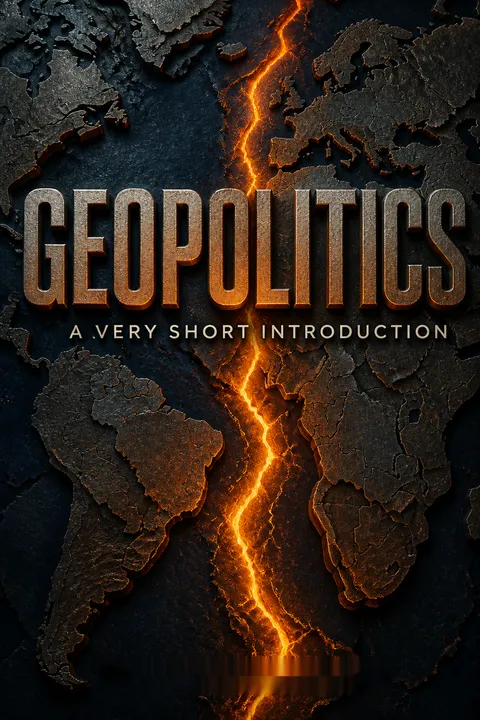

نکات کلیدی
1. ژئوپولیتیک در همه جا وجود دارد، حتی زمانی که ما متوجه آن نیستیم
"ژئوپولیتیک، بهدلیل تمرکزش بر مرزها، منابع، جریانها، سرزمینها و هویتها، میتواند راهی برای تحلیل و درک انتقادی فراهم کند – هرچند که این موضوع بحثبرانگیز است."
آگاهی روزمره از ژئوپولیتیک. ژئوپولیتیک محدود به دپارتمانهای دولتی یا بحثهای دانشگاهی نیست. این مفهوم در زندگی روزمره ما از طریق رسانهها، نمایشهای فرهنگی و تعاملات شخصی نفوذ میکند. هر بار که اخبار را مصرف میکنیم، فیلمی میبینیم یا درباره رویدادهای بینالمللی صحبت میکنیم، با روایتهای ژئوپولیتیکی درگیر میشویم.
تصور جغرافیایی اهمیت دارد. درک ما از فضاهای جهانی تحت تأثیر روایتهای پیچیدهای است که فراتر از حقایق جغرافیایی ساده میروند. این روایتها بر موارد زیر تأثیر میگذارند:
- چگونگی درک ما از فرهنگهای مختلف
- فهم ما از درگیریهای بینالمللی
- نگرش ما نسبت به مهاجرت و حرکات جهانی
- حس هویت ملی و شخصی ما
پیوند جهانی. در عصر جهانیسازی شدید، درک ژئوپولیتیکی نیازمند شناسایی این است که چگونه تجربیات محلی به فرآیندهای جهانی وسیعتر متصل میشوند. رویدادها در مکانهای دور میتوانند تأثیرات فوری و عمیقی بر زندگی ما داشته باشند و این امر اهمیت سواد جغرافیایی را دوچندان میکند.
2. نقشهها هرگز بیطرف نیستند - آنها ابزارهای قدرت و تخیل هستند
"نقشه، شاید مرجع مرکزی جغرافیا، اساساً ابزاری از قدرت است و بوده است."
دینامیکهای قدرت کارتوگرافی. نقشهها نمایندگیهای عینی از واقعیت نیستند، بلکه ابزارهای استراتژیکی هستند که منافع سیاسی، دیدگاههای فرهنگی و روابط قدرت را منعکس میکنند. آنها میتوانند:
- برخی سرزمینها را برجسته یا کماهمیت جلوه دهند
- مرزهای روانی ایجاد کنند
- ادعاهای سرزمینی را تأیید یا به چالش بکشند
- هویتهای ملی و فرهنگی را شکل دهند
تأثیرات تاریخی نقشهبرداری. نمایندگیهای کارتوگرافی عواقب عمیق واقعی دارند و بر موارد زیر تأثیر میگذارند:
- گسترشهای استعماری
- مذاکرات مرزی
- استراتژیهای امنیت ملی
- درکهای فرهنگی از فضا و تعلق
روایتهای بصری ژئوپولیتیکی. نقشهها داستانهایی فراتر از مکانهای جغرافیایی روایت میکنند و معانی سیاسی، تاریخی و فرهنگی پیچیدهای را رمزگذاری میکنند که نحوه درک ما از روابط جهانی را شکل میدهند.
3. هویت ملی از طریق روایتهای سرزمینی ساخته میشود
"هویت برای وجود نیاز به تفاوت دارد و تفاوت را به دیگری تبدیل میکند تا خود را تأیید کند."
داستانگویی سرزمینی. هویتهای ملی طبیعی یا داده شده نیستند، بلکه بهطور فعال از طریق روایتهایی درباره سرزمین ساخته میشوند که اغلب شامل ادعاهای نارضایتی تاریخی، یکتایی فرهنگی یا تمامیت سرزمینی است. این روایتها از طریق:
- سیستمهای آموزشی
- نمایشهای رسانهای
- بناهای ملی
- بزرگداشتهای تاریخی
تقویت میشوند.
تخیل ژئوپولیتیکی. کشورها داستانهای پیچیدهای درباره تجربیات سرزمینی خود توسعه میدهند که میتواند شامل مضامین زیر باشد:
- آسیب تاریخی
- از دست دادن سرزمین
- مقاومت امپریالیستی
- تمایز فرهنگی
هویت فراتر از مرزها. در حالی که هویتهای ملی اغلب به سرزمینهای خاصی وابستهاند، جهانیسازی مدرن اشکال متنوع و سیالی از تعلق را که فراتر از مرزهای جغرافیایی سنتی است، نمایان میسازد.
خلاصه نقدها
کتاب جغرافیای سیاسی: مقدمهای بسیار کوتاه نظرات متفاوتی را به خود جلب کرده است. برخی از خوانندگان آن را آموزنده و تفکر برانگیز میدانند و به پوشش مفاهیم جغرافیای سیاسی و تأثیرات فرهنگی آن اشاره میکنند. در مقابل، برخی دیگر به جانبداریهای احتمالی، کمبود عمق و تمرکز بر رویدادهای قدیمی انتقاد میکنند. رویکرد کتاب به جغرافیای سیاسی انتقادی و بررسی فرهنگ عامه از سوی برخی مورد تحسین قرار گرفته، در حالی که دیگران معتقدند که این کتاب از تحلیلهای سنتی جغرافیای سیاسی فاصله گرفته است. چندین منتقد اشاره میکنند که محتوای کتاب از زمان انتشار آن قدیمی شده است، بهویژه در زمینه جغرافیای سیاسی پس از ۱۱ سپتامبر.
دیگران نیز خواندهاند






سؤالات متداول
What's "Geopolitics: A Very Short Introduction" about?
- Overview of Geopolitics: The book provides a concise introduction to the field of geopolitics, exploring how geographical factors influence global politics and international relations.
- Historical Context: It delves into the historical development of geopolitical thought, examining key figures and theories that have shaped the discipline.
- Contemporary Issues: The book addresses current geopolitical challenges, such as globalization, territorial disputes, and the impact of technology on international relations.
- Critical Analysis: Klaus Dodds offers a critical perspective on traditional geopolitical concepts, encouraging readers to question and analyze the power dynamics at play in global politics.
Why should I read "Geopolitics: A Very Short Introduction"?
- Accessible Introduction: The book is designed for readers new to the subject, providing a stimulating and accessible entry point into geopolitics.
- Expert Insight: Written by Klaus Dodds, an expert in the field, it offers authoritative insights into both historical and contemporary geopolitical issues.
- Broad Coverage: It covers a wide range of topics, from the intellectual history of geopolitics to its application in modern-day conflicts and international relations.
- Critical Perspective: The book encourages readers to think critically about geopolitical narratives and the implications of geopolitical strategies.
What are the key takeaways of "Geopolitics: A Very Short Introduction"?
- Geopolitical Influence: Geography plays a crucial role in shaping political power and international relations, affecting everything from resource distribution to military strategy.
- Historical Evolution: Geopolitical thought has evolved over time, influenced by historical events and changing global dynamics.
- Contemporary Relevance: Geopolitics remains highly relevant today, with issues like globalization, terrorism, and climate change impacting global politics.
- Critical Engagement: Readers are encouraged to critically engage with geopolitical concepts and consider the ethical implications of geopolitical strategies.
What is the definition of geopolitics according to Klaus Dodds?
- Complex Definition: Geopolitics is a complex and often contested term, used to describe the influence of geographical factors on political power and international relations.
- Two Understandings: Dodds outlines two main understandings: one that sees geopolitics as a guide to global politics using geographical templates, and another that examines how these templates are constructed and used.
- Visual Nature: Geopolitics is highly visual, often involving maps, charts, and other representations to convey political ideas.
- Critical Approach: The book favors a critical approach, questioning how geopolitical narratives are constructed and their impact on global politics.
How does "Geopolitics: A Very Short Introduction" address the concept of national identity?
- National Identity and Geopolitics: The book explores how national identity is constructed and maintained through geopolitical narratives and territorial claims.
- Case Studies: It examines specific case studies, such as Argentina's claim to the Falkland Islands and the United States' self-identity as a global leader.
- Identity and Conflict: National identity often plays a role in geopolitical conflicts, influencing public opinion and government policy.
- Dynamic Process: The construction of national identity is a dynamic process, influenced by historical events, cultural narratives, and geopolitical strategies.
What role do maps play in geopolitics according to the book?
- Maps as Tools of Power: Maps are powerful tools in geopolitics, used to represent and influence political realities.
- Historical Examples: The book discusses historical examples, such as Halford Mackinder's maps and their impact on geopolitical thought.
- Contemporary Usage: Maps continue to play a crucial role in modern geopolitics, shaping public perception and policy decisions.
- Critical Perspective: Dodds encourages readers to critically analyze maps, recognizing their potential to distort or manipulate geopolitical narratives.
How does Klaus Dodds view the relationship between geopolitics and globalization?
- Coexistence with Globalization: Geopolitics and globalization coexist, with geographical factors continuing to influence global politics despite increased interconnectedness.
- Impact on Sovereignty: Globalization challenges traditional notions of sovereignty, as states navigate complex networks of interdependence.
- Dynamic Reconfigurations: The book explores how globalization leads to dynamic reconfigurations of geopolitical power and territorial boundaries.
- Critical Engagement: Readers are encouraged to critically engage with the implications of globalization on geopolitical strategies and power dynamics.
What are the best quotes from "Geopolitics: A Very Short Introduction" and what do they mean?
- "Geopolitics provides ways of looking at the world and is highly visual as a consequence." This quote highlights the importance of visual representations, such as maps, in understanding geopolitical concepts.
- "Geopolitics is conceived as a form of discourse, able to produce and circulate spatial representations of global politics." It emphasizes the role of language and narratives in shaping geopolitical understanding.
- "The world is not static, and the status quo is not sacred." This quote underscores the dynamic nature of global politics and the need for adaptability in geopolitical strategies.
- "Geopolitics, precisely because it is preoccupied with borders, resources, flows, territories, and identities, can provide a pathway for critical analysis and understanding." It suggests that geopolitics offers valuable tools for analyzing complex global issues.
How does "Geopolitics: A Very Short Introduction" address the concept of the "axis of evil"?
- Geopolitical Labeling: The book discusses how terms like "axis of evil" are used in geopolitical discourse to label and categorize countries.
- Impact on Policy: Such labels can influence foreign policy decisions and justify military actions, as seen in the U.S. approach to Iraq and Iran.
- Critical Examination: Dodds encourages readers to critically examine the use of these labels and their implications for international relations.
- Simplification of Complexities: The book highlights the danger of oversimplifying complex geopolitical realities through such labels.
What is the significance of the "Heartland" theory in geopolitics?
- Mackinder's Theory: The "Heartland" theory, proposed by Halford Mackinder, suggests that control of the central Eurasian landmass (the Heartland) is key to global dominance.
- Historical Influence: This theory has historically influenced geopolitical strategies, particularly during the World Wars and the Cold War.
- Contemporary Relevance: The book discusses the continued relevance of the Heartland theory in modern geopolitics, especially in relation to Central Asia.
- Critical Perspective: Dodds encourages a critical examination of the theory, considering its limitations and the changing dynamics of global power.
How does Klaus Dodds address the concept of "critical geopolitics"?
- Critical Geopolitics Defined: Critical geopolitics examines how geopolitical narratives are constructed and the power dynamics they reflect.
- Challenging Traditional Views: It challenges traditional geopolitical views that often emphasize state-centric and militaristic perspectives.
- Focus on Discourse: The approach focuses on the discourse and language used in geopolitics, analyzing how they shape perceptions and policies.
- Encouraging Critical Thinking: Dodds advocates for critical thinking and questioning of geopolitical assumptions, encouraging readers to consider alternative perspectives.
What are the implications of the War on Terror for geopolitics according to the book?
- Redefining Threats: The War on Terror has redefined global threats, focusing on non-state actors and networks rather than traditional state-based conflicts.
- Impact on Sovereignty: It has challenged traditional notions of sovereignty, with interventions justified on the basis of pre-emption and global security.
- Geopolitical Narratives: The War on Terror has influenced geopolitical narratives, often framing certain regions and cultures as inherently threatening.
- Critical Examination: Dodds encourages a critical examination of the War on Terror, questioning its impact on international law, human rights, and global power dynamics.
درآمدهای بسیار کوتاه مجموعه







دانلود PDF
دانلود EPUB
.epub digital book format is ideal for reading ebooks on phones, tablets, and e-readers.








































