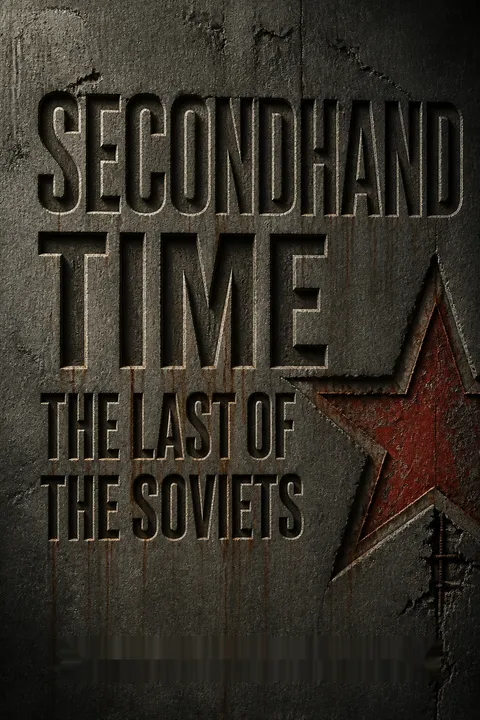

Key Takeaways
1. The Soviet Dream's End: A Civilization Lost in Transition
We’re paying our respects to the Soviet era. Cutting ties with our old life. I’m trying to honestly hear out all the participants of the socialist drama…
Civilization's demise. The book chronicles the collapse of the Soviet civilization, a world built on the ideals of communism, collectivism, and a shared destiny. This civilization, with its unique values, lexicon, and relationship with death, vanished, leaving its people adrift in a new, unfamiliar landscape.
Traces of the past. Alexievich seeks to capture the traces of this vanished world, its familiar faces, and the myriad details of everyday life. She aims to understand how socialism existed in a person's soul, focusing on the individual as the miniature expanse where everything truly happens.
Honest reckoning. The author emphasizes the importance of honestly hearing out all participants in the socialist drama, both victims and perpetrators, to understand the full scope of this historical transformation. This includes acknowledging the achievements and sacrifices made in the name of the Soviet idea, even as its failures and horrors are exposed.
2. Freedom's Illusions: From Liberation to Disillusionment
Freedom had materialized out of thin air: Everyone was intoxicated by it, but no one had really been prepared.
Unprepared for freedom. The sudden arrival of freedom after decades of Soviet rule left many people unprepared and disoriented. They were intoxicated by the possibilities but lacked the knowledge, skills, and values to navigate the new landscape.
Betrayal of expectations. The promise of a better life, equality, and justice was replaced by the harsh realities of capitalism: inequality, poverty, and the dominance of money. This led to widespread disillusionment and a sense of betrayal among those who had embraced perestroika.
Yearning for the past. Many people began to yearn for the perceived stability and security of the Soviet era, even with its limitations and repressions. This nostalgia reflects a deep-seated longing for a sense of belonging, purpose, and shared values that were lost in the transition.
3. The Homo Sovieticus: A New Breed Adrift in a New World
Communism had an insane plan: to remake the “old breed of man,” ancient Adam. And it really worked…Perhaps it was communism’s only achievement.
The Soviet man. The book explores the emergence of a new type of person, Homo sovieticus, shaped by over seventy years of Marxist-Leninist ideology. This individual, whether seen as tragic or a sovok, possesses a unique lexicon, conceptions of good and evil, and a special relationship with death.
Collective memory. Homo sovieticus shares a communist collective memory, a shared history of gulags, war, collectivization, and mass deportations. This collective memory binds them together, even as they now live in separate countries and speak different languages.
Loss of identity. The collapse of the Soviet Union left Homo sovieticus without a clear identity or purpose. They struggled to adapt to the new values of individualism, consumerism, and competition, feeling like strangers in their own land.
4. Nostalgia's Grip: The Seduction of a Reimagined Past
There’s a new demand for everything Soviet. For the cult of Stalin.
Selective memory. Nostalgia for the Soviet era often involves a selective memory, focusing on the positive aspects while downplaying or ignoring the negative ones. This can lead to a romanticized and distorted view of the past.
Soviet revival. The resurgence of Soviet symbols, themes, and cultural products reflects a longing for a sense of identity, belonging, and shared values that were lost in the transition to capitalism. This includes:
- "Soviet-style cafés" with Soviet names and dishes
- "Soviet" candy and salami
- Soviet-themed TV shows and websites
The cult of Stalin. The renewed interest in Stalin, particularly among younger generations, is a disturbing trend. It reflects a desire for strong leadership, order, and stability, even at the cost of freedom and human rights.
5. The Scars of History: Victims, Executioners, and the Unresolved Legacy
Victim and executioner are equally ignoble; the lesson of the camps is brotherhood in abjection.
Shared guilt. The book delves into the complex relationship between victims and executioners in Soviet history, highlighting the shared guilt and moral compromises that permeated society. Everyone was either a victim, an accomplice, or both.
Moral compromises. The need to survive in a totalitarian system often forced individuals to make difficult choices, blurring the lines between right and wrong. This led to a culture of fear, suspicion, and betrayal, where even family members turned against each other.
Unresolved trauma. The failure to fully confront and reconcile with the horrors of the Soviet past has left deep scars on Russian society. This unresolved trauma continues to shape the present, fueling political divisions and hindering the development of a shared national identity.
6. The Price of Progress: Materialism vs. Ideals in a Changing Russia
Freedom turned out to mean the rehabilitation of bourgeois existence, which has traditionally been suppressed in Russia.
The allure of materialism. The collapse of communism unleashed a wave of consumerism and materialism, as people eagerly embraced the goods and freedoms that had been denied to them for so long. This led to a shift in values, with money and success becoming the primary measures of worth.
Spiritual emptiness. The pursuit of material wealth often came at the expense of spiritual and intellectual pursuits. Libraries and theaters stood empty, while markets and stores thrived. This created a sense of emptiness and a loss of meaning in life.
The intelligentsia's plight. The Russian intelligentsia, once revered as the conscience of the nation, found themselves marginalized and impoverished in the new capitalist order. Their traditional values of intellectualism, social justice, and moral integrity were often seen as irrelevant or even detrimental to success.
7. The Echoes of War: Trauma, Memory, and the Search for Meaning
At heart, we’re built for war. We were always either fighting or preparing to fight. We’ve never known anything else—hence our wartime psychology.
Wartime psychology. The book explores the enduring impact of war on the Russian psyche, highlighting the nation's long history of conflict and its tendency to view life through a militarized lens. This wartime psychology has shaped the country's values, attitudes, and behaviors.
The Great Patriotic War. The memory of World War II, known as the Great Patriotic War in Russia, remains a powerful force in shaping national identity and values. The sacrifices and heroism of the Soviet people during the war are often invoked to justify present-day policies and actions.
The Chechen wars. The Chechen wars of the 1990s and 2000s further traumatized Russian society, exposing the brutality and senselessness of conflict. These wars also revealed the deep-seated ethnic tensions and unresolved grievances that continue to plague the country.
8. The Unfolding Future: Navigating a World Without Certainty
And the future seems to have stopped standing in its proper place.
Uncertainty and anxiety. The book concludes with a sense of uncertainty and anxiety about the future of Russia. The old certainties of the Soviet era have vanished, but no clear vision has emerged to take their place.
The search for a new path. Russia is still searching for its place in the world, grappling with questions of identity, values, and purpose. The country's relationship with the West, its role in the global economy, and its internal political dynamics remain unresolved.
The artist's role. The author emphasizes the importance of art and literature in helping people make sense of their lives and navigate the complexities of the modern world. By telling stories, exploring emotions, and challenging conventional wisdom, artists can help to illuminate the path forward.
Review Summary
Secondhand Time: The Last of the Soviets is a powerful oral history of post-Soviet Russia, featuring interviews with ordinary citizens. Readers praise Alexievich's ability to capture the complex emotions and experiences of people grappling with the collapse of the USSR and the transition to capitalism. The book is described as deeply moving, often tragic, and essential for understanding modern Russia. Many reviewers found it emotionally challenging but highly rewarding, offering unique insights into the Soviet and post-Soviet mindset through personal stories.
People Also Read

FAQ
1. What is Secondhand Time: The Last of the Soviets by Svetlana Alexievich about?
- Oral history of Soviet collapse: The book is a collection of personal testimonies from people who lived through the final decades of the Soviet Union and its aftermath, capturing the emotional and social upheaval of the era.
- Focus on individual experience: Rather than a traditional historical account, Alexievich presents intimate stories about love, war, repression, and survival, revealing how Soviet ideology shaped lives and how its collapse affected identities.
- Themes of memory and loss: The narrative explores the collective memory of the Soviet era, the trauma of repression, and the nostalgia for a vanished world, highlighting the legacy of contradictions and broken dreams.
- Polyphonic narrative: Built from interviews, the book weaves together diverse voices, offering a complex, multi-layered portrait of Soviet and post-Soviet life.
2. Why should I read Secondhand Time: The Last of the Soviets by Svetlana Alexievich?
- Unique narrative style: Alexievich’s oral history method provides a deeply human perspective on historical events, making abstract political and social changes tangible and relatable.
- Insight into Soviet and post-Soviet life: The book offers a nuanced view of life under communism and the chaotic transition to capitalism, challenging simplistic narratives about the Soviet Union and its demise.
- Exploration of universal themes: Beyond its historical context, the book delves into faith, identity, love, death, and the search for meaning, inviting readers to reflect on how ideology shapes human lives.
- Award-winning literature: Alexievich’s work, recognized with the Nobel Prize in Literature, is both a historical document and a literary achievement, celebrated for its emotional depth and courage.
3. What are the key takeaways from Secondhand Time: The Last of the Soviets by Svetlana Alexievich?
- Human cost of collapse: The fall of the Soviet Union was not just political but deeply personal, causing trauma, displacement, and identity loss for millions.
- Power and limits of words: The book highlights how, in the Soviet era, words were powerful tools of truth and resistance, but in the post-Soviet world, they lost their potency amid cynicism and materialism.
- Enduring Soviet legacy: The testimonies reveal how the Soviet past continues to shape identities, politics, and daily life in Russia, mixing nostalgia, regret, and critique.
- Resilience and adaptation: The stories underscore the resilience of individuals facing upheaval, as well as the challenges of adapting to rapid social and economic change.
4. How does Svetlana Alexievich use oral history in Secondhand Time: The Last of the Soviets?
- Extensive interviews: Alexievich conducts in-depth interviews with a wide range of people—soldiers, prisoners, workers, intellectuals, women, and children—preserving their language, emotions, and contradictions.
- Polyphonic structure: The book is built from multiple, sometimes contradictory voices, creating a chorus of perspectives that reflect the complexity of history.
- Emotional truth over chronology: Alexievich prioritizes the emotional and psychological reality of her subjects, capturing moments of pain, joy, confusion, and hope.
- Challenge to official history: By focusing on personal testimonies, the book questions monolithic narratives and exposes silences, lies, and forgotten truths.
5. What is Homo sovieticus as described in Secondhand Time: The Last of the Soviets by Svetlana Alexievich?
- Definition and origin: Homo sovieticus refers to the "new man" created by the Soviet system, shaped by decades of socialist ideology and lived experience.
- Distinct worldview: This figure shares a unique lexicon, values, and relationship with authority, death, and suffering, embodying the collective memory of socialism.
- Psychological imprint: Marked by a wartime mentality and a tendency to accept or even embrace subjugation, Homo sovieticus is deeply entangled with the state as their entire cosmos.
- Key to Soviet legacy: Understanding this concept is central to grasping the psychological and cultural impact of Soviet rule and its collapse.
6. How does Secondhand Time: The Last of the Soviets by Svetlana Alexievich portray the collapse of the Soviet Union and its aftermath?
- Chaos and disillusionment: The book captures the shock, confusion, and social upheaval following the Soviet collapse, including the failed 1991 coup and the rise of capitalism.
- Personal stories of loss: Interviewees describe feelings of betrayal, loss of identity, and the painful transition from a collective to a fragmented society.
- Nostalgia and revival: There is a notable resurgence of Soviet nostalgia, including a new cult of Stalin and Soviet symbols, reflecting unresolved tensions in Russian society.
- Freedom’s complexity: The book explores differing perceptions of freedom, showing generational divides and the challenges of adapting to new realities.
7. What are the main themes explored in Secondhand Time: The Last of the Soviets by Svetlana Alexievich?
- Memory and history: The book delves into the contested and fragile nature of memory, showing how the Soviet past is remembered, forgotten, or reinterpreted.
- Love and suffering: Many narratives intertwine love and pain, portraying love as both a source of hope and a site of suffering in harsh times.
- Violence and trauma: The stories reveal the enduring impact of war, repression, and social breakdown, including the legacy of the Gulag and the Chechen wars.
- Identity and adaptation: The book examines the struggle to find meaning and identity amid rapid social, economic, and political change.
8. How does Secondhand Time: The Last of the Soviets by Svetlana Alexievich depict the role of personal testimonies and individual voices?
- Voices of the ordinary: The book is built from interviews with a diverse range of people, giving a polyphonic view of history that humanizes historical events.
- Emotional depth: The narratives convey a wide range of emotions—love, fear, hope, despair, and resilience—showing how individuals made sense of their circumstances.
- Contradictory perspectives: By presenting multiple, sometimes conflicting voices, the book challenges official histories and encourages critical engagement with the past.
- Preservation of memory: The testimonies act as a repository of memory, preserving voices that might otherwise be lost to history.
9. What are some of the most powerful personal stories featured in Secondhand Time: The Last of the Soviets by Svetlana Alexievich?
- Refugee experiences: Stories include a mother fleeing ethnic violence in Baku, facing discrimination and hardship in Moscow, highlighting ethnic tensions and the struggles of migrants.
- Victims of terrorism: Accounts from survivors of the Moscow Metro terrorist attack reveal trauma, ongoing fear, and societal attitudes toward victims.
- Love in adversity: Narratives such as Lena’s marriage to a life-sentenced prisoner illustrate love’s complexity, social stigma, and personal sacrifice.
- War and survival: Testimonies from soldiers, nurses, and families affected by the Chechen wars and World War II reveal the psychological scars and moral dilemmas of conflict.
10. How does Secondhand Time: The Last of the Soviets by Svetlana Alexievich address the theme of freedom in post-Soviet Russia?
- Generational divide: Older generations often see freedom as the absence of fear and repression, while younger people associate it with love, inner peace, and material well-being.
- Freedom’s contradictions: Many Russians were unprepared for freedom, which quickly became linked to consumerism and inequality rather than political or spiritual liberation.
- Philosophical reflections: The book draws on Dostoevsky’s "The Legend of the Grand Inquisitor" to discuss the burden of freedom and the human tendency to seek authority.
- Social impact: The transition to freedom brought both hope and hardship, with many longing for the order and collective purpose of the Soviet era.
11. What are the best quotes from Secondhand Time: The Last of the Soviets by Svetlana Alexievich and what do they mean?
- “Pain is a bridge between people”: This quote reflects the book’s theme that suffering connects individuals across divides, fostering empathy and shared humanity.
- “The word was everything”: Highlights the importance of speech and truth-telling in Soviet dissent, contrasting with the post-Soviet era’s cynicism.
- “A man without his homeland is like a nightingale without a garden”: Expresses the deep sense of loss and alienation felt by displaced people, especially migrants.
- “Only a Soviet can understand another Soviet”: Emphasizes the unique collective memory and experience that binds those who lived under socialism.
12. What is the significance of the title Secondhand Time in Svetlana Alexievich’s book?
- Time experienced indirectly: The title suggests that people’s stories are about living through the aftermath of a great historical event—the Soviet collapse—rather than shaping it directly.
- Memory and legacy: The book deals with how memories of the Soviet past and the trauma of transition are passed down and carried forward, with past and present intertwined.
- Metaphor for loss and survival: “Secondhand time” evokes the idea of living in a borrowed or diminished era, where people struggle to find their place amid dislocation and adaptation.
- Exploration of identity: The title encapsulates the book’s exploration of how individuals endure and redefine themselves in the wake of historical upheaval.
Voices of Utopia Series
Download PDF
Download EPUB
.epub digital book format is ideal for reading ebooks on phones, tablets, and e-readers.








































