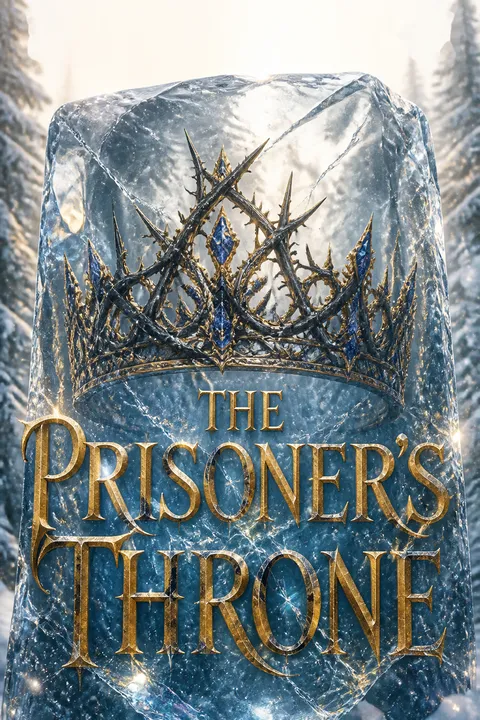

Resumen de la trama
La temeraria carrera contra el tiempo de Oak
En el corazón de Elfhame, Oak, el travieso príncipe, se ve atrapado en un torbellino de traición y conspiración. A pesar de su naturaleza juguetona, está profundamente involucrado en una intriga que amenaza la estabilidad del reino. Mientras recorre el palacio a toda prisa, su mente está consumida por el traicionero plan que debe desentrañar. Su madre, Oriana, le recuerda sus deberes como heredero, instándolo a inspirar tanto temor como amor. Sin embargo, la atención de Oak sigue centrada en la conspiración y en la enigmática Lady Elaine, quien promete aliados poderosos. Con la llegada del Alto Rey y la Reina, Oak siente el peso de su linaje y las expectativas que recaen sobre él. A pesar de la gravedad de la situación, está decidido a descubrir la verdad, incluso asumiendo un gran riesgo personal.
Una corona y una conspiración
Durante una gran ceremonia, Oak es nombrado oficialmente heredero al trono de Elfhame. El evento está lleno de esplendor, pero Oak está preocupado por la conspiración que amenaza al reino. Su familia, incluida su formidable hermana Jude, lo observa con orgullo; sin embargo, la mente de Oak está en otra parte, concentrada en el peligro que acecha en las sombras. A pesar de la magnificencia de la ceremonia, Oak es plenamente consciente de la sangre en sus manos y de la urgencia de actuar con rapidez para proteger a su familia y a su reino de la amenaza inminente.
El desenlace de los secretos
Oak se encuentra en una posición peligrosa, navegando por las traicioneras aguas de la política de la corte. Su encanto y astucia se ponen a prueba mientras busca descubrir la verdad de la conspiración. Lady Elaine, una figura clave en la intriga, se convierte tanto en una aliada como en una amenaza. La capacidad de Oak para manipular a quienes lo rodean es a la vez una bendición y una maldición mientras lucha por mantener el control. A medida que profundiza, Oak se da cuenta de que hay mucho más en juego de lo que imaginaba, y la línea entre amigo y enemigo se desibuja, obligándolo a confiar en su ingenio para sobrevivir.
El siniestro plan de la bruja de la tormenta
La bruja de la tormenta, Bogdana, surge como una adversaria formidable; sus siniestros planes amenazan la estructura misma de Elfhame. Su deseo de venganza contra el linaje Greenbriar es palpable, y su influencia sobre la conspiración se vuelve cada vez más evidente. Los encuentros de Oak con Bogdana revelan la profundidad de su odio y los extremos a los que está dispuesta a llegar para lograr sus objetivos. A medida que Oak descubre más sobre sus planes, comprende el verdadero peligro que ella representa para el reino. El poder y la astucia de la bruja de la tormenta la convierten en una enemiga temible, y Oak debe emplear todas sus habilidades para contrarrestar sus oscuros planes.
Una red de traición se desmorona
Oak se encuentra en medio de una enredada red de traición al enterarse de una conspiración contra el trono de Elfhame. El Fantasma, un aliado de confianza, es envenenado, y Oak es acusado de formar parte del complot. Mientras navega por el traicionero panorama político, Oak se da cuenta de que la bruja de la tormenta Bogdana y su prometida, Wren, son piezas centrales de la conspiración. Con el futuro del reino en juego, Oak debe desentrañar la verdad y enfrentarse a quienes buscan manipularlo para su propio beneficio.
Traición y redención en Elfhame
Mientras lidia con la traición de aquellos en quienes confiaba, Oak descubre que su familia le ha ocultado secretos, incluida la verdadera identidad del asesino de su madre. Esta revelación lo sacude hasta lo más profundo, obligándolo a confrontar sus propias acciones y las consecuencias de sus elecciones. A pesar del caos, Oak encuentra la redención en su determinación de proteger a su familia y a su reino, incluso mientras cuestiona su propio lugar en él.
El último enfrentamiento de la bruja de la tormenta
La bruja de la tormenta Bogdana desata su furia sobre Elfhame, utilizando su magia para aislar al reino y amenazar su existencia misma. Mientras Oak y sus aliados se enfrentan a ella, deben encontrar la manera de detenerla antes de que sea demasiado tarde. En una batalla culminante, Wren se sacrifica para absorber el poder de Bogdana, dejando a Oak la tarea de enfrentarse a la bruja de la tormenta y proteger al reino de su ira.
Un amor probado por el fuego
El amor de Oak por Wren se somete a la prueba definitiva al enterarse de la implicación de ella en la conspiración. A pesar de la traición, los sentimientos de Oak por Wren siguen siendo fuertes, y debe decidir si volver a confiar en ella. Al enfrentarse juntos a la bruja de la tormenta, el vínculo entre Oak y Wren se fortalece, demostrando que su amor puede resistir incluso las pruebas más oscuras.
El corazón de una bruja
Tras la batalla, se revela la verdadera naturaleza de Wren como bruja. Su poder, que antes se consideraba una maldición, se convierte en una fuente de fuerza y renovación. Al aceptar su identidad, Wren encuentra un nuevo sentido de propósito y pertenencia, tanto en su interior como en su relación con Oak. Juntos, forjan un nuevo camino hacia adelante, libres de las sombras de su pasado.
El futuro de un reino decidido
Con la derrota de la bruja de la tormenta y la conspiración desmantelada, el futuro de Elfhame queda asegurado. El amor de Oak y Wren perdura, y ambos encuentran un nuevo sentido de propósito en sus roles como líderes. Mientras el reino sana de las heridas de la traición, Oak y Wren miran hacia el futuro con esperanza y determinación, listos para enfrentar cualquier desafío que se les presente.
Analysis
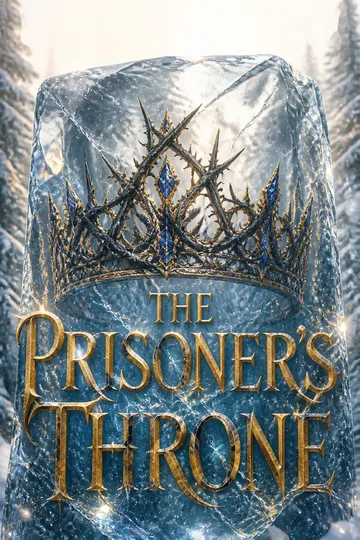
Exploración del poder, la identidad y la redención"The Prisoner's Throne" profundiza en las complejidades del poder, la identidad y la redención. A través del viaje de Oak, la narrativa explora las cargas del liderazgo y los dilemas morales a los que se enfrentan quienes ostentan el poder. La historia destaca la importancia del autodescubrimiento y de aceptar la verdadera identidad, tal como se observa en la transformación de Wren. Los temas de la lealtad, la confianza y las consecuencias de las propias acciones se entrelazan a lo largo de la narrativa, ofreciendo una profunda reflexión sobre la naturaleza del poder y la condición humana. En última instancia, el libro subraya la resiliencia del amor y la fuerza perdurable del espíritu humano frente a la adversidad.
Resumen de reseñas
El trono del prisionero recibe críticas mixtas, con valoraciones que oscilan entre las 2 y las 5 estrellas. Muchos lectores aprecian el estilo de escritura de Holly Black y el regreso al mundo de Elfhame. Algunos elogian la intriga política, el desarrollo de los personajes y las apariciones de Jude y Cardan. Sin embargo, otros critican el ritmo, la falta de química entre Oak y Wren, y sienten que el libro no está a la altura de la trilogía original. A pesar de las diferencias de opinión, la mayoría de los lectores disfrutan de la atmósfera mágica y las complejas dinámicas familiares, lo que lo convierte en un desenlace satisfactorio para muchos fans de la serie.
También leyeron
Characters
Oak
Oak es el heredero al trono de Elfhame, conocido por su encanto y astucia. Bajo su apariencia juguetona se esconde un profundo sentido de la responsabilidad y el deseo de proteger a su familia y a su reino. El viaje de Oak es de autodescubrimiento, mientras navega por la política de la corte y descubre una peligrosa conspiración. Su capacidad para manipular a quienes lo rodean es tanto una bendición como una maldición, mientras lucha por mantener el control. La lealtad de Oak hacia su familia es inquebrantable, y está dispuesto a arriesgarlo todo para protegerlos de la amenaza inminente.
Wren
Wren es un personaje complejo, dividida entre su amor por Oak y su implicación en la conspiración. Al enfrentarse a su verdadera naturaleza como bruja, Wren encuentra fuerza en su poder y un nuevo sentido de propósito. Su viaje de autodescubrimiento la lleva a aceptar su identidad y a forjar un nuevo camino, tanto para ella misma como para su relación con Oak.
Bogdana
Bogdana es una adversaria formidable, impulsada por el deseo de venganza y poder. Su magia amenaza la estructura misma de Elfhame, y su influencia sobre la conspiración es palpable. Mientras Oak y sus aliados se enfrentan a ella, se revela la verdadera naturaleza de Bogdana, y sus planes son finalmente frustrados por el sacrificio de Wren.
Jude
Jude es la hermana de Oak y la Alta Reina de Elfhame, conocida por su fuerza y determinación. Al navegar por la política de la corte, Jude se ve obligada a enfrentarse a la traición de aquellos en quienes confiaba. Su lealtad a su familia es inquebrantable, y está dispuesta a tomar decisiones difíciles para protegerlos de la amenaza inminente.
Cardan
Cardan es el Alto Rey de Elfhame, conocido por su encanto y astucia. Su relación con Oak es compleja, ya que busca proteger su reino al tiempo que exige responsabilidades a Oak por sus acciones. El pasado de Cardan está lleno de tensiones, y sus interacciones con Oak revelan un profundo sentido del deber y el deseo de proteger a su familia y a su reino.
Oriana
Oriana es la madre de Oak, conocida por su feroz lealtad y naturaleza protectora. Su relación con Oak es compleja, ya que busca protegerlo al tiempo que le exige responsabilidades por sus actos. La fuerza y determinación de Oriana son evidentes en sus interacciones con Oak mientras navega por las traicioneras aguas de la política de la corte.
Hyacinthe
Hyacinthe es un leal guardia de Wren, conocido por su fuerza y determinación. Su relación con Oak es compleja, ya que busca proteger a Wren al tiempo que exige responsabilidades a Oak por sus acciones. El pasado de Hyacinthe está lleno de tensiones, y sus interacciones con Oak revelan un profundo sentido del deber y el deseo de proteger su reino.
Tiernan
Tiernan es un protector leal de Oak, conocido por su fuerza y determinación. Su relación con Oak es compleja, ya que busca protegerlo al tiempo que le exige responsabilidades por sus actos. El pasado de Tiernan está lleno de tensiones, y sus interacciones con Oak revelan un profundo sentido del deber y el deseo de proteger su reino.
Lady Elaine
Lady Elaine es una figura clave en la conspiración, conocida por su encanto y astucia. Su relación con Oak es compleja, ya que busca manipularlo al tiempo que le exige responsabilidades por sus actos. El pasado de Lady Elaine está lleno de tensiones, y sus interacciones con Oak revelan un profundo sentido del deber y el deseo de proteger su reino.
Bex
Bex es la hermana mortal de Wren, utilizada como peón en la conspiración contra Elfhame. Su presencia obliga a Wren a enfrentarse a su pasado y a las decisiones que debe tomar para proteger a su familia. La inocencia y vulnerabilidad de Bex ponen de relieve lo que está en juego en el conflicto, y su relación con Wren se convierte en el catalizador de la transformación de esta última.
Plot Devices
The Bridle
The Bridle es un poderoso símbolo de control y manipulación, que representa la lucha por el poder y los extremos a los que las personas están dispuestas a llegar para alcanzar sus objetivos. Es un recurso argumental clave, utilizado para controlar y manipular a los personajes, y sirve como recordatorio de los peligros de la ambición desmedida. La presencia de The Bridle en la historia resalta los temas del poder, el control y las consecuencias de las propias acciones.
The Conspiracy
The Conspiracy es un recurso argumental central que impulsa la narrativa y genera tensión y conflicto entre los personajes. Representa la compleja red de engaños y traiciones que impregna el mundo de Elfhame, y sirve como catalizador de los acontecimientos de la historia. La presencia de The Conspiracy resalta los temas de la lealtad, la confianza y las consecuencias de las propias acciones.
The Storm
The Storm es un poderoso recurso argumental que representa el caos y el poder que amenazan a Elfhame. Sirve de escenario para la batalla culminante entre Oak, Wren y Bogdana, resaltando lo que está en juego en el conflicto y la fuerza de los personajes. La presencia de The Storm subraya los temas del poder, el control y las consecuencias de las propias acciones.
Wren's Transformation
Wren's Transformation es un recurso argumental clave que representa su viaje de autodescubrimiento y aceptación. Su renacimiento como una poderosa bruja con alas simboliza su nueva fuerza e identidad, y sirve como catalizador para su relación con Oak. Wren's Transformation resalta los temas de la identidad, el poder y la importancia de aceptar el verdadero ser.
Preguntas frecuentes
Synopsis & Basic Details
What is The Prisoner's Throne about?
- Heir Navigates Treachery: The story follows Prince Oak, heir to Elfhame, as he becomes entangled in a dangerous conspiracy threatening the High King and Queen, Cardan and Jude.
- Perilous Quest & Capture: His efforts to uncover the plot lead him on a perilous quest to the north, where he is captured and imprisoned by Queen Suren, formerly known as Wren, a figure from his past.
- Political Intrigue & Personal Stakes: Held captive amidst rising tensions between Elfhame and the northern court, Oak must navigate complex political maneuvers, confront hidden family secrets, and grapple with his complicated feelings for Wren to prevent war and protect those he loves.
Why should I read The Prisoner's Throne?
- Deep Dive into Faerie Politics: The novel offers an intricate look at the political machinations, power struggles, and treacherous court dynamics of Elfhame and its neighboring courts, expanding the world of The Folk of the Air series.
- Complex Character Arcs: Readers will find compelling character development, particularly in Oak and Wren, exploring their hidden depths, psychological complexities, and evolution under pressure.
- Rich Thematic Exploration: The book delves into themes of identity, destiny, the nature of power, the burden of secrets, and the messy, often contradictory, nature of love and loyalty within a fantastical setting.
What is the background of The Prisoner's Throne?
- Post-Conflict Elfhame: The story is set years after the events of The Queen of Nothing, with Cardan and Jude ruling Elfhame, but lingering tensions and exiled figures like Madoc and Lady Nore still pose threats.
- Northern Court Dynamics: It introduces the former Court of Teeth, now under Wren's rule, highlighting the harsh environment, the power dynamics among its inhabitants (falcons, trolls, hags), and the legacy of its previous cruel rulers, Lord Jarel and Lady Nore.
- Interconnected Histories: The narrative is deeply rooted in the shared, often violent, history of the characters, particularly Oak's complex parentage, Wren's traumatic past with Lady Nore and Bogdana, and the betrayals that shaped the current political landscape.
What are the most memorable quotes in The Prisoner's Throne?
- "You must inspire fear as well as love.": Oriana's early advice to Oak (Ch 1) encapsulates the harsh realities of ruling in Faerie and foreshadows the difficult balance Oak must strike, contrasting with his natural charm.
- "I am not your enemy, but if you can't help me, the next time we meet, I might be.": Wren's desperate warning to Oak (Ch 22) reveals the impossible bind she is in, highlighting the external forces manipulating her and the high stakes of their conflict.
- "I don't need safe... I want her.": Oak's internal declaration about Wren (Ch 18) cuts through his usual pretense and political maneuvering, revealing the depth of his feelings and his willingness to embrace danger for love, a key theme in The Prisoner's Throne.
What writing style, narrative choices, and literary techniques does Holly Black use?
- First-Person Perspective: The story is told primarily from Oak's first-person point of view, offering intimate access to his thoughts, feelings, and internal conflicts, often contrasting with his outward performance.
- Intricate Worldbuilding: Black continues to build upon the established Faerie world, introducing new locations like the Ice Needle Citadel and expanding on the nature of different Folk, including hags and kelpies, through vivid descriptions and cultural details.
- Subtle Foreshadowing & Symbolism: The narrative employs subtle hints, recurring motifs (games, masks, storms, specific objects like the walnut), and symbolic language to foreshadow events and deepen thematic resonance, often requiring careful reading to catch.
Hidden Details & Subtle Connections
What are some minor details that add significant meaning?
- Oak's Hooves as a Constraint: The recurring mention of Oak's hooves clattering on stone (Ch 1, 2) or being heavy (Ch 2) isn't just description; it highlights a physical difference that makes stealth difficult and serves as a constant reminder of his non-human heritage and the parts of himself he cannot hide or control, contrasting with his attempts at effortless charm.
- The Laundry Room as Sanctuary: Oak's choice to hide and bathe in the Citadel's laundry room (Ch 2) is a subtle detail revealing his need for cleansing and a moment of vulnerability amidst the political tension, finding temporary solace in a mundane, human-coded space within the cold, magical fortress.
- The Walnut's Shifting Purpose: Mother Marrow's gift of the white walnut (Ch 2) initially seems like a simple magical convenience (a portable cottage), but its later use to imprison Tiernan (Ch 22) and Bex (Ch 22) reveals its sinister potential and Mother Marrow's deeper, manipulative involvement with Bogdana's plans, connecting seemingly disparate plot points.
What are some subtle foreshadowing and callbacks?
- Cardan's Teasing About Biting: Cardan's playful remark about biting people (Ch 1) and Jude's response (Ch 1) subtly foreshadows Wren's later, more literal biting (Ch 6, 17) and the complex, dangerous nature of her physical interactions with Oak, hinting at the blend of affection and aggression in their dynamic.
- Oak's Dream of Locke: Oak's dream featuring Locke as a fox (Ch 5) serves as a potent callback to his half-brother's trickster nature and tragic end, foreshadowing Oak's own potential doom ("murdered by your own lover") and forcing him to confront the darker aspects of his inherited gancanagh power and manipulative tendencies.
- The Lake of Masks Reflection: The brief mention of the Lake of Masks showing reflections of the past and future (Ch 17, 20) is a subtle piece of worldbuilding that acts as foreshadowing, hinting at the characters' inability to escape their history and the potential for glimpses into their destiny, particularly relevant as Oak grapples with his identity and future choices.
What are some unexpected character connections?
- Mother Marrow's Link to Bogdana's Plan: Mother Marrow, initially presented as a helpful, albeit cryptic, source of information (Ch 2), is later revealed to be actively involved in Bogdana's scheme, holding Bex captive (Ch 22) and signaling the storm hag (Ch 22), demonstrating a deeper, more sinister connection than her initial appearance suggested.
- Valen's Resentment and Ambition: Valen, a seemingly minor guard (Ch 4), is revealed to be a former general under Madoc with deep-seated resentment over his past and current position (Ch 4), highlighting how secondary characters' personal histories and ambitions are interwoven with the main plot and contribute to the treacherous environment of the Citadel.
- Tatterfell's Unexpected Role: Tatterfell, a seemingly insignificant servant (Ch 19), is shown to be aware of Court politics ("farce on Insear") and potentially involved in arranging Oak's tent under Dain's crest (Ch 20), suggesting a deeper, perhaps spying, role beyond simple servitude, connecting her to the underlying conspiracies.
Who are the most significant supporting characters?
- Hyacinthe, the Conflicted Falcon: Hyacinthe serves as Wren's second-in-command and a key figure in the Citadel's military (Ch 10). His complex relationship with Tiernan (Ch 10, 11) and his own troubled past as a falcon under Lady Nore make him a conflicted but ultimately crucial ally to Oak, providing vital information about Wren's health (Ch 6) and helping facilitate Oak's escape and plans (Ch 9, 21).
- Bogdana, the Manipulative Hag: Bogdana is the primary antagonist, driven by vengeance against the Greenbriars and a twisted desire for power through Wren (Ch 4, 6). Her manipulation of Wren through Bex (Ch 22) and her control of the storm (Ch 21) make her a formidable and central threat, embodying the destructive potential of unchecked ambition and resentment.
- Mother Marrow, the Enigmatic Hag: Mother Marrow operates from Mandrake Market and possesses ancient hag magic (Ch 2, 17). Her cryptic advice, her connection to Bogdana's scheme (Ch 17, 22), and her knowledge of hag power and curses (Ch 17, 24) position her as a significant, morally ambiguous figure whose actions profoundly impact the plot and reveal deeper lore about the Folk.
Psychological, Emotional, & Relational Analysis
What are some unspoken motivations of the characters?
- Oak's Need for Validation: Beyond protecting his family, a deep unspoken motivation for Oak is the desire to prove his worth and capability, particularly to his sisters and mother who often treat him as fragile or foolish (Ch 1, 8, 15). His secret conspiracy-hunting and reckless actions stem partly from this need to measure up to their sacrifices and expectations.
- Wren's Desire for Acceptance: Despite her outward coldness and power, Wren's unspoken motivation is a profound longing for acceptance and belonging, particularly from her mortal family (Ch 14, 23) and, increasingly, from Oak (Ch 16, 17). Her actions, even the seemingly cruel ones like imprisonment, are often filtered through her fear of rejection and her traumatic past.
- Bogdana's Twisted Love: While driven by vengeance and power, Bogdana's motivation is also rooted in a twisted form of maternal desire for Wren (Ch 6, 10). She sees Wren as a second chance to achieve the status she wanted for Mellith, even if it means manipulating and hurting Wren in the process, highlighting the destructive nature of her "love."
What psychological complexities do the characters exhibit?
- Oak's Performance of Fecklessness: Oak exhibits the psychological complexity of performing a persona (the charming, irresponsible prince) so effectively that it becomes difficult to discern his true self, even for himself (Ch 1, 4, 16). This mask serves as both protection and a barrier, leading to internal conflict and difficulty in expressing genuine emotions or intentions.
- Wren's Trauma Response: Wren displays psychological complexities stemming from her severe trauma, manifesting as a struggle between vulnerability and a hardened, remote demeanor (Ch 2, 6, 14). Her power of unmaking is intrinsically linked to her past suffering, and her difficulty trusting others, particularly Oak after his betrayal, is a direct result of her experiences.
- Madoc's Contradictory Affection: Madoc presents the psychological complexity of genuinely loving his children while simultaneously being willing to manipulate and endanger them for his own ambitions (Ch 8, 15, 20). His inability to separate affection from strategic thinking creates a deeply unsettling dynamic, particularly with Oak, whom he both protects and pushes towards violence.
What are the major emotional turning points?
- Oak's Imprisonment and Humiliation: Being imprisoned and subjected to humiliation by Valen (Ch 4) is a major emotional turning point for Oak, stripping away his pretense of control and forcing him to confront his vulnerability and fear in a visceral way, leading him to consider using his full gancanagh power.
- Wren's Confession of Need: Wren's whispered confession to Oak in the gardens, "I want and I want and I want... I am hunger. I am need." (Ch 18), marks a significant emotional turning point, revealing the depth of her internal emptiness and desire, and allowing for a moment of raw honesty between them despite the surrounding deception.
- Oak's Realization of Family Secrets: Learning that the Ghost murdered his mother (Ch 19) and that his family knew (Ch 20) is a pivotal emotional turning point for Oak, shattering his perception of their protective love and forcing him to confront the layers of betrayal and hidden truths within his closest relationships, fueling his rage and subsequent actions.
How do relationship dynamics evolve?
- Oak and Wren's Shifting Trust: The dynamic between Oak and Wren evolves from childhood friends to wary allies on a quest, then to captor and prisoner, and finally to a complex relationship built on a foundation of betrayal, reluctant trust, and undeniable attraction, constantly shifting between antagonism and intimacy.
- Oak and His Family's Hidden Tensions: Oak's relationships with Jude, Cardan, and Oriana evolve as his secrets and capabilities are revealed. The initial dynamic of them protecting a seemingly naive Oak shifts to one where they must confront his hidden depths, leading to moments of conflict, fear, and grudging respect, exposing the underlying tensions created by years of secrets and sacrifices.
- Tiernan and Hyacinthe's Reconciliation: The strained and antagonistic relationship between Tiernan and Hyacinthe, born from past betrayals and conflicting loyalties, evolves towards a potential reconciliation (Ch 10, 11). Their shared danger and vulnerability, particularly during the sea monster attack (Ch 21), force them to confront their feelings and past hurts, hinting at a hopeful future for their bond.
Interpretation & Debate
Which parts of the story remain ambiguous or open-ended?
- The Full Extent of Wren's Power: While Wren's power of unmaking is demonstrated, the exact limits and long-term consequences of her absorbing magic remain somewhat ambiguous (Ch 24). It's unclear if her transformation fully healed her or if there are lingering vulnerabilities or unknown effects of her unique abilities.
- Mother Marrow's Ultimate Goals: Mother Marrow's motivations and the full scope of her involvement with Bogdana and the larger hag community remain open to interpretation (Ch 17, 22). While she aids Bogdana, her actions also seem to serve her own agenda related to hag power and status, leaving her true loyalties and future plans uncertain.
- The Future of Oak's Gancanagh Magic: The novel leaves the future of Oak's gancanagh power and his ability to control it open-ended (Ch 24, 25). Having embraced its use and seen its potential for both manipulation and genuine connection, his path forward in integrating or suppressing this aspect of himself is left for the reader to ponder.
What are some debatable, controversial scenes or moments in The Prisoner's Throne?
- Oak's Use of Gancanagh Charm: Oak's deliberate use of his gancanagh charm, particularly on Fernwaif (Ch 1) and Daggry (Ch 19), is debatable. While framed as necessary for escape or information, it raises questions about consent and manipulation, prompting readers to consider if his actions are justified or simply a continuation of the harmful aspects of his power.
- Wren's Imprisonment and Treatment of Oak: Wren's decision to imprison Oak (Ch 1) and her subsequent treatment of him, including using the bridle to command him (Ch 3), is controversial. Readers may debate whether her actions are a justified response to his betrayal or a cruel exercise of power, reflecting the trauma she endured while bridled herself.
- Jude's Offer to Sacrifice Oak: Jude's seemingly serious offer to give Oak's head to Bogdana (Ch 23) is a highly controversial moment. While Oak interprets it as a strategic bluff, the starkness of the offer and the underlying tensions it reveals about their relationship and Jude's capacity for ruthless decisions spark debate about the limits of her love and loyalty.
The Prisoner's Throne Ending Explained: How It Ends & What It Means
- Wren's Sacrifice and Rebirth: The climax sees Wren absorbing Bogdana's storm magic (Ch 23), seemingly killing herself in the process. However, this act of unmaking on a massive scale, combined with being struck by lightning, triggers a transformation (Ch 24). She sheds her old form, emerging with wings, reborn and seemingly healed from the curse that warped her power. This signifies her acceptance and integration of her hag nature, no longer solely defined by destruction but capable of creation (implied by the new castle).
- Oak's Emotional Breakthrough: Witnessing Wren's sacrifice and near-death prompts Oak to finally articulate his true feelings for her, moving beyond performance and acknowledging the depth of their connection (Ch 24). This emotional honesty, combined with his acceptance of his own complexities, marks a significant turning point in his character arc, allowing him to pursue a genuine relationship with Wren.
- A New Beginning, Not a Simple Ending: The ending is not a traditional "happily ever after." Wren leaves Elfhame with Bex to return north and learn to use her new, integrated power (Ch 25). Oak chooses to follow her, accepting her invitation to stay and build something new together. This signifies a choice for a future defined by mutual understanding and acceptance, rather than political obligation or past trauma, leaving them poised to rule the northern court together and explore the possibilities of Wren's transformed magic.
Elfhame Serie
Sobre el autor
Otros libros de Holly Black


Descargar PDF
Descargar EPUB
.epub digital book format is ideal for reading ebooks on phones, tablets, and e-readers.








































