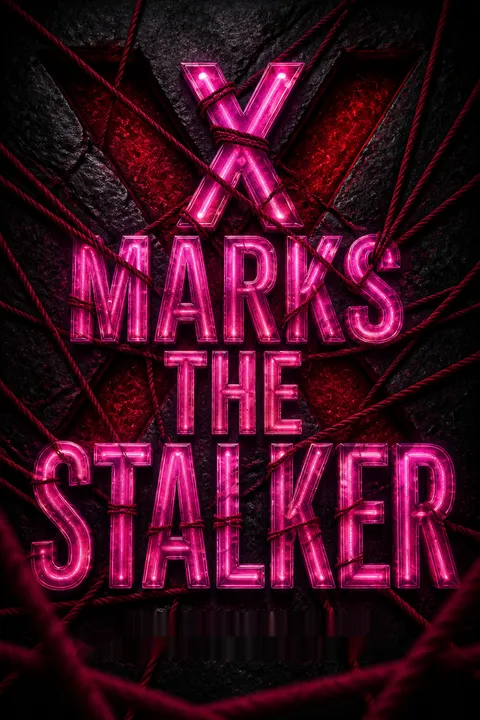

Plot Summary
Bloody Beginnings
Xander's predawn cleanup at a Boston gallery is an operatic mess of blood, nerves, and precise teamwork gone wrong. Klein, a predatory art dealer, is dead—remnants of his organs splattered as chaotic art. Calloway, the killer-artist, is unfazed, leaving Xander to remove hidden cameras before evidence ties back to them. But it's the unexpected arrival of Oakley Novak—a journalist with a steel spine and sharp eye—that jolts Xander. He's mesmerized by her ability to catalogue a murder scene with detached obsession, seeing through blood like he does. Even as he evades her, he marks her as different, worthy of obsession. It's only the beginning: a collision of predators on opposing hunts, curiosity sharpening into darker fascination.
Shadows in the Gallery
Armed with little except triple-sour gummy worms and hard-won trauma, Oakley Novak sneaks into a crime scene without a trace of guilt. She's not shocked by mutilated corpses or arterial spray—she catalogs, analyzes, and reconstructs, piecing together the Gallery Killer's narrative. When challenged by a stranger guarding the club's entrance, she's equally quick-witted and improvisational, skating around questions with raw ambition and rawer nerves. Beneath flirtation and investigation lies a suspicion: could her charming "security consultant" be the killer she's chasing? His touch ignites warning bells and impossible temptation, her intellect and trauma colliding with their mutual, magnetic obsession.
The Journalist with Teeth
Xander's "tidy" world collapses with Oakley's arrival. Instead of aborting, he deepens his obsession—breaking into her apartment, reading the traces of her life, even eating her "emotional emergency" KitKats. He surveils everything: research, compulsive snack arrangements, the relentless conspiracy board tying Blackwell to her parents' deaths. Simultaneously, the Hemlock Society's secret cabal meets beneath Boston's surface for a murderer's update. Oakley's investigation has not gone unnoticed. Xander defends her, masking concern as clinical interest to the other members. But amid the dark brotherhood, his loyalty starts to fracture—awakening within him the first stirrings of true emotional investment and rebellion.
Surveillance and Serendipity
Xander's surveillance is so obsessive it becomes intimate, and he finds himself emotionally vulnerable for the first time. Oakley, far from victim, uncovers his hidden cameras and confronts his voyeurism with a mixture of anger, amusement, and perverse validation. Their mutual stalking becomes a highly charged form of courtship—each analyzing the other, boundary after boundary falling. Oakley's combination of fearlessness and openness, her willingness to threaten, joke, and outmaneuver Xander at his own twisted game, leaves him both exhilarated and terrified. The balance of power between stalker and prey is forever altered.
Hemlock Society Unveiled
Beneath the city, the Hemlock Society gathers: Thorne, strategist and patriarch of justice; Calloway, artistic sadist; Darius, the legal blade; Lazlo, the manic paramedic; Ambrose, the ex-soldier. Here, murder is therapy, art, and penance—each member chasing personal compulsions within strict codes. News of Oakley's proximity to the Gallery Killer brings panic and intrigue. As the inner circle debates how to handle Oakley—deny, destroy, or observe—Xander finds himself her fiercest defender. The cabal debates method, meaning, and risk, the line between justice and pathology as sharp as their weapons.
Stalker's Rules, Lover's Compulsion
Xander's fixation with Oakley morphs into a self-appointed mission of safeguarding: better stalking, safer locks, illicit meals left behind. His methods are invasive, but his goal is clarity and control—both of Oakley and his own humming compulsions. When Oakley's investigation into Blackwell unearths deeper, fatal secrets, both face threats from outside: Blackwell's henchmen, crooked cops, and the inescapable legacy of murder. Amid escalating danger, the psychic violence of childhood and parents lost to corruption drives them together, love-language translated as foot chases, late-night candy, and meticulous violence.
Trauma, Twine, and Twizzlers
Oakley's world collapses further as Blackwell's men murder her source, steal her mother's locket, and send her spiraling into rage. Her "murder board" becomes an altar of vengeance—photos, strings, and X-marked traitors. Even as tears and fear threaten to undo her, she refuses to be cowed. Xander, watching her unravel, is drawn more fiercely to her pain and tenacity. His decision to protect her—even at the cost of Society protocol—signals love disguised as psychosis, and a partnership forged in trauma and fury rather than sweet words or gentle promises.
Codependence in Chaos
Hunted, battered, and stripped of her last keepsake from her mother, Oakley collapses in Xander's arms. His clinical distance vanishes; he patches her wounds with true tenderness. Amid pain and emotional collapse, Oakley makes her plea: she wants Blackwell dead, not for justice, but vengeance. Xander wavers, rules torn asunder by love he doesn't understand. He must choose: kill for her, or let her perish. The chapter is a crucible—where their bond is tempered by blood, building erotic tension around trust forged in nightmare and need.
Unmasking the Predator
As Oakley's wounds fade, her will hardens. Joined by Xander and the Hemlock Society, she turns her formidable investigative talents to dismantling Blackwell's empire. The group's vote is split—eliminate him, or preserve their secrecy? Oakley pushes them beyond ethical hesitancy, her single-mindedness both chilling and inspiring to the Society. A plan takes shape: trigger Blackwell's panic, isolate him in his fortress, and make justice both spectacle and warning. Xander's compulsion to protect collides head-on with Oakley's drive to avenge.
Murder Board Romance
As battle lines are drawn, Oakley and Xander's relationship shifts into strange romance—one spiced with knife play, error-filled double-crosses, and unexpected tenderness. The psychic violence of their shared history transitions into erotic intensity. They become mirrors—each seeing, desiring, and matching the other's darkness. Their partnership is cemented not by trust, but by proven loyalty at the sharpest possible cost.
Panic Room Revelations
Blackwell's impenetrable penthouse is the crucible for bloody resolution. Oakley and Xander, hiding within a panic room, reveal secrets: Oakley's vengeance is more than justice; Xander's love more than obsession. When Blackwell enters, the roles invert—prey becomes predator. Together, Oakley and Xander orchestrate the ultimate reckoning, literalizing Oakley's "murder board" as they nail evidence to living flesh, mark him, and carve catharsis from his screams.
The Art of Vengeance
Blackwell's death is neither clean nor pretty—every wound, every photo, every thread a narrative device, nestling brutality within art. The Hemlock Society's "performance" transforms corporeal violence into a gallery of crimes exposed—justice and suffering displayed for the world. The act is less a killing than an exorcism, as Oakley and Xander declare not only the facts but the meaning: a vengeful love letter to the city, and to each other.
Inheritance of Darkness
With Blackwell dead, Oakley faces an identity crisis. Her purpose was revenge—now, with the case finally acknowledged, her father's name cleared, and the conspiracy exposed, emptiness threatens to swallow her. Hemlock Society offers her a seat at their obsidian table. Each member confesses their need: for blood, for justice, for art, or for order. Oakley confronts her own motivations—fear, fury, love, and belonging. The lure of a new family—dark but honest—clashes with the remnants of her conscience.
Resurrection by Blood
When Xander becomes imprisoned in Blackwell's vault, the Hemlock Society must decide: risk everything for their own, or obey their cardinal rule and abandon him? Oakley's refusal to abandon Xander—her willingness to beg, threaten, or bleed for his rescue—breaks Society protocol. Through chaos, subterfuge, and near-death, love and loyalty reshape what it means to belong, what it costs to choose another over yourself.
Death as Declaration
Blackwell's corpse triggers a domino effect: corrupt officials fall, the official narrative for Oakley's parents is reversed, and public mourning turns to vindication. Oakley tastes the satisfaction of exposure rather than violence, her parents' names restored not by confession but by spectacle. The murder serves dual purpose—punishing past evil and illuminating lingering injustice. Even in victory, the question lingers: does the craving for justice ever truly go away? And if not, is there peace in the shadow's embrace?
Extraction Under Fire
The city, its institutions, and its elites begin to reel from Blackwell's murder. Law enforcement, criminals, and the media all look for scapegoats. The Hemlock Society, expert at erasure, must cover its tracks, burning documents and suborning evidence even as its members entertain doubt—and jealousy—over Xander's loyalty and Oakley's role. Trust is bought one drop of blood at a time. Oakley's capacity for improvisation, compassion, and darkness puzzles her new "family," even as she chooses—again and again—not just survival, but each other.
Predators' Vote
The Hemlock Society votes on Oakley's invitation for full membership. What is it to kill out of need, versus justice, versus love or revenge? Can Oakley belong, if her compulsion is not primal but circumstantial? For most, murder is necessary translation of inner pain; for Oakley, it was an endpoint. In the ritual, she finds agency and loss, solidarity and doubt—a place in the darkness, but perhaps only as its chronicler, not its avatar.
Love in the Obsidian Chamber
In the aftermath, Oakley and Xander attempt something approaching normality—a shared apartment, chocolate organized by crisis level, arguments over snack taxonomies, bad secrets folded into domestic routines. Love, here, is neither safe nor redemptive: it is precise, honest, forgiving, and laced with danger. Together, they are something other than whole—wounded, obsessive, honest, and inextricably interwoven—and it is enough. The predator and the prey, observer and observed, inhabit a peace forged in blood, laughter, and the promise of a future neither ever expected.
Analysis
What is love, if not shared monstrosity?X Marks the Stalker is as much a satire of the romantic suspense genre as an acute psychological study of trauma, justice, and affinity in a world where institutions have failed. The novel asks: What happens when systems built to protect, fail the innocent—and what emerges from that vacuum? The answer is a fractured, codependent, and surprisingly tender partnership between two wounded souls. Xander and Oakley's romance is built not on the fantasy of rescue but on mutual complicity and shared darkness—each brings out the survivor and the monster in the other, and only in that recognition can they be whole. The violence is both literal and metaphorical: a tool for survival, a theatre for intimacy, and ultimately, an act of truth-telling more honest than the lies they were raised to believe. The Hemlock Society complicates the morality—justice is not merely retribution, but community, however damaged. In the end, the lesson is uncompromising: love and belonging are worth the risk, even if the price is your own soul, and even the most broken among us can forge connection in the shadows—if they dare to see, and be seen, without blinking away from the blood.
Review Summary
X Marks the Stalker receives mostly positive reviews, averaging 4.1/5 stars. Readers love the sharp banter, dark humor, and chemistry between Xander and Oakley, frequently comparing it to Butcher and Blackbird and Lights Out. Many praise the balance of comedy, darkness, and spice, highlighting Xander's charming yet unhinged personality and Oakley's candy obsession. The audiobook narration also receives strong recommendations. Common criticisms include pacing issues, inconsistencies, underdeveloped backstory, and a need for stronger editing.
People Also Read





Characters
Oakley Novak
Oakley is a crime journalist whose obsession with justice is born of intimate loss: her detective father and psychologist mother were murdered and framed in an intricate criminal conspiracy. Oakley's psyche is a battleground—equal parts rational investigator, traumatized daughter, and avenger. Her compulsion for truth manifests in compulsive investigation (the infamous "murder board"), nocturnal stakeouts sustained by candy, and emotional detachment from her own safety. Oakley's "relationship" with fear is paradoxical—she thrives on risk, resists rescue, but craves belonging. Her connection with Xander is fraught: part mutual obsession, part trauma bond, part sexual awakening. Her development is shaped by learning to accept comfort without relinquishing power, her capacity for violence rising in tandem with her longing for family—a tension that ultimately defines, and limits, her place in the Hemlock Society.
Xander Rhodes
Xander exemplifies a clinical compulsion turned devotion. His genius is in organization, paranoia, and technological omniscience—traits twisted by a childhood of neglect and emotional isolation. He is both predator and caregiver: surveilling potential threats, eliminating toxic people, and ultimately breaking all his own protocols to protect Oakley. His "love language" is tactics, but beneath his measured surface is a deep hunger for acceptance and purpose. The arc of Xander's development is from detachment to attachment—not the easy comfort of romance, but the messy, terrifying trust that comes from exposing one's monstrousness to another. With Oakley, he finds not only a partner in vengeance, but an equal, someone who thrives on the knife edge of shadow.
Thorne Ravencroft
Thorne is the Hemlock Society's founder—a titan of Boston's elite, adept at both philanthropy and assassination. His code is strict, his vision nearly priestly: justice must be dispensed for those failed by institutions. He presents as cold, severe, endlessly competent, but his hidden tenderness (subtle acts for Oakley, backdoor support for friends) reveals a core of longing, perhaps regret. Thorne's role is to set, test, and sometimes break the rules—his approval both a currency and a curse to those within his orbit.
Calloway Frost
Calloway's murders are elaborate, aesthetic marvels—art installations in blood and flesh, staged for maximum horror and beauty. His relationship to violence is erotic and performative; he is vain, flamboyant, obsessed with legacy and effect. With Oakley, he sees both a critic and a protégée—her intelligence and fearlessness are aphrodisiac and threat. Beneath his flamboyance is fragility: an artist who dreads insignificance more than capture, masking pain behind showmanship and gallows humor.
Lazlo Vega
The Society's medical mind, Lazlo oscillates between paranoid hypochondria and scalpel-sharp ruthlessness. He's the group's paramedic, expert in toxins and pain, simultaneously terrified of death and eager to dance at its edge. Smart, impulsive, and loyal, he handles the practicalities of bloodletting and body disposal while longing for—yet fearing—true acceptance. His teasing and black humor conceal a heart that breaks easily, especially when Oakley's pain threatens the group's unity.
Darius Evers
Darius is the Society's lawyer and ethical scalpel. Cool, methodical, and dryly funny, he orchestrates the paper trails and alibis that keep the group invisible to law enforcement. His motivations are less emotional than technical: he values order, closure, the logic of elegant solutions. Darius respects Oakley's intelligence and doggedness, oscillating between brotherly mentorship and impish provocation. Underneath the urbane confidence lies a ferocious loyalty to the family he chose.
Ambrose (last name unconfirmed)
Ambrose provides the military expertise—security, tactics, tactical oversight. He exists in the group's background, quiet and calm, trusted for planning and last resorts. Embodying restraint and discipline, he rarely betrays emotion, but his "Delta Force" persona veils deep insecurity about his value beyond violence. Ambrose's dynamic with Oakley is one of silent judgment—respect for her nerve but skepticism of her cost to the group's secrecy.
Blackwell
Richard Blackwell is Boston's puppetmaster—wealthy, charming, utterly amoral. His hands are clean by outward measure, but every layer of his empire is greased by exploitation, manipulation, and murder. Blackwell's power lies in his ability to orchestrate the narratives—smearing Oakley's family, buying officials, making threats reality. Paranoia is his final act; no matter how many layers he builds, his fortress becomes his tomb. His death by Oakley and Xander's hands is both justice and a display for the world, marking the end of an age and the beginning of Oakley's transformation.
Zara Phillips
Zara grounds Oakley—loyal, cheerful, quick-witted, and possessed of a passionate sense of justice for her family and friends. The daughter of immigrants, a tenacious entrepreneur and perpetual optimist, she represents the "safe" life Oakley can never quite rejoin. Through Zara, Oakley retains her capacity for joy, regret, and softness. Their friendship survives the shadow world, offering hope that even monsters can long for a home.
Oakley's Parents (Sean and Katherine Novak)
The murdered—one cop, one psychologist, both justice-seekers—haunt Oakley's every choice. Their deaths symbolize institutional failure and its cost, but their practice of compassion and integrity survive in Oakley's refusal to become only revenge. Their legacy is tenacity, analysis, and loving honesty, providing Oakley the spiritual armor to survive among those for whom death is a vocation.
Plot Devices
Dual Perspective, Subverted Romance
The narrative alternates sharply between Xander (clinical, methodical, obsessive) and Oakley (raw, emotional, analytical), allowing the reader to see duplicity, coincidence, and desire from both sides. This creates sexual tension and suspense—not just "will they catch each other," but "will they catch themselves" in intimacy or destruction. The shifting power dynamic—Oakley as prey, then as predator—keeps the reader off balance, echoing their own inability to predict emotional or ethical outcomes.
Found Family and Ritual Structure
The Hemlock Society, with its secret meetings, codes, votes, and initiation rituals, functions as both cult and surrogate family. Membership is conditional but emotionally meaningful—each ritual vote, shared drink, and task reinforces the bonds of belonging while also setting the stage for betrayal or tragedy. The table, the murder boards, the ceremonial "marks" on victims, are all literal and figurative symbols of the power of chosen kinship, for better or worse.
Evidence Boards, Red String, and Narrative Mapping
The murder boards and red threads function as narrative structure—a way to map the conspiracy, to make sense of trauma, to turn the mess of loss and injustice into a story with beginning, middle, and end. Inverting this, the murder board transforms into a literal tableau as evidence is nailed to Blackwell's corpse—a grisly merging of truth and violence, journalism and murder.
Violence as Communication, Sexual and Otherwise
Physical violence is always tied to emotional subtext—knife play, restraint, punishment, and comfort all merge to create true vulnerability. The couples' sexual exchanges are less about dominance than about trust, about seeing and being seen in extremity. Pain, in this story, is not opposite to love; it is its delivery system.
Self-Referential Humor, Satire of Genre
The novel is acutely aware that it is fiction—a dark romantic comedy that lampoons its own themes, tropes, and content warnings. Oakley and Xander use gallows humor, Oakley's asides about Twizzlers and therapy, Darius's dry aphorisms, and Calloway's artistic pretensions all serve to keep the tone buoyant even as the body count rises. The meta-narrative playfully mocks reader expectations—reminding us that what's thrilling on the page is often monstrous in the world.

Download PDF
Download EPUB
.epub digital book format is ideal for reading ebooks on phones, tablets, and e-readers.








































