
Plot Summary
Red Flags and Steak Knives
Isabella Russo's life is a careful balancing act between her demanding retail management job and a relationship that's slowly eroding her self-worth. Her boyfriend, Evan, is a master of subtle cruelty—controlling her food, her body, and her confidence with a steady drip of condescension and neglect. At a celebratory dinner for her promotion, Evan's indifference and body-shaming are on full display. Isabella's family, a boisterous Italian clan, sees through Evan's facade, but she stays—afraid of being alone, convinced by Evan's gaslighting that she's unlovable. The night ends with a stranger's gaze across the restaurant—a man who sees her, really sees her, for the first time in years. That look plants a seed of longing and possibility that will change everything.
The Man Who Watches
Callahan Knight, ex-military and new head of security at Monarch, is a man defined by vigilance and loss. He's hired to fix the store's security problems, but he's instantly drawn to Isabella—the woman he watched at the steakhouse. Callahan's own history is marked by betrayal and abandonment, making him wary of attachment. Yet, Isabella's vulnerability and strength captivate him. He researches her, learns her patterns, and becomes quietly obsessed. His protective instincts are triggered by the way Evan treats her, and he resolves to keep her safe—even if it means crossing lines. Callahan's watchfulness is both literal and emotional, setting the stage for a collision between his need to protect and Isabella's need to be seen.
If She Falls, I'm There
Isabella and Callahan's professional lives intertwine as they work together to secure Monarch against rising theft. In the store, Isabella is confident and respected, a stark contrast to her shrinking self at home. Callahan is impressed by her competence and the loyalty she inspires in her team. Their interactions are charged—Callahan's steady presence and unwavering attention make Isabella feel safe and noticed. He witnesses the microaggressions and outright harassment she endures from clients and colleagues, fueling his protective obsession. Their partnership deepens, blurring the lines between professional and personal, as each becomes the other's anchor in a world that feels increasingly unstable.
Trauma Served Family-Style
Isabella's family is loud, loving, and intrusive—a source of both comfort and pressure. Sunday dinners are battlegrounds of affection and expectation, with her mother and Nonna pushing for marriage and grandchildren, and her brothers ready to fight anyone who hurts her. The family's concern for Isabella's happiness is genuine, but their methods are suffocating. These gatherings highlight the contrast between the unconditional love of family and the conditional, transactional love she receives from Evan. The family's warmth and chaos are both a refuge and a reminder of what Isabella is missing in her romantic life.
Security Breach, Heart Breach
As Monarch faces escalating security threats, Callahan's skills are put to the test. He uncovers evidence of organized crime targeting the store, and his investigation reveals that the danger is closer than anyone realizes. Meanwhile, Isabella's emotional defenses are breached by Callahan's unwavering support. He brings her food, insists she rest, and listens without judgment. Their connection deepens through shared vulnerability—Callahan reveals his own heartbreak, and Isabella confesses her fears and insecurities. The store's physical vulnerabilities mirror Isabella's emotional ones, and Callahan's promise to protect her becomes both literal and symbolic.
AI Boyfriend, Real Obsession
Amanda, Isabella's irrepressible best friend, introduces her to Obsess AI—a customizable digital boyfriend app. Isabella, skeptical but curious, creates "Caleb," an AI modeled after Callahan's looks and personality. The AI's attentive, possessive, and supportive messages become a lifeline, offering Isabella the validation and desire she craves. Unbeknownst to her, Callahan hacks the app, becoming the real "Caleb" behind the screen. Their digital conversations grow increasingly intimate, allowing Isabella to explore her fantasies and reclaim her sexuality. The line between fantasy and reality blurs, as both Callahan and Isabella use the AI as a safe space to express what they can't say face-to-face.
The Not-Bread Bread Fiasco
Evan's control escalates—he takes Isabella to a health food restaurant, publicly shames her for wanting bread, and reveals he's hired a nutritionist to "fix" her. The dinner is a breaking point, crystallizing everything wrong in their relationship. Isabella's humiliation and anger simmer beneath the surface, but she still struggles to leave. The incident is a catalyst, forcing her to confront the reality of Evan's emotional abuse and the toll it's taken on her self-worth. Callahan, watching from afar, is enraged by Evan's treatment of Isabella and becomes even more determined to protect her.
Breaking Points and Broken Glass
Isabella finally ends things with Evan, but he reacts with violence—attacking her in her office, intent on reclaiming control. Callahan, monitoring the security feeds, intervenes just in time, physically subduing Evan and rescuing Isabella. The aftermath is raw—Isabella is shaken but refuses to be a victim. She leans on Callahan, who cares for her with tenderness and respect, helping her reclaim her sense of safety and agency. The incident is a turning point, shattering the last remnants of Evan's hold over her and solidifying Callahan's place as her protector and partner.
Trauma Bonding and Tequila
Recovery is messy—Isabella takes time off work, supported by Amanda and Callahan. Amanda's irreverent humor and fierce loyalty provide comic relief and emotional ballast. Callahan's presence is steady and nonjudgmental, giving Isabella space to heal at her own pace. Their relationship deepens through shared vulnerability, late-night conversations, and the slow rebuilding of trust. The trio forms a chosen family, each bringing something essential to Isabella's recovery—Amanda's laughter, Callahan's strength, and Isabella's own resilience.
The Striptease of Self-Worth
As Isabella heals, her relationship with Callahan becomes more physical—but always on her terms. Through both real and AI-facilitated intimacy, she learns to see herself as desirable and worthy. Callahan's praise and worship of her body counteract years of shame and self-doubt. Their sexual connection is transformative, allowing Isabella to reclaim her pleasure and agency. The striptease—literal and metaphorical—becomes a symbol of her journey from self-loathing to self-love, from object to subject, from controlled to in control.
When Fantasy Becomes Flesh
The truth about Caleb comes out—Isabella realizes Callahan has been her AI boyfriend all along. Instead of anger, she feels relief and amusement, recognizing that the man she fell for in fantasy is the same one she loves in reality. Their relationship is finally consummated, a culmination of weeks of longing, trust-building, and mutual obsession. The sex is intense, cathartic, and affirming—a physical manifestation of everything they've built together. For the first time, Isabella feels truly seen, desired, and loved.
Family Dinner, Mafia Edition
Callahan meets Isabella's family at Easter dinner—a riotous, chaotic affair full of food, laughter, and thinly veiled threats. Her brothers test him, her mother prays for grandchildren, and her Nonna pinches his biceps. Callahan navigates the gauntlet with humor and grace, earning the family's grudging respect and eventual acceptance. The dinner is a celebration of survival, love, and the messy, beautiful reality of chosen and blood family. Isabella, finally free from Evan's shadow, claims her place at the table as a woman loved for exactly who she is.
Kidnapped by the Past
Just as Isabella and Callahan settle into their new life, the past resurfaces—Evan, revealed as the inside man for the organized crime ring, kidnaps Isabella in a last-ditch effort to regain control. The abduction is brutal, but Isabella refuses to be a victim. She fights back, using everything she's learned about herself and her strength. Callahan, with Amanda's unexpected help (and her pink Glock), tracks Isabella down, unleashing his full protective fury. The rescue is violent and cathartic, a final reckoning with the monsters of the past.
Amanda's Glock, My Rage
Amanda emerges as an unexpected hero—resourceful, fearless, and armed. Her loyalty to Isabella is unwavering, and her willingness to do whatever it takes to protect her friend is both hilarious and moving. The rescue is a team effort, blending Callahan's tactical skills with Amanda's chaotic energy. Together, they dismantle the criminal operation, ensuring Evan and his accomplices face justice. The chapter is a celebration of female rage, friendship, and the power of women who refuse to be victims.
Monsters Don't Make Me Cry
With Evan arrested and the crime ring exposed, Isabella faces the final hurdle—testifying against her abuser. Supported by Callahan and Amanda, she finds the courage to speak her truth, reclaiming her narrative and ensuring Evan can't hurt anyone else. The process is painful but necessary, a final act of agency and self-advocacy. Isabella emerges stronger, no longer defined by her trauma or her past. She doesn't cry over monsters anymore—she defeats them.
The Truth About Caleb
Callahan confesses everything—his surveillance, his role as Caleb, his obsession. Isabella, far from angry, is amused and touched, recognizing that his actions came from love and a desire to protect. Their relationship is built on honesty, mutual respect, and a shared understanding of darkness and light. They forgive each other's flaws, embrace each other's scars, and choose each other—again and again.
I Love You, Mid-Thrust
Their relationship, now free of secrets, is passionate, playful, and deeply loving. They make each other laugh, challenge each other, and support each other through everything. The sex is as intense as the emotions—sometimes sweet, sometimes filthy, always affirming. Callahan says "I love you" mid-thrust, and Isabella laughs, knowing she's finally found the kind of love that's both safe and wild. Their happily ever after is unconventional, a little bit stalker-y, and absolutely perfect for them.
Happily Ever After, Stalker-Style
The story ends with Isabella and Callahan's wedding—a celebration of survival, love, and the power of choosing each other. Their family, both blood and chosen, surrounds them. The past is behind them, but the lessons remain: love is not about control, but about seeing and being seen, protecting and being protected, choosing and being chosen. Their happily ever after is messy, passionate, and uniquely theirs—a testament to the fact that sometimes, the best love stories are the ones that break all the rules.
Analysis
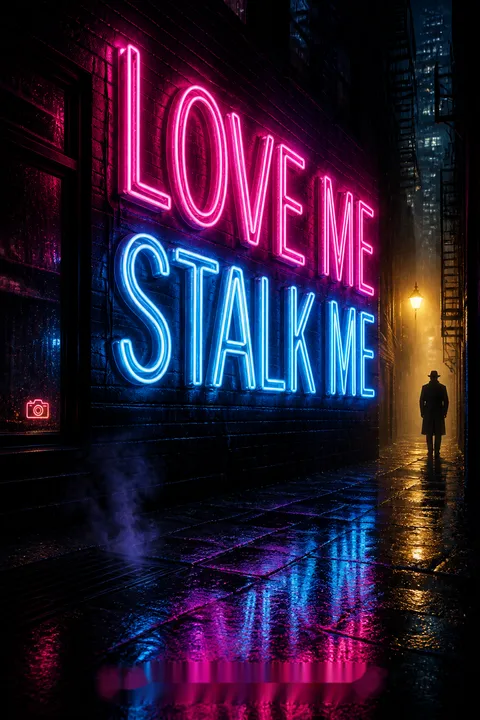
A modern romance about reclaiming agency, rewriting narratives, and loving without apologyLove Me Stalk Me is a darkly funny, fiercely feminist exploration of trauma, obsession, and the messy, beautiful process of healing. At its core, the novel is about the power of being seen—truly seen—by another person, and the courage it takes to see oneself as worthy of love and pleasure. Through Isabella's journey from self-doubt to self-acceptance, the story interrogates the ways women are taught to shrink themselves, to apologize for their desires, and to settle for less. Callahan's obsessive protectiveness is both a fantasy and a critique, challenging the line between devotion and control, safety and surveillance. The use of AI as both mirror and catalyst reflects contemporary anxieties about intimacy, technology, and authenticity. Ultimately, the novel insists that love is not about fixing or saving, but about choosing—again and again—to show up, to fight, and to believe in the possibility of happiness after pain. It's a story for anyone who's ever felt invisible, unworthy, or afraid to want more—and a reminder that sometimes, the best love stories are the ones we write for ourselves.
People Also Read




Characters
Isabella Russo
Isabella is the emotional heart of the story—a woman whose journey from self-doubt to self-love is both painful and triumphant. Raised in a loving but pressure-filled Italian family, she internalizes messages about her body and her value, making her vulnerable to Evan's manipulation. As a retail manager, she's competent and respected, but at home, she shrinks under the weight of Evan's criticism. Her relationship with Callahan is transformative—he sees her, protects her, and helps her reclaim her agency. Through therapy, friendship, and love, Isabella learns to set boundaries, demand respect, and embrace her desires. Her arc is one of healing, empowerment, and the reclamation of her narrative.
Callahan Knight
Callahan is a study in contrasts—stoic and intense, yet deeply vulnerable. Haunted by betrayal and loss, he's wary of attachment but unable to resist Isabella's pull. His protective instincts border on obsession, but they're rooted in genuine care and respect. Callahan's military background shapes his worldview—he's methodical, vigilant, and unafraid of violence when necessary. His greatest fear is failing to protect those he loves, a fear that drives both his best and worst decisions. Through Isabella, he learns to trust, to forgive himself, and to accept love without conditions. His arc is about redemption, vulnerability, and the courage to choose happiness.
Evan
Evan is the embodiment of toxic masculinity—charming on the surface, but deeply insecure and controlling underneath. He weaponizes Isabella's insecurities, using subtle and overt tactics to erode her confidence and keep her dependent. His involvement in organized crime is an extension of his need for power and validation. When Isabella tries to leave, his facade crumbles, revealing the violence and entitlement at his core. Evan's arc is a cautionary tale about the dangers of unchecked privilege and the insidiousness of emotional abuse.
Amanda
Amanda is the best friend everyone needs—loyal, irreverent, and unafraid to speak truth to power. Her humor and chaos provide levity in dark moments, but beneath the surface, she's fiercely protective and resourceful. Amanda's willingness to arm herself and storm a warehouse to save Isabella is both hilarious and moving. She represents the power of female friendship, the importance of chosen family, and the necessity of having someone in your corner who will fight for you—literally and figuratively.
The Russo Family (Mama, Nonna, Matteo, Luca, Nico, Dad)
Isabella's family is a character in itself—a whirlwind of food, opinions, and unconditional love. Mama and Nonna embody generational expectations and Catholic guilt, while her brothers are both protectors and tormentors. Their chaos is both a source of stress and a foundation of support. The family's acceptance of Callahan is hard-won but deeply meaningful, symbolizing Isabella's journey from outsider to beloved daughter and sister.
Caleb (AI)
Caleb is both a plot device and a character—a digital boyfriend who becomes a safe space for Isabella to explore her desires and reclaim her sexuality. As Callahan's alter ego, Caleb allows both characters to express what they can't say in person. The AI's unwavering attention and praise help Isabella heal from years of neglect, while the eventual revelation that Caleb is real blurs the line between fantasy and reality, forcing both characters to confront their true feelings.
Monarch Staff (Daniel, Martinez, Harris, Ramirez)
The staff at Monarch are more than background—they're a workplace family that respects and admires Isabella. Their loyalty and competence provide a counterpoint to the chaos of her personal life. They support her through crises, help implement Callahan's security measures, and form a network of care that reinforces the story's themes of community and chosen family.
Organized Crime Ring
The crime ring targeting Monarch is both a literal and metaphorical threat—a manifestation of the dangers lurking beneath the surface of everyday life. Their infiltration of the store mirrors Evan's infiltration of Isabella's life, and their eventual defeat is a triumph of vigilance, teamwork, and courage.
Amanda's AI (Chad)
Chad, Amanda's AI boyfriend, is a hilarious counterpoint to Caleb—an exaggerated, fuckboy version of digital desire. His presence highlights the absurdity and potential of AI relationships, providing both comic relief and a commentary on the ways technology shapes our fantasies and expectations.
Chad the Cop
Chad the Cop, Amanda's police escort, is a minor character with major potential—a symbol of new beginnings and the possibility of love after chaos. His presence at the end hints at Amanda's own romantic arc and the ongoing story of healing and hope.
Plot Devices
Dual Narration and Perspective Shifts
The novel alternates between Isabella and Callahan's perspectives, allowing readers to experience both the vulnerability of being watched and the intensity of watching. This dual narration deepens the emotional resonance, providing insight into each character's fears, desires, and motivations. The shifting perspectives also create dramatic irony—readers know more than either character alone, heightening tension and anticipation.
Foreshadowing and Symbolism
The story is rich with foreshadowing—early warnings about Evan's behavior, hints of Callahan's obsession, and the recurring motif of being watched. Symbols like Callahan's dog tags, the rosary, and the AI app represent trust, faith, and the intersection of fantasy and reality. The use of food (bread, pasta, family dinners) underscores themes of nourishment, deprivation, and belonging.
The AI Boyfriend as Mirror and Catalyst
Obsess AI is more than a gimmick—it's a narrative device that allows Isabella to explore her desires safely, reclaim her sexuality, and build confidence. The AI's responses, secretly controlled by Callahan, mirror and amplify the real relationship, blurring the line between fantasy and reality. The eventual revelation that Caleb is real forces both characters to confront their true feelings and the ethics of surveillance and obsession.
Trauma and Recovery as Narrative Arc
The plot is structured around Isabella's journey through trauma—emotional abuse, physical violence, and abduction—and her recovery. Each crisis is both a setback and an opportunity for growth, forcing her to confront her fears, set boundaries, and reclaim her agency. The story doesn't shy away from the messiness of healing, but it insists on hope, humor, and the possibility of love after pain.
Family and Friendship as Counterpoint
Isabella's family and Amanda provide both comic relief and emotional ballast. Their chaos and unconditional love contrast with Evan's control and Callahan's intensity, grounding the story in a world where survival is a team effort. The family dinner scenes, in particular, serve as both battleground and sanctuary, highlighting the importance of community in healing and happiness.
Violence and Rescue as Catharsis
The novel's climactic scenes—Evan's attack, Isabella's abduction, and the warehouse rescue—are both literal and metaphorical battles. The violence is cathartic, allowing characters (and readers) to release pent-up rage, fear, and grief. The rescue is a team effort, blending Callahan's tactical skills with Amanda's unexpected badassery, and culminating in Isabella's own act of defiance and closure.
Humor and Self-Awareness
Despite its heavy themes, the novel is laced with humor—Amanda's one-liners, family chaos, and the absurdity of AI boyfriends. The characters are self-aware, often commenting on the tropes and clichés of romance and suspense. This meta-narrative keeps the story grounded, relatable, and emotionally accessible, ensuring that the darkness never overwhelms the light.
Download PDF
Download EPUB
.epub digital book format is ideal for reading ebooks on phones, tablets, and e-readers.








































