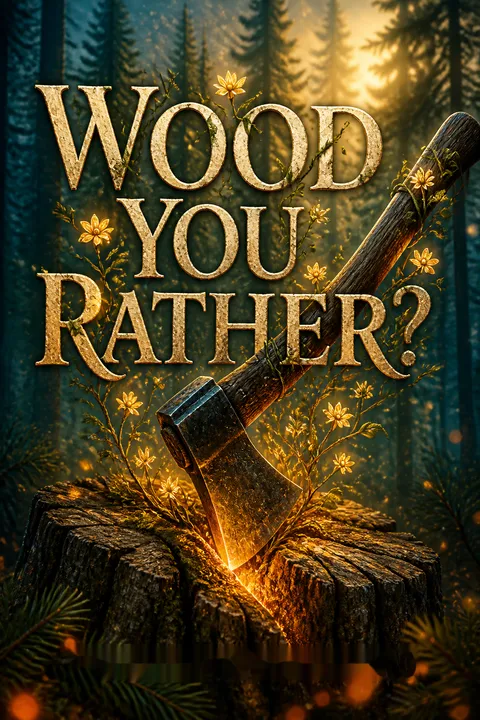

Plot Summary
Broken Chair, Broken Trust
Parker, a former state police detective turned struggling PI, is introduced in a moment of slapstick defeat—her chair breaks, coffee spills, and her pride is bruised. Enter Pascal "Paz" Gagnon, the man she blames for the end of her law enforcement career. He's desperate: his father's death, once ruled an accident, now looks like murder. He wants Parker to investigate, but she's resistant, still angry over their shared past. Their banter is sharp, laced with old wounds and unresolved tension. Yet, beneath Parker's sarcasm and Paz's arrogance, a flicker of empathy and curiosity ignites. The case, and the man, are hard to refuse.
The Case That Ruined Me
Parker's life is in limbo, living in her best friend Liv's crumbling mansion, working thankless PI jobs, and nursing wounds from her forced exit from the police. Liv, ever the supportive friend, encourages Parker to take Paz's case, seeing it as a chance for redemption and excitement. Parker's pride and trauma from her father's emotional abuse and the infamous case that ended her career weigh heavily. But the lure of a real mystery—and the chance to prove herself—begins to outweigh her reluctance. The emotional stakes are set: this is about more than just a paycheck.
Dinner, Dimples, and Deals
Paz and Parker meet for dinner, where business and attraction blur. Their conversation is a dance of mutual challenge and reluctant admiration. Paz lays out the dangers and complexities of the timber industry, the family's suspicions, and the web of drug trafficking that may have led to his father's death. Parker's investigative instincts are piqued, but so is her irritation at Paz's privileged, controlling demeanor. Yet, as they spar, a grudging respect forms. By the end of the meal, Parker agrees to take the case, setting the stage for a partnership fraught with history and heat.
Family Secrets and Fake Love
Paz's siblings—each scarred by loss and suspicion—gather to strategize. The Gagnons are tight-knit but wary, their trust hard-won. To protect the investigation and Parker's cover, they hatch a plan: she'll pose as Paz's girlfriend. The idea is both practical and mortifying, especially for Paz, who values his solitude and hates pretense. But the family's need for answers trumps discomfort. The fake relationship is agreed upon, and Parker is to move into Paz's stark, empty farmhouse. The emotional cost of vulnerability and the weight of family expectations loom large.
Cover Stories and Packing Fears
Parker, with Liv's help, crafts her cover story: she's a bestselling author researching her next book. Packing becomes a metaphor for her anxieties—about the case, about living with Paz, about her own worth. Liv's irreverent humor and unwavering support bolster Parker's resolve. Meanwhile, Paz's sister Adele warns him not to get involved with Parker, highlighting the family's fear of more heartbreak. Both Parker and Paz are forced to confront their patterns of self-sabotage and the possibility of change.
Sibling Warnings and Old Wounds
Adele and Paz share a rare moment of honesty, revealing their mutual feelings of being outsiders in their own family. Adele's warning—don't sleep with Parker—underscores the risk of mixing business and pleasure. Paz's anxiety and need for control are laid bare, as is his deep-seated guilt over his father's death and his own perceived failures. The siblings' love is fierce but complicated, and the investigation threatens to dredge up old wounds.
Arrival in Lovewell
Parker arrives in Lovewell, greeted by Paz's unexpectedly homey farmhouse and the stark beauty of the Maine woods. The town is insular, suspicious of outsiders, and Parker's presence is immediately noted. Paz, in flannel and jeans, is a far cry from the finance bro she remembers, and the tension between them simmers. As they settle into their roles—fake couple, investigator and client—the lines between pretense and reality begin to blur. The emotional stakes rise as Parker is drawn into the rhythms of small-town life and the Gagnon family's pain.
Small Town, Big Eyes
Parker and Paz make their public debut at the local diner, where every eye is on them. The town's gossip mill is relentless, and Parker's cover as a writer is put to the test. She quickly learns the importance of fitting in—and the dangers of standing out. The Heberts, the Gagnons' rivals, are introduced, their animosity palpable. Parker's empathy for Paz grows as she witnesses the weight he carries for his family and community. The emotional isolation of both characters is highlighted, even as they begin to find connection in each other.
Gym Gossip and Rivalries
Parker seeks solace at the local gym, where she overhears talk of drugs and meets Adele, Paz's formidable sister. The gym becomes a microcosm of the town's dynamics—alliances, rivalries, and unspoken histories. Adele's animosity toward the Heberts is fierce, and Parker learns that the family feud runs deep. The investigation gains new leads, and Parker's sense of purpose is reignited. Yet, the emotional toll of being an outsider—and the growing attraction to Paz—remains ever-present.
Office Politics and Family Ties
Parker immerses herself in the workings of Gagnon Lumber, meeting employees and uncovering layers of loyalty, resentment, and hidden agendas. Ellen, the office matriarch, becomes an invaluable source of gossip and history. The complexities of the timber business—and the dangers of the roads—come into focus. Parker's respect for the Gagnons deepens, even as she uncovers potential suspects and motives. The investigation is both professional and personal, and the stakes are higher than ever.
Bonfire Bonds and Old Grudges
At the town bonfire, Parker witnesses the Gagnon family's place in the community—and the ever-present threat of the Heberts. The fake relationship with Paz becomes more real as they navigate public scrutiny and private longing. Old wounds are reopened, and new bonds are formed. The emotional landscape is fraught, with jealousy, protectiveness, and vulnerability all in play. The bonfire becomes a crucible, forging deeper connections and setting the stage for the challenges ahead.
Kitchen Wars and Water Fights
Living together brings Parker and Paz's differences—and chemistry—to the fore. Their bickering escalates into playful water fights and accidental intimacy. The boundaries between fake and real blur further, culminating in a passionate, vulnerable night together. Yet, the aftermath is fraught with confusion and fear—of getting hurt, of losing control, of wanting more than either is willing to admit. The emotional stakes are now deeply personal.
Jealousy at Duck, Duck, Moose
At the local bar, Parker's jealousy flares as Paz is surrounded by admirers. Their fake relationship is tested by real emotions, and the town's scrutiny intensifies. Rivalries—both romantic and professional—come to a head, and Parker's investigative instincts are sharpened by the drama. The night ends with a charged, intimate moment, underscoring the depth of their connection and the risks they're both taking.
Axe Lessons and Shirtless Rivalry
Parker joins the Gagnon siblings for a wood-chopping session, where competition and camaraderie collide. The physicality of the work—and the sight of shirtless lumberjacks—heightens the sexual tension between Parker and Paz. The family's traditions and rivalries are on full display, and Parker is both outsider and insider, drawn deeper into their world. The emotional stakes are physicalized, as attraction and vulnerability intertwine.
Migraine, Memories, and Care
Parker is sidelined by a debilitating migraine, and Paz steps in to care for her. The experience strips away their defenses, revealing raw vulnerability and deepening trust. Paz's anxiety and need for control are juxtaposed with Parker's fierce independence. Their roles shift—caretaker and cared-for, protector and protected—and the emotional intimacy between them grows. The fear of loss, both past and present, is palpable.
Camp Clues and Missing Links
Parker's investigation leads her to the Gagnon logging camp, where she uncovers new clues and connections. The web of suspects expands, and the possibility of betrayal within the Gagnon circle becomes real. The emotional toll of the case—and the danger it poses—intensifies. Parker's determination is matched by Paz's fear for her safety, and their partnership is tested by the risks they must take.
Stakeout, Moose, and Mayhem
A stakeout at a trailer park turns chaotic when a moose interrupts, and Parker and Paz narrowly escape both wildlife and armed criminals. The absurdity of the situation is matched by the real danger they face. Their teamwork is put to the test, and the adrenaline of the chase brings them closer. The investigation gains momentum, but so does the threat to their lives—and their hearts.
Unraveling the Hebert Web
Parker and Paz connect the dots, uncovering the Heberts' involvement in drug trafficking and the murder of Paz's father. The evidence mounts, but so does the danger. Betrayals are exposed, and the line between justice and revenge blurs. The emotional stakes reach a fever pitch as Parker and Paz must decide how far they're willing to go—and what they're willing to risk—for the truth and for each other.
Kidnapped and Cornered
Parker is kidnapped by the criminals she's been hunting, and Paz is taken as well. Their love and resourcefulness are put to the ultimate test as they fight for survival. The emotional intensity is matched by physical danger, and their trust in each other becomes their greatest weapon. The climax is a desperate, daring escape, with the future of the Gagnon family—and their own lives—hanging in the balance.
Rescue, Revelations, and Recovery
The FBI raids the Hebert compound, rescuing Parker and Paz and bringing the criminals to justice. The aftermath is a whirlwind of relief, gratitude, and reckoning. Family bonds are strengthened, old wounds begin to heal, and Parker and Paz confront the depth of their feelings. The emotional arc comes full circle, from brokenness and mistrust to healing and hope.
Healing, Home, and Happily Ever After
In the aftermath, Parker and Paz must decide what comes next. The case is closed, but their future is unwritten. They choose each other—mess, baggage, and all. The farmhouse becomes a true home, filled with laughter, love, and the promise of new beginnings. The emotional journey ends not with perfection, but with the hard-won joy of two people who have learned to trust, to heal, and to love.
Analysis
A modern romance of healing, justice, and chosen familyWood You Rather? is more than a small-town romantic suspense; it's a nuanced exploration of trauma, trust, and the messy, nonlinear path to healing. Through the intertwined journeys of Parker and Paz, the novel interrogates the ways we sabotage ourselves, the difficulty of breaking free from the past, and the courage required to choose vulnerability over isolation. The fake relationship trope is subverted, becoming a crucible for real emotional growth rather than mere comedic misunderstanding. The setting—both the wild Maine woods and the insular town—serves as a metaphor for the characters' internal landscapes: beautiful, dangerous, and full of secrets. The novel's humor and banter provide relief from its darker themes, but never undercut the seriousness of its emotional stakes. Ultimately, the story argues that love is not about perfection or rescue, but about choosing, every day, to show up for oneself and for others. The lessons are clear: healing is possible, justice is worth fighting for, and family—whether chosen or inherited—is both a source of pain and the foundation for hope.
Review Summary
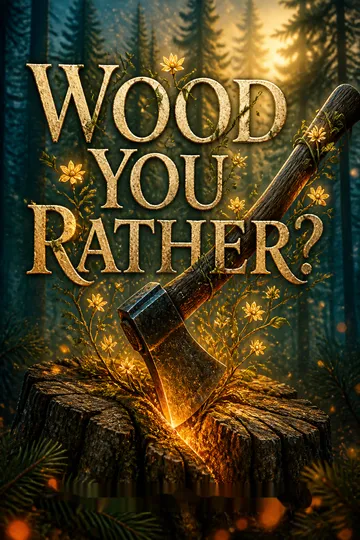
Wood You Rather? is book three in the Lovewell Lumberjacks series, featuring Pascal Gagnon and private investigator Parker Harding. Pascal hires Parker to investigate his father's suspicious death, and they fake-date as cover. Readers praised the enemies-to-lovers dynamic, excellent banter, and spicy romance. Many appreciated Pascal's character development from seeming antagonistic in earlier books to becoming beloved. The book balances suspense with romance, featuring forced proximity, small-town charm, and no third-act breakup. Reviewers loved Parker's strength and wit, and Clive the moose remains a fan favorite.
People Also Read








Characters
Parker Harding
Parker is a former state police detective whose career was derailed by a botched case and a toxic, controlling father. Fiercely independent, sarcastic, and deeply empathetic, she's haunted by past failures and driven by a need for justice. Her relationships are shaped by trauma and a fear of vulnerability, but beneath her tough exterior lies a longing for connection and acceptance. As she investigates the Gagnon case, Parker is forced to confront her own patterns of self-sabotage and the possibility of healing. Her dynamic with Paz is a push-pull of attraction, resentment, and eventual trust, and her journey is one of reclaiming agency and embracing love.
Pascal "Paz" Gagnon
Paz is the CFO of Gagnon Lumber, a man torn between the expectations of his family and his own desires. Haunted by guilt over his father's death and his role in Parker's career downfall, he's a control freak whose anxiety manifests in obsessive preparedness and emotional distance. Yet, beneath the armor, Paz is deeply loyal, sensitive, and yearning for connection. His journey is one of learning to let go—of guilt, of control, of fear—and to trust both himself and others. His relationship with Parker is transformative, forcing him to confront his vulnerabilities and embrace the messy, beautiful chaos of love.
Adele Gagnon
Adele is the family's mechanical genius, running the shop with precision and pride. Tall, strong, and unapologetically herself, she's both a mentor and a protector. Her tough exterior hides deep guilt over her father's death and a fear of never living up to her potential. Adele's relationships are marked by loyalty and a reluctance to show vulnerability, but her bond with Parker and her siblings is a source of strength. She's a symbol of female resilience in a male-dominated world.
Henri Gagnon
The eldest Gagnon sibling, Henri is the heart of the family business and the emotional anchor for his siblings. Grumpy but loving, he's transformed by fatherhood and marriage, finding joy in the chaos of family life. Henri's journey is one of learning to balance responsibility with vulnerability, and his support for Parker and Paz is unwavering. He embodies the values of tradition, loyalty, and quiet strength.
Remy Gagnon
The youngest Gagnon brother, Remy is a pro athlete and the family's wild card. His struggles with addiction and self-worth are counterbalanced by his humor, charm, and deep love for his family. Remy's arc is one of redemption and growth, as he learns to accept help and embrace responsibility. His relationship with his wife Hazel and his siblings is a testament to the power of second chances.
Liv
Liv is Parker's best friend and chosen family, a successful author with a wild imagination and a heart of gold. She provides comic relief, unwavering support, and a safe haven for Parker. Liv's presence is a reminder of the importance of found family and the healing power of friendship. Her own quirks and vulnerabilities mirror Parker's, and her encouragement is instrumental in Parker's journey.
Mitch Hebert
The head of the rival timber family, Mitch is the embodiment of small-town corruption and generational animosity. Charming on the surface but deeply manipulative and cruel, he's driven by greed and a need for dominance. Mitch's actions are the catalyst for much of the novel's conflict, and his eventual downfall is both satisfying and tragic. He represents the dangers of unchecked power and the corrosive effects of old grudges.
Stinger / Norman Bernard
Norman, known as Stinger, is a product of neglect and bad choices, drawn into the criminal underworld by circumstance and desperation. His bravado masks deep insecurity and a longing for belonging. As a henchman in the drug operation, he's both a perpetrator and a victim, and his actions have devastating consequences. Norman's arc is a cautionary tale about the costs of loyalty to the wrong people.
Richard Bernard
Richard is the longtime operations director at Gagnon Lumber and Norman's uncle. Stoic, private, and respected, he's a father figure to many but harbors secrets that complicate the investigation. His loyalty to the Gagnons is genuine, but his connection to Norman and the criminal enterprise raises questions about complicity and the limits of trust. Richard embodies the gray areas of morality in a world where good intentions can lead to bad outcomes.
Ellen
Ellen is the backbone of Gagnon Lumber's administration, a source of wisdom, gossip, and stability. Her long tenure and deep knowledge of the business make her an invaluable ally to Parker. Ellen's warmth and humor provide comfort in a world of suspicion and danger, and her role as a bridge between generations highlights the importance of institutional memory and community.
Plot Devices
Fake Relationship
The fake dating trope is used both as a practical plot device—to protect Parker's cover and facilitate her investigation—and as a means of forcing intimacy and vulnerability between the leads. The pretense blurs into reality, allowing Parker and Paz to confront their fears and desires in a safe, if artificial, context. The device is both comedic and poignant, highlighting the tension between appearance and truth.
Small Town Setting
Lovewell is more than a backdrop; it's a character in its own right. The town's closed ranks, generational feuds, and deep-rooted traditions create both obstacles and opportunities for the investigation. The setting amplifies themes of belonging, legacy, and the difficulty of change. The contrast between the wild, dangerous woods and the warmth of community life mirrors the characters' internal struggles.
Family Legacy and Rivalry
The Gagnon and Hebert families' history of competition and betrayal drives much of the plot. Old wounds and secrets resurface, forcing characters to reckon with the consequences of their ancestors' choices. The legacy of the timber business, with its dangers and rewards, is both a source of pride and a burden. The device underscores themes of forgiveness, justice, and the possibility of breaking cycles.
Trauma and Healing
Both Parker and Paz are shaped by past traumas—abuse, loss, betrayal—that inform their actions and relationships. The investigation becomes a metaphor for their own journeys toward healing. The process of uncovering the truth is paralleled by the slow, painful work of building trust and intimacy. The device is used to explore the interplay between personal and collective pain.
Red Herrings and Twists
The investigation is layered with false leads, ambiguous motives, and shifting alliances. Suspects emerge and are eliminated, and the true villains are revealed only after a series of twists. The use of red herrings keeps the reader—and the characters—off balance, heightening the emotional stakes and the sense of danger.
Humor and Banter
The novel's tone is leavened by sharp wit, playful banter, and moments of absurdity (moose attacks, water fights, lingerie debates). Humor is both a coping mechanism and a means of connection, allowing characters to navigate pain and fear without succumbing to despair. The device humanizes the leads and makes their eventual happiness feel earned.
Lovewell Lumberjacks Series

Download PDF
Download EPUB
.epub digital book format is ideal for reading ebooks on phones, tablets, and e-readers.








































