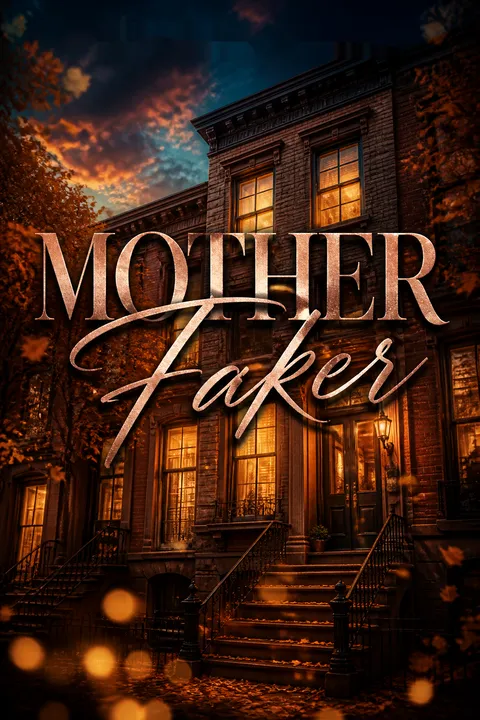

Plot Summary
PR Disaster Strikes
Beckett Langfield, billionaire baseball team owner, faces a PR nightmare when the media brands him a "kid-hater" after he prioritizes a swimsuit event over a children's charity. His head of PR, Olivia "Liv" Maxwell, is tasked with damage control. Their professional relationship is tense but effective—she's the only one who can manage his gruff exterior. When a limo mishap and a viral photo further tank his reputation, Beckett's father demands he fix his image, even suggesting he date a single mom. Liv, recently divorced and struggling, is the perfect candidate for a fake relationship. The stage is set for a collision of personal and professional chaos, with both their futures on the line.
Brownstone Sisterhood
Liv's life is a whirlwind of motherhood, work, and friendship. After her divorce, she and her three best friends—Dylan, Delia, and Shayla—move into a dilapidated Boston brownstone with their collective seven children. The house is a mess, but the camaraderie is strong. Each woman brings her own quirks and struggles, from Dylan's free-spirited parenting to Delia's perfectionism and Shayla's anxiety. Together, they form a makeshift family, supporting each other through the daily grind. The brownstone is both a sanctuary and a source of endless problems, but it's where Liv feels most herself, even as she juggles the demands of single motherhood and a demanding job.
The Kid-Hater Scandal
The fallout from Beckett's PR blunder intensifies. Sponsors threaten to pull out, and his father's pressure mounts. Beckett's brothers tease him mercilessly, but the stakes are real: his future with the team is at risk. The only solution, according to his father, is to prove he loves kids—publicly. Beckett's discomfort with children is less about dislike and more about unfamiliarity and fear of failure. Liv, meanwhile, is drowning in her own problems, but she's the only one who can help Beckett. Their professional partnership is tested as they brainstorm increasingly desperate strategies to salvage his image, setting the stage for a drastic, life-altering decision.
A Marriage of Mistakes
During a work trip to Las Vegas, Liv and Beckett's professional boundaries blur. After a night of heavy drinking and emotional vulnerability, they wake up married, with no memory of the ceremony but plenty of evidence—rings, a marriage certificate, and a very naked morning after. Both are mortified, but the accidental marriage presents a solution to Beckett's PR crisis and Liv's financial woes. They agree to keep the marriage secret for now, but the lines between fake and real begin to blur. The arrangement is supposed to be temporary, but the emotional stakes quickly escalate as they navigate the fallout.
Chaos in the Brownstone
Beckett moves into the brownstone, expecting chaos—and finds it. The house is a circus of children, pets, and strong-willed women. Liv's kids, especially her son Finn (aka Huckleberry), immediately test Beckett's patience and adaptability. The other moms are skeptical, especially Delia, who sees Beckett as an interloper. Despite the madness, Beckett finds himself drawn to the warmth and unpredictability of the household. He's forced to confront his own discomfort with disorder and his growing attachment to Liv and her children. The brownstone becomes a crucible for personal growth, testing everyone's limits and forging unexpected bonds.
The Vegas Vow
As Liv and Beckett navigate their "marriage," they set ground rules: no real intimacy, no telling the kids, and strict boundaries at work. But their chemistry is undeniable, and the charade becomes increasingly difficult to maintain. Public appearances, family dinners, and media scrutiny force them to act like a real couple. The kids, especially Finn and Winnie, begin to bond with Beckett, complicating matters further. Liv struggles with guilt over deceiving her children, while Beckett grapples with feelings he never expected to have. The fake marriage starts to feel dangerously real, and both are forced to confront what they truly want.
Rules for Fake Love
Liv and Beckett's contract outlines the terms of their arrangement: limited PDA, no real romance, and a clear end date. But as they spend more time together, the rules become harder to follow. Beckett's efforts to help around the house—fixing things, babysitting, even doing laundry—endear him to the kids and the other moms. Liv is torn between her growing feelings and her fear of getting hurt again. The house's chaos becomes a backdrop for their slow-burn romance, with stolen moments and secret glances building tension. The line between fake and real love becomes increasingly blurred.
Family, Friends, Frenemies
Beckett's family is skeptical but intrigued by his sudden marriage. Liv's friends are protective, especially Delia, who insists on a contract to safeguard Liv's interests. The kids are confused but quickly adapt, especially as Beckett proves himself in small but meaningful ways. Exes and rivals—like Beckett's former girlfriend Sabrina and Liv's ex-husband Drake—complicate matters, stirring up jealousy and insecurity. The extended family dinners, book clubs, and school events become battlegrounds for acceptance and belonging. Through it all, Liv and Beckett must present a united front, even as their private doubts and desires threaten to unravel everything.
The Move-In Mayhem
Beckett's move into the brownstone is a trial by fire. He faces everything from Nerf gun attacks to swear jar shakedowns by the twins. The house's endless repairs and the kids' antics push him out of his comfort zone, but he rises to the challenge—sometimes comically, sometimes heroically. Liv is surprised by how well he adapts, and the kids begin to see him as a father figure. The chaos of communal living forces everyone to confront their flaws and fears, but it also creates opportunities for growth and connection. The brownstone becomes a true home, messy but full of love.
Babysitting and Bonding
When Liv and the other moms leave Beckett in charge of the kids, he's forced to sink or swim. Despite initial mishaps, he wins the children over with patience, humor, and genuine care. He learns their quirks, helps with homework, and even survives a food fight. The experience deepens his bond with Liv and her family, and he begins to see himself as part of the household. Liv, watching from the sidelines, realizes how much she's come to rely on Beckett—not just as a partner, but as a co-parent and friend. The fake marriage starts to feel like a real family.
Lines Blur, Hearts Stir
The emotional and physical tension between Liv and Beckett reaches a breaking point. Stolen kisses, late-night confessions, and shared vulnerabilities draw them closer. They confront their insecurities—Liv's about her body and worthiness, Beckett's about his capacity for love and fatherhood. The kids' acceptance and the support of their friends help them lower their defenses. But external pressures—media scrutiny, exes, and the looming end of their contract—threaten to tear them apart. Both must decide whether to risk their hearts for a chance at real happiness.
The Truth About Wanting
Liv and Beckett are forced to confront what they truly want from life and each other. Liv's insecurities about her body and her worth as a partner come to the fore, especially after a humiliating doctor's visit and a run-in with Beckett's ex. Beckett, meanwhile, realizes that his fear of becoming his father has held him back from embracing family life. Through honest conversations and acts of vulnerability, they begin to heal old wounds and build trust. The realization that they want the same things—a loving, chaotic, imperfect family—brings them closer than ever.
Falling for the Faker
The fake marriage becomes undeniably real as Liv and Beckett fall in love. Their intimacy grows, both emotionally and physically, culminating in passionate nights and heartfelt confessions. The kids and friends notice the change, and the household dynamic shifts from survival mode to genuine joy. Beckett's efforts to fix the house, support the kids, and be present for Liv cement his place in the family. Liv, in turn, lets go of her fears and embraces the possibility of lasting happiness. Together, they create a new vision of family—messy, loud, and full of love.
Exes, Insecurities, and Interventions
Just as Liv and Beckett settle into their new normal, external threats resurface. Liv's ex-husband Drake tries to sabotage her happiness, threatening custody and spreading rumors. Beckett's past relationships and public image create additional stress. The couple's insecurities flare, leading to misunderstandings and temporary separation. But with the support of their friends and family, they confront these challenges head-on. Honest communication, legal maneuvering, and a few well-timed interventions help them reclaim their narrative and protect their family. The experience strengthens their bond and reaffirms their commitment to each other.
The Real Deal Revealed
The truth about Liv and Beckett's marriage—how it started, what it became—comes to light. Instead of scandal, the revelation is met with support and admiration. The media, family, and friends see the genuine love and effort behind the relationship. Beckett's transformation from "kid-hater" to devoted husband and father becomes a redemption story. Liv, once afraid of being a burden, is celebrated for her strength and resilience. Together, they redefine what it means to be a family, embracing imperfection and authenticity. The fake marriage is officially over—replaced by something real and lasting.
Love, Laughter, and Laundry
With the major obstacles behind them, Liv and Beckett focus on building a life together. They tackle the endless challenges of communal living—laundry disasters, pet raccoons, and the ever-present chaos of children. The brownstone is slowly transformed into a true home, thanks to Beckett's efforts and the collective will of the household. Family traditions, date nights, and shared responsibilities create a sense of stability and joy. The couple's love deepens, and the kids thrive in the supportive, if unconventional, environment. The message is clear: love is found in the mess, not in perfection.
The Big, Blended Family
The brownstone becomes a symbol of blended, chosen family. Liv, Beckett, their kids, and their friends create a new kind of household—one that values support, honesty, and laughter over traditional roles. Challenges remain, but they face them together, with humor and resilience. The kids flourish, the friendships deepen, and even the skeptics (like Delia) are won over. The story celebrates the beauty of imperfection, the power of community, and the transformative nature of love. The brownstone, once a disaster, is now a home filled with hope and possibility.
Happily Ever After, Brownstone-Style
Liv and Beckett's journey ends not with a fairy-tale wedding, but with a messy, joyful, real-life family. They choose each other every day, embracing the chaos and unpredictability of their lives. The brownstone is still a work in progress, but it's filled with love, laughter, and the promise of more adventures to come. The message is clear: happily ever after isn't about perfection—it's about showing up, loving fiercely, and finding joy in the everyday mess. The story closes with the family together, ready to face whatever comes next, secure in the knowledge that they are, finally, home.
Analysis
Mother Faker is a modern romantic comedy that subverts and celebrates the "fake marriage" trope, using it as a lens to explore deeper themes of vulnerability, self-acceptance, and the transformative power of chosen family. At its core, the novel is a love letter to the messiness of real life—the chaos of communal living, the unpredictability of children, and the healing found in laughter and imperfection. Liv and Beckett's journey is one of mutual rescue: she helps him embrace the chaos and joy of family, while he helps her reclaim her worth and believe in the possibility of lasting love. The brownstone, with its endless repairs and disasters, is both a literal and symbolic home—a place where broken things (and people) are mended through effort, patience, and community. The story's humor is not just entertainment but a survival strategy, a way to process pain and foster connection. In a world obsessed with appearances and perfection, Mother Faker argues that true happiness is found in authenticity, resilience, and the willingness to show up—messy, flawed, and all-in—for the people we love. The novel's ultimate message is that family is not defined by blood or tradition, but by the daily, imperfect choice to love and be loved, together.
People Also Read







Characters
Olivia "Liv" Maxwell
Liv is the heart of the brownstone—a single mom juggling three kids, a demanding PR job, and the emotional fallout of a painful divorce. She's fiercely loyal to her friends and children, but struggles with deep insecurities about her body, worthiness, and ability to be loved. Liv's journey is one of self-acceptance and vulnerability. Her relationship with Beckett forces her to confront her fears and embrace the possibility of happiness. She's both the glue and the chaos of her chosen family, learning that love doesn't require perfection—just courage and honesty.
Beckett Langfield
Beckett is a billionaire baseball team owner with a reputation for being cold, controlling, and "hating kids." Beneath his gruff exterior lies a man haunted by childhood neglect and a fear of failing as a father. His accidental marriage to Liv forces him out of his comfort zone and into the chaos of real family life. Beckett's arc is one of transformation—from emotionally distant to deeply invested, from "kid-hater" to devoted stepfather. His love for Liv and her children is hard-won and fiercely protective, revealing a capacity for vulnerability and joy he never knew he had.
Dylan
Dylan is Liv's longtime friend and housemate, known for her hippie sensibilities, ventriloquism, and unflappable optimism. She's a single mom to Liam and the emotional anchor of the brownstone. Dylan's unconventional wisdom and humor help diffuse tension and encourage self-acceptance among the group. She's the first to believe in Liv and Beckett's potential, often acting as a catalyst for change. Dylan's presence embodies the power of chosen family and the importance of embracing one's quirks.
Delia
Delia is the brownstone's resident lawyer and the most skeptical of Beckett's intentions. As a single mom to the "Shining Twins," she's fiercely protective of her friends and children. Delia's insistence on contracts and rules masks a deep fear of vulnerability and loss. Over time, she's won over by Beckett's genuine efforts and the strength of the household's bonds. Delia represents the voice of caution and reason, but also the capacity for growth and trust.
Shayla
Shayla is a widowed physical therapist and single mom to Kai. Her anxiety, especially about her son's safety, is rooted in the trauma of losing her husband. Shayla's journey is one of learning to let go, trust her friends, and embrace the messiness of life. She's the most reserved of the group, but her loyalty and kindness are unwavering. Shayla's presence highlights the importance of support, patience, and the healing power of community.
Finn "Huckleberry"
Liv's son Finn, affectionately nicknamed "Huckleberry" by Beckett, is a whirlwind of creativity and mischief. His love of tutus, Nerf guns, and pet raccoons brings both chaos and joy to the brownstone. Finn's bond with Beckett is central to the story, symbolizing the healing and acceptance possible in blended families. His innocence and resilience are a source of inspiration for the adults around him.
Winnie
Liv's eldest daughter, Winnie, is introspective and creative, often expressing herself through art. She struggles with her father's absence and the upheaval of her family life, but finds comfort in the brownstone's community. Winnie's relationship with Beckett evolves from skepticism to trust, reflecting the story's themes of healing and chosen family.
The "Shining Twins" (Collette and Phoebe)
Delia's twin daughters are a force of nature—intelligent, cunning, and always scheming. Their swear jar racket and sharp wit provide comic relief and challenge the adults' authority. The twins' antics test Beckett's patience but also help him embrace the unpredictability of family life. They represent the chaos and joy of childhood in a blended household.
Liam
Dylan's teenage son, Liam, is initially detached and sarcastic, preferring headphones to conversation. Beneath his cool exterior, he's deeply loyal to his family and friends. Liam's gradual acceptance of Beckett and his willingness to help with the younger kids signal his growth and the strength of the household's bonds.
Drake (Liv's Ex-Husband)
Drake is the primary antagonist, representing the pain and betrayal of Liv's past. His neglect of their children and attempts to sabotage Liv's happiness create ongoing conflict. Drake's presence forces Liv and Beckett to confront their insecurities and fight for their family. His eventual irrelevance underscores the story's message of resilience and the power of chosen love.
Plot Devices
Fake Marriage, Real Feelings
The central plot device is the accidental, then strategic, marriage between Liv and Beckett. What begins as a PR stunt quickly becomes a crucible for personal growth, healing, and genuine love. The "fake marriage" trope is used to explore themes of vulnerability, trust, and the blurred lines between performance and authenticity. The contract, with its rules and boundaries, provides structure but also highlights the futility of trying to control the heart.
Found Family and Communal Living
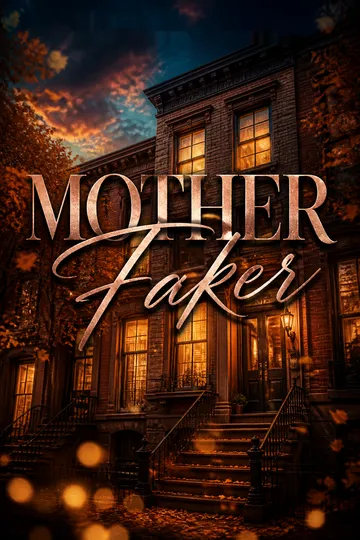
The brownstone, with its rotating cast of adults and children, serves as both setting and symbol. Communal living forces characters to confront their flaws, adapt to others, and find strength in interdependence. The house's endless repairs and disasters are metaphors for the work required to build and maintain relationships. The found family trope is central, emphasizing that love and support can be chosen and created, not just inherited.
Humor and Chaos as Healing
The story uses humor—slapstick, banter, and absurd situations—to diffuse tension and foster intimacy. Food fights, pet raccoons, and swear jar shakedowns are not just comic relief but mechanisms for healing and bonding. The ability to laugh at oneself and one's circumstances is portrayed as essential to survival and happiness.
Dual Narration and Intimate POV
The narrative alternates between Liv and Beckett's points of view, allowing readers to experience their internal struggles, desires, and growth firsthand. This structure creates dramatic irony, as readers see both characters' vulnerabilities and misunderstandings, heightening emotional investment and catharsis.
Symbolism of the Brownstone
The brownstone's state of disrepair mirrors the characters' emotional wounds and the messiness of real life. As the house is slowly repaired, so too are the relationships within it. The process of fixing the house—together—becomes a metaphor for building a family, embracing imperfection, and finding beauty in chaos.
The Momcoms Series Series








Download PDF
Download EPUB
.epub digital book format is ideal for reading ebooks on phones, tablets, and e-readers.








































