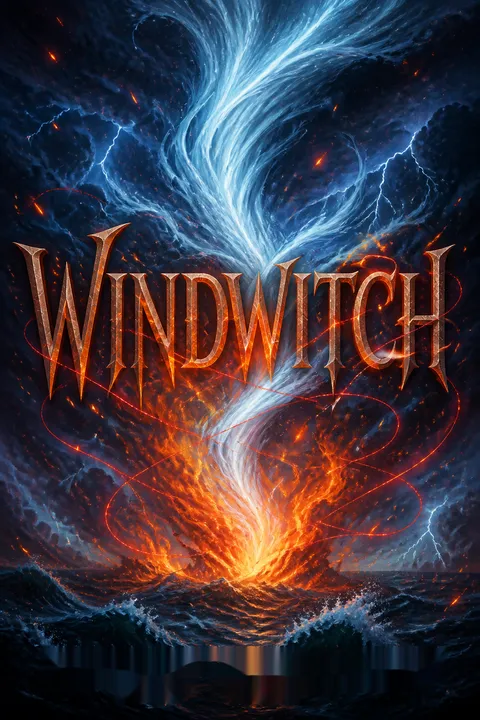

Plot Summary
Blood and Black Flames
Merik Nihar, prince of Nubrevna, is forced to kill an assassin in his cabin, only to watch his warship burn in a seafire attack. Scarred and presumed dead, Merik chooses to let the world believe in his demise, knowing his survival would endanger his crew and people. This act of self-sacrifice sets the tone for his journey—one of pain, rage, and a desperate need for justice. The trauma of violence and betrayal haunts him, and as he slips into unconsciousness, Merik's sense of self fractures, foreshadowing the monstrous path he will walk. The emotional weight of loss, guilt, and the burden of leadership are palpable, as Merik's world is reduced to ashes and blood.
The Fury Rises
In the chaos of Lovats, Merik navigates the city's underbelly, his burned visage earning him the moniker "the Fury." Disguised and driven by vengeance, he seeks proof that his sister Vivia orchestrated his assassination. The city's desperation mirrors his own, as hunger and injustice fuel riots and public executions. Merik's encounters with the oppressed and the corrupt deepen his fury, but also his empathy. His partnership with Cam, a streetwise orphan, grounds him, even as he is haunted by memories of lost friends and love. The transformation from prince to Fury is both physical and psychological, as Merik embraces the darkness within to fight for his people.
Threads Severed, Threads Bound
Safiya fon Hasstrel, the Truthwitch, is trapped in a political web, her only solace the magical Threadstone linking her to her Threadsister, Iseult. Iseult, alone and hunted, flees through deadly forests, her Threadwitch powers unable to save her from the Cleaved—witches driven mad by corrupted magic. Both women are isolated, their bond stretched but unbroken. Safi's captivity with the Empress Vaness and Iseult's flight from the Puppeteer's minions highlight their resilience and longing for reunion. The emotional ache of separation is matched by the physical dangers they face, each clinging to hope through the flicker of the Threadstone.
Shadows in Judgment Square
Vivia Nihar, Merik's sister, battles the High Council for control of Nubrevna. Her authority is undermined by sexism, political intrigue, and the city's dire straits. The council's willingness to bargain with anti-magic Purists threatens the kingdom's soul. Vivia's own rage and ambition are tempered by memories of her mother's madness and her father's expectations. The city's suffering is mirrored in her internal conflict—should she rule with compassion or with an iron fist? The chapter pulses with tension, as Vivia's choices will determine not only her fate, but the survival of her people.
The Empress's Escape
Safi and Empress Vaness survive an assassination attempt and the destruction of their ship by seafire. Their escape to the Contested Lands is fraught with danger, thirst, and grief. Vaness's stoic mask cracks, revealing the cost of leadership and loss. Safi's irrepressible humor and longing for Iseult are her only shields against despair. The two women's uneasy alliance is forged in fire and blood, as they navigate a world where trust is scarce and every step could be their last. The emotional toll of survival is etched in every wound and every choice.
Alone in the Contested Lands
Iseult, pursued by Cleaved and haunted by the Weaverwitch Esme, navigates Nomatsi traps and the perilous wilderness. Her Threadwitch powers are both a gift and a curse, unable to shield her from the psychological manipulation of the Puppeteer. The loneliness of her journey is profound, as she questions her identity and her worth. The threat of death is constant, but so is the hope of reunion with Safi. Iseult's resilience is tested to its limits, as she must outwit both human and supernatural hunters.
The Nihar Siblings Divide
Merik and Vivia's paths diverge, each convinced the other is the enemy. Merik's quest for vengeance is fueled by the belief that Vivia betrayed him, while Vivia struggles to assert her authority and protect her people. Their mutual misunderstanding is tragic, as both are driven by love for Nubrevna but blinded by pride and pain. The city's suffering is a backdrop to their personal conflict, and the choices they make will have consequences far beyond their own lives.
The Purist's Bargain
The Bloodwitch Aeduan is drawn into the Purists' schemes, forced to hunt Iseult for the priest Corlant. His own loyalties are torn between his father's ambitions and his growing connection to Iseult. The Purists' hatred of magic and their willingness to exploit anyone for power are chilling. Aeduan's internal struggle is mirrored in his interactions with Iseult—distrust, attraction, and the possibility of redemption. The psychological complexity of his character is deepened by his status as both hunter and hunted.
The Price of Survival
Safi and Vaness are captured by Hell-Bards, Cartorra's witch-hunting elite. Safi's past collides with her present as she recognizes her captor, Caden, the Chiseled Cheater. The Hell-Bards' own cursed existence—stripped of magic and bound by nooses—reflects the novel's themes of sacrifice and survival. Safi's attempts to escape are matched by moments of unexpected compassion from her captors. The lines between enemy and ally blur, as all are forced to confront the price of their choices.
The Underworld's Secret City
Vivia discovers the legendary under-city, a vast, hidden refuge built by ancient witches. The city's magic is failing, its foxfire dimming—a metaphor for Nubrevna's waning strength. The secret of the Origin Well, the source of royal power, is entwined with Vivia's destiny. The under-city offers hope, but also danger, as old enemies lurk in the shadows. Vivia's journey underground is both literal and symbolic, a descent into the roots of her family's legacy and her own identity.
The Arena Unleashed
In Saldonica, Safi, Vaness, and the Hell-Bards are swept into the slave arena as rebellion erupts. The violence is both exhilarating and horrifying, as magic and bloodshed blur the lines between oppressor and oppressed. Safi's initiative and Vaness's iron will are tested in the crucible of battle. The cost of freedom is high, and the scars—physical and emotional—will linger. The arena becomes a microcosm of the Witchlands' turmoil, where survival depends on wit, strength, and the willingness to make impossible choices.
The Monster in the Shadows
Merik's pursuit of justice leads him to confront the shadow man—a monstrous, corrupted being who manipulates the dead and the living. The revelation that his Threadbrother Kullen has become the Fury is devastating. The bond between them, once a source of strength, is now a chain binding Merik to darkness. The psychological horror of facing a loved one transformed into a monster is profound, as Merik must choose between vengeance and mercy, self-destruction and hope.
The Dam Breaks
As the Baedyeds' seafire ship threatens to destroy Lovats, Vivia and Merik must unite to save their city. The dam's collapse is both a literal and symbolic climax, as the siblings combine their magic and will to hold back disaster. The cost is immense—sacrifice, pain, and the shattering of old illusions. The city's survival is a testament to the power of unity and the necessity of letting go of pride and regret. The emotional catharsis is matched by the physical intensity of the battle.
The Witchlands Ignite
The fragile peace of the Witchlands is shattered as the Red Sails and Baedyeds march, the Purists plot, and ancient magics awaken. Iseult and Aeduan, now joined by the mysterious child Owl and her mountain bat, race to stay ahead of the chaos. The threads of fate tighten, binding heroes and villains alike to a destiny none can escape. The scale of conflict expands, but so does the intimacy of personal struggle—love, loyalty, and the search for meaning in a world on fire.
The Bonds of Threadbrothers
The revelation that Merik and Kullen are bound by death and magic is both a curse and a gift. Their relationship, once defined by brotherhood and trust, is now twisted by the Fury's corruption. Merik's struggle to save his Threadbrother—and himself—mirrors the larger battle for the soul of Nubrevna. The pain of loss, the hope of redemption, and the power of forgiveness are woven through every moment. The emotional stakes are as high as the physical ones, as Merik must decide what kind of man he will be.
The Weaverwitch Awakens
Iseult's confrontation with the Firewitch and her own abilities marks a turning point. She is no longer just a Threadwitch, but something more—a Weaverwitch, capable of cleaving and binding the very fabric of life. The horror and awe of this realization are matched by the responsibility it brings. Iseult's journey is one of self-discovery, as she must learn to wield her power without losing herself. The bond with Aeduan deepens, as both grapple with the darkness within and the hope of something better.
The Queen's Regret
In the aftermath of disaster, Vivia confronts her regrets and the masks she has worn. The weight of leadership, the pain of loss, and the longing for connection—especially with her brother and Stix—culminate in a moment of clarity. Vivia chooses to embrace both her strength and her compassion, to lead not as a tyrant or a martyr, but as herself. The city's survival is her redemption, and the promise of a new beginning is hard-won.
The Bat and the Child
The rescue of Owl, a child with the power to command a mountain bat and move the earth, is a symbol of hope and danger. Aeduan and Iseult's alliance is tested as they fight to protect her from those who would exploit her. The innocence and trauma of the child are a stark reminder of what is at stake in the Witchlands. The threads of fate, magic, and family are drawn tighter, as the next generation's power awakens.
The Flood and the Flame
The convergence of flood, fire, and battle is both apocalyptic and transformative. Merik, Vivia, and the witches of Nubrevna unite to hold back destruction, their combined magic a testament to the strength found in unity. The cost is high, but the victory is real. The Witchlands are forever changed, but so are its heroes. The emotional and physical scars will remain, but so will the hope of rebuilding and renewal.
The Gilded Rose's Bargain
In a final act of initiative, Safi bargains with Admiral Kahina for the Cartorran ship, winning through wit and sacrifice. The deal she strikes—a favor owed—will have consequences yet unknown. The price of freedom is never cheap, and Safi's willingness to pay it is both her strength and her vulnerability. The chapter is a meditation on agency, risk, and the power of choice.
The Fury's Reckoning
Merik, Vivia, and Cam confront the legacy of the Nines, the corruption of the Fury, and the cost of revenge. The cycle of violence is broken not by more bloodshed, but by the willingness to forgive, to see the truth, and to choose a different path. The emotional resolution is bittersweet, as old wounds are acknowledged and new bonds are forged. The Witchlands are left on the brink of a new era, shaped by the choices of those who survived.
The New Dawn
In the aftermath, the survivors gather to mourn, to celebrate, and to look ahead. Vivia claims her place as queen, Merik chooses exile and healing, and Safi and Iseult are reunited in spirit if not in body. The Witchlands remain a land of danger and magic, but also of hope. The threads of fate are not yet fully woven, but the promise of a new dawn is real. The emotional arc comes full circle, as loss gives way to possibility, and the bonds of love and friendship endure.
Analysis
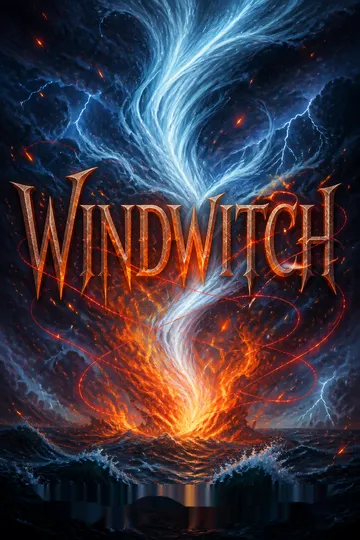
Windwitch is a sweeping, emotionally charged fantasy that explores the cost of power, the pain of loss, and the hope of redemption. Through its interwoven narratives and complex characters, the novel interrogates the nature of leadership, the dangers of vengeance, and the necessity of compassion. The magic system is both a source of wonder and a metaphor for trauma, addiction, and the struggle for identity. The political intrigue and social commentary ground the story in real-world issues, while the psychological depth of the characters invites empathy and reflection. At its heart, Windwitch is a story about the bonds that bind us—threads of love, loyalty, and sacrifice that endure even in the face of darkness. The novel's lessons are clear: true strength lies not in rage or power, but in the willingness to forgive, to unite, and to hope. In a world on the brink of destruction, it is the courage to choose connection over isolation, mercy over vengeance, and love over fear that offers the promise of a new dawn.
Review Summary
Windwitch by Susan Dennard receives mixed reviews, with ratings ranging from 1 to 5 stars. Many readers felt it suffered from "second book syndrome," with slower pacing and separated protagonists compared to Truthwitch. The missing Safi/Iseult friendship and Merik/Safi romance disappointed fans. However, Aeduan and Iseult's partnership was universally praised. Reviewers appreciated improved world-building, character development, and LGBTQ+ representation, but criticized the lack of plot advancement and multiple POVs that made the story feel fragmented. Some found it boring, while others loved the darker, action-packed sequel despite its filler nature.
People Also Read

Characters
Merik Nihar
Merik is a prince scarred by betrayal, loss, and the burden of leadership. His journey from idealistic admiral to the vengeful Fury is marked by physical and psychological trauma. His relationships—with his sister Vivia, his Threadbrother Kullen, and his lost love Safi—are fraught with misunderstanding and regret. Merik's rage is both his weapon and his curse, driving him to acts of heroism and violence. His development is a study in the cost of vengeance and the possibility of redemption, as he learns to see beyond his own pain and to fight for something greater than himself.
Vivia Nihar
Vivia is a woman fighting for legitimacy in a world that doubts her. Her rivalry with Merik is rooted in love, jealousy, and the scars of their family's past. Vivia's journey is one of self-discovery, as she learns to balance strength with empathy, ambition with humility. Her leadership is tested by crisis, and her willingness to embrace both her Nihar rage and her mother's compassion is her salvation. Her relationship with Stix hints at a longing for connection and acceptance, adding depth to her character.
Safiya fon Hasstrel (Safi)
Safi is defined by her loyalty, her wit, and her refusal to be caged. Her Truthwitch powers make her a target, but it is her courage and initiative that drive the plot. Her bond with Iseult is the emotional core of the novel, a relationship of mutual support and longing. Safi's journey is one of agency—learning to make choices, to accept consequences, and to fight for her own freedom. Her interactions with Vaness, Caden, and the Hell-Bards reveal her capacity for empathy and her struggle with trust.
Iseult det Midenzi
Iseult's journey is one of isolation, self-doubt, and the search for identity. Her Threadwitch powers set her apart, but it is her potential as a Weaverwitch that marks her as truly unique—and dangerous. Haunted by the Puppeteer and the trauma of her past, Iseult's resilience is tested at every turn. Her bond with Safi is her anchor, while her alliance with Aeduan challenges her to trust and to confront the darkness within. Iseult's development is a meditation on the cost of power and the hope of belonging.
Aeduan
Aeduan is a study in contradictions—ruthless yet honorable, feared yet lonely. His Bloodwitch powers make him both weapon and outcast, and his loyalty is constantly tested by the demands of his father, the Purists, and his own conscience. His relationship with Iseult is fraught with distrust, attraction, and the possibility of redemption. Aeduan's development is a slow awakening to empathy, as he learns to value connection over survival.
Cam (Camilla Leeri)
Cam is Merik's loyal companion, a child of the streets who hides her true self behind a boy's name and mannerisms. Her relationship with Merik is one of mutual dependence and unspoken understanding. Cam's struggle with gender, loyalty, and belonging mirrors the larger themes of the novel. Her courage and resourcefulness are matched by vulnerability, and her journey is one of self-acceptance and the longing for family.
Vaness
Vaness is a leader forged in fire, her Ironwitch powers matched by her political acumen. Her alliance with Safi is one of necessity, but it grows into mutual respect and understanding. Vaness's grief, ambition, and willingness to make hard choices are central to her character. Her emotional arc is one of vulnerability—learning to trust, to mourn, and to hope.
Kullen
Kullen's transformation from loyal friend to the monstrous Fury is a tragedy at the heart of the novel. His bond with Merik is both a source of strength and a chain binding them to destruction. Kullen's struggle with cleaving, with the loss of self, and with the hunger for vengeance is a meditation on the cost of power and the pain of loss.
Stix (Stacia Sotar)
Stix is Vivia's anchor, a Waterwitch whose strength and loyalty are unwavering. Her relationship with Vivia is marked by unspoken affection and mutual respect. Stix's presence is a reminder of the power of friendship and the hope of connection in a world of chaos.
Owl
Owl is a young girl with the power to command a mountain bat and move the earth. Her innocence and trauma are a stark contrast to the violence around her. Owl's presence is a symbol of hope, danger, and the promise of a new generation of magic. Her bond with Aeduan and Iseult is fragile but profound, a reminder of what is at stake in the Witchlands.
Plot Devices
Interwoven Narratives and Shifting Perspectives
Windwitch employs a multi-POV structure, weaving together the journeys of Merik, Vivia, Safi, Iseult, and Aeduan. Each character's arc is distinct yet interconnected, their choices rippling across the Witchlands. The shifting perspectives allow for deep psychological exploration, as internal conflicts mirror external crises. The use of foreshadowing—through dreams, prophecies, and the recurring motif of threads—builds tension and unity. The narrative structure is cyclical, with characters' paths diverging and converging, mirroring the novel's themes of separation, reunion, and the bonds that endure.
Magic as Metaphor and Catalyst
The various forms of magic—Threadwitchery, Bloodwitchery, Ironwitchery, and more—are not just tools but extensions of character and theme. Magic is both a source of power and a curse, shaping identity, relationships, and the fate of nations. The corruption of magic (cleaving) serves as a metaphor for trauma, addiction, and the loss of self. The Origin Wells and the under-city symbolize the roots of power and the dangers of forgetting history.
Political Intrigue and Social Commentary
The novel's political machinations—council debates, Purist plots, pirate alliances—reflect real-world issues of sexism, xenophobia, and the abuse of power. The suffering of the poor, the manipulation of the masses, and the moral compromises of leaders are explored with nuance. The personal is always political, as characters' choices are shaped by and shape the world around them.
The Monster Within and Without
The recurring motif of the monster—whether the Fury, the Puppeteer, or the shadow man—serves as both external threat and internal struggle. Characters are forced to confront the darkness within, to choose between vengeance and mercy, survival and sacrifice. The psychological horror of transformation and the hope of redemption are central to the novel's emotional arc.
The Power of Bonds and the Pain of Separation
The novel's emotional core is the bonds between characters—siblings, friends, lovers, and found family. The pain of separation, the longing for reunion, and the willingness to sacrifice for others drive the plot. The Threadstone, the motif of threads, and the recurring nursery rhyme all reinforce the theme that connection is both a source of strength and vulnerability.
The Witchlands Series
Download PDF
Download EPUB
.epub digital book format is ideal for reading ebooks on phones, tablets, and e-readers.








































