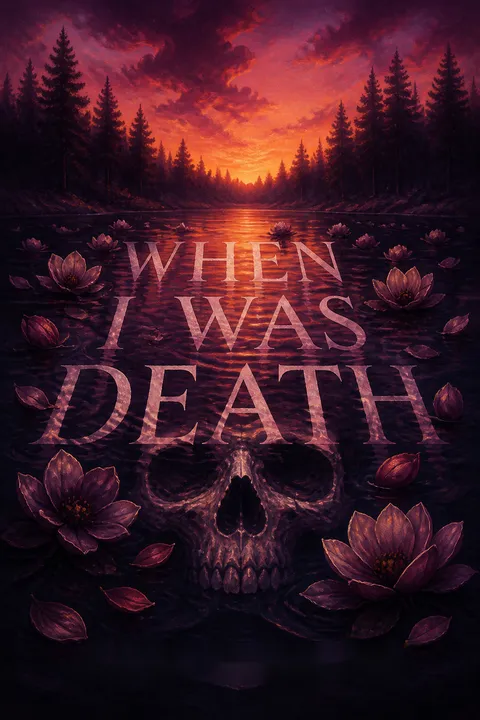

Plot Summary
Grief's Arrival in May
Eight months after her beloved sister Adeline's mysterious death, Roslyn Volk's world is stagnant with grief. On a bleak May morning, a caravan of enigmatic girls arrives in her small Michigan town, their presence both unsettling and magnetic. Roslyn, working at a local diner, is drawn to their wild confidence and the way they seem to exist outside the rules of ordinary life. The girls' leader, Shiloh, and her companions exude a dangerous allure, and Roslyn senses a connection between them and Adeline's last summer. The girls invite Roslyn to a pool party, setting in motion a journey that will force her to confront the truth about her sister's death, her own identity, and the nature of mortality itself.
The Vanishing of Adeline
Adeline, Roslyn's older sister, was the sun around which Roslyn orbited—brilliant, troubled, and adored. When Adeline vanishes one September morning, the family and town are thrown into chaos. Weeks later, her body is found in a moldy playhouse deep in the woods, her cause of death inconclusive. Roslyn is consumed by grief and guilt, haunted by the memory of their last fight and Adeline's strange transformation after a summer away with mysterious friends. The loss hollows Roslyn, leaving her desperate for answers and unable to move forward, her life now defined by the absence of her sister.
The Poolside Invitation
At the girls' invitation, Roslyn attends a surreal pool gathering, where she meets Shiloh and the rest of the caravan. The girls are both familiar and otherworldly, their camaraderie intense and their conversations laced with dark humor about death. Roslyn is both intimidated and fascinated, sensing that these girls hold secrets about Adeline's final months. When she notices Shiloh wearing a bracelet that once belonged to Adeline, Roslyn's suspicions deepen. The encounter leaves her with more questions than answers, but also with a sense of belonging she hasn't felt since her sister's death.
Shiloh's Secret Connection
In a tense, private conversation, Shiloh admits she knew Adeline and that the girls were with her during her last summer. She offers Roslyn a place among them, hinting at a journey that transcends ordinary life and death. Roslyn, desperate for closure and connection, agrees to join the caravan as they prepare to leave town. The decision marks the beginning of Roslyn's transformation—from passive mourner to active seeker of truth, even as she senses she's stepping into something dangerous and supernatural.
Bargain with Death
On the road, Roslyn learns the girls serve Death, reaping souls in exchange for their own lives. Each girl was destined to die young but was spared by making a bargain: kill for Death, and live. When Death appears in the guise of a man, he offers Roslyn a choice—kill for him, and he'll reveal the truth about Adeline's death. The girls' existence is revealed as both a curse and a reprieve, and Roslyn must decide if she can bear the moral weight of taking lives for the answers she craves.
The First Dispatch
Roslyn's first assignment is to dispatch an elderly man, Stewart Gavin. Guided by Shiloh, she uses the touch of Death to ease Stewart's passing, experiencing his memories and final moments. The act is both intimate and harrowing, forcing Roslyn to confront the reality of mortality and the ethical ambiguity of her new role. The experience leaves her shaken but also strangely empowered, as she realizes the girls' work is not just about killing, but about witnessing and honoring the end of life.
Caravan of the Damned
The girls travel across the Midwest and West, moving from one dispatch to the next. Each girl has her own style and philosophy about death, and Roslyn learns the rules of their existence: they are invisible to the world, protected by Death's magic, but always at risk of punishment if they break his rules. The camaraderie among the girls deepens, but so do the tensions, especially as Roslyn's presence upsets the group's fragile balance. The journey is punctuated by moments of joy, fear, and the ever-present shadow of Death.
Lessons in Dying
As Roslyn participates in more dispatches, she witnesses the full spectrum of human endings—peaceful, violent, tragic, and mundane. She learns from Naomi's compassion, Riley's efficiency, and Chloe's irreverence. Each death leaves its mark, but also teaches Roslyn about the value of presence, the importance of memory, and the necessity of grief. The girls' shared experiences forge a bond that is both familial and fraught, as they struggle to reconcile their roles as both saviors and executioners.
Festival of Last Chances
The caravan arrives at a Nevada music festival, where Roslyn is tasked with dispatching Jasmine Wu, a vibrant girl her own age. The assignment is emotionally devastating—Jasmine's life is full of promise, and her death is witnessed by friends and a boyfriend. Roslyn is forced to confront the randomness and cruelty of fate, as well as her own capacity for mercy and guilt. The experience deepens her understanding of the girls' burden and the impossibility of remaining untouched by the work they do.
The Touch of Death
Roslyn's ability to dispatch grows, but so does the toll it takes on her psyche. Each touch brings a flood of memories and emotions, blurring the line between killer and witness. The girls debate the morality of their work, the meaning of mercy, and the inevitability of death. Roslyn's longing for Adeline intensifies, as she realizes that every life she ends brings her closer to understanding her sister's final moments—and the possibility of forgiving herself.
Skye's Unraveling
Death demands a sacrifice: one girl must die to atone for the group's defiance. The girls, unable to choose among themselves, each vote for their own name. In the end, Skye—the youngest and most innocent—is taken by Death, found drowned in a pool. The loss devastates the group, shattering their sense of invincibility and forcing them to confront the true cost of their bargain. Skye's death becomes a turning point, exposing the limits of their power and the depth of their love for one another.
The Vote and the Sacrifice
In the aftermath of Skye's death, the girls seek help from Skye's mother, Monica, who once bargained with Death herself. Monica reveals the harsh truth: there is no way to outwit Death, only to choose who will be sacrificed. The girls' unity is tested as they grapple with guilt, anger, and the impossibility of their situation. The vote becomes a symbol of their shared humanity—their willingness to die for each other, and their refusal to let Death dictate the terms of their lives.
Monica's Bargain
Monica confesses that she once traded her own child's life to Death in exchange for her survival. Her story mirrors the girls' predicament, highlighting the generational cycle of sacrifice and the impossibility of escaping Death's grasp. Monica's resignation contrasts with the girls' determination to fight, and her presence forces Roslyn to confront the legacy of bargains made in desperation. The chapter underscores the theme that love and loss are inseparable, and that every choice carries a cost.
The Wake and the Truth
At Skye's wake, tensions boil over. Riley accuses Shiloh of loving the work of Death, and a violent fight ensues. In the aftermath, Riley reveals the truth about Adeline's death: Shiloh was drawn to Roslyn before they ever met, and Adeline's heartbreak over this realization contributed to her demise. Roslyn is shattered by the revelation, forced to accept her own role in her sister's death and the complex web of love, jealousy, and longing that binds the girls together.
The Final Bargain
Death appears one last time, demanding that Roslyn choose a girl to kill in order to free the rest. Refusing to sacrifice any of her friends, Roslyn devises a plan: she will use the touch of Death to return to the night of Adeline's death and fulfill the bargain by dispatching her own sister. The girls support her, recognizing that this act may be both a sacrifice and a liberation. The stage is set for a final confrontation with Death and the past.
Return to the Playhouse
Using Death's power, Roslyn is transported back to the night Adeline died. In the playhouse, the sisters share a raw, honest conversation—confessing their mutual envy, love, and regret. Adeline asks Roslyn to be the one to end her suffering, insisting that only her sister can give her peace. In a moment of profound grief and acceptance, Roslyn dispatches Adeline, experiencing her memories and finally understanding the depth of her pain and love.
Sisterhood's Last Goodbye
In the aftermath of Adeline's dispatch, Roslyn is flooded with memories—her own and her sister's—blurring the boundaries between past and present, self and other. The act of letting go is both devastating and redemptive, allowing Roslyn to forgive herself and Adeline. Death, moved by the sisters' love and sacrifice, releases the girls from their bargain, granting them freedom and a chance to live on their own terms. The cycle of grief is not broken, but transformed.
Freedom from Death
With Death's hold broken, the girls disband the caravan and return to their respective homes and futures. Roslyn, changed by her journey, returns to Michigan, reconnects with her parents, and begins the slow process of healing. The girls' time together becomes a cherished memory—a testament to the power of chosen family, the necessity of grief, and the possibility of life after loss. Each girl carries the scars and lessons of their ordeal, but also the hope of new beginnings.
The Road Home
Back in her hometown, Roslyn struggles to reintegrate into ordinary life. She visits the site of the playhouse, now gone, and reflects on the journey that brought her to this point. She graduates, attends college, and slowly rebuilds her sense of self. The memory of the girls and Adeline remains with her, a source of both pain and strength. Roslyn learns that healing is not about forgetting, but about carrying loss with grace and finding meaning in survival.
Epilogue: Living with Loss
In the epilogue, Roslyn glimpses Death and a new girl on her college campus, a reminder that the cycle continues and that Death is never far away. She realizes that while loss is inevitable, so is the possibility of connection, courage, and love. The story ends with Roslyn choosing to live—not without fear, but in spite of it—carrying her sister's memory and the lessons of her journey forward into an uncertain future.
Analysis
A modern meditation on grief, agency, and the meaning of survivalWhen I Was Death is a haunting, lyrical exploration of what it means to live in the shadow of loss. Through the supernatural device of a bargain with Death, Alexis Henderson interrogates the boundaries between life and death, love and guilt, agency and fate. The novel's greatest strength lies in its psychological depth—the way it renders grief not as a problem to be solved, but as a landscape to be navigated, a force that shapes identity and connection. The chosen family of girls, each marked by trauma and resilience, offers a powerful counterpoint to the isolating effects of loss, suggesting that healing is possible only through vulnerability, honesty, and mutual care. The story's nonlinear structure and use of memory reinforce the idea that the past is never truly past, and that forgiveness—of others and oneself—is the only path to freedom. Ultimately, the novel argues that survival is not about escaping pain, but about carrying it with grace, finding meaning in the act of living, and choosing love in the face of the inevitable.
Review Summary
When I Was Death receives an overall positive reception, with readers praising its emotional exploration of grief, sisterhood, and found family. Many highlight Henderson's atmospheric writing and the unique premise of teenage girls working as reapers for Death. Positive reviews emphasize its raw emotional depth and binge-worthy pacing. Critical reviews cite issues with pacing inconsistencies, underdeveloped side characters, a convoluted plot, concerns about colorism, and whether the heavy themes are handled appropriately for a YA audience. Most agree it's a quick, compelling read despite its imperfections.
People Also Read



Characters
Roslyn Volk
Roslyn is the protagonist, defined by her profound grief over her sister Adeline's death. Sensitive, introspective, and quietly resilient, she is both shaped and shadowed by Adeline's brilliance. Roslyn's journey is one of transformation—from passive mourner to active participant in the mysteries of life and death. Her relationships with the girls, especially Shiloh, force her to confront her own desires, guilt, and capacity for love. Roslyn's psychological arc is marked by her struggle to forgive herself, accept loss, and choose life in the aftermath of trauma. Her bond with Adeline is both her greatest wound and her source of strength.
Adeline Volk
Adeline is the gravitational center of Roslyn's world—beautiful, mercurial, and deeply wounded. Her struggles with depression and her need for escape drive the narrative, culminating in her mysterious death. Adeline's allure is both a blessing and a curse, drawing people to her but also isolating her in her pain. Her relationship with Roslyn is fraught with love, envy, and unspoken longing. In death, Adeline becomes both a ghost and a guide, her memory propelling Roslyn toward truth and healing. Her final act—asking Roslyn to let her go—reveals her vulnerability and her enduring love for her sister.
Shiloh
Shiloh is the leader of the caravan, marked by her calm authority, emotional distance, and deep connection to Death. She is both protector and gatekeeper, guiding the girls through their work and shielding them from the worst of Death's demands. Shiloh's own trauma—her abusive childhood and near-death experience—shapes her stoicism and her need for control. Her relationship with Roslyn is complex, blending attraction, guilt, and a shared sense of responsibility for Adeline's fate. Shiloh's arc is one of learning to relinquish control, accept vulnerability, and seek forgiveness.
Naomi
Naomi is the group's emotional anchor, offering comfort and stability amid chaos. Her own near-death experience and history of abandonment inform her compassion and her need to care for others. Naomi's approach to dispatches is gentle and reverent, emphasizing the sacredness of endings. She struggles with the burden of leadership and the pain of loss, especially after Skye's death. Naomi's psychological depth lies in her ability to hold space for grief while still believing in hope and connection.
Riley
Riley is the group's skeptic and enforcer, known for her directness and emotional armor. Her history of illness and survival has made her pragmatic and, at times, abrasive. Riley's approach to death is swift and unflinching, a coping mechanism for her own fear and vulnerability. She is both critical of and loyal to the group, her antagonism masking a deep need for belonging. Riley's arc involves learning to trust, express vulnerability, and accept the love of her chosen family.
Chloe
Chloe brings humor and levity to the group, using storytelling and style as tools for survival. Her near-death experience is shrouded in mystery, hinting at trauma and violence. Chloe's irreverence is both a shield and a source of strength, allowing her to face horror without losing her sense of self. She is fiercely loyal, especially to Riley, and serves as a bridge between the group's darker and lighter impulses. Chloe's development centers on embracing vulnerability and finding meaning in memory.
Iona
Iona is the group's creative soul, blending faith and artistry in her approach to life and death. Her dispatches are marked by ritual and presence, and she often serves as the group's mediator. Iona's adaptability masks a deep sensitivity and a longing for connection. Her journey involves reconciling her spiritual beliefs with the realities of their work, and learning to assert her own needs within the group dynamic.
Skye
Skye is the youngest and most innocent of the group, her youth and optimism a source of both hope and vulnerability. Her willingness to sacrifice herself for the others underscores her deep love and loyalty. Skye's death is a pivotal moment, exposing the fragility of the group's existence and the true cost of their bargain. Her memory haunts the survivors, serving as both a warning and a blessing.
Monica Love
Monica is Skye's mother, a former actress who once bargained with Death to save her own life at the cost of her child's. Her story mirrors the girls' predicament, highlighting the generational cycle of sacrifice and the impossibility of escaping Death's grasp. Monica's resignation and regret contrast with the girls' determination to fight, and her presence forces Roslyn to confront the legacy of bargains made in desperation.
Death
Death is both antagonist and catalyst, appearing as a man who bargains with the girls for their lives. He is at once terrifying and oddly sympathetic, fascinated by the intensity of teenage girls and the complexities of human emotion. Death's rules are arbitrary but absolute, and his desire for connection is both his strength and his weakness. Through his interactions with Roslyn and the girls, Death is revealed as a lonely figure, longing for meaning and love even as he enforces the ultimate boundary.
Plot Devices
The Bargain with Death
The central plot device is the bargain each girl makes with Death: in exchange for their own lives, they must serve as his reapers, dispatching souls according to his will. This Faustian contract drives the narrative, creating both external stakes (the threat of punishment or death) and internal conflict (the moral cost of killing). The bargain is both a curse and a reprieve, forcing the girls to confront the value of life, the inevitability of loss, and the limits of agency. The device also allows for exploration of themes like survivor's guilt, chosen family, and the search for meaning in suffering.
Nonlinear Time and Memory
The story employs nonlinear time through visions, memories, and ultimately, time travel. The touch of Death allows Roslyn and the girls to experience the memories of the dying, blurring the boundaries between past and present, self and other. This device deepens the emotional resonance of each dispatch and culminates in Roslyn's return to the night of Adeline's death. The interplay of memory and reality underscores the theme that grief is not linear, and that healing requires confronting the past.
The Chosen Family
The caravan of girls functions as a chosen family, bound by shared trauma and the necessity of survival. Their relationships are marked by love, rivalry, jealousy, and sacrifice, mirroring the complexities of biological families. The group's dynamics—loyalty, conflict, and mutual care—serve as both a source of strength and a site of tension, especially as Death's demands threaten to tear them apart. The chosen family device allows for exploration of identity, belonging, and the possibility of redemption.
The Vote and Sacrifice
The device of the vote—each girl choosing herself for sacrifice—serves as a powerful metaphor for agency, love, and the impossibility of true selflessness. The collective refusal to choose a scapegoat forces Death's hand and results in Skye's death, exposing the limits of solidarity and the inevitability of loss. The vote also functions as a narrative turning point, shifting the story from passive endurance to active resistance.
The Final Dispatch
The story's climax hinges on Roslyn's decision to return to the night of Adeline's death and fulfill Death's demand by dispatching her own sister. This act is both a literal and symbolic release—of guilt, grief, and the hold of the past. The final dispatch device allows for a cathartic confrontation with loss and the possibility of healing, transforming the narrative from a tragedy of inevitability to a story of agency and hope.

Download PDF
Download EPUB
.epub digital book format is ideal for reading ebooks on phones, tablets, and e-readers.








































