
Plot Summary
Mile End Shadows
Safa Saleem, a once-promising investigative journalist, finds herself exiled to the East London Echo, her career derailed by a scandal at her former paper. She clings to her principles, even as her world shrinks to the familiar streets of her childhood. Meanwhile, her estranged best friend, Lily Astor, now a beloved TV presenter, navigates the pressures of public life, hiding bruises beneath makeup and charm. Both women are haunted by their pasts and the choices that have shaped them, their lives running parallel but distant, each yearning for something lost. The city's grit and the weight of unspoken secrets press in, setting the stage for a collision neither can avoid.
Bruises and Broadcasts
When Lily appears on television with a suspicious bruise, the media frenzy is immediate. Safa, tasked by her editor to get a comment, is forced to confront the chasm between her and Lily. Their awkward phone call is laced with old wounds and unspoken resentments. Lily's glib explanations mask deeper pain, while Safa's journalistic instincts tell her there's more beneath the surface. The bruise becomes a symbol—of violence, of silence, of the ways women are scrutinized and doubted. Both women are forced to reckon with the roles they play: Lily as the perfect victim, Safa as the relentless truth-seeker, each trapped by expectations and their own histories.
Fractured Friendships
Flashbacks reveal the roots of Safa and Lily's friendship: two outsiders finding solace in each other amid the cruelties of adolescence. Their bond, forged in shared lunches and mutual defense, is tested by ambition, class, and the relentless need to escape their origins. As adults, their paths diverge—Lily remakes herself for acceptance, while Safa clings to authenticity at great personal cost. The pain of drifting apart is palpable, each woman mourning the loss in her own way. Their shared past becomes both a comfort and a curse, complicating every interaction and fueling the emotional stakes of the unfolding drama.
The Glassman Returns
Safa is drawn back into the case of the Glassman, a serial rapist targeting elderly Asian women in East London. The police are indifferent, the community silenced by shame. Safa's obsession with the case is both professional and personal—a way to redeem herself, to fight for the voiceless, and perhaps to reclaim her own sense of worth. Her investigation is met with resistance at every turn, from uncooperative victims to institutional apathy. The Glassman becomes a symbol of all the violence that goes unseen, the darkness that thrives in silence, and the cost of caring too much in a world that rewards indifference.
Domestic Storms
Inside Lily's home, tensions simmer. Her husband Richard, once charming and supportive, is now volatile and controlling, his career frustrations spilling over into cruelty. Their son Harry, caught in the crossfire, grows distant and troubled. Lily's attempts to maintain the facade of a perfect family are increasingly desperate, her isolation deepening. Safa, sensing danger, tries to intervene but is rebuffed. The domestic sphere, so often idealized, is revealed as a battleground, its wounds hidden beneath polite conversation and curated social media posts. The storm builds, promising devastation for all within its reach.
The Night of Blood
During a party to celebrate Richard's book launch, simmering resentments explode. After the guests leave, a violent argument erupts between Lily and Richard, with Harry as a silent witness. In the chaos, a knife is drawn, and Richard is fatally wounded. Lily, in shock, calls emergency services, her hands slick with her husband's blood. The police arrive, and Lily is arrested for murder. The night's events are a blur of panic, regret, and disbelief, the boundaries between victim and perpetrator collapsing. The family's secrets spill into the open, setting off a chain reaction that will reverberate through the courts and the media.
Aftermath and Accusations
The news of Richard's death and Lily's arrest ignites a media firestorm. Safa, torn between loyalty and duty, becomes both chronicler and participant in the unfolding tragedy. Harry is left in the care of Lily's estranged sister, Natalie, his trauma manifesting in unpredictable ways. Old friends and family members are forced to take sides, their testimonies shaped by bias, memory, and self-preservation. The investigation uncovers layers of deception, from Lily's carefully constructed public persona to the family's private dysfunction. The search for truth becomes a battle of narratives, each more complicated than the last.
Prison Walls, Public Trials
Awaiting trial in prison, Lily is forced to confront her own actions and the limits of her endurance. The support she once took for granted evaporates, replaced by suspicion and judgment. Safa, meanwhile, throws herself into her work, determined to expose the failures of the justice system and the epidemic of violence against women. Both women are isolated—Lily by literal walls, Safa by the emotional distance her obsession creates. Their parallel struggles highlight the ways institutions fail the vulnerable, and the personal cost of seeking justice in a world that prefers easy answers.
The Courtroom Unveiled
The trial becomes a spectacle, with every detail of Lily's life dissected for public consumption. Witnesses are called, each offering a partial, self-serving version of events. The prosecution paints Lily as a manipulative, vengeful woman; the defense as a battered wife pushed to the brink. Safa's reporting is both empathetic and incisive, capturing the nuances that the legal system flattens. The courtroom becomes a crucible, burning away pretense and exposing raw, uncomfortable truths. The question of guilt becomes less about facts and more about who is believed, and why.
Testimonies and Tensions
Lily's mother-in-law, neighbors, and colleagues testify, their accounts colored by prejudice, rivalry, and personal grievance. Expert witnesses debate the psychology of abuse, the plausibility of Lily's story, and the meaning of evidence—or its absence. Harry's testimony, expected to exonerate his mother, instead deepens the mystery, as he recants previous statements and introduces new doubts. The trial becomes a battleground of competing narratives, each more ambiguous than the last. The tension is unbearable, the stakes nothing less than freedom or a life behind bars.
Truths and Twisted Lies
As the trial nears its end, Safa uncovers disturbing truths about Lily's past, including a childhood lie that destroyed a classmate's life. The boundaries between victim and perpetrator blur, as Lily's capacity for deception is laid bare. Safa is forced to question her own instincts, her loyalty to Lily, and the ethics of her profession. The search for truth becomes a labyrinth, with no clear exit. Every revelation raises new questions, and the possibility of justice seems more remote than ever.
The Verdict's Weight
The jury delivers its verdict: Lily is found guilty of murder. The courtroom erupts in chaos, and Lily's reaction is a mix of relief, hysteria, and resignation. Safa is left reeling, her faith in the system and in her friend shaken. The public, hungry for resolution, moves on, but those closest to the case are left to pick up the pieces. The weight of the verdict is crushing, its implications rippling outward—through families, communities, and the broader conversation about violence, gender, and power.
Unraveling the Past
Haunted by doubts, Safa continues to dig, piecing together inconsistencies in the evidence and testimonies. Her relentless pursuit leads her to confront Natalie, who reveals a shocking truth: Harry, not Lily, was the true source of violence in the family. The narrative shifts, exposing the limits of maternal love, the dangers of silence, and the ways trauma is inherited and perpetuated. Safa's discovery forces her to choose between protecting a child and exposing a crime, between loyalty and integrity.
The Glassman's Game
As Safa's investigation into the Glassman intensifies, she becomes a target herself. The predator's taunts grow bolder, culminating in a chilling break-in that leaves Safa shaken but undeterred. The hunt for the Glassman becomes a metaphor for all the unseen violence in the world, the ways women are stalked, silenced, and dismissed. Safa's courage is tested, her sense of safety shattered, but her resolve only hardens. The game is on, and she refuses to back down.
The Real Killer
Safa's confrontation with Lily in prison yields a devastating confession: Harry, not Lily, killed Richard in a moment of rage. Lily's maternal instinct led her to orchestrate an elaborate cover-up, sacrificing her own freedom to protect her son. The revelation reframes everything—the trial, the testimonies, the meaning of justice. Safa is faced with an impossible choice: expose the truth and destroy what remains of Lily's family, or stay silent and become complicit in a lie.
Maternal Sacrifice
Lily's willingness to endure a life sentence for Harry's sake is both heartbreaking and infuriating. Natalie, battered and desperate, begs Safa to intervene. The cost of silence becomes too high, and Safa makes the agonizing decision to reveal the truth, knowing it will end her friendship with Lily and shatter Harry's life. The fallout is immediate and brutal—Lily is exonerated, Harry is arrested, and the family is left in ruins. The price of truth is steep, and no one escapes unscathed.
The Price of Truth
Safa's decision to expose Harry's crime earns her professional acclaim but personal loss. Lily, freed but broken, thanks Safa for doing what she could not. Harry faces the consequences of his actions, his childhood lost to violence and shame. Safa's own career is both advanced and undermined by her choices, her integrity intact but her relationships in tatters. The Glassman, still at large, taunts her with a final message, reminding her—and the reader—that some darkness cannot be vanquished, only confronted. The story ends with Safa, battered but unbowed, ready to keep fighting for the truth, whatever the cost.
Analysis
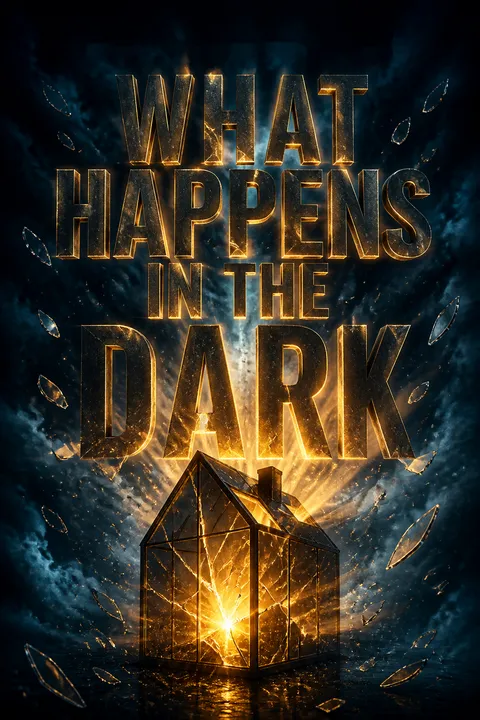
Kia Abdullah's What Happens in the Dark is a searing exploration of violence, truth, and the costs of survival in a world that punishes imperfection. Through the intertwined stories of Safa and Lily, the novel interrogates the ways women are forced to navigate danger—at home, at work, in public—and the impossible standards they must meet to be believed. The narrative refuses easy answers, exposing the failures of institutions, the dangers of silence, and the corrosive effects of shame. At its heart, the book is about the price of truth: the friendships lost, the families destroyed, the innocence sacrificed. It challenges readers to question their own assumptions about victimhood, justice, and the stories we tell ourselves to survive. In a world where violence is both epidemic and invisible, What Happens in the Dark insists that the only way forward is through honesty, however painful—and that even then, some darkness remains.
Review Summary
What Happens in the Dark receives strong praise (4.02/5) for its gripping courtroom drama and sensitive handling of domestic abuse and sexual assault. Readers appreciate protagonist Safa, a journalist investigating her childhood friend Lily, a TV presenter accused of murder. The book features compelling twists, complex characters, and powerful themes about victim-blaming and silenced voices. However, many reviewers express frustration with an unresolved subplot involving "The Glassman," a serial predator targeting elderly Bangladeshi women, suggesting a sequel is needed for closure.
People Also Read


Characters
Safa Saleem
Safa is a fiercely principled investigative journalist, shaped by her working-class, British-Bangladeshi upbringing and the early loss of her mother—a trauma for which she blames herself. Her drive to expose injustice is both her greatest strength and her deepest wound, leading her to pursue stories others avoid, especially those involving violence against women and marginalized communities. Safa's relationships are marked by loyalty and emotional distance; she struggles to accept help or vulnerability, even with those she loves. Her friendship with Lily is a source of both comfort and pain, complicated by envy, betrayal, and shared history. Over the course of the novel, Safa is forced to confront the limits of her own integrity, the cost of truth, and the impossibility of saving everyone. Her arc is one of hard-won self-acceptance, as she learns that courage sometimes means letting go.
Lily Astor (née Baker)
Lily is a woman who has remade herself from a neglected, impoverished child into a national treasure—a beloved TV presenter with a carefully curated public image. Her charm and resilience mask deep insecurities and a capacity for ruthless self-preservation. Lily's relationships are transactional and strategic, even as she yearns for genuine connection. Her marriage to Richard is both a refuge and a prison, and her maternal love for Harry is fierce to the point of self-destruction. Lily's greatest flaw is her willingness to bend the truth, to herself and others, in pursuit of survival. Her psychological complexity is revealed in her willingness to take the fall for Harry's crime, a sacrifice born of guilt, love, and a desperate need for control. By the end, Lily is both victim and perpetrator, her identity fractured by the roles she has played and the secrets she has kept.
Harry Astor
Harry is the adolescent son of Lily and Richard, caught in the maelstrom of family dysfunction, public scrutiny, and his own burgeoning rage. Sensitive and intelligent, Harry is also deeply damaged, his violence a symptom of unaddressed trauma and toxic influences. His relationship with his mother is both loving and destructive, marked by dependency, resentment, and a desperate need for approval. Harry's actions—culminating in the killing of his father—are both a cry for help and an assertion of power in a world where he feels powerless. His arc is a tragic one, as he is ultimately exposed, arrested, and forced to confront the consequences of his actions. Harry embodies the novel's central questions about culpability, the inheritance of pain, and the limits of forgiveness.
Richard Astor
Richard is Lily's husband, a once-successful journalist whose career and self-esteem have crumbled. His charm and intelligence are undermined by insecurity, bitterness, and a need for control. Richard's relationship with Lily is fraught—alternately loving, resentful, and abusive (as perceived by others). He is both a victim of circumstance and an agent of his own downfall, his inability to adapt or seek help leading to the family's unraveling. Richard's death is the novel's central event, but his presence lingers, shaping the actions and psyches of those left behind. He is a study in masculine fragility, the dangers of pride, and the ways men's pain can become everyone's problem.
Natalie Baker
Natalie is Lily's older sister, a woman marked by years of hardship, disappointment, and self-sacrifice. She becomes Harry's caretaker after Lily's arrest, enduring his violence in silence out of loyalty and fear. Natalie's relationship with Lily is complicated by resentment and love; she is both enabler and victim, her own needs always secondary. Her eventual confession to Safa is an act of desperation, a plea for help that breaks the cycle of silence but comes at great personal cost. Natalie represents the countless women who bear the brunt of family dysfunction, their suffering invisible and unacknowledged.
Imran Anwar
Imran is a detective and Safa's on-again, off-again romantic partner. Grounded, compassionate, and principled, he provides a counterpoint to Safa's intensity and self-doubt. His own struggles—with cultural expectations, the desire for family, and the limitations of the justice system—mirror Safa's, but he approaches them with patience and humor. Imran's support is crucial to Safa's survival, both professionally and personally, even as their relationship is tested by differing priorities and the traumas they encounter. He is a model of healthy masculinity, offering strength without domination, love without possession.
The Glassman
The Glassman is a serial rapist who targets elderly, isolated Asian women, exploiting their shame and the community's silence. He is both a literal villain and a metaphor for all the violence that goes unreported, unpunished, and unacknowledged. His taunting of Safa becomes a personal challenge, forcing her to confront her own fears and the limits of her power. The Glassman's presence haunts the narrative, a reminder that some evils persist despite the best efforts of individuals and institutions.
Kevin Giles
Kevin is Safa's editor at the Echo, a tough but fair newspaperman who values integrity and hard work. He provides both support and challenge, pushing Safa to be her best while reminding her of the realities of the industry. Kevin's own disappointments and compromises are evident, but he remains committed to the ideals of journalism. His relationship with Safa is paternal, marked by mutual respect and occasional exasperation. He represents the fading world of principled reporting, struggling to survive in an age of clickbait and sensationalism.
Oliver Witherow
Oliver is Safa's former colleague and nemesis, the embodiment of nepotism and entitlement in the media. Smart but lazy, charming but ruthless, he advances by taking credit for others' work and exploiting connections. His interactions with Safa are laced with condescension and rivalry, but he is also a necessary foil, forcing her to fight harder for recognition. Oliver's eventual acquisition of Safa's biggest story is both a personal and professional blow, highlighting the structural barriers faced by outsiders in elite spaces.
Rukshana
Rukshana is one of the Glassman's victims, an elderly Bangladeshi woman whose refusal to speak out is both a survival strategy and a source of ongoing pain. Her interactions with Safa are fraught with cultural tension, generational divides, and the weight of izzat (honor). Rukshana's silence is both understandable and tragic, a testament to the ways communities can fail their most vulnerable. She is a reminder that not all stories can be told, and not all wounds can be healed.
Plot Devices
Dual Narrative Structure
The novel employs a dual narrative structure, alternating between Safa's and Lily's perspectives. This structure allows for a nuanced exploration of truth, memory, and the ways stories are constructed and contested. The parallel arcs—Safa's pursuit of justice and Lily's descent into crisis—mirror and inform each other, highlighting the interconnectedness of personal and systemic violence. The use of flashbacks, interviews, and courtroom scenes creates a mosaic of perspectives, each incomplete and unreliable, forcing the reader to question what is real and what is performance.
Unreliable Narration and Misdirection
The novel is built on a foundation of unreliable narration, with characters concealing, distorting, or misremembering key events. The central mystery—who killed Richard, and why—is complicated by conflicting testimonies, hidden motives, and the limitations of evidence. The author uses misdirection to great effect, leading the reader (and the characters) down false paths before revealing deeper, more disturbing truths. This device underscores the novel's themes of ambiguity, the fallibility of memory, and the dangers of certainty.
Social Commentary and Symbolism
Throughout the novel, violence—domestic, sexual, institutional—is depicted as both personal and structural, its roots in patriarchy, class, and cultural shame. The Glassman is both a character and a symbol, his crimes standing in for all the harm that goes unacknowledged. The motif of bruises—hidden, explained away, or exposed—serves as a metaphor for the wounds women carry. The courtroom becomes a stage for societal anxieties about gender, race, and credibility, with the "perfect victim" trope interrogated and ultimately dismantled.
Foreshadowing and Irony
The novel is rich in foreshadowing, with early references to violence, betrayal, and the limits of love setting the stage for later revelations. Irony abounds: the woman who fights for victims becomes a victim herself; the mother who would do anything for her child is destroyed by that very instinct. The ending, with the Glassman's taunt to Safa, is both a promise and a threat, suggesting that the cycle of violence and silence will continue.
Download PDF
Download EPUB
.epub digital book format is ideal for reading ebooks on phones, tablets, and e-readers.








































