
Plot Summary
Warrior's Burden Unveiled
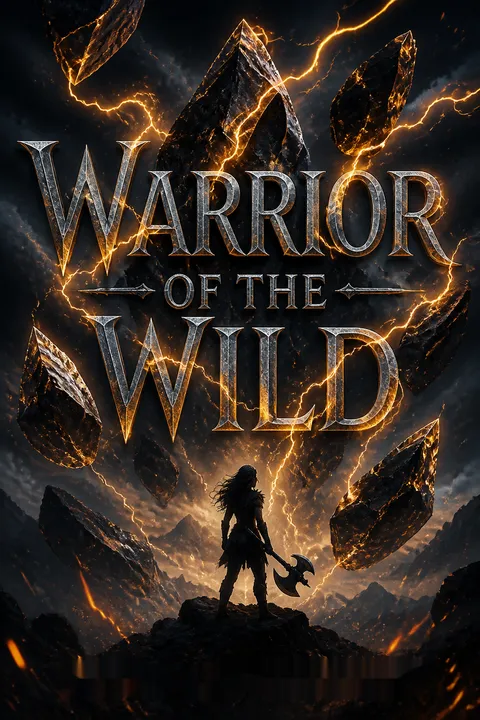
Rasmira, the only daughter of Seravin's leader, is raised as a warrior in a society that values strength and tradition. Her father's expectations and her mother's coldness isolate her, while her prowess with an ax sets her apart from her peers. As the annual trial approaches—a test that will determine her place in the village—Rasmira feels the pressure of legacy and the sting of being an outsider. Her only solace is Torrin, a fellow trainee who has recently become her friend and confidant. Yet, even this budding relationship is tinged with uncertainty, as Rasmira senses the precariousness of her position and the weight of her father's ambitions for her.
Betrayal at the Trial
On the day of the trial, Rasmira faces the deadly ziken beasts in a maze, determined to prove herself. She fights alongside Torrin, believing in their partnership and the promise of a future together. But as the trial nears its end, Torrin betrays her, using a severed ziken head to fake a bite and sabotage her success. The venom's effects leave Rasmira helpless and humiliated before the entire village. Her mother denies witnessing the treachery, and her father, devastated and angry, sentences Rasmira to banishment and the impossible mattugr: to kill the god Peruxolo, the immortal tyrant who extorts tribute from the villages.
Exile and the Mattugr
Cast out from Seravin, Rasmira is forced to leave behind her family, her dreams, and the only life she's known. Her father's final words are cold, and her mother's indifference is a wound deeper than any physical injury. The mattugr—an honor quest meant to be fatal—demands that she slay Peruxolo, a being believed to be invincible. Rasmira's sister Irrenia, the healer, gives her a precious salve and words of love, the only comfort as Rasmira steps into the wild, determined to survive and, against all odds, to return home.
Into the Wild Alone
The wild is a place of constant danger, filled with venomous plants, predatory beasts, and the ever-present threat of ziken. Rasmira's training keeps her alive, but loneliness and betrayal gnaw at her spirit. She is haunted by memories of Torrin's deception and her parents' rejection. Each night is a battle against fear and exhaustion, and each day brings new challenges. Yet, even as she struggles, Rasmira's resolve hardens. She refuses to die quietly, vowing to fight for her place in the world and to prove her worth—not for her father, but for herself.
Allies in Desolation
Rasmira's solitary journey changes when she saves Soren, a banished warrior from another village, from a horde of ziken. Soren, bound by a life debt, insists on helping her, and soon they are joined by Iric, Soren's clever but embittered friend. The three form a tenuous alliance, each carrying the burden of their own mattugr. As they share their stories and skills, trust slowly grows. Rasmira teaches Iric to swim, Soren brings food and hope, and together they begin to believe that survival—and even redemption—might be possible if they work as one.
The God's Invisible Power
Rasmira's quest leads her to the mountain lair of Peruxolo, where she discovers an invisible barrier that repels her and her iron armor. Observing the god, she realizes that his powers are not divine but rooted in the manipulation of lodestones—strange metals with magnetic properties. Peruxolo's floating, his deadly projectiles, and his impenetrable defenses are all tricks, not miracles. This revelation plants the seed of hope: if his power is natural, not supernatural, then he can be defeated. But the knowledge is dangerous, and Rasmira must tread carefully as she plans her next move.
Lessons of Survival
Life in the wild is relentless, but it forges Rasmira into a true leader. She learns to build shelter, hunt, and adapt, while also teaching Iric to overcome his fear of water and Soren to use new weapons. The trio's camaraderie deepens as they share laughter, pain, and vulnerability. Rasmira's leadership style evolves—she becomes more empathetic, encouraging, and collaborative, realizing that true strength lies not in domination but in lifting others up. The wild, once a place of exile, becomes a crucible where Rasmira's identity is reforged.
The Gunda's Shadow
The wild's dangers escalate when the trio encounters the gunda, a monstrous beast of myth. Their desperate battle against the gunda—and the subsequent rescue of Iric from the deadly hyggja lake—cements their bond. Each challenge forces them to confront their deepest fears and to rely on one another's strengths. Rasmira's courage and quick thinking save lives, while Soren's loyalty and Iric's ingenuity prove invaluable. Through these trials, the group transforms from outcasts into a chosen family, united by purpose and mutual respect.
Bonds Forged in Struggle
As the trio trains and prepares for their respective mattugrs, old wounds begin to heal. Iric forgives Soren for past mistakes, and Rasmira learns to trust again, opening her heart to Soren's affection. Their friendship is tested by jealousy, misunderstandings, and the ever-present threat of death, but each conflict brings them closer. Rasmira's leadership blossoms as she helps Iric conquer his fear and Soren confront his guilt. Love grows quietly between Rasmira and Soren, offering hope and warmth in a world that once seemed only cold and hostile.
Secrets of the Lodestone
Rasmira's investigation of Peruxolo's lair reveals the full extent of his deception. The god's powers are all based on the properties of lodestones and iron—his floating, his invisible barriers, his deadly projectiles. She discovers his forge, his traps, and the evidence of his cruelty. The realization that Peruxolo is not immortal, but a man using science and fear to control the villages, transforms Rasmira's quest. Armed with this knowledge, she and her friends devise a plan to challenge him publicly, to expose his lies, and to free their people from generations of oppression.
The Hyggja's Challenge
Iric's mattugr—to kill the monstrous hyggja—becomes a test of teamwork and ingenuity. With Rasmira's guidance and Soren's support, Iric learns to swim and overcomes his terror of water. Together, they craft spears and set a trap, battling the hyggja in a desperate underwater struggle. Victory is hard-won, but it brings redemption and the promise of home for Iric. The triumph is bittersweet, as Rasmira realizes that true honor is not bestowed by others, but earned through courage, sacrifice, and the willingness to change.
The Otti's Feather
Soren's mattugr—to pluck a feather from the legendary otti bird—takes Rasmira and Soren to the mountain's peak. Their journey is fraught with peril, from mountain cats to dizzying heights, but also filled with moments of tenderness and discovery. Together, they outwit the otti, secure the feather, and deepen their bond. Soren's success means he can return home, but he chooses Rasmira, affirming their love and partnership. The mountain climb becomes a metaphor for overcoming the past and embracing a future built on trust and mutual respect.
Armor of Ziken Hide
With Iric's smithing skills, Rasmira is outfitted in armor made from ziken hide—impervious to Peruxolo's lodestone tricks. A new ax, crafted from the same rare metal as the god's, gives her a fighting chance. As Soren delivers invitations to the villages for a public challenge, Rasmira prepares herself mentally and physically for the final confrontation. The trio's journey from outcasts to heroes is nearly complete, but the greatest test—facing the god and reclaiming their honor—still lies ahead.
The Invitation Sent
Rasmira's plan is bold: to challenge Peruxolo before all seven villages, exposing his fraud and ending his reign of terror. Soren travels from village to village, delivering the invitations and spreading the truth. Iric and Aros, now reunited, support Rasmira as she steels herself for the coming battle. The people gather, drawn by curiosity, fear, and hope. Rasmira's family, including her once-estranged mother, arrives, and old wounds are reopened. The stage is set for a reckoning—not just with the god, but with the past, with family, and with the meaning of honor.
The God's True Face
The day of the duel arrives. Rasmira faces Peruxolo in the clearing where so many have suffered. Before the assembled villages, she exposes his tricks—his floating, his invisible barriers, his deadly projectiles—all revealed as the work of lodestones and cunning, not divinity. The crowd's awe turns to anger as they realize they have been deceived for generations. Peruxolo, stripped of his mystique, is forced to fight as a man. Rasmira's courage and skill inspire the people, and the balance of power shifts irreversibly.
The Battle for Freedom
The duel is brutal and desperate. Peruxolo, enraged and desperate, uses every trick at his disposal, but Rasmira's new armor and ax neutralize his advantages. The battle is not just physical, but symbolic—a struggle for the soul of the villages, for the right to self-determination, for the end of fear. With the help of her friends and the support of the crowd, Rasmira defeats Peruxolo, killing the false god and ending his tyranny. The people are freed, and Rasmira claims her place as a true leader, not by birthright, but by merit and sacrifice.
Judgment and Forgiveness
In the aftermath, Rasmira is hailed as the God Killer, but she must also confront those who wronged her. Her mother confesses her guilt and seeks forgiveness; Torrin and Havard are banished for their betrayal. Rasmira chooses mercy over vengeance, breaking the cycle of cruelty that has plagued her people. She reclaims her place as her father's heir, but on her own terms, determined to lead with compassion and wisdom. The bonds forged in exile—friendship, love, and family—are stronger than ever, and Rasmira's journey from outcast to leader is complete.
A New Dawn for Seravin
With Peruxolo gone, the villages must rebuild, free from fear and oppression. Rasmira, Soren, Iric, and Aros look to the future, committed to creating a better world. The lessons of the wild—resilience, empathy, and the power of unity—guide them as they reshape their society. Rasmira's leadership is no longer a burden, but a calling, and her love for Soren is a source of strength. The story ends not with a return to the old ways, but with the promise of change, hope, and the enduring power of self-forged destiny.
Analysis
Warrior of the Wild is a powerful meditation on the nature of honor, the dangers of tradition, and the transformative potential of self-forged identity. Tricia Levenseller subverts the classic hero's journey by placing a young woman at the center of a narrative that interrogates the very systems meant to define her worth. The book's central lesson is that true strength lies not in brute force or blind obedience, but in the willingness to question, to adapt, and to forgive. Rasmira's journey from outcast to leader is marked by pain, betrayal, and loss, but also by the healing power of friendship, love, and self-acceptance. The exposure of Peruxolo's fraud is a call to reject fear-based authority and to reclaim agency through knowledge and solidarity. The novel's nuanced portrayal of family, both biological and chosen, invites readers to consider the ways in which we are shaped by—and can transcend—the expectations of others. Ultimately, Warrior of the Wild is a celebration of resilience, empathy, and the courage to build a better world, even when the odds seem insurmountable.
Review Summary
People Also Read



Characters
Rasmira Bendrauggo
Rasmira is the protagonist, a young woman raised as a warrior in a patriarchal society that both reveres and resents her. The daughter of Seravin's leader, she is burdened by her father's expectations and her mother's rejection. Rasmira's journey is one of self-discovery, resilience, and transformation. Betrayed by those she trusted, she is forced into exile with an impossible quest. Her psychological arc moves from isolation and self-doubt to leadership and self-acceptance. Rasmira's relationships—with her sisters, with Soren, and with her friends—teach her empathy, vulnerability, and the true meaning of strength. By the end, she is not just a survivor, but a leader who chooses compassion over vengeance.
Soren
Soren is a banished warrior from another village, bound to Rasmira by a life debt. He is brave, selfless, and quietly haunted by guilt over his friend Iric's exile. Soren's journey is one of atonement and growth; he learns to forgive himself and to accept love. His relationship with Rasmira evolves from awkward partnership to deep, mutual respect and affection. Soren's loyalty and willingness to risk everything for his friends make him a stabilizing force. He is both protector and equal, challenging Rasmira to trust again and to believe in her own worth.
Iric
Iric is Soren's childhood friend, exiled for failing his trial. Cynical and sharp-tongued, he initially resists hope and change. His greatest fear is water, and his mattugr—to kill the hyggja—symbolizes his struggle with self-doubt. Iric's arc is one of forgiveness, both of himself and of Soren, whom he blames for his fate. His ingenuity and smithing skills are crucial to the group's survival. Iric's love for Aros, and his eventual reunion with him, provide a rare depiction of queer love in a harsh world. Through friendship and teamwork, Iric finds the courage to reclaim his honor and his future.
Irrenia
Irrenia is Rasmira's beloved sister, a skilled healer with a gentle spirit. She provides emotional support and practical aid, giving Rasmira the salve that saves her life. Irrenia's kindness and wisdom are a counterpoint to the harshness of their world. She represents the possibility of unconditional love and forgiveness, encouraging Rasmira to value herself and to seek healing, not just survival. Irrenia's presence is a reminder of what is worth fighting for.
Torlhon (Rasmira's Father)
Torlhon is the leader of Seravin, a man obsessed with legacy and strength. He trains Rasmira as his heir but fails to see her as a person, valuing her only for her potential to carry on his name. His inability to show affection or understanding contributes to Rasmira's isolation. Torlhon's arc is one of gradual recognition—he is forced to confront his own failings as a father and a leader. By the end, he acknowledges Rasmira's achievements, but their relationship remains complicated, shaped by years of emotional distance.
Kachina (Rasmira's Mother)
Kachina is a complex figure, embittered by her husband's neglect and her own unfulfilled desires. She resents Rasmira for "stealing" Torlhon's attention and for not fitting the mold of a proper daughter. Her betrayal at the trial is a culmination of years of pain. Yet, Kachina's eventual confession and plea for forgiveness reveal a capacity for change. Her arc is one of regret and the hope for reconciliation, mirroring the book's themes of mercy and the possibility of healing old wounds.
Torrin
Torrin is Rasmira's former friend and love interest, whose betrayal at the trial is the catalyst for her exile. Outwardly charming and supportive, he is ultimately revealed as manipulative and self-serving, acting out of jealousy and resentment. Torrin's actions force Rasmira to confront the dangers of misplaced trust and the necessity of self-reliance. His later banishment is a form of poetic justice, underscoring the book's message that true honor cannot be faked.
Peruxolo (Cadmael)
Peruxolo is the antagonist, a mortal man who uses science and deception to pose as a god. His mastery of lodestones and iron allows him to terrorize the villages, demanding tribute and sacrifices. Peruxolo embodies the dangers of unchecked power and the corrosive effects of fear. His defeat is not just a physical victory, but a symbolic one—the shattering of illusions and the reclaiming of agency by the oppressed. Peruxolo's character is a study in the psychology of tyranny and the fragility of constructed divinity.
Aros
Aros is Iric's partner, a hunter from Restin. Though his role is smaller, he represents the possibility of love and happiness after suffering. His reunion with Iric is a moment of joy and affirmation, showing that exile need not mean the end of connection. Aros's presence in the final act underscores the book's commitment to diverse, inclusive relationships and the healing power of acceptance.
Havard
Havard is Rasmira's chief rival among the trainees, a bully whose resentment fuels much of the early conflict. He is complicit in Torrin's betrayal and is ultimately banished for his role. Havard's character illustrates the destructive effects of envy and the importance of accountability. His fate serves as a warning against the easy path of cruelty and the necessity of facing the consequences of one's actions.
Plot Devices
The Mattugr (Honor Quest)
The mattugr is a central plot device, representing both the society's method of enforcing conformity and the individual's path to redemption. Each character's mattugr is tailored to their greatest fear or perceived failing, designed to be fatal rather than achievable. The device serves as a crucible, forcing characters to confront their deepest wounds and to grow beyond the limitations imposed by others. The narrative structure uses the mattugr to explore themes of honor, forgiveness, and the arbitrariness of tradition. Foreshadowing is employed through early references to past mattugrs and the fate of those who failed, building tension and highlighting the stakes.
Lodestones and Iron
The use of lodestones and iron as the source of Peruxolo's "divine" powers is a clever subversion of the fantasy trope of the all-powerful god. The gradual revelation of the true nature of these materials serves as both a plot twist and a metaphor for the unmasking of tyranny. The lodestones' properties drive key moments—barriers, floating, projectiles, and the final battle—while also symbolizing the dangers of ignorance and the power of knowledge. The device is foreshadowed through Rasmira's early observations and experiments, culminating in the public exposure of Peruxolo's tricks.
Found Family and Redemption
The formation of a surrogate family among the exiles is a recurring motif, contrasting with the failures of biological kinship. The plot uses shared hardship, mutual teaching, and acts of sacrifice to build trust and love. Redemption is not achieved through the completion of the mattugr alone, but through the willingness to forgive, to change, and to support one another. The narrative structure alternates between action and introspection, allowing for deep character development and the gradual healing of old wounds.
Public Challenge and Exposure
The decision to challenge Peruxolo publicly, before all the villages, is a pivotal plot device. It transforms the personal quest for honor into a collective reckoning, forcing the society to confront its own complicity in perpetuating fear and injustice. The structure of the final battle—witnessed by all, with the god's tricks revealed—serves as both climax and catharsis. The device underscores the book's message that true change requires not just individual courage, but communal acknowledgment and action.
About the Author




Download PDF
Download EPUB
.epub digital book format is ideal for reading ebooks on phones, tablets, and e-readers.








































