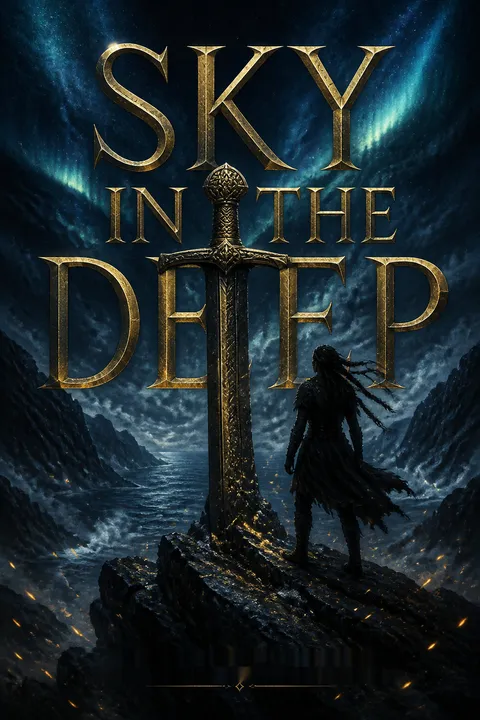

Plot Summary
Battle in the Mist
Eelyn, a fierce Aska warrior, stands on the front lines with her best friend Mýra, fighting the Riki—her people's ancient enemies. The battle is brutal, the air thick with fog and fear. Eelyn's world is upended when she glimpses her brother Iri, long thought dead, fighting alongside the Riki. The shock nearly costs her life, and the chaos of war is suddenly personal. The violence, the loyalty to clan, and the code of honor—vegr yfir fjor, honor above life—are all she's ever known. But the sight of Iri, alive and changed, cracks her certainty and sets her on a path that will challenge everything she believes about family, faith, and the meaning of home.
Ghosts of the Fallen
After the battle, Eelyn reels from the vision of her brother. Her father and Mýra dismiss it as a spirit sent by their god, Sigr, to protect her. But Eelyn cannot shake the memory of Iri's touch and voice. The rituals of mourning and sacrifice that follow the battle only deepen her confusion and grief. She is torn between the comfort of her clan's traditions and the gnawing suspicion that Iri is truly alive. The pain of loss, the weight of expectation, and the ache of unresolved love for her brother all swirl within her, leaving her unmoored and desperate for answers.
A Brother's Betrayal
When the Riki attack again, Eelyn pursues the ghost of her brother into the forest. There, she is captured by Iri and his Riki "brother," Fiske. The truth is undeniable: Iri survived, was saved by the Riki, and has chosen to live among them. Eelyn's world shatters. She is dragged as a prisoner up the mountain, wounded and furious, her sense of betrayal burning hotter than her physical pain. The lines between enemy and kin blur, and Eelyn is forced to confront the possibility that love and loyalty can exist beyond blood and clan.
Captive Among Enemies
Bound and wounded, Eelyn is taken to the Riki village of Fela. She is treated as a dýr—a slave—her fate uncertain. The Riki are both familiar and alien, their customs echoing her own people's, yet marked by the worship of a rival god, Thora. Eelyn's hatred simmers, but she is also forced to rely on Iri and Fiske for survival. The pain of her injuries and the humiliation of her collar are matched only by the ache of Iri's choices. She vows to escape, but the winter snows and her own weakness make freedom impossible.
The Riki Village
As winter deepens, Eelyn is forced to live among the Riki, working in Fiske's household. She meets Inge, Fiske's mother, and Halvard, his little brother, and sees the bonds of love and duty that hold this family together. Eelyn's anger is slowly eroded by small acts of kindness and the realization that the Riki are not monsters, but people—capable of grief, joy, and sacrifice. The pain of her captivity is complicated by the warmth of the hearth and the echoes of her own lost family.
Chains and Choices
When traders arrive, Eelyn is nearly sold, her identity as Iri's sister hidden to protect him. Fiske intervenes, buying her himself and bringing her into his home. The collar around her neck is both a mark of shame and a lifeline. Eelyn's pride wars with her will to survive. She is forced to choose between death and endurance, between the honor of her people and the hope of one day returning home. The struggle is not just physical, but spiritual—a test of what it means to be Aska, to be human, and to belong.
The Price of Survival
As the winter drags on, Eelyn's wounds heal, but her heart remains raw. She witnesses the daily life of the Riki, their rituals, their losses, and their love. She forms a wary bond with Fiske, whose loyalty to Iri and his family is fierce. The lines between enemy and friend blur further as Eelyn helps with chores, learns their ways, and even saves lives. The pain of her past and the hope for the future war within her, and she begins to question the absolutes she was raised to believe.
Blood and Belonging
The arrival of the Herja—a legendary, merciless clan—shatters the uneasy peace. The Herja raid both Aska and Riki villages, leaving devastation in their wake. Eelyn's longing for home becomes urgent, but so does her sense of connection to the Riki. She sees Iri's love for Runa, a Riki girl, and feels the pull of her own growing feelings for Fiske. The old boundaries of blood and belonging are no longer clear. Eelyn must decide where her loyalty lies, and what she is willing to risk for those she loves.
The Enemy's Hearth
As the Herja threat grows, Eelyn and Fiske's relationship deepens. She learns the story of how Iri and Fiske became "soul-bonded" brothers, saving each other's lives in battle. Eelyn's hatred softens as she sees the Riki's suffering and courage. She helps defend the village, cares for the wounded, and becomes part of the household. The pain of her lost clan is matched by the comfort she finds in unexpected places. The enemy's hearth becomes a place of healing, and Eelyn's heart is changed.
The Herja Return
The Herja launch a devastating raid, capturing and killing indiscriminately. Eelyn, Fiske, and Iri risk everything to save Halvard and others. The horror of the attack forces Eelyn to see that the old feud between Aska and Riki is meaningless in the face of a greater threat. The Herja's violence is a mirror of the worst in both clans, and survival will require unity. Eelyn's courage and compassion are tested as never before, and she emerges as a leader, willing to fight for a future beyond vengeance.
A Shattered Home
With Fiske's help, Eelyn escapes Fela and journeys back to her home, only to find Hylli destroyed and her people gone. The grief is overwhelming, but a glimmer of hope remains—her father and some survivors have fled to a secret stronghold. Eelyn's reunion with her father is bittersweet, shadowed by the knowledge of Iri's survival and her own changed heart. The pain of loss is matched by the urgency of warning the Aska about the Herja. Eelyn must bridge the gap between her two worlds to save them both.
The Unthinkable Alliance
Eelyn and Fiske convince the Aska and Riki leaders to meet and consider an alliance. Centuries of hatred and bloodshed stand in the way, but the Herja's threat is too great to ignore. A blood oath is sworn between Eelyn and the Riki Tala, binding their fates. The process is fraught with suspicion, pain, and sacrifice. Eelyn's courage and willingness to trust her former enemies inspire others to do the same. The cost of peace is high, but the alternative is extinction.
Trust Forged in Pain
As the clans prepare for war, Eelyn and Fiske's relationship becomes a source of strength and vulnerability. They share their scars, their fears, and their hopes for a different future. Eelyn's friendship with Mýra is tested, but ultimately endures. The pain of the past is not erased, but transformed into resolve. The alliance is fragile, and betrayal is always a possibility, but trust is forged in the crucible of shared suffering. Eelyn learns that love—of family, of friends, of a people—can be both a wound and a weapon.
The Blood Oath
The Aska and Riki leaders, guided by Eelyn and the Tala, swear a blood oath to fight the Herja together and end their feud. The ritual is both symbolic and binding, a leap of faith into an uncertain future. The clans train side by side, learning each other's strengths and weaknesses. Old wounds are reopened, but new bonds are formed. The blood oath is a promise not just to each other, but to the generations to come—a hope that the cycle of violence can be broken.
Love Across the Divide
As battle looms, Eelyn and Fiske confess their love, knowing it may be their last night together. Their union is a symbol of the new world they are fighting for—a world where love is not limited by clan or history. The risks are immense, but so is the hope. Eelyn's heart is torn between her past and her future, but she chooses to embrace both. The personal and the political are intertwined, and the fate of the clans rests on the courage to love across the divide.
The Last Stand
The final battle is brutal and costly. Aska and Riki fight side by side, their differences forgotten in the face of annihilation. Eelyn, Mýra, Iri, and Fiske all risk their lives, and many are lost. The Herja are defeated, but the victory is bittersweet. The survivors are forever changed, their scars a testament to both suffering and resilience. The old world is gone, and a new one is born in blood and hope.
The Cost of Peace
In the wake of battle, the clans mourn their dead and begin the work of rebuilding. Eelyn and Fiske choose to make a life together, bridging the gap between Aska and Riki. Iri and Runa marry, and Inge, Halvard, and others find new homes. The cost of peace is high—loss, sacrifice, and the letting go of old hatreds—but it is also a gift. The next generation will grow up without the burden of the blood feud, free to choose their own paths. Eelyn's journey from warrior to peacemaker is complete, and her story becomes a legend of hope.
Analysis
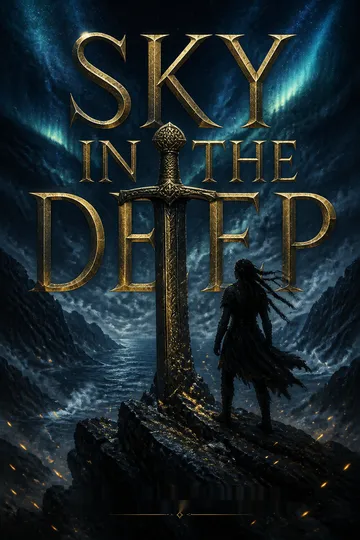
A modern saga of empathy, transformation, and peaceSky in the Deep is a powerful meditation on the futility of inherited hatred and the redemptive power of empathy. Through Eelyn's journey, the novel interrogates the boundaries of identity, loyalty, and love, asking what it means to belong and what we owe to those outside our tribe. The story's emotional arc is one of loss and renewal, as Eelyn moves from the certainty of vengeance to the vulnerability of trust. The alliance between Aska and Riki is hard-won, forged in the crucible of shared suffering and the recognition of common humanity. The novel's lessons are timely and universal: peace requires courage, forgiveness is an act of strength, and the future belongs to those willing to imagine a world beyond the wounds of the past. In a time of division, Sky in the Deep offers a vision of hope—one where love, not blood, defines who we are.
Review Summary
People Also Read
Characters
Eelyn
Eelyn is the heart of the story—a seventeen-year-old Aska warrior raised on the code of honor and vengeance. Her world is defined by the cycle of battle with the Riki and the pain of losing her mother and brother. Eelyn is strong, stubborn, and deeply loyal, but her sense of self is shattered when she discovers Iri alive among the enemy. Her journey is one of transformation: from hatred to empathy, from vengeance to forgiveness, from isolation to love. Eelyn's relationships—with her father, Mýra, Iri, and Fiske—reveal her capacity for both ferocity and tenderness. Her greatest struggle is not with her enemies, but with her own heart and the courage to choose a new way.
Iri
Iri is Eelyn's beloved older brother, presumed dead but found living as a Riki. His survival and choice to embrace a new family force Eelyn—and the reader—to question the boundaries of loyalty and identity. Iri is gentle, wise, and open-hearted, able to see the humanity in both clans. His bond with Fiske is deep, forged in the crucible of battle and suffering. Iri's love for Runa and his acceptance of the Riki way of life are both a betrayal and a beacon of hope. He embodies the possibility of reconciliation and the pain of being caught between two worlds.
Fiske
Fiske is a Riki warrior, fiercely loyal to his family and to Iri, whom he considers a brother. Initially Eelyn's captor and enemy, Fiske becomes her protector, confidant, and ultimately, her lover. He is quiet, strong, and principled, shaped by loss and the demands of survival. Fiske's willingness to risk everything for those he loves—including Eelyn—reveals a deep well of compassion beneath his hardened exterior. His relationship with Eelyn is a slow-burning transformation, built on mutual respect, shared pain, and the courage to trust. Fiske's journey mirrors Eelyn's, as he learns to see beyond the boundaries of clan and tradition.
Mýra
Mýra is Eelyn's best friend and fighting mate, a warrior as skilled and stubborn as Eelyn herself. She has suffered her own losses—her sister killed in battle—and her loyalty to Eelyn is unwavering, even when tested by betrayal and change. Mýra is a voice of tradition and caution, but also of fierce love. Her struggle to accept Iri's choices and Eelyn's transformation is a microcosm of the larger conflict between the clans. Mýra's journey is one of grief, anger, and ultimately, acceptance.
Inge
Inge is Fiske's mother and the matriarch of the Riki household. She is wise, compassionate, and strong, holding her family together through war and loss. Inge's acceptance of Iri and Eelyn, her skill as a healer, and her quiet leadership make her a symbol of hope and reconciliation. She sees beyond blood and clan, offering love and sanctuary to those in need. Inge's presence is a balm to Eelyn's wounds, both physical and emotional.
Halvard
Halvard is Fiske's young brother, a child untouched by the blood feud. His curiosity, kindness, and resilience offer a glimpse of a different future—a world where Aska and Riki children can grow up together. Halvard's bond with Eelyn and Iri is a source of light in the darkness, and his survival becomes a symbol of what is at stake in the fight against the Herja.
Runa
Runa is a Riki healer-in-training and Iri's beloved. She is intelligent, compassionate, and quietly brave, supporting Iri as he navigates his divided loyalties. Runa's relationship with Iri is a model of acceptance and partnership, and her friendship with Eelyn is a bridge between the clans. Runa's healing skills and emotional insight are vital to the survival of both families.
Aghi (Eelyn's Father)
Aghi is a formidable warrior and leader, shaped by loss and the demands of survival. His love for Eelyn and Iri is fierce, but he is also bound by the traditions and expectations of the Aska. Aghi's journey is one of grief, pride, and ultimately, the willingness to change. His acceptance of Iri's choices and Eelyn's transformation is hard-won, but essential to the possibility of peace.
The Tala
The Tala is the Riki's spiritual guide, interpreter of Thora's will, and a figure of authority and wisdom. She recognizes the need for unity and is willing to risk everything to forge a blood oath with Eelyn. The Tala's vision, courage, and willingness to embrace change are crucial to the survival of both clans. She embodies the possibility of a new path, guided by faith and hope.
The Herja
The Herja are a legendary, merciless clan whose raids force the Aska and Riki to confront their shared vulnerability. They are less characters than a force of nature—brutal, inhuman, and unstoppable. The Herja's violence exposes the futility of the old feud and compels the clans to unite. Their presence is a crucible in which new bonds are forged and old hatreds are burned away.
Plot Devices
Duality and Mirroring
The novel is structured around the duality of Aska and Riki, enemy clans whose similarities outweigh their differences. Eelyn's journey is a mirror of Iri's, and her relationship with Fiske echoes the bond between Iri and Fiske. The use of mirroring—between families, rituals, and personal struggles—highlights the arbitrary nature of the feud and the possibility of reconciliation. The narrative structure moves from division to unity, from isolation to connection.
Foreshadowing and Symbolism
The story is rich with foreshadowing—visions, dreams, and omens (such as the bear) signal coming change. Rituals of sacrifice, mourning, and oath-taking are both plot devices and symbols of deeper transformation. The collar, the taufr (protective talisman), and the blood oath all serve as physical manifestations of internal change. The recurring motif of fire—both destructive and purifying—mirrors Eelyn's journey from vengeance to renewal.
Enemies-to-Allies Arc
The central plot device is the transformation of enemies into allies, both on the personal and communal level. Eelyn's relationship with Fiske, Iri's with the Riki, and the eventual alliance between clans all follow this arc. The narrative uses escalating external threats (the Herja) to force internal change, compelling characters to question their beliefs and embrace new possibilities.
Psychological Realism
The novel delves deeply into the psychological impact of war, loss, and betrayal. Characters are shaped by trauma, and their healing is slow, painful, and incomplete. The use of close third-person narration allows readers to experience Eelyn's emotional arc intimately, from rage and despair to hope and love. The story's power lies in its willingness to confront pain and its insistence on the possibility of healing.
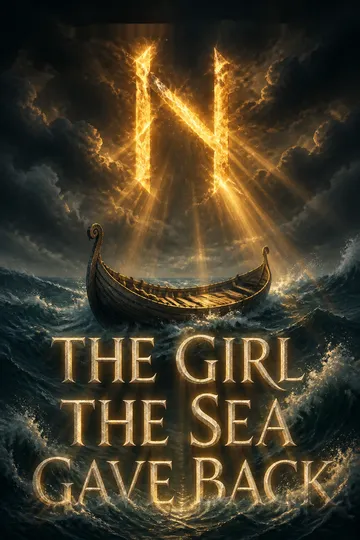
Sky and Sea Series
About the Author

Download PDF
Download EPUB
.epub digital book format is ideal for reading ebooks on phones, tablets, and e-readers.








































