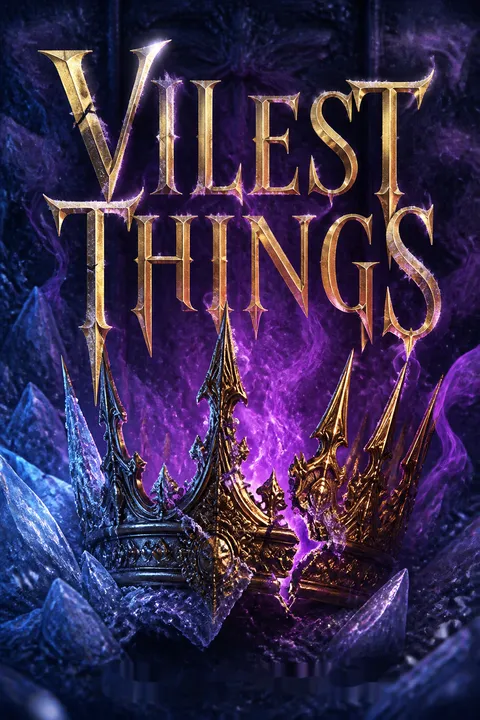

Plot Summary
Power's Bitter Aftertaste
Anton Makusa, on the brink of death, performs a forbidden jump, escaping his own body and invading the body of Prince August Shenzhi. The aftermath is disorienting and nauseating, as Anton grapples with the enormity of what he's done—he now wears the face of the heir to the throne, but with his own black-violet eyes. The palace is in chaos after the king's deadly games, and Anton's old life is gone. He discovers the truth behind his family's massacre: it was ordered by King Kasa, not random violence. Consumed by rage and betrayal, Anton vows revenge—not just against the king, but against Calla Tuoleimi, the victor who killed him in the arena. Power, he realizes, is both intoxicating and poisonous, and he is now at the center of a kingdom on the edge.
Exile and Revelations
Calla Tuoleimi, now a royal advisor, is exiled to the far province of Rincun as part of a palace delegation. The province is cold, resentful, and haunted by the violence of the past. Calla is restless, aware that her new power is precarious—her position depends on Anton (in August's body) allowing her to keep it. When a general is found dead, his heart carved out in a ritualistic manner, Calla recognizes echoes of the Crescent Societies' dark experiments. The cold intensifies, and a barracks of palace soldiers are found dead, their qi seemingly stolen. Two children survive, protected by a sigil. Calla senses that old powers are awakening, and that the provinces are hiding secrets from the palace—secrets that may be tied to her own forgotten origins.
Shadows of Loyalty
Galipei Weisanna, August's loyal guard, reflects on his years of service and the secret plot to depose King Kasa. He's always been August's shadow, but now, with August acting strangely and the palace in turmoil, Galipei feels adrift. The city is tense, the palace guard is stretched thin, and August's new policies are destabilizing the kingdom. Galipei senses something is wrong with his prince, but loyalty keeps him silent. When news arrives of a mysterious, blood-vomiting interloper in the palace, Galipei rushes to investigate, haunted by the kingdom's history of failed immortality experiments and the poisonous legacy of cinnabar. The old gods, once worshipped in the provinces, seem to be stirring again.
Walls and Entrants
At the edge of San-Er, the city wall is being moved, and migrants wait for a chance to enter. Bibi, a mysterious woman from the provinces, manipulates her way past the guards, hiding her true identity. Her arrival is felt by the city itself—San-Er, built on layers of forgotten stories and old worship, senses the return of an ancient enemy. The kingdom's victory in the war was only a temporary armistice, and now, as the wall shifts, the past threatens to break through. Bibi's presence is a harbinger: the enemy has achieved her greatest play, and the city's fragile peace is about to shatter.
Return to Turmoil
The delegation returns to San-Er, but the city is restless and the palace is a maze of secrets. Calla slips ahead of the others, helping a migrant boy evade the guards, and makes her way to the palace's surveillance room. She discovers Leida Miliu, the former captain of the guard, is still imprisoned, but the echoes of the Crescent Societies' violence persist. Anton (as August) confronts Calla, their relationship strained by betrayal and unresolved feelings. Otta Avia, Anton's comatose sister, suddenly awakens, and the palace reels from the miracle. Old alliances fracture, and the kingdom teeters on the brink of chaos.
The Living and the Lost
Otta Avia's miraculous recovery sends shockwaves through the palace. Anton is overwhelmed by her presence, torn between relief and suspicion. Calla, haunted by guilt and rivalry, prepares to flee the palace, but is drawn back by the council's decision to interrogate Leida. The council is divided, the provinces are restless, and the old gods seem to be watching. Leida, under questioning, reveals the existence of the Dovetail—a revolutionary group in the provinces with knowledge of forbidden qi techniques. As the council debates, Leida escapes by jumping into another body, and the palace goes into lockdown. The enemy is now within.
Otta's Awakening
Otta, now awake and more powerful than before, reveals her ability to jump into Weisannas—once thought impossible. She confronts Anton, exposing his true identity and challenging his motives. Their relationship, once intimate, is now fraught with suspicion and manipulation. Otta's knowledge of the palace's darkest secrets, and her connection to the Dovetail, make her a wild card in the coming conflict. Meanwhile, the palace reels from Leida's escape, and the lines between friend and foe blur. The old gods' influence grows stronger, and the kingdom's fate hangs in the balance.
Council Under Siege
The council, desperate to understand the attacks in the provinces, brings Leida for questioning. She reveals the Dovetail's revolutionary agenda and their use of sigils to manipulate qi. The council is divided, some seeking execution, others fearing the spread of rebellion. Calla, recognizing the threat, takes matters into her own hands, confronting Leida in private. Leida's knowledge of sigils and sacrifice hints at a deeper, older power at work. As the palace descends into chaos, Calla must decide whether to embrace her own dangerous abilities or risk being swept away by forces beyond her control.
The Enemy Within
Bibi, now inside the palace, moves undetected, gathering information and sowing paranoia. The palace guard is stretched thin, and the Crescent Societies' influence grows. Galipei, sensing the kingdom's unraveling, seeks answers in the Hollow Temple, where the old gods were once worshipped. He learns that cinnabar, once thought to be a path to immortality, is only deadly—unless a god is involved. The boundaries between mortal and divine blur, and the palace's defenses are no match for the enemy within. The stage is set for a confrontation that will decide the kingdom's fate.
The Hollow Temple's Echo
Galipei's visit to the Hollow Temple reveals the kingdom's forgotten history: the old gods, the use of sigils, and the sacrifices made for power. The temple elder warns that the kingdom hides more than it reveals, and that the line between mortal and god is thin. Meanwhile, Otta's true nature is revealed—she is not who she seems, and her connection to the old gods is deeper than anyone suspects. The palace is haunted by the echoes of past sacrifices, and the gods' whispers grow louder. The kingdom stands on the edge of a new era, one where the old rules no longer apply.
The Crown's True Mandate
At a palace gala, Otta publicly reveals that the divine crown in San-Er is a fake—the true crown lies hidden in the borderlands. The council and the people are thrown into chaos, questioning the legitimacy of the monarchy. Protests erupt, the Crescent Societies seize the moment, and the provinces prepare to move. Calla and Anton, now united by necessity, race to find the crown before Otta or August can claim it. The kingdom's future depends on who can wield the true mandate of heaven, and the old gods watch as mortals play their dangerous game.
The Borderlands Freeze
The royal delegation, fractured and mistrustful, travels north through the provinces toward the borderlands. Attacks by the Dovetail and other rebels decimate their numbers. In Rincun, a supernatural cold freezes the province, trapping its people in slow motion—an aftereffect of stolen qi and ancient sigils. Otta, now revealed as a powerful adversary, moves ahead of the others, seeking the crown for herself. Calla and Anton, using forbidden sigils, jump from body to body to cross the frozen land. The borderlands are a graveyard of vessels, and the true nature of the kingdom's war is revealed: it was a civil war, not a foreign invasion, and the old gods' power is real.
The Dovetail's Bargain
As the delegation fractures, alliances shift. The Dovetail, once thought to be mere rebels, are revealed as keepers of ancient knowledge and power. Galipei's secret bargain with them, made on August's behalf, comes to light—August orchestrated attacks on the provinces to weaken the council and seize control. Calla and Anton, now fugitives, must decide whether to trust each other or risk everything for their own survival. The cost of revolution is high, and the kingdom teeters on the edge of anarchy.
The Queen's Forgotten Name
In the borderlands, Calla discovers the truth about her own identity: she is the reincarnation of Sinoa Tuoleimi, the queen who led the losing side of the civil war. The kingdom erased her from history, inventing the myth of a foreign enemy to justify its violence. The palace in the mountains is a tomb, filled with the bodies of sacrifices and the echoes of forgotten gods. Calla, wearing the face of the lost queen, must decide whether to claim her legacy or forge a new path. The past and present collide, and the true nature of power is revealed.
Sacrifice and Sigils
In the palace of the borderlands, Calla and Anton confront Otta in a final battle. The crown, a vessel of unimaginable qi, can only be claimed by one who has made the ultimate sacrifice. Calla, marked by sigils and haunted by the voices of the past, seizes the crown and unleashes its power. Otta is defeated, but escapes. The crown fuses to Calla, granting her the mandate of heaven. The cost is high—innocents have died, and the kingdom is forever changed. The old gods are awake, and the age of mortals is ending.
The Delegation Fractures
The survivors of the delegation return to San-Er, only to find the city in chaos. The Crescent Societies have seized the palace, the council is decimated, and the people demand freedom. Calla, now wearing the crown, is hailed as the new ruler by the revolutionaries. August, defeated, retreats to the provinces, plotting his return. The old order has fallen, and a new era begins—one where power is claimed by those willing to pay the price in blood and sacrifice.
The Crown's Awakening
With the crown fused to her, Calla leads a coup against August and the remnants of the old regime. The Crescent Societies, once outcasts, now rule the streets. The palace is a battlefield, and the city trembles under the weight of unleashed qi. Calla's power is both a blessing and a curse—she can level cities, but at the cost of her own humanity. The people kneel before her, and the old gods whisper their approval. The kingdom is reborn in fire and blood.
Coup in San-Er
Calla and Anton, now united by love and shared purpose, confront August at the gates of San-Er. The city's fate hangs in the balance as the two claimants to the throne face off. Calla, wielding the crown's power, defeats August and is hailed as the new ruler. The Crescent Societies consolidate their hold, and the council is purged. The kingdom is free, but at a terrible cost. The old gods have returned, and the age of mortals is over.
The Price of Power
In the aftermath of the coup, Calla struggles with the burden of power and the legacy of violence. The provinces are restless, the Crescent Societies demand freedom, and the old gods are awake. August and Otta, both revealed as more than they seem, plot their return. Anton swears loyalty to Calla, and together they prepare for the battles to come. The kingdom is forever changed—its history rewritten, its future uncertain. The vilest things have been unleashed, and the age of false gods has ended.
Analysis
Chloe Gong's Vilest Things is a sweeping, brutal meditation on power, identity, and the cyclical nature of history. At its core, the novel interrogates who gets to write the story of a nation—and at what cost. Through the intertwined fates of Calla, Anton, August, and Otta, Gong explores the hunger for legitimacy, the trauma of erasure, and the seductive danger of revolution. The body-jumping mechanic is more than a fantasy conceit; it is a metaphor for the instability of self and the violence required to survive in a world built on lies. The novel's use of sigils, sacrifice, and the return of the old gods blurs the line between myth and reality, forcing characters to confront the consequences of their choices. In the end, Vilest Things is a warning: the vilest things are not monsters or gods, but the wounds we inflict on each other in the name of justice, love, and power. The lesson is clear—true change demands not just the overthrow of tyrants, but the willingness to reckon with the vilest parts of ourselves.
Review Summary
People Also Read

Characters
Calla Tuoleimi
Calla is a complex, haunted figure—an orphan from the provinces who invaded the body of a princess at age eight, erasing her own past and taking on a new identity. She is both victim and perpetrator, driven by vengeance for her destroyed village and a hunger for justice. Calla's relationship with Anton is fraught with love, betrayal, and shared trauma; she killed him in the arena, yet cannot let him go. As the story unfolds, Calla discovers she is the reincarnation of Sinoa Tuoleimi, the forgotten queen who led the losing side of the civil war. Her journey is one of self-discovery, sacrifice, and the struggle to wield power without becoming the very tyrant she sought to destroy. She is both the kingdom's savior and its vilest thing.
Anton Makusa
Anton is a man defined by loss and rage. The last of the Makusas, his family was massacred on the king's orders, and he was exiled from the palace. Gifted with the rare ability to jump between bodies, Anton is both a fugitive and a master of survival. His love for Otta and Calla is deep but destructive, leading him to betray and be betrayed in turn. When he invades August's body, he becomes both king and imposter, struggling with the weight of power and the ghosts of his past. Anton's journey is one of revenge, redemption, and the search for a place to belong. He is both a weapon and a wound, and his choices shape the fate of the kingdom.
August Shenzhi
August is the adopted heir to the throne, raised to be both charming and ruthless. His loyalty to the kingdom is absolute, but his methods are cold and pragmatic. August orchestrates the downfall of his enemies, manipulates the council, and is willing to sacrifice anything for power—including his own humanity. When Anton invades his body, August becomes both victim and adversary, fighting to reclaim his place. His relationship with Galipei is one of deep loyalty, but even that is tested by the kingdom's unraveling. August is the embodiment of the old order—hungry, cunning, and ultimately doomed.
Otta Avia / Sinoa Tuoleimi
Otta is Anton's beloved, long-comatose sister, whose awakening signals the return of ancient powers. But Otta is not who she seems—she is the vessel for Sinoa Tuoleimi, the forgotten queen and leader of the losing side in the civil war. Her mastery of forbidden qi, her ability to jump into Weisannas, and her knowledge of the kingdom's deepest secrets make her a formidable adversary. Otta/Sinoa is both victim and villain, seeking to reclaim her lost throne and rewrite history. Her relationship with Anton and Calla is a tangle of love, rivalry, and betrayal, and her actions set the kingdom on a path to destruction.
Galipei Weisanna
Galipei is August's devoted bodyguard, assigned to him as a child and trained to be both protector and confidant. His loyalty is unwavering, but as August's behavior grows erratic, Galipei is forced to question everything he knows. He is the kingdom's conscience, bearing witness to its crimes and sacrifices. Galipei's own abilities are tested as the old gods return, and his relationship with August is both his strength and his undoing. He is the last line of defense against chaos, but even he cannot stop the tide.
Leida Miliu
Leida is the former captain of the palace guard, imprisoned for treason after conspiring with the Crescent Societies. She is both idealist and pragmatist, seeking to bring down the monarchy but haunted by the unintended consequences of her actions. Leida's knowledge of sigils and sacrifice makes her a key figure in the kingdom's unraveling. Her relationship with Calla is one of mutual respect and rivalry, and her death at Calla's hands is both a sacrifice and a warning. Leida is the embodiment of the revolution's cost.
Bibi / Buira Makusa
Bibi, revealed to be Buira Makusa—Anton's long-lost sister—operates in the shadows, infiltrating the palace and orchestrating the Crescent Societies' rise. She is a master of disguise, manipulation, and survival, embodying the resilience of the provinces. Her reunion with Anton is both a moment of hope and a harbinger of further conflict. Bibi's knowledge of the old gods and her willingness to embrace anarchy make her a pivotal player in the new order.
Venus Hailira
Venus is the young, inexperienced councilmember for Rincun, thrust into power after her father's death. She is idealistic, compassionate, and out of her depth, struggling to navigate the kingdom's politics and the violence of the provinces. Venus's attempts to protect her people are often thwarted by forces beyond her control, and her eventual alliance with the revolutionaries is both a survival tactic and a sign of the old order's collapse.
The Crescent Societies
The Crescent Societies are a network of temples, cults, and outcasts who worship the old gods and seek to overthrow the monarchy. Their methods are brutal, their knowledge of sigils and sacrifice unmatched. They are both liberators and destroyers, seizing the moment to claim power as the kingdom falls apart. Their alliance with Calla is uneasy, and their ultimate goals remain shrouded in mystery.
The Dovetail
The Dovetail are a revolutionary group in the provinces, skilled in the use of sigils and manipulation of qi. They are both allies and adversaries to the palace, striking at the heart of the kingdom's power. Their secret bargain with August sets the stage for the civil war, and their actions force the kingdom to confront its forgotten history.
Plot Devices
Body Jumping and Qi Manipulation
The ability to jump between bodies—once thought to be limited by strict rules—becomes a metaphor for the fluidity of identity and the hunger for power. Forbidden sigils, sacrifices, and the manipulation of qi blur the line between mortal and divine, allowing characters to escape death, seize thrones, and rewrite history. This device drives the plot's twists, reveals hidden truths, and forces characters to confront the consequences of their actions. The narrative structure is cyclical, with past and present mirroring each other, and foreshadowing is woven through dreams, memories, and the whispers of the old gods.
The Crown and the Mandate of Heaven
The divine crown, believed to grant the mandate of heaven, is revealed to be a fake—its true power hidden in the borderlands. The search for the crown becomes a quest for legitimacy, forcing the kingdom to confront the lies at its foundation. The crown's awakening unleashes ancient qi, reshaping the world and granting godlike power to its wearer. The struggle to claim the crown is both a literal and symbolic battle for the soul of the kingdom.
Forgotten History and Reincarnation
The kingdom's true history—a civil war, not a foreign invasion—has been erased, and the victors have written their own myth. The reincarnation of Sinoa Tuoleimi, the lost queen, in Calla's body, is both a personal and political reckoning. The past bleeds into the present, and the old gods, once banished, return to claim their due. The narrative uses dreams, hallucinations, and the voices of the dead to foreshadow the return of forgotten powers.
Sacrifice and Sigils
The use of sigils and sacrifice to manipulate qi is both a source of power and a curse. Characters must pay a terrible price—blood, memory, identity—to wield the old gods' gifts. The sigils are a plot device that unlocks forbidden abilities, but also mark the user for destruction. The theme of sacrifice runs through every major turning point, culminating in the crown's awakening and the kingdom's transformation.
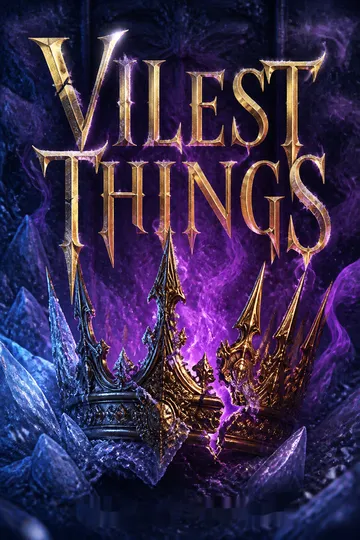
Flesh and False Gods Series
About the Author


Download PDF
Download EPUB
.epub digital book format is ideal for reading ebooks on phones, tablets, and e-readers.








































