
Summary Temporarily Unavailable
This summary is temporarily unavailable and is currently being updated. You can still explore the FAQs and other metadata below.
Plot Summary
Queens and Chains
In the cold corridors of Terrsaw's palace, Queen Alvira and her consort Cressida navigate the treacherous politics of rule, their marriage a careful dance of affection and rivalry. Beneath the surface, Cressida's bitterness simmers, her role as the "lesser" queen a constant source of pain. In the dungeons, Ruby, once a loyal captain, is broken and forced to betray Dawsyn Sabar, the rebel who threatens the fragile peace. The queens' power is absolute, but their grip is slipping as the world outside grows restless, and the cost of their bargains—especially the one that condemned the Ledge people—begins to haunt them.
Chasm's Descent
Dawsyn Sabar leads the survivors of the Ledge into the Chasm, a place of darkness and uncertainty. The group is battered, grieving the loss of the mage Baltisse, whose sacrifice saved them but left Dawsyn wracked with guilt. The Chasm is a world apart, echoing with the memories of those who fell before. Dawsyn's leadership is tested as she tries to unite a people shaped by scarcity and suspicion, promising them a future she herself can barely imagine. The journey is slow, the dangers unknown, and the only certainty is that there is no turning back.
Lies for Survival
As the group moves deeper into the Chasm, Dawsyn is forced to lie about their destination, claiming safety lies ahead in Terrsaw. The truth—that the valley is no sanctuary—would shatter their fragile unity. Ryon, her Glacian lover, challenges her, but Dawsyn stands firm, knowing the people will not follow her into the unknown without hope. The burden of leadership grows heavier, and the seeds of doubt are sown among the survivors. Old rivalries and new fears threaten to tear them apart before they can even face the dangers lurking in the dark.
The Long Dark
The Chasm becomes a crucible, testing the limits of body and spirit. Hunger, injury, and mistrust gnaw at the group. Dawsyn and Ryon cling to each other for comfort, their love a rare warmth in the cold. The people's faith in Dawsyn wavers as progress slows and the end remains out of sight. The darkness is oppressive, and the echoes of the past—both personal and collective—haunt every step. The journey is not just through the Chasm, but through the depths of their own fears and regrets.
Yennes' Escape
Yennes, the iskra witch, recalls her own escape from the Chasm decades earlier. Driven to the brink by the voices in the dark, she is saved by Baltisse, who brings her to the safety of Terrsaw's coast. There, Yennes learns to wield her magic and to live with the scars of her past. Her story is one of endurance and the high cost of survival, a mirror to Dawsyn's current struggle. The lessons of the past echo forward, shaping the choices of those who remain.
Voices in the Deep
The Chasm's true horror reveals itself—not just in physical threats, but in the insidious voices that prey on the weak and weary. Sickness spreads, and the line between reality and hallucination blurs. Old traumas resurface, and the group is rocked by violence from within as one of their own attempts assault. Dawsyn's justice is swift and brutal, but the incident exposes the fragility of their community. The Chasm is not just a place, but a living nightmare that seeks to consume them all.
Sickness Spreads
A mysterious illness takes hold, sapping strength and will. The water may be tainted, but there is no choice but to drink. Dawsyn and Yennes struggle to heal the sick, but their magic is limited. The group grows weaker, and the voices in the dark grow stronger, urging surrender and death. The journey becomes a race against time, with hope dwindling as each day passes. The cost of survival mounts, and the promise of freedom seems ever more remote.
Thrones and Threats
In Terrsaw, Queen Alvira faces threats from within and without. The legend of the Dyvolsh infection—a madness that once ravaged the land—haunts her, as does the specter of the Glacian king Adrik, who arrives demanding the return of his "livestock." The political game grows deadly, with Ruby and Cressida caught in the crossfire. The fate of the Ledge people becomes a bargaining chip, and the lines between friend and foe blur. The stage is set for a reckoning that will shake the foundations of power.
Secrets and Sacrifice
Dawsyn's lies are exposed, and the group's trust in her shatters. Nevrak, the Splitter, challenges her leadership, and the threat of violence looms. The sickness claims more lives, driving some to madness and suicide. The voices in the Chasm become irresistible, urging self-destruction. Dawsyn herself is nearly lost, but is saved by Rivdan. The cost of leadership is isolation, and the burden of guilt grows heavier with every loss. The only way forward is through sacrifice—of truth, of self, of hope.
Mage's Bargain
The group finally reaches the end of the Chasm, only to find not salvation, but a lake of fire—a dead end guarded by the vengeful spirit Yerdos. Dawsyn confronts the ancient mage, not with violence, but with empathy, breaking the cycle of rage and retribution. Yerdos, moved by Dawsyn's compassion, releases her and the survivors, returning them to the mountain. The lesson is clear: true power lies not in destruction, but in understanding and mercy. The survivors are changed, but the journey is not yet over.
Madness and Fire
As the survivors regroup on the mountain, they encounter the mage clan, keepers of ancient magic and old grudges. The mages, led by Roznier, offer healing but demand a price: the destruction of the Pool of Iskra, the source of Glacian power. Dawsyn, uniquely able to wield both mage and iskra magic, agrees to the bargain, knowing it may cost her life. The past and present collide as old enemies are burned and new alliances are forged. The cycle of violence threatens to repeat, but Dawsyn's choice offers a chance for something new.
Betrayal at the Gate
In Terrsaw, Cressida and Ruby orchestrate a revolt against Alvira, revealing the truth of the Ledge people's fate to the kingdom. The people rise, and the Queen's power crumbles. Alvira, unable to accept defeat, murders Cressida in a final act of betrayal. The cost of complicity is paid in blood, and the old order falls. The stage is set for a final confrontation, as the survivors and their allies prepare to face the Glacians and reclaim their future.
The End of the Chasm
Dawsyn and her companions return to the valley, only to find it on the brink of war. The mixed-blooded Glacians, led by Ryon, join forces with the Ledge survivors and the Terrsaw rebels. The final battle is brutal and costly, with old enemies falling and new leaders rising. Dawsyn refuses the crown, passing it to Ruby, and chooses instead a life of peace with Ryon. The Pool of Iskra is destroyed, ending the cycle of violence and opening the way for a new era.
Yerdos' Judgment
Dawsyn faces Yerdos, the vengeful spirit of the Chasm, and breaks the cycle of rage by offering understanding instead of violence. Yerdos, recognizing a kindred spirit, releases Dawsyn and the survivors, allowing them to return to the mountain. The encounter is a turning point, marking the end of the old world and the beginning of something new. The lesson is clear: healing comes not from vengeance, but from compassion and the willingness to forgive.
The Mountain's Return
The survivors return to the mountain, changed by their ordeal. Old wounds are reopened, and new ones are made as they search for lost friends and mourn the dead. Dawsyn's reunion with Ryon is bittersweet, shadowed by the knowledge that their peace is fragile and hard-won. The cost of survival is high, but the promise of a new life—free from the chains of the past—offers hope. The mountain is no longer a prison, but a place of possibility.
The Mage Clan
The mage clan, keepers of the mountain's secrets, offer healing and sanctuary, but demand a price: the destruction of the Pool of Iskra. Dawsyn, uniquely able to wield both mage and iskra magic, agrees to the bargain, knowing it may cost her life. The past and present collide as old enemies are burned and new alliances are forged. The cycle of violence threatens to repeat, but Dawsyn's choice offers a chance for something new.
The Pool's Price
Farra, Ryon's mother, returns to Glacia and absorbs the Pool of Iskra, sacrificing herself to end its power. The act shakes the world, breaking the cycle of violence and opening the way for a new era. The cost is high—Farra's life, and the loss of the old order—but the survivors are freed from the chains of the past. The lesson is clear: true power lies not in domination, but in the willingness to let go.
The Last Battle
The final battle for the valley is fought, with the Ledge survivors, mixed-blooded Glacians, and Terrsaw rebels uniting against Alvira and Adrik. The cost is high—lives are lost, and old wounds reopened—but the old order falls. Dawsyn refuses the crown, passing it to Ruby, and chooses instead a life of peace with Ryon. The survivors bury their dead and begin to build a new world, free from the chains of the past.
Aftermath and Ashes
In the aftermath of war, the survivors mourn their dead and begin to rebuild. Dawsyn and Ryon choose a life together, away from thrones and crowns, while Ruby leads Terrsaw into a new era. The borders between Glacia and Terrsaw are abolished, and the cycle of violence is broken. The story ends not with triumph, but with the quiet promise of peace, and the knowledge that even the deepest wounds can heal.
Analysis
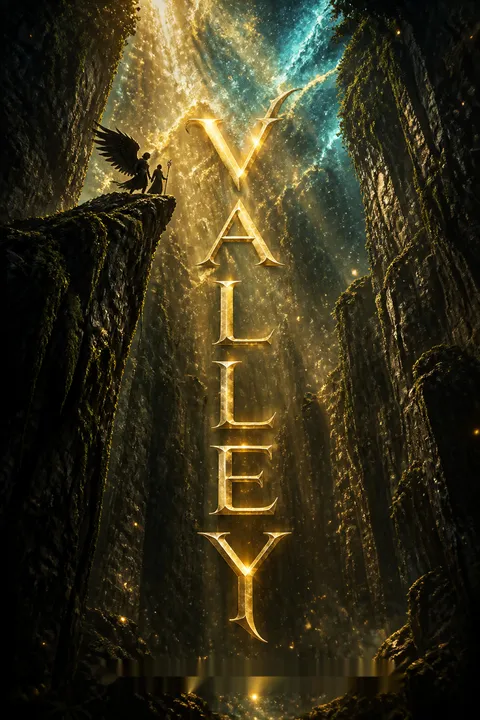
Stacey McEwan's Valley is a sweeping fantasy that interrogates the cost of survival, the legacy of trauma, and the possibility of breaking cycles of violence. At its heart, the novel is about the power of choice—how individuals and communities can choose compassion over vengeance, truth over comfort, and hope over despair. The Chasm, both literal and metaphorical, represents the darkness that must be traversed to reach healing; the journey through it is harrowing, marked by loss, betrayal, and the seductive pull of surrender. Yet, the story insists that survival is not enough—true freedom requires confronting the past, forging new bonds, and daring to imagine a different future. The destruction of the Pool of Iskra, achieved through sacrifice and the fusion of dual magics, symbolizes the breaking of old patterns and the birth of a new era. The novel's modern resonance lies in its exploration of found family, the dangers of unchecked power, and the necessity of collective action. Ultimately, Valley is a testament to resilience, the redemptive power of love, and the enduring hope that even the deepest wounds can heal.
Last updated:
Report IssueReview Summary
People Also Read
Characters
Dawsyn Sabar
Dawsyn is the fierce, sharp-tongued protagonist whose journey from the Ledge to the valley is marked by loss, guilt, and the burden of leadership. Haunted by her family's legacy and the trauma of survival, she is both a warrior and a caretaker, driven by a deep sense of responsibility to her people. Her relationship with Ryon is a source of strength and vulnerability, challenging her to trust and hope. Dawsyn's arc is one of transformation—from exile to leader, from vengeance to compassion. Her willingness to sacrifice herself for others is both her greatest strength and her deepest wound.
Ryon Mesrich
Ryon is a Glacian-human hybrid, marked by his wings and his outsider status. Trained as a fighter but shaped by loss and betrayal, he is both protector and rebel. His love for Dawsyn is transformative, challenging his loyalty to his own kind and forcing him to confront the legacy of violence he inherits. Ryon's journey is one of self-acceptance and the forging of a new identity—one that bridges worlds and breaks cycles. His relationship with Dawsyn is passionate and fraught, a partnership forged in fire and tested by sacrifice.
Queen Alvira
Alvira is the cold, calculating Queen of Terrsaw, whose bargains and betrayals set the story in motion. Her love for Cressida is genuine but twisted by ambition and fear. Alvira's inability to relinquish power leads to her downfall, and her final acts are marked by madness and violence. She is both a product and a perpetuator of the system she rules, embodying the dangers of unchecked power and the corrosive effects of guilt and regret.
Cressida
Cressida is Alvira's wife, trapped in a role that demands both subservience and popularity. Her resentment and longing for agency drive her to rebellion, but her actions come at a terrible cost. Cressida's arc is one of awakening and sacrifice, as she chooses to stand against her wife for the greater good. Her death is a turning point, marking the end of the old order and the beginning of a new era.
Ruby
Ruby is a complex figure, torn between duty and conscience. Once a loyal servant of the crown, her experiences in the dungeons and on the battlefield transform her into a leader in her own right. Ruby's loyalty to Dawsyn and the Ledge people is unwavering, and her eventual ascension to the throne marks a new chapter for Terrsaw. She embodies the possibility of redemption and the power of ordinary people to change the world.
Yennes / Farra
Yennes, also known as Farra, is a woman marked by trauma and endurance. Her journey from the Chasm to Terrsaw and back to Glacia is one of survival at any cost. As Ryon's mother, her choices are fraught with regret and longing. Her ultimate sacrifice—absorbing the Pool of Iskra—breaks the cycle of violence and offers a chance for healing. Yennes embodies the cost of survival and the possibility of redemption, even for those who have lost their way.
Rivdan
Rivdan is a mixed-blooded Glacian, a companion to Ryon and Tasheem, and a source of wisdom and humor. His loyalty is unwavering, and his death in the final battle is a devastating loss. Rivdan represents the cost of war and the importance of memory and storytelling in preserving the past and shaping the future.
Tasheem
Tasheem is a fierce fighter, marked by injury and resilience. Her loyalty to Ryon and Dawsyn is unshakeable, and her grief at Rivdan's death is profound. Tasheem embodies the strength and vulnerability of those who fight for a better world, and her journey is one of endurance and hope.
Abertha
Abertha is a young woman from the Ledge, marked by trauma but determined to survive. Her relationship with Dawsyn is one of mutual respect and understanding, and her survival represents the possibility of a new generation free from the chains of the past.
Roznier
Roznier is the leader of the mage clan, a figure of immense power and regret. Her role in creating the Pool of Iskra haunts her, and her interactions with Dawsyn are marked by both rivalry and respect. Roznier embodies the dangers of unchecked power and the possibility of atonement through sacrifice.
Plot Devices
Dual Magic and the Pool of Iskra
The narrative is driven by the interplay between mage magic and iskra, embodied in Dawsyn's unique ability to wield both. The Pool of Iskra, created by ancient mages, is both a source of power and a curse, fueling the Glacians' dominance and the cycle of violence. The destruction of the pool becomes the central quest, requiring sacrifice and the breaking of old patterns. The duality of magic mirrors the duality within the characters—human and Glacian, vengeance and mercy, past and future.
The Chasm as Metaphor
The Chasm is both a literal and symbolic space—a place of exile, suffering, and rebirth. The journey through the Chasm tests the survivors physically and psychologically, forcing them to confront their deepest fears and regrets. The voices in the dark represent the legacy of trauma and the seductive pull of surrender. Emerging from the Chasm marks a turning point, a passage from death to life, from the old world to the new.
Cycles of Betrayal and Redemption
The story is structured around cycles—of violence, betrayal, and sacrifice. Characters are repeatedly forced to choose between self-preservation and the greater good, between vengeance and forgiveness. The breaking of these cycles—through acts of compassion, understanding, and self-sacrifice—offers the possibility of healing and a new beginning. The narrative structure mirrors this, with echoes of the past shaping the present and the future.
Foreshadowing and Prophecy
The legends of Yerdos, the Dyvolsh infection, and the Pool of Iskra foreshadow the challenges the characters will face. Prophecies and songs haunt the narrative, their meanings unfolding as the story progresses. The use of prophecy creates a sense of inevitability, but the characters' choices ultimately determine their fate, subverting the idea of destiny.
Found Family and Chosen Bonds
The bonds between Dawsyn, Ryon, and their companions are central to the story. The found family they create offers a counterpoint to the cycles of violence and betrayal, providing strength, comfort, and hope. The narrative structure emphasizes these relationships, with moments of intimacy and connection breaking up the darkness and offering a vision of a better world.
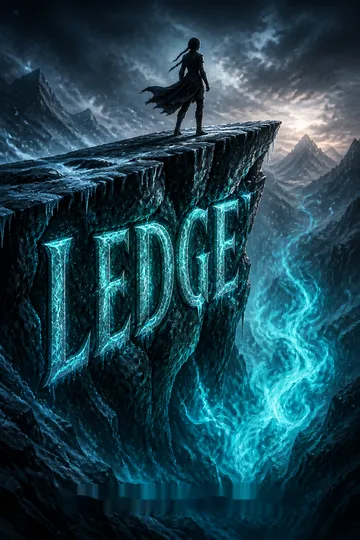
The Glacian Trilogy Series
About the Author
Stacey McEwan is an Australian author residing in Queensland with her family, which includes her husband and two children. She balances her professional life between two roles: teaching during the day and writing at night. McEwan is the author of the book titled "Valley," showcasing her ability to pursue her passion for writing while maintaining a career in education. Her dual commitment to both teaching and authorship demonstrates her versatility and dedication to both fields. As a Queensland resident, McEwan's work may be influenced by the unique landscapes and culture of the Australian state.

Download PDF
Download EPUB
.epub digital book format is ideal for reading ebooks on phones, tablets, and e-readers.








































