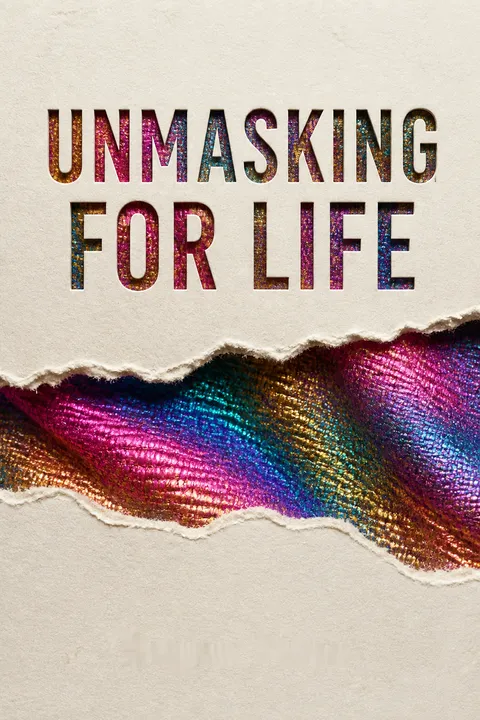

Key Takeaways
1. Unmasking is a Lifelong Journey to Your Authentic Autistic Self
Discovering that I was Autistic gave me the freedom to behave in a more obviously Autistic way, and my life improved immensely.
Embrace authenticity. Many Autistic individuals spend years unknowingly masking their true selves, driven by societal pressure to conform to neurotypical standards. This masking, an attempt to hide disability, leads to profound confusion, detachment, and self-hatred. The author's personal journey, discovering Autism at 25 despite a PhD in psychology, highlights how pervasive these stereotypes are, often portraying Autism as a debilitating burden for young boys, ignoring the complex reality for many others.
The cost of conformity. Masking is a survival strategy, but it comes at an immense personal cost, leading to loneliness, social anxiety, depression, substance abuse, self-harm, and even suicidal thoughts. It prevents the formation of authentically loving relationships because one's true self remains hidden. The author's transformation post-diagnosis—embracing sensory accommodations, unique thinking, and expressive interests—demonstrates that shedding the mask is crucial for physical and mental well-being.
Beyond self-acceptance. Unmasking extends beyond internal healing; it's about constructing a radically new, proudly disabled way of living. This involves challenging societal norms, advocating for needs, and building relationships that revolve around genuine requirements rather than neurotypical expectations. It's a call to action for all neurodivergent and nonconforming individuals to dig up their long-hidden selves and find a secure, nourishing bed in which they can be planted and grow.
2. Master Five Core Skills for Neurodivergent Self-Advocacy
The true social skills that Autistic people need help developing are not ones of acquiescence or attentiveness. Rather, they are the ones that will allow us to actively demand the accommodations and just treatment we need.
Beyond conventional "social skills." Traditional social skills training for Autistic people often focuses on forcing conformity—making eye contact, feigning interest, suppressing stims—which ultimately reinforces masking. This approach, akin to harmful ABA therapy, disregards autonomy and perpetuates the idea that Autistic individuals must appeal to the neuroconforming majority. Instead, true liberation comes from developing skills that enable self-advocacy and authentic engagement.
The AETTC framework. The book introduces five core skills essential for unmasking and thriving:
- Acceptance: Embracing change, loss, and uncertainty, building resilience in an unpredictable world.
- Engagement: Initiating productive conflict, discussion, and disagreement to assert needs and perspectives.
- Transgression: Deliberately violating unfair rules, demands, and social expectations that restrict authenticity.
- Tolerance: Developing the capacity to withstand distress, disagreement, and being disliked without folding.
- Creation: Inventing new accommodations, relationship structures, and ways of living that center neurodivergent needs.
Reclaiming agency. These skills empower Autistic individuals to tune back into themselves, voice concerns, and actively shape their lives. They challenge the passive role often assigned to neurodivergent people, fostering agency and enabling the construction of a life that works with Autism, not against it. This framework is a roadmap to a vibrantly Autistic existence, where one authors the rules for their own life.
3. Cultivate Authentic Friendships by Challenging Neurotypical Norms
The more I try, the more others pull away.
The paradox of masking. Many masked Autistics, like Delilah, believe that conforming to social norms will lead to acceptance, but often find the opposite is true. Masking can make bonds superficial and unsupportive, as others sense inauthenticity or reflexive mistrust. Research shows that masking can actually lead to less belongingness and increased psychological distress, rather than the desired social integration.
Coping with anti-Autistic bias. Non-Autistic people often harbor unconscious biases, disliking Autistic individuals within seconds of meeting, even without knowing of their disability. This "double empathy problem" means Autistic communication is often misinterpreted. However, studies show that disclosing Autism can reduce this bias, as it provides an explanation for perceived "oddness," making others more open to connection.
Strategies for genuine connection:
- Acceptance: Venture into new social spaces, online or in-person, and commit to consistent participation (Mel's Rule: "You don't have to do shit, say shit, or feel shit that you don't want to.").
- Engagement: Actively participate by asking questions, offering help, sharing information, or simply being present and responsive to the environment.
- Transgression: Prioritize unconventional, stigmatized, or strange people and spaces. Challenge ableist stigmas by openly embracing your unique qualities.
- Tolerance: Build distress tolerance for rejection or awkwardness, understanding that not everyone will like you, and that's okay.
- Creation: Invent neurodivergent-friendly ways to interact, such as parallel play, watch parties, support swapping, or structured interactions that reduce social pressure.
By embracing authenticity and actively shaping social interactions, Autistic individuals can move beyond superficial "social snacking" to forge deep, supportive friendships that truly value their unique selves.
4. Redefine Family Dynamics and Embrace Your Chosen Kin
I leapt from security and plummeted into the abyss.
Navigating masked family systems. The diagnosis of one Autistic person often creates a ripple effect, revealing hidden neurodivergence in older generations. These relatives, having masked for decades in less accepting times, may cling to old coping strategies like withdrawal, explosiveness, rigidity, codependency, workaholism, or addiction. They may judge unmasking family members harshly, associating openness with vulnerability and failure, as Aisha's mother did when Aisha embraced her queer identity and left a conventional marriage.
Establishing new patterns. Unmasking within the family requires patient education, using Autistic-created resources to expand understanding. It also demands direct communication about needs and boundaries, framing requests as opportunities for family members to help. Consent educator Sarah Casper suggests assigning tasks to relatives, like asking a grandparent to help teach a child bodily autonomy by requesting permission for hugs, which can be more effective than issuing commands.
Coping with abuse and estrangement. For some, family dynamics are too dysfunctional or abusive to navigate, necessitating estrangement. This painful decision requires affirming one's right to distance, planning for practical concerns (finances, housing, childcare), finding support, and grieving the loss. Strategies like "grey rocking" or "specific compliance" can help minimize conflict when full estrangement isn't immediately feasible. Ultimately, it's about prioritizing one's well-being over maintaining harmful connections.
Creating chosen family. When biological family cannot provide the necessary support, Autistic individuals can create "found families" – committed, intimate relationships that may or may not be romantic or sexual. These can include queerplatonic partnerships, polyamorous structures, or interdependent living arrangements. These chosen families offer unconditional acceptance, practical support, and a sense of belonging, allowing Autistic individuals to thrive in ways traditional family structures often cannot.
5. Navigate Work and Capitalism on Your Own Neurodivergent Terms
Masking was surely better than being poor?
The dilemma of work. For many Autistic people, the job market presents a stark choice: mask to survive in a neurotypical-designed system, or unmask and risk unemployment, poverty, and burnout. The author's experience, like Fern Brady's, highlights the immense privilege and luck required to find a sustainable job, often at the cost of mental and physical health. Masking at work is a "recipe for trauma," leading to burnout and even suicidality.
Beyond traditional employment. The book challenges the capitalist norm that stable employment is the sole measure of worth. Many Autistic individuals find survival through alternative means:
- Disability and social welfare benefits (e.g., food stamps, rental assistance).
- Mutual aid funds and crowdfunding.
- Unconventional living arrangements (vans, tiny homes, co-ops).
- Skills sharing, nannying, tutoring, or sex work.
- Prioritizing passions and community contributions over wage labor, as Nathan Shuherk does with book reviewing or L with their virtual book club.
Strategic job seeking and accommodations. For those who choose to work, career discernment is crucial. This involves honestly assessing one's skills and limitations, and seeking roles that align with neurodivergent needs (e.g., remote work, flexible hours, clear communication). During interviews, Autistic applicants face bias, but strategic self-disclosure can sometimes improve perceptions. Requesting accommodations, whether formally through HR or informally with a manager, can transform a workplace.
Labor organizing for systemic change. Employee Resource Groups (ERGs) can offer community but often lack real power. True change comes from collective action and labor organizing. Unionized workplaces offer disabled workers better wages, job security, and responsiveness to accessibility requests. By engaging with colleagues, discussing salaries, and challenging norms, Autistic individuals can contribute to broader movements that benefit all workers, creating a more accessible and just professional landscape.
6. Forge Love and Sex Lives that Honor Your Unique Desires
You don’t get to choose what you find enjoyable. You just notice it, and then you can decide whether to act on it.
Challenging dating scripts. Autistic people desire romantic relationships at similar rates to neurotypicals but struggle with initiation and maintenance due to social isolation and communication differences. Conventional dating rules, which often involve concealing one's true personality and playing games, are particularly destructive for Autistics, leading to inauthenticity and burnout. Unmasking in love means rejecting these scripts and communicating desires openly.
Embracing Autistic pleasure. Autistic individuals often have unique sensory profiles and intense special interests that extend to their sexualities. This can manifest as:
- Asexuality (8x more likely than neurotypicals), where sexual attraction is absent, but sensuality and intimacy are still desired.
- Specific fetishes and kinks, which may seem unusual or taboo to neurotypicals but are deeply pleasurable and meaningful.
- Disinterest in common sexual activities (e.g., penetrative sex, cuddling) due to sensory aversions.
Explicit consent and communication. Autistic people often struggle to identify their own boundaries or read nonverbal cues from others. The "double empathy problem" means misinterpretations are common. Explicit communication is paramount:
- Directly stating desires and limits.
- Asking partners how they like to be touched or what makes them feel valued.
- Using tools like "We Should Try It" for kink exploration.
- Recognizing that a partner's "no limits" statement is a red flag, as everyone has boundaries.
Unconventional relationship structures. Autistic people are more likely to explore nonmonogamous or unconventional relationships, such as queerplatonic partnerships, polyamory, or solo polyamory. These structures can better accommodate needs for both support and space, challenging amatonormativity—the societal assumption that a single, exclusive romantic relationship is the ultimate goal. By creating relationships that prioritize authenticity and mutual respect, Autistic individuals can find profound connection and pleasure on their own terms.
7. Design a Fulfilling Life Beyond Neurotypical Expectations
A life that is centrally motivated by merely escaping danger is not a full life.
Beyond survival to thriving. Early unmasking focuses on safety from harm and managing basic needs. But true liberation means moving beyond mere survival to actively pursuing joy, purpose, and dreams. This involves creating environments where needs are met and one feels valued, rather than just avoiding ostracism. Examples like Clover living on a narrowboat or hikers finding community on trails illustrate how unconventional lifestyles can reduce capitalist and conformity pressures.
Reclaiming passions and hobbies. Autistic special interests are often shamed as immature or obsessive. Unmasking means embracing these passions, sharing them with others, and making time for personal enrichment. This can involve:
- Inviting "normie" friends to share hobbies or attend conventions.
- Finding or creating communities around solitary interests.
- Exploring new crafts, topics, or places that were once deemed "forbidden."
- Challenging the belief that one is "too old" or "too weird" to try new things, as the author did with dancing or Beq with kink spaces.
Coping with Autistic burnout. Burnout is a severe, often prolonged, state of exhaustion, cognitive disruption, and heightened sensory distress, frequently caused by masking. Recovery demands radical self-care: doing less, resting more, and prioritizing restorative activities. This means transgressing societal demands for constant productivity and accepting that one's capacity may be permanently altered. It's about rebuilding a life that honors one's current abilities, not striving to return to past levels of overextension.
Crafting an authentic legacy. Unmasking culminates in defining one's own legacy, free from capitalist notions of "impressive accomplishments." This can involve:
- The people one has helped, the communities built, the cycles of abuse stopped.
- The art made, the knowledge compiled, the joy felt.
- Planning for aging by building long-term support networks with chosen family and friends, openly discussing needs for care, housing, and financial assistance.
- Recognizing that one's presence alone, lived authentically and with integrity, creates a meaningful mark on the world.
This journey is an act of self-creation, continually refining oneself and contributing to a world where difference is celebrated, and everyone can live with comfort and dignity.
Review Summary
Reviews of Unmasking for Life are generally positive, averaging 4.21/5. Many readers praise its practical, structured approach to authentic living for autistic people, covering work, relationships, and aging with journal prompts and exercises. Fans appreciate its intersectional, non-judgmental perspective and call it empowering. Common criticisms include its idealistic tone, assumptions of privilege, limited coverage of self-employment and abuse, insufficient focus on older adults in established relationships, and an overly narrow demographic focus favoring LGBTQIA+ academic types. Many still recommend it, particularly for late-diagnosed or highly masked autistic adults.
People Also Read

Download PDF
Download EPUB
.epub digital book format is ideal for reading ebooks on phones, tablets, and e-readers.








































