
Plot Summary
Awakening in Darkness
Amelie Fairfield opens her eyes to utter darkness, her mind clouded by confusion and terror. She struggles to remember who she is and how she ended up in a fae dungeon, haunted by flashes of blood and violence. The only clarity she finds is in reciting her name and lineage, grounding herself in the midst of trauma. Memories of running, of being hunted, and of her mother's death—blamed on her—torment her. The word "love," once a source of hope, now feels like a curse. Alone and broken, Amelie is left to reckon with the choices that led her here, her guilt and grief overwhelming as she clings to the fragments of her identity.
The Price of Love
Two months earlier, Amelie and her sister Evie are forced into political marriages with fae royalty to secure peace. Amelie, ever the romantic, is paired with the cold King Aspen, while Evie is matched with the charming Prince Cobalt. Amelie is dazzled by the fae court's luxuries but feels slighted by her match, longing for affection and excitement. Her envy of Evie's pairing with Cobalt grows, especially as she senses Aspen's indifference. The sisters' fates are sealed by duty, but Amelie's heart yearns for more than a crown—she wants love, even if it means betraying her sister and herself.
Sisters and Suitors
When Evie is nearly drowned by a kelpie, Cobalt rescues her, deepening Amelie's admiration for him. As Evie lies unconscious, Amelie and Cobalt grow closer, their conversations tinged with longing and forbidden attraction. Amelie's guilt over coveting her sister's fiancé is matched only by her resentment of her own betrothal. The palace becomes a stage for secret desires and shifting loyalties, as Amelie's feelings for Cobalt intensify. The sisters' bond is tested by circumstance and ambition, setting the stage for heartbreak and betrayal.
Forbidden Affections
As Evie remains unconscious, Amelie and Cobalt's flirtation escalates into a secret confession of mutual desire. They dream of rearranging their fates—Amelie with Cobalt, Evie with Aspen—believing happiness is within reach if only they can outmaneuver the rigid rules of fae politics. Their clandestine meetings are charged with hope and risk, as they plot to change their destinies. Amelie is swept up in the thrill of being wanted, but the shadow of betrayal looms, and the cost of their love grows ever steeper.
Secret Bargains
Cobalt reveals a plan to free themselves from their unwanted matches, but it requires Amelie to make a dangerous bargain: she must give him her ability to lie, a power fae cannot possess. In exchange, he promises her his everlasting love. Trusting him, Amelie removes her protective rowan necklace and seals the bargain, binding their fates together. The act is both intoxicating and terrifying, as Amelie surrenders a part of herself for love. The consequences of this choice will ripple through every aspect of her life, blurring the line between devotion and manipulation.
The Plan Unfolds
With Cobalt's newfound ability to lie, the lovers enact their plan. Amelie fakes her death and flees the palace, hiding in the coral caves with Cobalt. They perform a secret mating ritual, exchanging names and vows. For a brief time, Amelie believes she has found happiness, but isolation and unanswered questions gnaw at her. Cobalt's evasiveness about Evie and the outside world sows seeds of doubt. The paradise she imagined becomes a gilded cage, and Amelie begins to sense that she is not as free as she hoped.
Escape and Entrapment
Amelie overhears Cobalt and his mother, Queen Melusine, plotting to seize the throne from Aspen. She learns that her own "death" was faked as part of a larger scheme, and that Cobalt's love may be a tool for power. Devastated, Amelie confronts Cobalt, but he uses the power of her true name—gained through their ritual—to erase her memories and reinforce her love for him. Amelie's agency is stripped away, and she becomes a puppet, her will bent to Cobalt's commands. The betrayal is total, and her prison is now both physical and mental.
The Queen's Deceit
Under Cobalt's daily orders, Amelie is forced to act against her own interests and those of her sister. She is compelled to lure Evie into danger, attack her, and participate in schemes she barely comprehends. Each command is a violation, eroding her sense of self and deepening her trauma. The fog of obedience clouds her mind, and her love for Cobalt becomes a weapon used against her. The true horror of fae bargains is revealed—not just in the loss of freedom, but in the destruction of identity and trust.
Chains of Command
Amelie's days blur into a cycle of commands and compliance. She is made to write false letters, impersonate her sister, and play roles in Cobalt's machinations. The violence escalates, culminating in bloodshed and the death of Melusine. Amelie's memories are fragmented, her actions no longer her own. The love that once sustained her is now a chain, binding her to a captor who claims devotion but practices domination. The cost of her bargain becomes unbearable, and the hope of escape fades.
Shattered Trust
As Cobalt's control weakens, Amelie's hatred for him grows, burning away the fog of enchantment. She seizes a moment of freedom, escaping the coral caves and reclaiming her agency. The realization of all she has lost—her autonomy, her sister's trust, her innocence—fuels a desire for vengeance. The love that once defined her is transformed into a weapon, aimed at the one who betrayed her most deeply. Amelie's journey from victim to avenger begins, her heart hardened by suffering and loss.
The Fog of Obedience
Even as Amelie regains fragments of her will, the lingering effects of Cobalt's commands haunt her. She is tormented by memories of violence, guilt, and helplessness. The boundaries between reality and illusion blur, and she questions her own culpability. Letters from her sister and news of war in the fae courts reach her, but she is unable to act freely. The struggle to break the spell becomes a battle for her soul, as she fights to reclaim her voice and her future.
Blood and Betrayal
Amelie is haunted by visions of blood and death—some real, some imagined. She is forced to confront the reality of her actions under compulsion, including the murder of Melusine. The weight of betrayal—by Cobalt, by herself—threatens to crush her. Yet, in the depths of despair, she finds a spark of resistance. The bonds of magic begin to fray, and the possibility of redemption emerges. Amelie's journey is no longer about love, but about survival and justice.
Letters and Lies
Amelie's attempt to reach out to her sister is thwarted by Cobalt, who dictates her every word. The isolation is suffocating, and the lies she is forced to tell deepen her sense of alienation. News of Cobalt's marriage to another and the outbreak of war shatter any remaining illusions. Amelie's world is one of deception and loss, but the act of writing becomes an act of defiance—a small assertion of self in the face of overwhelming control.
The Fire of Hate
The intensity of Amelie's hatred for Cobalt becomes her salvation. It burns away the remnants of enchantment, allowing her to break free from his daily commands. She escapes the caves, guided by the fire within, and emerges into the night, finally free. The journey from love to hate is complete, and Amelie is reborn as her own agent. The cost has been immense, but the possibility of vengeance and justice now lies within her grasp.
Breaking the Spell
Amelie's freedom is hard-won, and the scars of her ordeal remain. She is haunted by nightmares and memories of blood, but the presence of her sister offers a glimmer of hope. The reunion is fraught with pain and mistrust, as both sisters have been changed by their experiences. Amelie's resolve to seek justice for herself and Evie is unshakeable, and she prepares to confront the one who wronged them both.
Reunion in Ruin
Amelie and Evie's reunion is marked by suspicion and sorrow. The bond they once shared is fractured by betrayal and violence, but necessity forces them to work together. Amelie confesses the extent of Cobalt's control and the horrors she endured. Evie's own trauma is revealed, and the sisters find common ground in their suffering. The path to healing is uncertain, but their shared desire for vengeance unites them.
Vengeance Beckons
Amelie's journey ends where it began—in darkness, but now with a burning purpose. She is determined to punish Cobalt for his crimes, to reclaim her agency, and to restore her sister's trust. The story closes with Amelie poised for vengeance, her heart hardened but her will unbroken. The cycle of love, betrayal, and revenge is complete, setting the stage for the final confrontation in the war-torn fae courts.
Analysis
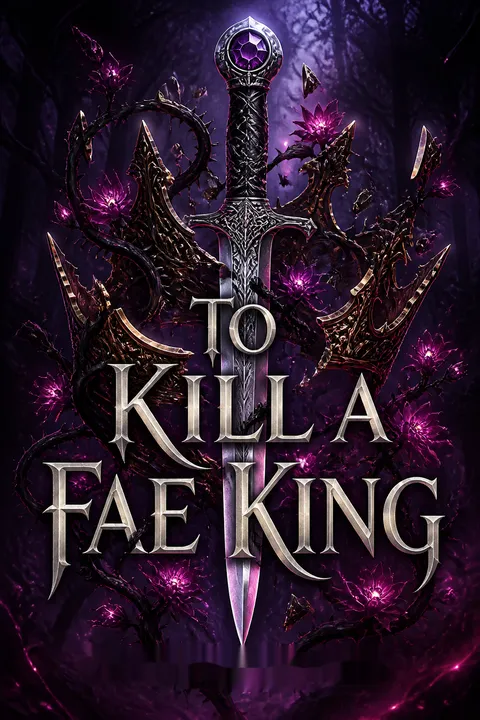
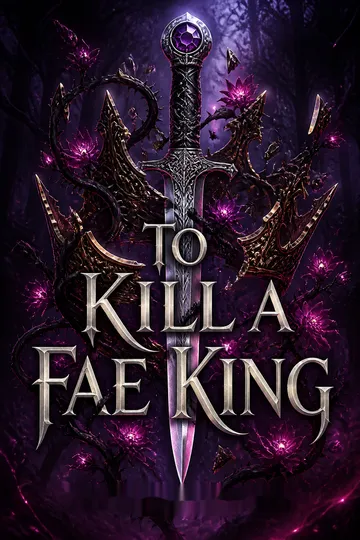
"To Kill a Fae King" is a dark, emotionally charged exploration of love, power, and the loss of self. Through Amelie's harrowing journey, the novella interrogates the dangers of romantic idealism and the ways in which love can be twisted into a tool of control. The fae world, with its seductive beauty and ruthless politics, serves as a metaphor for abusive relationships and the insidious nature of psychological manipulation. The use of bargains and true names highlights the importance of consent and the peril of surrendering agency, while the motif of magical compulsion mirrors real-world dynamics of coercion and trauma. Ultimately, the story is a cautionary tale about the cost of desire and the resilience required to reclaim one's voice. Amelie's transformation—from hopeful romantic to vengeful survivor—offers a powerful commentary on the necessity of self-knowledge, the limits of forgiveness, and the enduring strength found in resistance. The novella's unflinching portrayal of abuse, betrayal, and recovery resonates with contemporary conversations about autonomy, trust, and the complexities of healing after trauma.
Review Summary
To Kill a Fae King received mixed reviews, with readers divided on Amelie's character. Some found the novella provided insight into her actions and evoked sympathy, while others disliked her even more after reading her perspective. Many appreciated the additional context it provided for the Fair Isle series, filling in gaps from the main books. Readers praised the author's writing but disagreed on whether the story successfully redeemed Amelie. Overall, the novella was seen as a valuable, if polarizing, addition to the series.
Characters
Amelie Fairfield
Amelie is the protagonist, a human woman whose longing for love and belonging leads her into the heart of fae intrigue. Initially optimistic and eager for affection, she is swept up in a forbidden romance with Prince Cobalt, believing she can outmaneuver fate. Her willingness to bargain away her ability to lie for love becomes her undoing, as she is manipulated, controlled, and ultimately betrayed. Amelie's psychological journey is one of disillusionment and trauma; her identity is shattered by magical compulsion and emotional abuse. Yet, her capacity for hate becomes her salvation, fueling her escape and transformation into an agent of vengeance. Her relationships—with her sister Evie, with Cobalt, and with herself—are marked by longing, guilt, and the desperate search for agency.
Prince Cobalt
Cobalt is the fae prince who captures Amelie's heart and orchestrates her downfall. Outwardly gentle and attentive, he is driven by ambition and a willingness to use love as a tool for power. His bargain with Amelie, granting him the ability to lie, marks a turning point—he becomes both her lover and her captor. Cobalt's psychological complexity lies in his capacity for both genuine affection and ruthless manipulation. He justifies his actions as necessary for their happiness, but his use of magical commands and emotional coercion reveals a deep-seated need for control. His relationship with his mother, Queen Melusine, and his rivalry with his brother Aspen further complicate his motives, blurring the line between victim and villain.
Evie Fairfield
Evie is Amelie's older sister, forced into a political marriage with King Aspen. Pragmatic and skeptical, she is less susceptible to fae glamour and more attuned to danger. Her relationship with Amelie is strained by jealousy, misunderstanding, and the trauma of their shared ordeal. Evie's own suffering—nearly drowned, manipulated, and betrayed—mirrors Amelie's, forging a bond of shared pain. As the story progresses, Evie becomes both a source of comfort and a reminder of all that has been lost. Her psychological resilience and determination to protect her sister are central to the narrative's emotional core.
King Aspen
Aspen is the fae king to whom Amelie is betrothed. Initially cold and distant, he is burdened by duty and the expectations of his court. His interactions with Amelie and Evie reveal a hidden vulnerability, particularly as he begins to care for Evie. Aspen's emotional repression and sense of responsibility make him both a foil and a contrast to Cobalt. His development is subtle, marked by moments of tenderness and sacrifice, and his role in the larger political machinations of the fae courts is pivotal.
Queen Melusine
Melusine is Cobalt's mother and the queen of the Sea Court. Ambitious and manipulative, she seeks to place her son on the throne, orchestrating schemes that entangle Amelie and Evie. Her relationship with Cobalt is fraught with power struggles and mutual distrust. Melusine's death at Amelie's hands—whether real or imagined—serves as a catalyst for the final unraveling of Cobalt's plans and the outbreak of war. Her presence haunts the narrative, embodying the dangers of unchecked ambition and maternal control.
Lorelei
Lorelei is a wood nymph and lady's maid to Amelie and Evie. She provides practical support and occasional kindness, serving as a bridge between the human and fae worlds. Lorelei's role is understated but essential, offering moments of empathy and grounding amidst the chaos. Her perspective highlights the complexities of servitude and loyalty in a world defined by power and deception.
Maven Fairfield
Maven is Amelie and Evie's mother, whose death is a source of guilt and grief for Amelie. Her legacy as an apothecary and healer lingers in the remedies she provides, and her absence shapes the sisters' emotional landscape. Maven's fate underscores the personal costs of political conflict and the fragility of family bonds.
Ocher
Ocher is a fae servant whose beauty and charm briefly distract Amelie from her troubles. He represents the allure and danger of the fae world, as well as Amelie's susceptibility to enchantment and desire. Ocher's presence is a reminder of the many ways in which humans are outmatched and outmaneuvered in fae society.
Maddie Coleman
Maddie is Amelie's childhood friend, later married to Cobalt as part of his political ascent. Her role is largely symbolic, representing the collateral damage of fae intrigue and the ways in which personal relationships are sacrificed for power.
King Ustrin
King Ustrin is a background figure, representing the broader dangers and shifting alliances of the fae courts. His presence looms over the narrative, a reminder that the personal is always entangled with the political in this world.
Plot Devices
Fae Bargains and True Names
The central plot device is the fae bargain, particularly the exchange of abilities and the use of true names. Amelie's decision to give Cobalt her ability to lie—and to exchange true names—creates a bond that is both intimate and perilous. This device allows for the exploration of consent, agency, and the abuse of power, as Cobalt uses Amelie's name to command her actions and erase her memories. The inability of fae to lie, and the consequences of circumventing this rule, drive much of the narrative tension and tragedy.
Magical Compulsion and Psychological Manipulation
The use of magical commands to enforce obedience is a recurring motif, illustrating the ways in which love and trust can be weaponized. Amelie's loss of agency—her transformation from lover to puppet—serves as a metaphor for psychological abuse and the erosion of self. The fog of enchantment, the daily commands, and the struggle to break free are all manifestations of this device, heightening the story's emotional stakes.
Dual Narrative Structure
The story unfolds through a combination of present-tense imprisonment and flashbacks to earlier events. This structure allows for the gradual revelation of secrets, the layering of trauma, and the deepening of suspense. The reader experiences Amelie's confusion and recovery alongside her, mirroring the psychological journey from victimhood to agency.
Foreshadowing and Irony
The narrative is laced with foreshadowing—Amelie's early sense of unease, the warnings about fae bargains, and the repeated motif of love as a curse. Irony pervades the story, as the very qualities that make Amelie vulnerable (her longing for love, her trust) become the instruments of her undoing. The tragic arc is underscored by the gap between intention and outcome, hope and reality.
The Fair Isle Trilogy Series
About the Author
Download PDF
Download EPUB
.epub digital book format is ideal for reading ebooks on phones, tablets, and e-readers.








































