
Plot Summary
Solstice Ball: A Dangerous Union
Thea and Julian arrive at the Solstice Ball, their engagement newly announced, but the air is thick with tension. Thea, still reeling from discovering her siren heritage, clings to Julian as they enter a world of vampire politics and ancient rivalries. The ball is a dazzling display of power, but beneath the glamour, danger lurks. The couple's public declaration of love is both a shield and a target, drawing the attention of allies and enemies alike. Thea's sense of belonging is fragile, and the night's festivities are a reminder that happiness in this world is always shadowed by threat. The ball sets the stage for the battles—emotional and literal—to come.
Mating Bonds and Family Tensions
Thea and Julian's bond is more than romantic; it's supernatural, a mating that ties their emotions and fates together. This connection brings both comfort and vulnerability, as they feel each other's pain and joy. Julian's family, especially his formidable mother Sabine, is both a source of support and strife. Sabine's icy disapproval and the family's complex dynamics force Thea to navigate not just love, but the expectations and traditions of an ancient vampire lineage. Thea's outsider status is both a weakness and a source of strength, as she learns to assert herself in a world that would rather see her fail.
Secrets in the Veiled Quarter
Julian introduces Thea to the Mystikos Synoikia, the Veiled Quarter—a magical enclave where vampires and witches mingle, and the past is never far away. The city's enchantments are seductive, but beneath the surface, old wounds fester. Thea learns about the High Coven and the Vampire Council, two powerful factions whose interests often clash. The city's beauty is a mask for its dangers, and Thea's growing powers as a siren make her both valuable and vulnerable. The couple's happiness is always on the edge of being shattered by secrets and the machinations of those who would use them for their own ends.
The Proposal and Its Fallout
Julian's proposal to Thea is both romantic and strategic, a declaration meant to solidify their bond and protect them from the Council's interference. But the public announcement at the ball is a shock to Thea, who feels ambushed and exposed. Their private joy is tainted by the knowledge that their union is a political act as much as a personal one. The fallout is immediate: family tensions flare, and Thea is forced to confront the reality that love in the vampire world is never simple. The proposal is a turning point, setting in motion events that will test their loyalty and resolve.
Dark Corners, Deeper Truths
Seeking solace from the crowd, Thea and Julian retreat to the gardens, where passion and pain collide. Their physical connection is intense, but so are their arguments. Thea's anger at being used as a pawn is matched by Julian's frustration at the dangers they face. In the darkness, they confront the truth about their relationship: it is both a refuge and a battlefield. Thea's growing powers and Julian's protective instincts threaten to pull them apart even as they draw them closer. The night is a crucible, forging their bond in fire and shadow.
The Council's Demands
The Vampire Council's expectations loom over Thea and Julian's future. The demand for heirs, the pressure to marry with the matriarch's blessing, and the threat of disinheritance are constant reminders that personal happiness is always at odds with duty. Thea's status as a siren complicates matters, as her ability to bear vampire children is uncertain. The Council's machinations are both overt and subtle, and the couple must navigate a labyrinth of rules and expectations. Thea's desire for agency clashes with the weight of tradition, forcing her to choose between love and autonomy.
Rivalries and Old Wounds
The return of old friends and enemies stirs up rivalries that have never truly healed. Jacqueline's family drama, Camila's estrangement, and the lingering pain of past betrayals all come to the surface. Thea finds herself caught in the crossfire, her own wounds mirrored in those around her. The vampire world is one of long memories and longer grudges, and forgiveness is rare. Thea's empathy becomes both a weapon and a shield as she tries to heal the rifts around her, even as her own heart is tested by jealousy, fear, and the threat of loss.
Camila's Return from the Dead
Camila, Julian's twin, returns after decades presumed dead, her presence a shock that ripples through the family and the vampire world. Her alliance with the Mordicum—a radical vampire faction—raises the stakes, as her motives are unclear and her loyalties suspect. Camila's return is both a blessing and a curse, offering hope for reconciliation but also bringing new dangers. Her knowledge of the Mordicum's plans and her own trauma at the hands of her husband Willem Drake make her a wild card. The family must decide whether to trust her or see her as a threat.
The Duel That Isn't
Sabine and Thea's rivalry comes to a head with the threat of a duel—a deadly tradition that would see one matriarch replace another. But Thea, using wit rather than violence, turns the challenge on its head, choosing a cello duel instead of a fight to the death. The move is both a subversion of tradition and a declaration of her own power. The family's relief is palpable, but the underlying tensions remain. Thea's victory is a reminder that strength comes in many forms, and that survival in the vampire world often depends on cunning as much as courage.
Christmas with Vampires
The holidays bring a brief respite, as Thea and Julian try to create new traditions and find joy in each other's company. The family's gift exchange is both touching and tense, with old wounds and new alliances on display. Thea's longing for her mother and her struggle to fit in are ever-present, even as she is showered with love and a priceless Stradivarius cello. The celebration is a fragile peace, shattered by the news that Thea's mother is missing—and possibly in the hands of the Mordicum. The season's warmth is a brief light in the encroaching darkness.
The Siren's Legacy
Thea's true nature as a siren is both a gift and a curse. Her powers are coveted by many, and her existence threatens the balance of the vampire world. The revelation that sirens were hunted to extinction by vampires, and that Thea may be the last, raises the stakes. The Mordicum's interest in her is revealed to be part of a larger plan to restore magic and power to the vampire race. Thea's struggle to define herself—to choose her own destiny rather than be used as a pawn—becomes the central conflict. Her legacy is one of both hope and danger.
The Kidnapping
Thea is kidnapped by Willem Drake, Camila's abusive husband and a powerful vampire with his own agenda. Held captive in Venice, Thea is forced to confront her heritage and her powers. Willem's claim to be her sire—and possibly her father—adds a new layer of horror and confusion. Thea's struggle to maintain her identity and resist his control is a battle of wills and magic. Julian's desperation to find her is matched by Thea's determination to survive. The kidnapping is a crucible, forging Thea's resolve and setting the stage for the final confrontation.
Venice: City of Masks
Julian, Jacqueline, and the Rousseaux family descend on Venice, seeking allies among the city's ancient vampire queens. The city is a labyrinth of secrets, where nothing is as it seems and every mask hides a motive. The Court of Three Queens is in turmoil, its power waning as magic fades from the world. Thea's captivity becomes a catalyst for change, as old enemies and new friends are forced to choose sides. The city's beauty is a veneer for the violence and ambition simmering beneath. The stage is set for a reckoning that will reshape the vampire world.
The Hunt for Thea
Julian's search for Thea becomes increasingly frantic, as he confronts his own darkness and the limits of his power. The family's alliances are tested, and old wounds are reopened. Thea's absence is a wound that will not heal, and Julian's willingness to become a monster to save her is both terrifying and moving. The hunt is a race against time, as Willem's plans for Thea—and for the future of magic—come to fruition. The cost of love is revealed to be nothing less than life itself.
The Court of Three Queens
The vampire queens demand a new ruler, and Sabine is chosen to ascend the throne. The coronation is both a celebration and a trap, as Willem brings Thea to the court, setting off a chain of events that will change everything. Prophecy and power collide, as the true nature of Thea's magic is revealed. The court becomes a battlefield, with alliances shifting and destinies rewritten. The fate of magic—and of the vampire world—hangs in the balance, as Thea and Julian's love is tested to its breaking point.
Death and the Dream Between
In a moment of violence and magic, Thea and Julian are both killed, their bodies broken before the court. But death is not the end. Thea finds herself in a liminal space, walking between life and death, her siren heritage allowing her to navigate the dream between worlds. Memories, lies, and truths swirl around her as she confronts her father, her legacy, and her own power. The dream is both a prison and a path, and Thea must choose whether to return—or to let go forever.
Resurrection and the Storm
As the court reels from the deaths of Thea and Julian, prophecy and power converge. The handmaiden of the queens reveals that Thea can be called back, her unique magic the key to resurrection. Lysander and the family race to bring the bodies to the thrones, as the world shakes with the force of magic returning. The storm is both literal and metaphorical, a breaking of the old order and the birth of something new. Thea's return is a miracle, but it comes at a cost. The story ends on the cusp of a new era, with love, power, and destiny forever changed.
Analysis
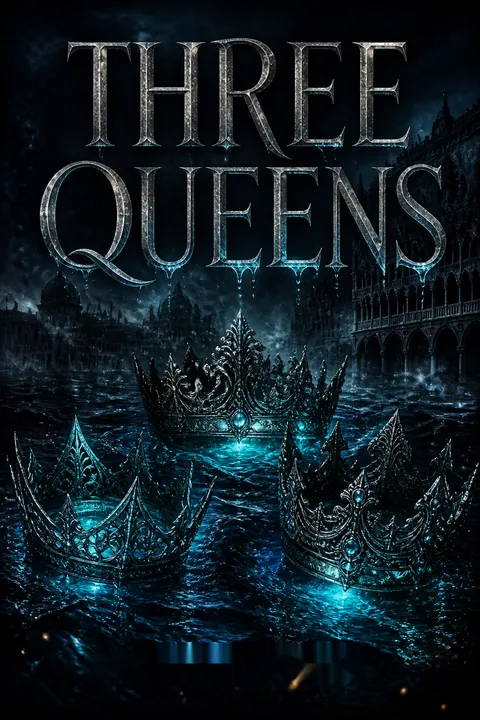
Geneva Lee's Three Queens is a lush, emotionally charged reimagining of the vampire romance, blending gothic intrigue with modern themes of agency, trauma, and the search for identity. At its heart, the novel is about the struggle to define oneself in a world that would rather use, control, or destroy you. Thea's journey from outsider to queen, from pawn to player, is a powerful metaphor for the fight for autonomy in the face of tradition and oppression. The mating bond between Thea and Julian is both a source of strength and a crucible, testing the limits of love and the willingness to sacrifice. The novel's use of prophecy, bloodlines, and resurrection speaks to the enduring human desire to break free from fate and forge a new path. The family drama, political intrigue, and supernatural stakes are all in service of a deeper exploration of what it means to love, to lose, and to choose one's own destiny. In the end, Three Queens is a story about the power of transformation—personal, political, and magical—and the hope that even in the darkest of worlds, new life can be born.
Review Summary
Three Queens received mixed reviews from readers. While some praised the plot twists and romantic elements, others found the story confusing and poorly executed. Many felt the book lacked cohesion compared to previous installments, with criticism of multiple POVs and unnecessary subplots. Some readers enjoyed the vampire world-building and character development, while others were disappointed by inconsistencies and illogical character decisions. Despite mixed feelings, many readers expressed interest in continuing the series to see how it concludes.
People Also Read
Characters
Thea Melbourne
Thea is a young woman thrust into a world of vampires, magic, and ancient politics. Her journey is one of self-discovery, as she learns she is not only a siren—the last of her kind—but also the key to a prophecy that could save or doom the vampire world. Thea's love for Julian is both her anchor and her greatest vulnerability, as their mating bond ties their fates together. She is empathetic, stubborn, and fiercely independent, struggling to assert her agency in a world that would use her as a pawn. Thea's arc is one of transformation: from outsider to queen, from victim to savior, her choices shaping the fate of all.
Julian Rousseaux
Julian is a centuries-old vampire, heir to a powerful family, and Thea's mate. His love for Thea is all-consuming, driving him to defy tradition, family, and even his own nature. Julian is both a romantic and a warrior, torn between his desire for peace and the violence he is capable of. His relationship with his family—especially his mother Sabine and twin Camila—is fraught with loyalty and resentment. Julian's struggle is internal as much as external: he must confront his own darkness, the legacy of his past as the Scourge of Venice, and the fear of losing Thea. His arc is one of sacrifice, redemption, and the willingness to become a monster for love.
Sabine Rousseaux
Sabine is the formidable head of the Rousseaux family, a vampire of ancient power and unyielding will. She is both a protector and a threat, her love for her children expressed through control and tradition. Sabine's rivalry with Thea is both personal and political, as she sees her as both a threat and a potential successor. Her arc is one of reluctant adaptation, as she is forced to confront the limits of her power and the necessity of change. Sabine's ascent to the throne of the vampire queens is both a victory and a burden, her choices shaping the future of her family and her kind.
Camila Rousseaux
Camila's return from presumed death is a catalyst for much of the novel's conflict. Traumatized by her abusive marriage to Willem Drake and her involvement with the Mordicum, Camila is both ally and antagonist. Her relationship with Julian is complex, marked by shared pain and mutual distrust. Camila's arc is one of survival and self-determination, as she seeks to reclaim her agency and atone for her past. Her knowledge of the Mordicum and her own magical abilities make her a key player in the unfolding drama, her loyalties always in question.
Jacqueline DuBois
Jacqueline is Thea's closest friend and Julian's old confidante, a vampire with her own family burdens and secrets. Her role is that of mediator and protector, often caught between loyalty to her friends and the demands of her own family. Jacqueline's unrequited love for Camila and her struggle to save her younger sister from an unwanted marriage add depth to her character. She is resourceful, compassionate, and fiercely loyal, her actions often the glue that holds the group together. Jacqueline's arc is one of self-acceptance and the courage to fight for those she loves.
Willem Drake
Willem is the primary antagonist, a vampire obsessed with power and the restoration of magic. His abuse of Camila and his kidnapping of Thea are acts of both personal cruelty and grand ambition. Willem's claim to be Thea's sire—and possibly her father—adds a layer of horror and complexity to his character. He is a master of psychological manipulation, using fear, compulsion, and magic to control those around him. Willem's arc is one of hubris and downfall, his actions setting in motion the events that will ultimately destroy him.
Lysander Rousseaux
Lysander is Julian's brother, a vampire with a passion for history, prophecy, and lost knowledge. He is the family's problem-solver, often called upon to find answers in ancient texts and forgotten lore. Lysander's own heartbreak and sense of duty make him both wise and weary. His role in the resurrection of Thea and Julian is crucial, his belief in miracles and magic a counterpoint to the cynicism of others. Lysander's arc is one of faith and perseverance, his loyalty to family unwavering even in the face of despair.
Sebastian Rousseaux
Sebastian is the irreverent younger brother, often providing levity in dark moments. His charm and wit mask a deep loyalty to his family and a willingness to fight for those he loves. Sebastian's relationship with Thea is one of teasing affection, and his support for Julian is steadfast. Though often underestimated, Sebastian's courage and resourcefulness are vital in moments of crisis. His arc is one of growth, as he learns to balance humor with responsibility.
The Vampire Queens (Mariana, Zina, Ginerva)
The three queens of Venice are both symbols and wielders of power. Their court is a place of intrigue, prophecy, and dwindling magic. Mariana is mystical and prophetic, Zina is cold and calculating, and Ginerva's death sets the plot in motion. Their need for a new queen—and their reliance on Sabine and Thea—reflects the changing nature of power in the vampire world. The queens' arc is one of decline and renewal, their choices shaping the destiny of all.
Natalie (Cortège)
Natalie is a human cortège, compelled to serve vampires and ultimately sacrificed by Willem. Her fate is a stark reminder of the cost of power and the vulnerability of mortals in a world of immortals. Natalie's kindness to Thea and her tragic end underscore the novel's themes of agency, exploitation, and the human cost of supernatural conflict.
Plot Devices
Mating Bond
The mating bond between Thea and Julian is both a blessing and a curse. It allows them to feel each other's emotions, share thoughts, and draw strength from one another. But it also makes them vulnerable, as pain and fear are transmitted as easily as love. The bond is a source of both intimacy and conflict, driving the plot forward and raising the stakes. It is also a metaphor for the ways in which love can both heal and hurt, bind and free.
Prophecy and Bloodlines
Prophecy is woven throughout the narrative, shaping characters' choices and justifying the actions of the powerful. Thea's siren bloodline is both a secret and a destiny, her existence the fulfillment of ancient predictions. The tension between fate and free will is a constant undercurrent, as characters struggle to define themselves in the face of expectations and doom. Bloodlines are both a source of pride and a prison, their power both literal and symbolic.
Political Intrigue and Family Drama
The vampire world is one of shifting alliances, hidden agendas, and ruthless ambition. Family dynamics are inseparable from political maneuvering, with love and loyalty constantly tested by the demands of power. The Council, the High Coven, the Mordicum, and the Court of Three Queens are all players in a game where the stakes are nothing less than survival. The personal is always political, and every choice has consequences.
Dual Narrative and Shifting Perspectives
The story is told through the eyes of Thea, Julian, and other key characters, allowing for a rich exploration of motives, fears, and desires. This structure creates dramatic irony, as readers know more than the characters, and heightens emotional engagement. The shifting perspectives also allow for a nuanced portrayal of trauma, love, and the complexity of relationships.
Resurrection and the Liminal
The climax of the novel hinges on the idea that Thea, as a siren, can walk between life and death. The liminal space she inhabits is both a metaphor for trauma and a literal battleground for her soul. Resurrection is not just a miracle, but a breaking of fate, a rewriting of the rules that have governed the vampire world for centuries. The power of the in-between is both hope and danger, a reminder that change is always possible—but never without cost.
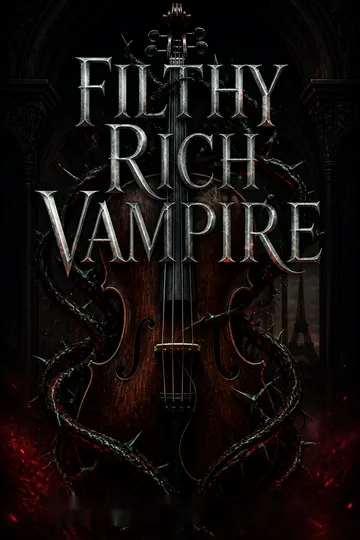
Filthy Rich Vampires Series
About the Author


Download PDF
Download EPUB
.epub digital book format is ideal for reading ebooks on phones, tablets, and e-readers.








































