
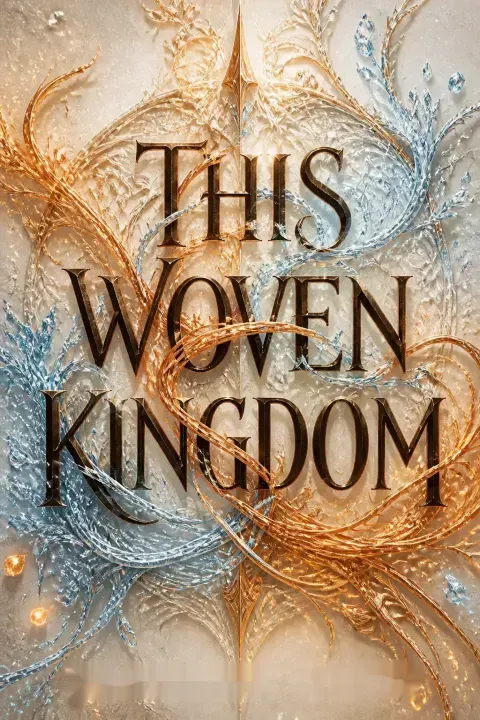


Plot Summary
Prologue
Before humans walked the earth, Jinn ruled it: beings forged from fire, stronger and faster than Clay would ever be. Their brightest son, Iblees,7 was elevated to the heavens. But when commanded to bow before the crude dirt creatures destined to inherit the world, Iblees7 refused. His body was cast down, and with it, the sun turned away. The planet froze.
Stars devoured themselves. Jinn civilization collapsed into darkness and famine. Survivors scattered, their skin bleached white, their irises stripped of pigment by endless night. Iblees7 was condemned to haunt the Clay inheritors forever, a half-life of riddles and whispers. His people hid in shame at the frozen apex of the earth, praying never to be found.
This origin myth reframes the devil narrative as tragedy rather than pure evil. Iblees is not an external tempter but a Jinn whose arrogance destroyed his own people, making him a figure of communal shame rather than supernatural otherness. The prologue establishes the crucial asymmetry between Jinn and Clay: elemental beings of fire lost everything, while creatures of dirt and water rose to inherit the world. This inverted hierarchy fuels the simmering resentment driving the political conflict. The detail that Jinn went blind in the unending darkness gives psychological weight to Alizeh's inherited terror of absolute black, connecting a personal phobia to ancestral trauma across millennia.
The Devil's Riddle
Alizeh1 stitches a gown in the kitchen hearth of Baz House, her body so perpetually cold she once crawled into a fire as a child just to feel warmth. The frost inside her is a rare Jinn affliction, one that makes her eyes flicker between brown and silver and forces her to hide behind a servant's snoda.
Her parents were murdered years ago, their deaths shadowed by her suspicion that she herself was the true target. That night, in her attic closet, the devil Iblees7 whispers a riddle into her bones: a man with two snakes on his shoulders who feeds on children's brains3 to stay young.
Then a vision materializes: a young man's2 face, handsome and noble, staring at her with unsettling intensity. His phantom finger drags across her lips, and she screams into the dark.
This opening establishes the central tension between Alizeh's hidden royalty and her degraded present. The ice in her veins is both curse and mark of destiny. Iblees's riddles function as a twisted form of care: warnings of coming pain that amplify dread rather than alleviate it. The vision of Kamran plants the seed of their fated connection, framed ominously through the devil's lens. Alizeh's scream signals that even in her isolation, forces beyond her control are converging. Her instinct to hide her eyes behind the snoda reveals a lifetime of learning that visibility equals vulnerability.
Mercy in the Snow
Alizeh1 trudges through fresh snowfall to deliver a commissioned gown to Miss Huda's8 residence, only to be paid half the agreed sum by a dismissive housekeeper. On her walk back, a tall Fesht boy named Omid6 presses a crude knife to her throat, demanding her parcel.
She snaps his wrist without visible effort, dislocates his shoulder, then kneels beside him in the snow. Instead of vengeance, she returns his blade and tells him to come to the Baz House kitchens for bread.
Kamran, the crown prince2 traveling incognito in a hooded cloak, witnesses the entire scene from across the square. Her refinement, her combat skill, her inexplicable mercy toward an attacker: everything about her screams deception. He pockets her fallen handkerchief, his suspicions ignited.
This scene crystallizes the book's moral core: power expressed through mercy rather than domination. Alizeh's supernatural strength makes violence easy; her choice of compassion makes her extraordinary. Kamran's suspicion is a projection of his own worldview: he cannot fathom a servant with dignity, so he invents a spy. Their first encounter is a study in mutual misinterpretation. The handkerchief becomes a MacGuffin: a bloodless cloth that will soon draw blood, a token of her identity that will become evidence against her.
The Ice Prophecy
Kamran2 returns to the palace and presents his findings to his grandfather, King Zaal,3 expecting validation of his instincts about the suspicious servant.1 Instead, Zaal's3 reaction is chilling: he already knows of the girl,1 had thought her dead some years ago.
The king3 reveals a prophecy delivered by the Diviners: a creature1 with ice in its veins will orchestrate his demise, backed by formidable allies. The handkerchief Kamran2 retrieved confirms it, her blood contains frost crystals.
Zaal3 orders her immediate execution, overriding Kamran's2 protests that she might be innocent. The prince2 is forced to confront the horrifying possibility that his own arrogance has sentenced a stranger to death, and that his grandfather's3 legendary justice may be nothing more than calculated self-preservation.
The revelation transforms Kamran from detective to unwitting executioner. His guilt becomes the engine of his character arc: every subsequent attempt to help Alizeh is an effort to undo his original sin. Zaal's willingness to murder a potential threat reveals the dark underbelly of benevolent rule: sovereignty preserves itself first, justice second. The prophecy introduces the story's central dramatic irony. Alizeh is destined to bring down Zaal, but Zaal's attempt to preempt fate may be what sets that destiny in motion, a self-fulfilling prophecy born of fear.
Eyes Like Winter Moons
Alizeh1 visits the apothecary Deen10 to tend her battered hands and the knife wound at her throat, spending nearly all her coin on salves. When she leaves, a winter storm has swallowed the city. She collides with a stranger who tries to grab her. Kamran2 appears from the darkness, throws the assailant to the ground, and recovers her scattered parcels.
Alizeh's1 wet snoda begins suffocating her; she tears it off, gasping for air. Kamran2 sees her face for the first time: her eyes shift from silver-blue to brown, her cheek marred by a bruise shaped like a hand. He is transfixed, unsettled not just by her beauty but by the vulnerability beneath her ferocity. That same night, he delivers her packages to her kitchen door, defying all sense.
The storm externalizes the chaos both characters feel internally. Alizeh's unmasking is both literal and metaphorical: Kamran glimpses the real person beneath the servant's disguise. His compulsion to help her, despite knowing she is marked for death, reveals a schism between political loyalty and moral instinct. The changing colors of her eyes visually encode her dual nature: warm brown humanity and icy silver prophecy at war within one body. His delivery of her packages in a rainstorm is an irrational kindness that neither of them can yet name.
The Street Boy's Invitation
Omid Shekarzadeh,6 the Fesht boy who nearly killed Alizeh,1 is admitted through the front door of Baz House bearing a gilded scroll. The prince's2 public rescue has transformed him into a living trophy of royal mercy, and he has leveraged his newfound status to secure two invitations to the grand royal ball.
He presents one to Alizeh1 as penance for his attack and as the only apology a street orphan can offer. She accepts, moved by the gesture and by the promise of a single beautiful night before her uncertain future dissolves. Meanwhile, a firefly sneaks into Baz House and begins pestering Alizeh,1 attempting to lead her outside. It belongs to someone searching for her, someone who knows her true identity.
Omid's invitation is the first crack of light in Alizeh's long darkness: proof that mercy can be reciprocated, that connection is possible even after violence. The firefly represents the unseen network of Jinn allies waiting to reclaim their queen, a reminder that her isolation has been strategic rather than absolute. Both the boy and the insect arrive on the same day, suggesting that Alizeh's world is contracting: the forces of her past and her future are converging on a single point, and the ball will be their collision ground.
A Queen in Servitude
Kamran2 goes to Deen's10 apothecary disguised as a magistrate, seeking evidence to condemn or absolve Alizeh.1 What he finds undoes him: she spent her last coppers on medicine for her brutalized hands, bore a bruise from a housekeeper's slap, and spoke of the prince2 with irreverent honesty rather than calculated subservience. He retreats to Surati Forest, his certainties shattered.
Later, King Zaal3 reveals the full truth: Alizeh1 is not merely Jinn but the sole surviving heir to the ancient kingdom of Arya, a rightful queen1 whose very existence threatens Ardunian sovereignty. Kamran2 argues passionately for her life, proposing exile or imprisonment instead of murder, but Zaal3 is immovable. The execution proceeds.
Kamran's investigation of Alizeh becomes an investigation of himself. Every fact he uncovers indicts his own privilege and the system he represents. His surprise at her intelligence exposes the class prejudice he never recognized in himself. The forest symbolizes his internal wilderness: a place where the old order and a new possibility battle for his soul. Zaal's description of Alizeh as a queen reframes her entirely. She is not a victim to be spared but a rival sovereign to be eliminated. Kamran loses this argument, but the moral ground has shifted beneath his feet.
Five Bodies in the Street
After midnight, six armed men ambush Alizeh1 on her walk back from Miss Huda's8 estate. She offers them amnesty twice; they laugh and advance. What follows is efficient slaughter: she buries sewing scissors in one chest, snaps another's neck with a kick, embeds needles in a third's throat, and impales two more with their own scimitars.
The sixth she spares, sending him back with a warning to whoever sent him. Only then does a young man step from the shadows and kneel. He is Hazan,4 the son of her parents' courtier friend, the boy who once taught her jacks with hazelnuts. He presses a nosta into her palm, a truth-detecting orb, and calls her Your Majesty. For the first time since her mother's death, Alizeh1 is not alone.
This sequence is Alizeh's apotheosis: she drops the servant's mask entirely and becomes the warrior queen she was born to be. The ritual of offering mercy twice before attacking is her moral code in miniature. Hazan's appearance reframes her entire ordeal. She was never truly abandoned, only waiting for the right moment to be found. The nosta is a perfect gift for a girl who has learned to trust no one: it removes ambiguity from human interaction, offering certainty in a world of deception. The scene also proves Zaal's fears correct; she is exactly as dangerous as he imagined.
The Prince in Chains
When the assassination fails, Zaal3 dispatches armed men to Kamran's2 room. They hood and bind the prince,2 dragging him to the palace dungeons. The king3 accuses him of treason: surely only Kamran2 could have warned the girl1 about the attack. The prince,2 who spent the night alone in a forest, is stunned by the accusation. He rages at his grandfather,3 pointing out the absurdity of the charge.
Zaal3 eventually relents, but does not apologize. Instead, he issues a new command: Kamran2 will visit his aunt11 at Baz House and search the servant girl's1 quarters for evidence of her allies. Failure to comply will be taken as proof of disloyalty. Kamran2 accepts the mission, his relationship with his grandfather3 now irreparably fractured.
This scene exposes the transactional nature of Zaal's love. Kamran has always believed his grandfather's affection was unconditional; the dungeon proves otherwise. The king's willingness to imprison his own grandson reveals that no bond survives the throne's demands. For Kamran, this is a developmental crucible: he must decide whether to become the same kind of ruler, one who sacrifices love for power, or to forge a different path. His acceptance of the spy mission is surface compliance over subterranean rebellion, a mask he now wears as expertly as Alizeh wears her snoda.
Kiss in the Attic Dark
Kamran2 climbs seven flights to the attic storage closet Alizeh1 calls home. The room is immaculate, scented with rose petals, every possession organized in an apple crate. He expected squalor; he found dignity. Alizeh1 enters behind him, pressing scissors to his throat and demanding to know why he has come.
In the windowless dark, she confesses she is terrified of total blackness, a primal fear inherited from ancestors who lived without sun for centuries. He holds her, steadying her trembling body.
What begins as comfort becomes a kiss that reshapes them both. She tells him her name: Alizeh of Saam,1 daughter of Siavosh and Kiana, the lost queen of Arya.1 Then she pulls away. Their worlds cannot touch, she insists. She vanishes into the light, leaving Kamran2 devastated.
The attic closet compresses Alizeh's entire character: small, overlooked, but impossibly beautiful once truly seen. Her fear of the dark literalizes her existential terror of being lost in obscurity forever, a phobia that is both irrational and entirely rational for someone with her history. The kiss is not merely romantic but symbolic: two opposing crowns recognizing each other across an impossible divide. Alizeh's subsequent flight is not rejection but protection. She knows that loving a prince will destroy him, and that her own survival depends on severing attachments before they take root.
Gifts from a Stranger
Homeless and jobless, Alizeh1 wanders Setar, savoring daylight for the first time in months. At the apothecary, Deen10 presents her with a large yellow box left by a tall, blue-eyed stranger.5 Inside waits a gossamer lavender gown and silk boots, both enchanted to hide her from enemies and guide her feet when the path is unclear. A note promises safety.
She takes the gown to Miss Huda's8 room to prepare, but a copper-haired young man5 materializes there: the same stranger who left the packages. He is brusque, cruel, and casually magical. He silences Miss Huda8 with a gesture, then transports all three of them through his tall black hat to the royal ball. His name, he says, is irrelevant. He is repaying a debt to their mutual friend.
The magical gown is a classic fairy-tale transformation device inverted: rather than making Alizeh visible to all, it hides her from enemies. This reflects her fundamental need not to be celebrated, but to be safe. The stranger's hostility and magical power mark him as dangerous even as he assists; his refusal to name himself creates dramatic tension. The phrase mutual friend echoes through the chapter like a warning bell. Who has the power to command someone capable of silencing a girl and transporting three people through a hat? The answer, when it comes, will reframe every act of kindness as manipulation.
The Melancholy Prince
The royal ball is a spectacle of excess. Kamran2 stands beside his grandfather's3 throne in agonizing green silk woven with gold thread that scrapes his skin like needles. A parade of eligible noblewomen curtsy before him; their faces blur into sameness. He is meant to choose a wife tonight, to secure the royal line before war with Tulan erupts.
Then he sees her: Alizeh,1 incandescent in lavender, her face unmasked, moving through the crowd as if invisible to everyone but him. She laughs at something the copper-haired stranger5 says, and Kamran2 feels a possessiveness that terrifies him. He intercepts her near a marble column. His minister Hazan4 appears, looking panicked, urging Alizeh1 to leave the ball at once.
The ball dramatizes Kamran's imprisonment within his role. Every young woman is an audition for queen, reducing human connection to political calculation. Alizeh's appearance cracks this performance open. The detail of gold-threaded silk burning his skin subtly foreshadows the revelation about his grandfather: gold, the symbol of Ardunian royalty, literally wounds him. Hazan's panic introduces a second layer: someone at this ball is orchestrating catastrophe, and Alizeh is both its target and its unwitting instrument. The minister who serves Kamran by day is, by night, trying to save the woman Kamran has been ordered to condemn.
Fire in the Ballroom
A scream cuts through the music. Miss Huda,8 still in her muslin day dress, is cornered by the copper-haired stranger.5 He erects a ring of fire around them, demanding an audience. Kamran2 steps forward, sword drawn, but the stranger's5 identity stops him cold: this is King Cyrus of Tulan,5 the young sovereign who murdered his own father to claim the throne.
Cyrus5 speaks with theatrical venom, accusing the Ardunian crown of crimes the nobility cannot fathom. He releases Miss Huda,8 then creates a second fiery prison, this time trapping himself with King Zaal.3 The old king's composure wavers as Cyrus5 promises to expose a secret so vile it will destroy the empire's moral foundation.
Cyrus performs a political execution disguised as theater. His fire rings are both literal barriers and symbolic frames: he is staging a public trial for an audience of aristocrats. The contrast between his performative rage and his calculated revelations suggests a ruler who weaponizes chaos as policy. His mention of debts and masters hints at the true puppet-master behind the night's events. Miss Huda's terror, rendered mute by magic earlier and now screaming, humanizes the collateral damage of royal conflicts. She is the ordinary person caught between extraordinary powers.
The Serpents Appear
Cyrus5 tears open Zaal's3 robes, revealing scaly, discolored skin on his shoulders. From that diseased flesh, two leathery white snakes rise, snapping their hungry jaws at the crowd. The riddle Alizeh1 heard days ago locks into place: the man with snakes3 is the king of Ardunia.3
Cyrus5 explains the bargain: Zaal3 struck a deal with Iblees7 to extend his life after his son's death. The price was feeding the serpents the fresh brains of street children, collected by magistrates who pluck orphans from the streets.
Omid,6 watching from the shadows, confirms he has seen it happen. Zaal3 begs Cyrus5 to end his life quickly. Cyrus5 obliges, driving a sword through the old king's3 chest. Kamran2 screams and attacks, his sword meeting Cyrus's5 in a furious duel.
This revelation completes the thematic arc: the beloved, benevolent king is a consumer of children, his long life purchased with systematic murder. Zaal's bargain recontextualizes every noble speech about justice as hypocrisy. The snakes literalize the hidden costs of power: the innocent devoured so the mighty may endure. Cyrus's role as executioner is morally complex. He is both avenger and opportunist, exposing a true evil while advancing his own agenda. Kamran's duel is grief made physical, the desperate attempt of a grandson to undo what cannot be undone, to fight the truth with steel when it cannot be fought with reason.
Flight on a Dragon
Kamran2 and Cyrus5 duel amid the flames. The prince's2 sword arm is badly burned; he drops his weapon. Cyrus5 raises his blade for the killing blow. Alizeh1 screams and runs straight through the fiery ring, her ice-filled veins rendering her immune to the heat.
She slaps Cyrus5 hard enough to draw blood, wrenches his sword away, and stands between the two kings. Cyrus5 laughs, revealing his mission: he was sent by Iblees7 to collect her. The devil7 wants a Jinn queen to rule, to exact revenge upon the Clay world. She is to marry Cyrus5 and claim Tulan as her kingdom.
Before she can protest, her enchanted boots launch her skyward. A dragon shatters through the palace wall, catches her on its back, and soars into the night. Cyrus5 appears beside her on the beast. Their destination is Tulan. She will be his bride. Alizeh1 is so shocked she topples off the dragon into the dark.
The climax crystallizes the story's central tragedy: Alizeh and Kamran are pawns in a game played by Iblees, their mutual attraction both real and manipulated. Alizeh's fire immunity is the physical manifestation of her inner strength. She has survived every attempt to destroy her, emerging through flames that should have consumed her. The dragon escape feels like rescue but is actually capture: she is being delivered to a marriage she did not choose, to a throne that will be used against everyone she might have loved. Her fall from the dragon literalizes her loss of agency. Even her flight is not her own, and the darkness rushing up to meet her is the same darkness she has feared all her life.
Analysis
This Woven Kingdom operates as a sustained interrogation of power and its hidden costs. Every character in a position of authority is revealed to be compromised: the celebrated peacemaker king3 sustains his long life by feeding street children to demonic snakes; the empire that ended Jinn-Clay bloodshed used those peace accords to absorb Jinn into its military and neutralize their political threat; even Alizeh's1 prophesied queenship requires five loyal subjects to willingly die for her, a blood price she finds morally repugnant. The novel asks whether any throne can be occupied without corruption, whether justice can ever be more than the self-interest of the powerful dressed in ceremonial robes.
The romantic architecture mirrors the political one. Alizeh1 and Kamran2 are drawn together by genuine recognition: each sees the person behind the mask. But every structural force in their world conspires to keep them apart. He is heir to the empire that wants her dead. She is prophesied to destroy his grandfather.3 Their kiss in the attic is both a private truth and a public impossibility, a moment of perfect communion that cannot survive exposure to the world of kings and courts. The tragedy is not that they love across enemy lines, but that those lines were drawn by forces neither of them controls.
Mafi builds the story around a series of unmaskings: Alizeh1 loses her snoda, Kamran2 loses his faith in his grandfather,3 Zaal3 loses his reputation, and ultimately the entire kingdom loses its moral certainty. The devil Iblees,7 traditionally a figure of pure malevolence, is reframed as a tragic figure whose rebellion against divine hierarchy mirrors Alizeh's1 own refusal to accept her assigned station. His riddles, maddening as they are, constitute a form of care, the only care a fallen creature trapped in half-existence can offer.
The novel's true subject is the difference between power taken and power given. Alizeh1 does not want her throne; the weight of it was placed on her at birth. Kamran2 does not want his crown; it was purchased with his father's severed head. Both must decide whether to accept the roles written for them or to rewrite the script entirely. The cliffhanger ending, Alizeh1 falling from a dragon into darkness, literalizes the central question: can she ever choose her own descent, or will she always be pushed by forces larger than herself?
Review Summary
This Woven Kingdom received mixed reviews, with praise for its Persian-inspired fantasy world, beautiful writing, and romantic elements. Many readers enjoyed the characters, especially Alizeh and Kamran, and the forbidden romance. However, some found the pacing slow and the plot lacking until the final chapters. The book's cliffhanger ending left readers eager for the sequel. Critics noted similarities to other YA fantasy novels and some found the writing style overly complex. Overall, fans of Mafi's previous work were generally pleased with this new series.
People Also Read




Characters
Alizeh
Lost Jinn queen in hidingThe sole surviving heir to the ancient kingdom of Arya, living in disguise as a servant in Setar. She possesses ice in her veins, a rare Jinn trait that makes her perpetually cold, renders her eyes an unsettling silver-blue that flickers to brown, and grants immunity to fire. Orphaned at thirteen when her mother was burned alive, she has survived years of poverty, abuse, and isolation. She is educated, multilingual, and lethal in combat despite her small stature, but she chooses mercy whenever possible. Her deepest wound is not physical but existential: raised to unify a scattered people, she has instead spent five years scrubbing floors and being beaten by housekeepers, certain her destiny has abandoned her. She hides her face behind a servant's snoda not from shame but from the knowledge that the wrong person recognizing her eyes could mean death.
Kamran
Crown prince of ArduniaHeir to the largest empire in the known world, a decorated soldier who has spent more of his eighteen years on battlefields than in ballrooms. At age eleven, he opened a carriage door expecting his father and found only a severed head on a silver plate. That trauma reshaped him: he runs on anger, trusts almost no one, and has never allowed himself to want anything, because wanting is for people with the luxury of hope. He respects his grandfather3 absolutely until the events of the story force him to question everything. His encounter with Alizeh1 awakens desire and guilt in equal measure: desire for someone who sees him rather than his crown, and guilt for being the instrument of her endangerment. He does not want the throne but cannot escape it.
King Zaal
Legendary king, Kamran's grandfatherThe white-haired, white-bearded sovereign who has ruled Ardunia for nearly a century. As an infant, he was abandoned on a mountain by his own father and raised by a great bird, returning as a man to claim his stolen throne. His reign has been celebrated for the Fire Accords, which ended millennia of bloodshed between Jinn and Clay. To Kamran2, he is both beloved grandfather and moral compass. But beneath the benevolence lies a man who has made unthinkable choices to preserve his reign and protect the grandson he could not bear to lose after his son's death. His love is genuine, but it has curdled into something possessive, willing to sacrifice anything and anyone to keep Kamran2 safe from a world he no longer trusts.
Hazan
Kamran's minister and secret allyKamran's2 sardonic, freckled minister and childhood friend. The son of a Jinn courtier who secretly befriended Alizeh's1 parents, Hazan has lived a double life for years: outwardly loyal to the crown, inwardly searching for the lost queen1. He is the boy who once taught Alizeh1 to play jacks with hazelnuts in her parents' home. His position as Kamran's2 closest advisor places him at the heart of the empire while his true allegiance lies elsewhere. He walks the most dangerous tightrope in Ardunia, protecting Alizeh1 while standing beside the prince2 who unknowingly threatens her, and risking execution every day his true identity remains concealed.
Cyrus
The Tulanian king, bound by debtThe young king of Tulan, who murdered his own father to seize the throne. He has copper hair, startlingly blue eyes, and a tall black hat that functions as a magical portal. He commands powerful sorcery, including fire rings and a dragon, yet he is himself bound to Iblees7 by an unspecified debt he must repay. His cruelty is theatrical, his motives deliberately opaque. He claims to despise the task of collecting Alizeh1 even as he executes it with dramatic relish. He is the story's wild card: an ally by obligation who might become an enemy by temperament, or perhaps something more complicated.
Omid Shekarzadeh
Street boy turned royal guestA twelve-year-old Fesht orphan with bright red hair and a frame too tall for his age. His parents, saffron farmers, died in prison after being unable to pay fixed taxes on a meager harvest. He attacks Alizeh1 out of hunger, then attempts suicide when he fears being turned over to the magistrates. He has witnessed street children being collected by officials and knows the terrible truth of what happens to them. Despite his trauma, he retains a sharp intelligence and an unexpected capacity for humor. He becomes Alizeh's1 unlikely friend, inviting her to the royal ball as the only apology a penniless orphan can offer.
Iblees
The devil, a fallen JinnThe being humans call the devil, originally a brilliant Jinn elevated to the heavens whose refusal to bow before Clay caused his catastrophic fall. Condemned to speak only in riddles, never to command directly, he has haunted Alizeh1 since her cradle, whispering prophetic warnings before every disaster in her life. His interest in her is eventually revealed to be strategic: he wants a Jinn queen1 on a throne, a vehicle for his millennia-long revenge against the Clay world that inherited what his people lost. His relationship to Alizeh1 is unsettlingly intimate: a tormentor who believes himself a protector, a puppeteer who thinks he is a patron.
Miss Huda
Illegitimate noblewoman seeking beautyThe illegitimate daughter of the Lojjan ambassador, raised alongside his legitimate children but never accepted. Her stepmother orders hideous gowns that mock her figure; her sisters refuse to be seen with her. She hides her pain behind sarcasm and dramatic pronouncements. As Alizeh's1 dressmaking client, she becomes an unexpected ally and a reluctant runaway at the ball.
Mrs. Amina
Abusive Baz House housekeeperThe housekeeper at Baz House who hired Alizeh1 on a trial basis. She slaps the girl for minor infractions while ensuring her promised water allotment is never forgotten. A mercurial figure, she shifts between strange kindness and casual cruelty, her motivations as inscrutable to Alizeh1 as they are to the reader.
Deen
Sympathetic apothecaristA wiry apothecarist in Setar who treats Alizeh's1 injuries with unexpected compassion. He carries his own secrets about identity and concealment, and recognizes in Alizeh1 a kindred spirit: someone forced to hide who they truly are from a world that would punish them for it.
Duchess Jamilah
Kamran's elderly auntKamran's2 elderly aunt, who provided more maternal warmth than his own mother ever did. She adores her nephew with theatrical intensity and eagerly anticipates his visits. Her household's cruel treatment of servants, however, complicates her image as a benevolent figure.
Princess Firuzeh
Kamran's vain, manipulative motherKamran's2 beautiful, jewel-draped mother who resents being forever a princess, never a queen. She expresses affection through ambush attacks with decorative daggers and delivers ominous warnings that her son will one day need her and find her gone.
Plot Devices
The Nosta
Truth-detecting glass orbA small glass orb the size of a marble, created by ancient Tulanian magic. It glows warm against the skin when truth is spoken and turns ice-cold at lies. Only a handful have ever been made. Hazan4 gives it to Alizeh1 as a token of loyalty, allowing her to navigate a world of deception with certainty for the first time since her parents' deaths. The nosta becomes essential to Alizeh's1 decision-making throughout the story, verifying the truth of Kamran's2 feelings and Cyrus's5 claims while revealing Miss Huda's8 unreliability.
The Enchanted Gown and Boots
Magical concealment and guidanceA lavender silk chiffon gown and matching jacquard boots, created by Cyrus5 under Iblees's7 direction and delivered to Alizeh1 via the apothecary Deen10. The gown renders its wearer invisible to anyone who wishes her ill, while the boots literally guide her feet when the path forward is unclear. Both items are imbued with rare magic that requires an experienced Diviner to create, making them objects of immense value and power. The boots ultimately betray Alizeh1 by lifting her toward the dragon that will carry her to Tulan against her will.
Ice in the Veins
Hereditary Jinn queen markerA rare Jinn trait that makes the bearer's body perpetually and painfully cold, causes their eyes to flicker unpredictably between brown and an unsettling silver-blue, and grants complete immunity to fire. It is the physical proof of Alizeh's1 identity as the prophesied queen of the Jinn, a birthright that has not appeared in over a thousand years. The condition also causes the bearer's blood to contain visible frost crystals, which is how King Zaal3 confirms Alizeh's1 identity from her handkerchief. The ice is both a curse that isolates her and a power that protects her.
The Devil's Riddles
Prophetic warning delivered as verseIblees7 communicates with Alizeh1 through cryptic rhyming riddles that speak directly into her mind and bones. The riddles always precede disaster but are deliberately obscure, giving Alizeh1 just enough forewarning to dread what approaches without enough clarity to prevent it. The first riddle describes a man with two snakes feeding on children's brains, which proves to be a literal description of King Zaal's3 bargain with Iblees7. The second riddle warns of gold, crowns, eyes, darkness, walls, serpents, sabers, and fire, all of which manifest during the ball's climactic revelations.
The Snoda
Servant's identity-concealing maskA semi-transparent silk mask worn by all servants in Ardunia, loosely woven to blur facial features without obstructing necessary vision. It marks its wearer as a member of the lower classes and renders them functionally invisible in noble society, subject to casual violence and routine dismissal. Alizeh1 weaponizes this symbol of degradation, using it to hide her unusual eyes and her identity from anyone who might recognize what she truly is. Her reluctance to remove it even in private becomes a measure of how thoroughly she has internalized the need for concealment.
FAQ
Synopsis & Basic Details
What is This Woven Kingdom about?
- A Hidden Jinn Queen: The story centers on Alizeh, a Jinn princess living in disguise as a servant in Ardunia, an empire where Jinn are persecuted and forced to hide their true nature under the oppressive Fire Accords.
- Collision of Worlds: Alizeh's precarious anonymity is threatened when her path crosses with Kamran, the crown prince of Ardunia, who is burdened by duty, haunted by loss, and grappling with the moral complexities of his kingdom.
- Unraveling Prophecies and Secrets: Their encounter sets in motion events tied to ancient prophecies, the machinations of the devil Iblees, and the looming threat of war with the rival kingdom of Tulan, forcing Alizeh to confront her destiny and fight for survival.
Why should I read This Woven Kingdom?
- Rich World-Building: The novel presents a vibrant fantasy world inspired by Persian mythology and culture, featuring intricate details of architecture, clothing, food, and social customs that immerse the reader.
- Deep Character Exploration: It offers complex protagonists grappling with identity, trauma, duty, and prejudice, providing compelling psychological and emotional depth that goes beyond typical fantasy archetypes.
- Subtle Magic and Intrigue: The magic system is woven subtly into the narrative, focusing on inherent abilities and rare artifacts rather than overt spells, complementing a plot filled with political maneuvering, hidden alliances, and unexpected twists.
What is the background of This Woven Kingdom?
- Ancient Conflict: The core background is the millennia-long war between humans (Clay) and Jinn, culminating in the Fire Accords which forced Jinn into hiding and suppression of their powers under penalty of death.
- Ardunia's Vulnerability: The powerful Ardunian Empire, while seemingly dominant, faces internal struggles like water scarcity and relies on a fragile peace with neighboring Tulan, adding layers of political tension and resource conflict.
- Mythological Roots: The narrative is deeply informed by Persian mythology, particularly the figure of Iblees (the devil) and the historical Jinn persecution, grounding the fantasy elements in rich cultural context.
What are the most memorable quotes in This Woven Kingdom?
- "Fire was her soul, but water was her life; it was all she needed to survive.": This quote encapsulates Alizeh's unique Jinn nature, highlighting the central elements of her being and survival in a world often hostile to her fiery origins, connecting her personal need to the broader Jinn history of adapting to harsh environments.
- "You think compassion costs nothing... You do not yet realize that you possess the luxury of compassion because I have carried in your stead the weight of every cruelty...": King Zaal's stark words to Kamran reveal the brutal philosophy of leadership in Ardunia, suggesting that mercy is a privilege earned through the necessary commission of atrocities, defining the moral compromises inherent in ruling an empire.
- "There once was a man who bore a snake on each shoulder... What they ate no one knew, even as the children were found with brains shucked from their skulls...": This chilling riddle, delivered by Iblees, is a direct foreshadowing of King Zaal's dark secret and the horrific price of his extended life, serving as a visceral omen of the corruption hidden beneath the kingdom's gilded surface.
What writing style, narrative choices, and literary techniques does Tahereh Mafi use?
- Introspective and Sensory Prose: Mafi employs a distinctive lyrical and often fragmented prose style, heavily focused on internal monologue, sensory details (especially temperature, texture, and scent), and emotional states, drawing the reader deep into the characters' subjective experiences.
- Dual Perspectives and Shifting Focus: The narrative primarily alternates between Alizeh and Kamran's third-person perspectives, but occasionally incorporates other viewpoints or shifts focus to reveal broader political or mythological context, creating a multi-layered understanding of the events.
- Symbolism and Foreshadowing: The text is rich with recurring symbols (ice, fire, water, mirrors, textiles, specific animals) and subtle foreshadowing through dialogue, environmental descriptions, and Iblees's riddles, inviting readers to look for deeper meanings and anticipate future plot points.
Hidden Details & Subtle Connections
What are some minor details that add significant meaning?
- Alizeh's Carpet Bag: Her self-fashioned carpet bag, made from scraps and serving as both luggage and a small rug for warmth, symbolizes her resourcefulness, her connection to her past (learning to weave from parents), and her ability to create a sense of home and order even in destitution.
- Kamran's Gold Mark: The description of Kamran's royal mark as a "glimmer of gold leaf" splitting his skin, and its subtle change later, hints at the physical manifestation of his royal destiny and potentially connects him to the "gold" mentioned in Iblees's final riddle, suggesting a deeper, perhaps fated, role in the unfolding conflict.
- The Apothecary's Kinship: Deen, the apothecary, mentions feeling a "quiet kinship" with Alizeh because he, too, feels forced to hide who he is, subtly suggesting that not all hidden identities are supernatural and highlighting the broader theme of societal pressure to conform, even among humans.
What are some subtle foreshadowing and callbacks?
- The Shahnameh Epigraph: The opening quote from Ferdowsi's Shahnameh speaks of injustice, the fleeting nature of good and evil, and the world being like a tale, subtly foreshadowing the moral ambiguity, tragic events, and the epic, almost mythical, scale the story will eventually reach.
- Alizeh's Fire Survival: The early anecdote of Alizeh crawling into a fire as a child and surviving unscathed foreshadows her inherent resistance to heat and fire, a key Jinn trait that becomes crucial during the palace fire and her escape on the dragon.
- Kamran's Mother's Warnings: Princess Firuzeh's seemingly dramatic pronouncements about Kamran overlooking her and being alone in the palace later subtly foreshadow the king's death and Kamran's sudden isolation, hinting at her own awareness or intuition about the precariousness of their position.
What are some unexpected character connections?
- Hazan's Childhood Link to Alizeh: Hazan reveals he knew Alizeh as a child through his mother, a courtier acquainted with Alizeh's parents, and even taught her to play jacks, establishing a deep, hidden connection that explains his later efforts to help her and adds a layer of personal history to their alliance.
- Omid's Role as a Catalyst: The street boy Omid, initially just a victim of Alizeh's mercy and Kamran's intervention, becomes a crucial link between them and later serves as an unexpected messenger, highlighting how seemingly minor characters can significantly impact the main plot through unforeseen connections.
- Miss Huda's Shared Otherness: Miss Huda, the illegitimate daughter, connects with Alizeh over their shared feeling of being outsiders, neither fully belonging to the noble world nor the common one, revealing a surprising parallel in their experiences despite their vastly different circumstances.
Who are the most significant supporting characters?
- Hazan: As Kamran's minister and secret ally to Alizeh, Hazan is pivotal to the plot, facilitating Alizeh's escape and revealing key information, embodying the theme of divided loyalties and the complexities of navigating political and personal obligations.
- Omid: The street boy's survival and presence at the ball, facilitated by Kamran, inadvertently connects Alizeh to her escape plan and later serves as a witness to King Zaal's dark secret, making him a crucial, albeit young, catalyst for major plot developments.
- Miss Huda: Despite her initial portrayal as a superficial noble, Miss Huda becomes an unexpected ally to Alizeh, providing her with a temporary safe space and inadvertently revealing information about the magical package, demonstrating the potential for connection across social divides.
Psychological, Emotional, & Relational Analysis
What are some unspoken motivations of the characters?
- Alizeh's Desire for Belonging: Beyond survival, Alizeh deeply craves connection and acceptance, evident in her fascination with the other servants' camaraderie and her unexpected openness with Deen and Miss Huda, revealing a longing for the community lost with her family.
- Kamran's Need for Validation: Kamran's anger and occasional recklessness stem partly from a deep-seated need to prove his worth beyond his inherited title, particularly to his grandfather, driving his desire to be a capable soldier and leader rather than just an heir.
- King Zaal's Fear of Legacy: While claiming to protect the empire, King Zaal's actions are heavily motivated by a fear of his own prophecy and a desperate desire to control his legacy and protect Kamran, revealing a selfish core beneath his benevolent facade.
What psychological complexities do the characters exhibit?
- Alizeh's Trauma Response: Alizeh exhibits psychological complexities stemming from profound trauma, including compartmentalization of pain, hyper-vigilance (fear of dark, being watched), and a deep-seated loneliness masked by stoicism, showcasing the long-term impact of persecution and loss.
- Kamran's Emotional Suppression: Kamran struggles with emotional suppression, particularly grief and vulnerability, often channeling complex feelings into anger or rigid adherence to duty, highlighting the psychological toll of being raised as a prince/soldier expected to show no weakness.
- Miss Huda's Defense Mechanisms: Miss Huda uses sarcasm, dramatic exaggeration, and a performative indifference to mask deep insecurities and the pain of social rejection and familial cruelty, illustrating psychological defense mechanisms developed in response to a hostile environment.
What are the major emotional turning points?
- Alizeh's Encounter with Kamran: The initial interaction where Kamran witnesses Alizeh's mercy and strength is a turning point, sparking his curiosity and challenging his prejudices, while for Alizeh, it's the first time someone truly sees her beyond her disguise, stirring unexpected feelings.
- Kamran's Discovery of King Zaal's Secret: Learning about his grandfather's dark bargain shatters Kamran's idealized view of the king and his kingdom, marking a profound emotional turning point that forces him to confront the corruption at the heart of his legacy and re-evaluate his loyalties.
- Alizeh's Realization of Iblees's Deception: Understanding that the devil has been manipulating her and using others (like Cyrus) to achieve his goals is a devastating emotional turning point for Alizeh, transforming her fear of Iblees into anger and a fierce determination to resist being a pawn.
How do relationship dynamics evolve?
- Kamran and Alizeh's Unlikely Connection: Their relationship evolves rapidly from suspicion and curiosity to mutual respect, unexpected attraction, and a moment of intense intimacy, defying social barriers and political tensions, only to be immediately complicated by revelations of their opposing destinies.
- Kamran and King Zaal's Fractured Trust: The relationship shifts from deep respect and paternal guidance to suspicion, accusation, and profound betrayal after Kamran is wrongly accused and later discovers the king's horrific secret, irrevocably damaging their bond.
- Alizeh's Developing Trust with Hazan: Alizeh's initial wariness of Hazan transforms into cautious trust and gratitude as his efforts to help her become clear, establishing a foundation for a potential alliance based on shared history and mutual aid, despite his initial deception about his identity.
Interpretation & Debate
Which parts of the story remain ambiguous or open-ended?
- The Full Extent of Iblees's Plan: While his desire for Alizeh to rule is revealed, the precise nature of Iblees's ultimate goal, how he intends to use Alizeh, and the full scope of his influence remain largely ambiguous, setting up future conflicts.
- The Nature of Alizeh's Powers: The story hints at Alizeh's unique ice-related abilities and their connection to the Arya mountains, but the full potential and limitations of her powers, and how they might be unlocked, are left open-ended.
- Hazan's True Allegiances: While Hazan helps Alizeh, his motivations are complex and tied to an "old debt" to a "merciless master" (implied to be Iblees), leaving his ultimate loyalty and the full story of his past actions open to interpretation.
What are some debatable, controversial scenes or moments in This Woven Kingdom?
- King Zaal's Bargain and Justification: The revelation that King Zaal sacrificed street children to extend his life for the sake of the empire and Kamran is highly controversial, prompting debate about whether the ends justify such horrific means and challenging the perception of him as a benevolent ruler.
- Kamran's Initial Suspicion of Alizeh: Kamran's immediate assumption that Alizeh is a spy based on her unusual demeanor and abilities, leading to her being hunted, can be debated as either a necessary caution for a prince or a manifestation of ingrained prejudice against Jinn and the lower classes.
- Alizeh's Decision to Kiss Kamran: Given the political climate, their opposing positions, and the danger she is in, Alizeh's choice to engage in a romantic moment with Kamran can be seen as either a genuine emotional response to connection or a reckless act of folly with potentially devastating consequences.
This Woven Kingdom Ending Explained: How It Ends & What It Means
- King Zaal's Demise and Revelation: The ball culminates in King Cyrus of Tulan exposing King Zaal's dark bargain with Iblees (feeding children to snakes for longevity) before killing him, revealing the deep corruption hidden within Ardunia's seemingly just rule and shattering Kamran's world.
- Alizeh's Identity and Escape: Alizeh is revealed as the prophesied Jinn queen, her connection to Iblees and Hazan's complex role in her escape are partially clarified, and she is dramatically whisked away from the chaotic palace by Cyrus on a dragon, leaving Kamran behind amidst the fallout.
- Meaning: A Shattered Status Quo and Looming Conflict: The ending signifies the violent collapse of the established order in Ardunia, the fulfillment of prophecies, and the forced separation of Kamran and Alizeh. It sets the stage for a major conflict between Ardunia (now led by a heartbroken and betrayed Kamran) and Tulan (led by Cyrus, who intends to marry Alizeh), positioning Alizeh as a central figure in a brewing war for the future of both kingdoms and the Jinn people.
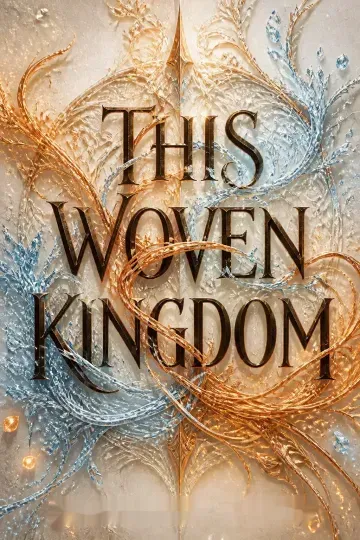
This Woven Kingdom Series

About the Author
Other books by Tahereh Mafi








Download PDF
Download EPUB
.epub digital book format is ideal for reading ebooks on phones, tablets, and e-readers.








































