



Plot Summary
A Wedding Without a Dress
Two weeks after The Reestablishment collapses, Warner1 waits in a government Supply Center dressing room while Ella2 tries on replacement clothes. They were supposed to marry that very morning, but the previous night Kenji3 accidentally ruined her custom dress and Warner's1 suit, forcing a frantic hunt for off-the-rack garments.
Warner,1 raised with private tailors, recoils at machine-stitched polyester and wounds Ella2 by dismissing the gown before defaulting to clumsy apology. Kenji3 arrives offering to help, and Warner1 privately plots his murder.
Ella2 drifts toward exhausted resignation, the worst possible mood on a wedding day, then defuses him by jokingly threatening Kenji3 through the door. Warner1 softens, smiling. The day's true catastrophes still lie ahead, hidden behind ordinary irritation.
Mafi opens not on spectacle but on domestic friction, signaling that this novella will privilege intimacy over war. Warner's snobbery about fabric is comic, yet it exposes his deeper terror: that he cannot give Ella the life she deserves. The destroyed dress functions as an omen of derailed joy, a motif that recurs throughout. Crucially, Ella's slide into resignation alarms Warner more than her anger, revealing his finely tuned empathy and his fear of disappointing her. The chapter establishes the central dynamic of a violent man rendered tender, his murderous impulses repeatedly disarmed by a single look from the woman who anchors him.
Homecoming to Hostile Adoration
Driven back to the Sanctuary in a bulletproof SUV, the three fight through thousands of adoring, dangerous civilians who swarm Ella,2 now famous worldwide as the hero Juliette Ferrars.2
Warner1 explains she reclaimed her birth name to deny his dead father any lingering power over her, and that only he is permitted to call her Ella. We learn she nearly died escaping Oceania, snapping her femur and burning a capital, then lay comatose for ten of their fourteen days home. A filthy stray dog attaches itself to Warner.1
His brother Adam,8 healed and oddly jubilant, runs gate security. Warner,1 an empath drowning in the crowd's collective grief, confesses his desperate hunger for silence and a private terror: whenever Ella2 leaves his sight, his mind insists she has died.
The scene reframes celebrity as assault. Adoration here is indistinguishable from danger, the mob's love a crushing weight that Warner must scan constantly for hidden violence. Mafi uses his empathic power as a metaphor for hypervigilant trauma: he literally cannot filter others' emotions, mirroring a nervous system permanently braced for catastrophe. Ella's reclamation of Juliette is an act of narrative ownership, refusing to let abusers edit her history. Most poignant is Warner's intrusive conviction of her death, a symptom of unprocessed grief from her near-fatal flight. The stray dog enters as a quiet counterweight, the only being whose affection asks nothing performative of him.
The Ring in the Velvet Box
Kenji3 ambushes Warner1 on the path, hurling insults that thinly veil real affection as the two compete over who loves Ella2 more. Beneath the venom, Kenji3 reveals he commissioned the rings Warner1 designed: an antique mine-cut diamond on a delicate twig-like band, paired with a matching gold band bearing two emerald leaves growing from opposite sides of a single branch, an image of the couple themselves.
Warner,1 uncharacteristically nervous, opens the dark blue box and is undone by how badly he needs Ella2 to love it. Rather than endure Kenji's3 pity, he turns invisible and vanishes mid-sentence.
The dog trails him still, inexplicably loyal. This exchange exposes the tenderness Warner1 buries under cruelty and plants the rings that will anchor the wedding.
The ring's design is the novella's emotional thesis rendered in metal: two leaves on one branch, separate yet inseparable, growth toward each other from opposite sides of a shared path. Warner's anxiety over Ella's approval is startlingly adolescent, puncturing his lethal composure and revealing a man who has never trusted that he is wanted. Kenji's bickering is a love language; his sincerity is what Warner cannot bear, since pity implies brokenness. The disappearing act becomes self-protection, a refusal to be witnessed feeling. Mafi quietly dignifies male tenderness here, locating real intimacy in the friction between two men who would never say they care.
The War Room Ambush
Castle6 and Nouria4 pull Warner1 away from Ella2 for a private meeting, performing a transparent good cop, bad cop routine. They beg him to permit vetted civilian crews inside the Sanctuary, citing collapsing cabins, a sewage crisis, lost personnel, and mounting global pressure.
Warner1 refuses outright, unwilling to gamble Ella's2 safety on anyone he cannot personally vouch for. The conversation sours until Nouria,4 guilt flickering across her face, lands the real blow: the wedding must be postponed, possibly for months.
Worse, she admits it was Ella's2 idea. Warner1 goes hollow, his lifelong conviction confirmed that happiness evaporates the moment he dares trust it. He exits believing the woman he loves2 quietly chose to delay marrying him and never said a word.
This is the false midpoint, a manufactured betrayal that weaponizes Warner's deepest schema: that good things are always revoked. Mafi stages institutional tension too, dramatizing the unglamorous aftermath of revolution where idealistic rebels prove poor administrators and Warner's pragmatism reads as coldness. His refusal to admit civilians is both paranoid and rational, born of a childhood where trust was lethal. Nouria's dislike is real, yet her guilt hints at concealed kindness. The genius of the scene is dramatic irony withheld: the reader, like Warner, takes the postponement at face value, so his despair feels earned rather than manipulated, deepening the eventual reversal's impact.
Confession at the Graveyard
Warner1 retreats to a memorial cliff above the camp's graveyard, gripping the ring box. Ella2 finds him and confirms she did float postponing the wedding if logistics failed, but insists Nouria4 was never supposed to tell him.
She swears she has not changed her mind, yet Warner1 senses she is concealing something. Kenji3 appears and spirits her away on vague errands in unregulated territory, her strained smiles all but confirming a deception. Stung by what he reads as her pity, Warner1 concludes she believes him broken and incapable of surviving hours alone.
Left as dusk falls, he finally accepts the stray dog's company, naming their bond by promising it a bath. The animal's uncomplicated trust becomes his only comfort while everything human turns precarious and false.
Warner's empathy becomes a torment here, detecting concealment without context and filling the void with worst-case interpretation. The cruelest wound is not rejection but Ella's perceived pity, because being seen as fragile threatens the masculine armor that kept him alive. Mafi sets the scene in a graveyard, surrounding tentative joy with literal death, the landscape mirroring his expectation of loss. The dog's adoption is the chapter's grace note: Warner can accept devotion only from a creature that does not analyze or pity him. The shared longing for a bath, of all things, signals his secret yearning to be cleaned of his own history.
Sam's Verdict
Eating alone in the dining tent past nine, Warner1 is cornered by Sam,5 Nouria's4 weary partner, who demands he stop shielding Ella2 from a continental tour. She reports that numbered sectors are now rioting against their fledgling government and insists the people need to see Ella's2 face to keep their hope alive.
Warner1 snaps that he never cared about saving civilization and would gladly watch the world burn for her. Sam5 detonates, branding him a callous narcissist who exists only because Ella2 tolerates him.
She also lets slip that Ella2 worries more about Warner1 than herself, convinced he is privately processing something fragile. The accusations land hard, and Warner1 absorbs them in silence. Sam's5 later half-apology trails after him unanswered as he walks away.
Sam voices the communal verdict on Warner, externalizing the self-loathing he already carries. Her charge of narcissism is half true and half misread: his refusal to prioritize the planet over Ella is not vanity but a man who has decided exactly one person is worth his loyalty. Mafi complicates the moral calculus, since Sam's communitarian ethics and Warner's protective monomania are both defensible. The buried revelation, that Ella's caution stems from worry for him, recontextualizes every prior wound. His silent absorption of cruelty, refusing to defend himself, exposes how thoroughly he has internalized the belief that he deserves contempt.
The Smell of Paint
Long past midnight, Ella2 tiptoes into their hospital room carrying a faint chemical odor. Warner,1 feigning sleep on the cold floor, feels her relief give way to a sharp wave of happiness that he is unconscious and cannot question her. The reading guts him: she seems glad to evade him.
He lies frozen as Sam's5 and Kenji's3 insults loop through his head, spinning the jade ring his mother once gave him, the only gift of a brutal childhood and a tether to old grief he both treasures and resents. He fears he is doomed to repeat endless cycles of pain, congenitally unfit for lasting joy. Ella2 sleeps in minutes while he sinks into a nightmare of chasing her through disaster as she sits laughing, safe and unreachable, in a tree.
The chapter is the novella's dark night of the soul, where misreading reaches its apex. The paint smell, an unrecognized clue, will later reframe everything, but here it only deepens dread. Mafi externalizes Warner's despair through the jade ring, a relic that simultaneously preserves his mother's love and re-inscribes his trauma, making memory itself a wound he cannot remove. The tree dream is devastatingly precise: Ella elevated beyond reach while he is dragged under, encoding his conviction that he is too dark to deserve her light. His empathy, usually a weapon, becomes here an instrument of self-torture, manufacturing rejection from incomplete data.
The Morning Surprise
At dawn Winston,7 visibly terrified of Warner,1 arrives to fetch him for a surprise he is forbidden to name, and Warner1 repeatedly slams the door before grudgingly agreeing to bathe.
Mid-shower, Ella2 slips inside with two mugs of coffee, undresses, and joins him; their reunion becomes the first time they have made love since the catastrophe in Oceania, tender and starving after weeks of fear-driven restraint. Afterward she promises there is something she wants to show him. The night's despair dissolves into bewildered hope as Warner,1 who loathes surprises, lets himself be led.
He reasons that the word surprise rarely precedes ruin, and the obfuscations that tormented him for two days begin to feel like the surface of something hidden and good rather than a sentence passed against him.
Physical reunion functions as narrative pivot, the body restoring trust the mind could not. Warner's confessed fear of touching Ella during her recovery reveals his protectiveness bordering on self-denial, and the shower breaks that dam. Mafi uses sensual intimacy not gratuitously but structurally, marking the turn from despair toward revelation. Winston's terror provides comic relief while underscoring how singular Warner's reputation is. The chapter dramatizes hope as a discipline Warner must consciously practice, reasoning himself toward optimism the way a trauma survivor must override catastrophic defaults. The two-day misdirection begins reframing itself, preparing the reader for the architecture of love beneath apparent rejection.
Married Today
Outside the medical tent the friends gather, and Yara11 presents the bathed stray, now sporting a ridiculous red bow, before the bickering finally cracks the secret open: Kenji3 blurts that Warner1 and Ella2 are getting married today. The postponement was pure theater.
Ella2 confesses she orchestrated the whole thing in secret, that Nouria4 deliberately exaggerated a months-long delay as a security cover, and that she sent coded notifications so no intercepted message could betray the plan to enemies.
When Winston7 and Kenji3 mock him, Ella2 defends Warner1 fiercely, insisting they bully a real, feeling man, and the rare protection visibly undoes him. Their schedules were cleared on purpose. Warner,1 laughing in disbelief, realizes the two days of distance were love disguised as logistics, engineered entirely for his sake.
The reversal recontextualizes every prior wound: the lies were protection, the evasions were gifts. Mafi rewards attentive readers, since the paint, the secrecy, and the coded messages now click into place. The deepest payoff is not the wedding news but Ella publicly defending Warner's right to be hurt, dismantling the camp's habit of treating him as unfeeling stone. His laughter, a sound he barely recognizes, marks emotional thaw. The chapter argues that being truly loved means being seen as fragile without being diminished by it, exactly the perception Warner feared. The found family's labor, hidden for days, reframes community as something he belongs to despite himself.
The House That Became Home
Ella2 leads Warner1 through reclaimed unregulated streets, past a rusted playground, to a residential road of decaying houses with one exception: a repaired home painted soft white with sage-green shutters.
Along the way she finds the ring box in his pocket, and he nervously slides the twig-banded engagement ring onto her finger before reclaiming the wedding band for the ceremony. She weeps that its emerald leaves match his eyes.
Then she reveals the house is theirs, secretly renovated by the entire camp as the first phase of a new Sanctuary campus meant to rebuild towns, staff hospitals, and shelter freed asylum residents. Kenji3 announces he will live next door. Ella2 explains she wanted to give Warner1 the quiet, privacy, and peace he has never once been allowed to have.
The house crystallizes the novella's thesis that home is not a place but a person, and that love is shown through labor rather than declaration. Mafi contrasts this bright, repaired home with Warner's parents' robin's-egg-blue house of horrors, marking a deliberate rewriting of his domestic past. The ring exchange, occurring out of order on a broken street, mirrors the couple's whole unconventional history. Ella's reciprocity is the emotional climax of theme: Warner has spent the book worrying over her, and she insists on the right to care for him too. The campus plan grounds private romance in public ethics, her compassion scaling from one man to a continent.
The Backyard Vows
Swept off by Nazeera9 and the women to dress, Ella2 leaves Warner1 to discover Winston7 sewed him a new green three-piece suit overnight and Kenji3 prepared a gardenia boutonniere.
Sam5 quietly makes peace with him before the ceremony, and Warner,1 ringed by people he never expected to call friends, takes his place beneath a wildflower arch as the sisters Sonya and Sara13 play violin. The crowd's emotions trigger a panic attack, and Kenji3 steadies him by describing Ella's2 beaded tulle gown until he can breathe again.
When Ella2 finally appears, luminous on the petal-strewn aisle, his terror dissolves. He thanks Kenji3 with rare sincerity, and as his bride2 reaches him, he answers the long ache of the entire book with two quiet words affirming that he believes.
The climax inverts every prior crisis: the empathic overwhelm that tormented Warner is now soothed by friendship rather than solitude, and Kenji, the man he threatened to murder, becomes his anchor. Mafi resolves the found-family arc by having Warner request Kenji's presence at the altar, an admission of need he could never voice. The panic attack honors trauma's persistence, refusing a tidy cure while showing growth in his capacity to be helped. The closing affirmation, the title spoken as vow, transforms Warner's lifelong distrust into faith. Love here is not the absence of fear but the willingness to walk toward it anyway, witnessed and held.
Analysis
Believe Me is a chamber piece, a companion novella that abandons large-scale plot for a microscopic study of one traumatized man learning to be loved. Confined almost entirely to two days, it stages a romantic misdirection in which perceived rejection is secretly devotion, weaponizing Warner's1 catastrophic thinking against both him and the reader. Mafi's choice to narrate exclusively from Warner's1 interiority is the book's engine: because we feel only what he feels, we mistake care for cruelty exactly as he does, making the reversal land as relief rather than gimmick. The central insight is psychological. Warner's empathy literalizes hypervigilance, a survivor's nervous system that registers everything and trusts nothing, defaulting always to the worst interpretation because abandonment is the only pattern his childhood taught. His repeated certainty that joy will be revoked is textbook trauma logic, and the novella's quiet radicalism lies in refusing to cure it, instead showing growth as the slow capacity to be helped, to request Kenji3 at the altar, to receive a home rather than only build defenses. Thematically, the work argues that love is shown through labor and protection rather than declaration, that home is a person before it is a place, and that healing happens communally. The found-family arc, Warner1 discovering he has friends who would lose sleep for him, is as central as the romance. Ella's2 insistence on reciprocity, her demand for the right to worry over him, corrects the martyr dynamic of most protective love stories. The renovated white house deliberately overwrites his parents' house of horrors, dramatizing how survivors must consciously construct new futures atop old ruins. Tender, comic, and occasionally sentimental, the novella ultimately reframes its title as a vow: belief, in oneself and in lasting happiness, is the hardest faith a wounded person can practice.
Review Summary
Believe Me received mixed reviews from readers. Many fans of the Shatter Me series appreciated the closure and romantic moments between Warner and Juliette. Readers enjoyed Warner's perspective and character development. However, some criticized the lack of an actual wedding scene and felt the novella was unnecessary. The spicy content and Kenji's humor were highlights for many. Some readers found the characters' behavior frustrating or out of character. Overall, opinions were divided on whether this was a satisfying conclusion to the series.
Characters
Warner (Aaron)
Empath groom, ex-commanderThe novella's narrator, a former Reestablishment commander whose brutal upbringing under a tyrannical father left him violent, hypervigilant, and convinced he is unworthy of love. An empath, he physically absorbs the emotions of everyone around him, making crowds an agony and silence a craving. He hides profound tenderness beneath sarcasm and threats of murder, and he organizes his entire identity around protecting Ella2, the one person who sees past his darkness. He distrusts happiness reflexively, certain that any joy will be revoked, and spends the book misreading love as rejection. His arc is one of slowly, painfully learning to receive care rather than only give it, and to believe he belongs among the family forming around him.
Ella (Juliette Ferrars)
World-famous hero brideWarner's1 fiancee, known globally as Juliette Ferrars, the hero who toppled The Reestablishment, though Warner1 alone calls her Ella, a name reclaiming their private history. Recently comatose after a near-fatal escape, she wakes determined to rebuild the world with radical compassion, reopening hospitals, dignifying soldiers, and sheltering the vulnerable. Where Warner1 expects loss, she insists on hope, believing cycles of pain can be broken through deliberate joy. Warm, stubborn, and quietly strategic, she orchestrates an elaborate secret to give Warner1 the peace and home he has never known. Her defining trait is reciprocity: she refuses to be only the protected one and demands the right to care for him in return.
Kenji Kishimoto
Loyal antagonizing best friendA powerful, wisecracking member of the resistance whose relentless insults of Warner1 mask genuine devotion. He accidentally destroyed the wedding clothes, then labored for days to procure the rings, build the house, and stage the surprise. He loves Ella2 like family and, despite constant friction, comes to genuinely want Warner's1 happiness. His humor cushions hard truths, and his steadiness ultimately anchors Warner1 through crisis, marking him as the friend Warner1 never expected to need.
Nouria
Sanctuary leader, reluctant allyCo-leader of the Sanctuary and Castle's6 daughter, a pressured, easily wounded administrator who openly dislikes Warner1 because he challenges her tactics at every turn. She clashes with him over admitting civilians and delivers the false news of the postponement. Beneath the antagonism lies a protective competence; her exaggerated lie about delay is, surprisingly, an act of security and care woven into Ella's2 secret plan.
Sam
Blunt strategist, Nouria's partnerNouria's4 partner and a sharp-tongued strategist who confronts Warner1 over keeping Ella2 from the public during escalating riots. Exhausted and unsentimental, she calls him a narcissist to his face, yet she understands intimately the terror of loving someone perpetually in danger. Her hostility gradually softens into a fragile, hard-won truce as she glimpses the wounded man beneath his coldness.
Castle
Elder revolutionary mentorA graying, weathered revolutionary leader and the secret engineering mind behind much of the resistance's technology. He approaches Warner1 with measured respect, valuing his unmatched knowledge of The Reestablishment's inner workings. Patient and diplomatic, he officiates the wedding and tries to keep the peace among strong, clashing personalities.
Winston
Overnight tailor, nervous friendA resistance member who, despite being terrified of Warner1, sews him an entirely new wedding suit by hand overnight. Tasked with luring Warner1 toward the surprise, he endures slammed doors and insults with exasperated good humor. His craftsmanship and effort quietly demonstrate the camp's hidden affection for a man who assumes everyone hates him.
Adam (Kent)
Warner's transformed brotherWarner's1 half-brother, recently recovered and startlingly joyful, who now performs security deactivations at the Sanctuary gate. His newfound lightness contrasts the darkness both brothers once carried.
Nazeera
Resourceful tech-savvy friendA capable, smart ally who stayed behind partly to be near Kenji3 and partly to help. She sets up the Sanctuary's improved communications network and helps shepherd Ella2 into her wedding gown.
Brendan
Power-draining helperA white-blond resistance member whose abilities power the camp's electricity and who frets over photo lighting on the wedding day. Overworked and good-natured, he helps coordinate the celebration.
Yara
Star-struck dog washerA shy, red-haired young woman who runs the school group and idolizes Warner1. She bathes and grooms the stray dog as a wedding gift, mistakenly assuming the animal is his.
James
Warner's young half-brotherWarner's1 young biological brother, the only child permitted at the wedding, whose unguarded affection and proud hug briefly disarm the famously cold Warner1.
Sonya and Sara
Healer-musician sistersTwin healers who helped keep Ella2 alive after Oceania and, revealed to be former child violin virtuosos, perform Pachelbel's Canon at the ceremony.
Plot Devices
Warner's empathy
Senses others' hidden emotionsWarner's1 power to feel the emotions of those around him drives both the plot and his psychology. It lets him detect that Ella2 is concealing something, fueling his spiral of misinterpretation, since he reads emotional states without their context. In crowds it becomes torment, a flood of grief and adoration he cannot filter, explaining his craving for solitude. Mafi uses it as a literalized metaphor for trauma-born hypervigilance: a nervous system that registers everything and trusts nothing. The same gift that tortures him at the altar is what finally lets Kenji's3 calm voice ground him, turning a liability into the channel through which connection ultimately reaches him.
The twig-banded rings
Symbolizes intertwined growthWarner1 secretly designs an engagement ring (an antique mine-cut diamond on a thin organic band) and a matching wedding band bearing two emerald leaves sprouting from opposite sides of one branch. He commissions Kenji3 to have them made and obsesses over whether Ella2 will love them. The leaves explicitly represent the couple growing toward each other from opposite ends of a shared path. The rings recur as a physical object he carries everywhere, a talisman of fragile hope, and their eventual placement on Ella's2 finger, out of order on a broken street, mirrors the couple's whole unconventional courtship and crowns the emotional reconciliation.
The surprise-wedding ruse
Disguises love as rejectionThe novella's central misdirection: Ella2 secretly arranges a complete surprise wedding and renovated home, using a fabricated postponement as cover. Nouria4 deliberately exaggerates a months-long delay, Ella2 sends coded notifications to prevent enemy interception, and the friends clear everyone's schedules in advance. To Warner1, and the reader, this reads as painful rejection across two days, generating his despair. Clues like the smell of paint are planted and only retroactively explained. When revealed, the device reframes every wound as an act of care, demonstrating the book's thesis that love is often hidden in labor and protection rather than open declaration, and that Warner's1 catastrophic assumptions blinded him to devotion.
The stray dog
Mirrors Warner's wary heartA half-feral, half-eared mutt latches onto Warner1 and refuses to leave, despite his protests. The animal trusts him unconditionally and is delighted by the idea of a bath, a detail revealing it once had a home and lost it, echoing Warner's1 own abandoned past. The dog becomes the one creature whose affection asks nothing performative of him, comforting him through his lowest moments. Cleaned, collared, and named simply Dog, it reappears at the wedding as an unintended gift, embodying the theme that Warner1 can learn to accept devotion. Its uncomplicated loyalty quietly tutors him in receiving love without suspicion.
The jade ring
Tethers him to traumaA jade band given by Warner's1 late mother, the only gift of his childhood, which he wears always and spins compulsively in moments of distress. It simultaneously preserves his mother's love and re-inscribes the memory of his father's brutality, his grandfather's betrayal, and years of pain. Mafi uses it to externalize Warner's1 relationship to his own history: a keepsake he cannot bring himself to remove even as it chains him to grief and to the conviction that he is fated for endless cycles of suffering. It surfaces during his darkest night, crystallizing his fear that happiness can never last for someone like him.
FAQ
Synopsis & Basic Details
What is Believe Me about?
- A Post-Apocalyptic Wedding: Set two weeks after the events of Imagine Me, the novella follows Aaron Warner and Juliette Ferrars as they navigate the chaotic reality of leading a shattered world while attempting to have their wedding day.
- Navigating Chaos and Love: The story delves into Warner's perspective, detailing his internal struggles with anxiety, control, and his deep love for Juliette amidst the overwhelming demands of rebuilding society and ensuring their safety.
- Unexpected Community Support: What begins as a potentially disastrous wedding day, marked by mishaps and external pressures, transforms into a testament to the unexpected bonds and collective effort of their friends and allies in the Sanctuary.
Why should I read Believe Me?
- Deep Dive into Warner's Psyche: The novella offers an intimate look into Warner's thoughts, fears, and vulnerabilities, providing crucial character development and explaining his often-guarded behavior.
- Emotional Payoff for Fans: It delivers a long-awaited moment for readers invested in Warner and Juliette's relationship, culminating in their wedding and solidifying their bond amidst adversity.
- Expands the World: The story provides glimpses into the immediate aftermath of The Reestablishment's fall, showing the challenges of leadership, community building, and the fragile state of their new world.
What is the background of Believe Me?
- Immediate Aftermath of Imagine Me: The story takes place directly after the final battle against The Reestablishment and Emmaline, with Warner and Juliette now leaders of the surviving population at the Sanctuary.
- Rebuilding a Broken World: The setting reflects the immense task ahead: damaged infrastructure, resource scarcity, lingering threats from former Reestablishment loyalists, and the struggle to establish order and trust among disparate groups.
- Personal Trauma and Healing: Both Warner and Juliette are still processing the physical and psychological wounds from their past and the recent conflict, influencing their interactions and emotional states throughout the day.
What are the most memorable quotes in Believe Me?
- "Believe me. I do.": Warner's final line, spoken as Juliette walks towards him at the altar, encapsulates the core theme of trust, vulnerability, and the profound certainty of his love for her in a moment of overwhelming emotion and new beginnings.
- "If I were a house, I would be haunted.": Warner's stark self-assessment highlights his deep-seated trauma and perception of himself as irrevocably damaged, contrasting sharply with Juliette's ability to find light and build community.
- "Sun and rain make a rainbow.": Kenji's simple, slightly awkward metaphor for Warner and Juliette's relationship captures the unexpected harmony of their contrasting personalities and brings a moment of levity and genuine affection.
What writing style, narrative choices, and literary techniques does Tahereh Mafi use?
- First-Person, Present-Tense (Warner's POV): The entire novella is told from Warner's perspective, offering unfiltered access to his internal monologue, anxieties, and emotional readings of others, creating a sense of immediacy and deep intimacy with his character.
- Sensory and Emotional Detail: Mafi employs rich sensory descriptions (the white wall, the smell of apricot shampoo, the dog's fur) intertwined with Warner's constant processing of others' emotions, creating a unique, layered narrative experience.
- Repetition and Internal Monologue: Warner's recurring thoughts, anxieties, and self-doubts are presented through repetitive phrasing and extensive internal reflection, emphasizing his mental state and the cyclical nature of his fears.
Hidden Details & Subtle Connections
What are some minor details that add significant meaning?
- The Unusually White Wall: The opening description of the wall's specific shade of white (not pure, mixed with yellow) subtly introduces the theme of imperfection and nuance, suggesting that even seemingly simple things (like a wall or a person) are more complex than they appear, foreshadowing Warner's internal reflections on his own perceived flaws.
- The Dog's Half-Eaten Ear: The detail of the dog's damaged ear, noted by Warner, serves as a quiet symbol of shared brokenness and resilience; like Warner and Juliette, the dog bears physical scars from a difficult past but is capable of finding comfort and loyalty in the present.
- The Smell of Apricot Shampoo: Juliette's new shampoo scent is mentioned multiple times by Warner, acting as a simple, grounding sensory detail that consistently pulls him back to her presence and provides a moment of calm amidst his anxiety, highlighting how even small, domestic details are significant anchors for him.
What are some subtle foreshadowing and callbacks?
- Warner's Fear of Separation: Early in the story, Warner notes his rising panic when separated from Ella, a callback to her near-death experience and his trauma during her recovery, subtly foreshadowing the emotional intensity he will experience later when he believes the wedding is off and she is keeping secrets.
- The Graveyard as Refuge: Warner seeking refuge in the graveyard, a place of death and loss, subtly foreshadows his later confrontation with his own fears of losing Juliette and his past trauma, suggesting that even places associated with pain can become spaces for processing and unexpected connection (like the dog finding him there).
- Juliette's "Basic Human Decency": Warner's internal reflection on Juliette attributing her radical, compassionate decisions to "a basic grasp of human decency" is a callback to her core character and subtly foreshadows the reveal that her "surprise" is an act of profound empathy and care specifically for him, stemming from that same deep-seated kindness.
What are some unexpected character connections?
- Warner and the Dog: Warner's reluctant but eventual acceptance of the stray dog, culminating in him allowing it to follow him and even showing it affection, is an unexpected connection that symbolizes his softening and capacity for unconditional loyalty, mirroring the loyalty he inspires in Juliette despite his perceived darkness.
- Warner and Winston/Brendan's Effort: The reveal that Winston and Brendan stayed up all night to make Warner a new suit is an unexpected demonstration of their care and acceptance, challenging Warner's belief that people only help him because of Juliette and highlighting the growing bonds within the community that extend to him personally.
- Sam and Warner's Moment of Understanding: Despite their open animosity, Sam and Warner share a brief moment of genuine understanding when discussing the burden of leadership and the objectification they face, revealing a subtle, shared vulnerability beneath their conflict and hinting at the possibility of future alliance.
Who are the most significant supporting characters?
- Kenji Kishimoto: Beyond comic relief, Kenji serves as a crucial emotional bridge, challenging Warner's isolation, providing practical help (the ring, the suit coordination), and acting as a barometer for the community's feelings towards Warner, ultimately demonstrating genuine friendship and support.
- Nouria and Sam: As leaders of the Sanctuary, their interactions with Warner highlight the political and logistical challenges of their new world, but their involvement in the surprise wedding (despite their friction with Warner) underscores the collective commitment to Juliette's happiness and, by extension, Warner's place within their community.
- Winston and Alia: Their dedication to creating Juliette's dress and Warner's suit, working tirelessly overnight, symbolizes the personal investment and care the community has for the couple, turning logistical problems into acts of love and support.
Psychological, Emotional, & Relational Analysis
What are some unspoken motivations of the characters?
- Warner's Need for Control: Warner's constant anxiety and discomfort with surprises stem from a deep-seated need for control, a coping mechanism developed from a lifetime of trauma and unpredictability under The Reestablishment; his motivation to understand everything is driven by a fear of being blindsided or losing what he holds dear (Juliette).
- Juliette's Desire to "Fix" Warner: Juliette's elaborate surprise wedding and the reclaimed home are motivated not just by love, but by a desire to provide Warner with the peace, home, and acceptance she knows he craves but struggles to believe he deserves, stemming from her own empathy and witnessing his hidden pain.
- The Community's Acceptance of Warner: The collective effort to create the surprise wedding is motivated by their love for Juliette, but also a growing, unspoken acceptance of Warner as part of their family, a recognition of his loyalty to Juliette and his own contributions, despite his difficult past and personality.
What psychological complexities do the characters exhibit?
- Warner's Trauma Response: Warner exhibits classic trauma responses, including hyper-vigilance (reading emotions, scanning crowds), dissociation (detaching from overwhelming moments), and panic attacks, particularly when separated from Juliette or faced with uncertainty, revealing the lasting impact of his past despite his outward strength.
- Juliette's Compartmentalization: Juliette demonstrates a remarkable ability to compartmentalize her emotions and focus on practical tasks (fixing pipes, planning rebuilding) even after immense trauma, a coping mechanism that allows her to function as a leader but sometimes leads her to underestimate the emotional impact of situations on others, like Warner.
- The Burden of Empathy: Warner's power to feel others' emotions is portrayed as a significant psychological burden, making him crave solitude and struggle in crowds, highlighting the isolating nature of his ability and the constant mental effort required to manage it.
What are the major emotional turning points?
- The Postponement Revelation: Nouria telling Warner the wedding is postponed, and that it was Juliette's idea, is a major emotional turning point for Warner, triggering his deepest fears of abandonment and rejection and leading him to question Juliette's feelings and honesty.
- Juliette's Explanation and Reassurance: Juliette finding Warner at the graveyard and explaining her reasons for the postponement, coupled with her unwavering declaration of love and understanding of his needs, is a critical turning point that alleviates Warner's anxiety and rebuilds trust, allowing him to fully embrace the surprise.
- The Community's Acceptance: The moment Warner sees the collective effort behind the surprise wedding and feels the genuine happiness and acceptance from characters like Kenji and Winston, it marks an emotional turning point where he begins to internalize that he is not just tolerated, but cared for, challenging his long-held beliefs about his own unworthiness.
How do relationship dynamics evolve?
- Warner and Juliette's Deepening Trust: Despite the brief period of miscommunication and Warner's fear, the surprise wedding plot ultimately deepens their trust, as Warner learns to relinquish control and trust Juliette's intentions, and Juliette demonstrates her profound understanding of his hidden needs.
- Warner's Integration into the Community: Warner's relationship with the other Sanctuary members evolves from one of mutual distrust and irritation to reluctant acceptance and even moments of genuine connection, highlighted by their collective effort for his happiness and his surprised realization that he has "acquired friends."
- Kenji and Warner's Complex Friendship: Their dynamic continues to be marked by banter and irritation, but Kenji's active role in the surprise and his sincere congratulations reveal a deeper layer of friendship and respect, showing that their bond has moved beyond mere tolerance for Juliette's sake.
Interpretation & Debate
Which parts of the story remain ambiguous or open-ended?
- The Future of the Rebuilding Effort: While the novella ends on a hopeful note with the wedding and the reclaimed home, the immense scale of the global rebuilding effort and the lingering threats from former Reestablishment members remain largely unresolved, leaving the long-term stability of their new world ambiguous.
- The Extent of Warner's Healing: While Warner experiences significant emotional breakthroughs and moments of peace, the novella doesn't definitively state that his trauma responses (panic attacks, hyper-vigilance) are gone forever, suggesting his healing is an ongoing process rather than a complete resolution.
- The Role of the Sanctuary Campus: The vision for the Sanctuary campus as a potential new capital is presented as a hopeful plan, but its feasibility, the challenges of integrating former asylum residents, and the potential for conflict with other surviving groups are left open to interpretation.
What are some debatable, controversial scenes or moments in Believe Me?
- Warner's Treatment of Others: Warner's continued sharp, often cruel internal commentary and outward rudeness towards characters like Kenji, Sam, and Winston, even while acknowledging their help, can be debated as either consistent with his complex character and trauma or as unnecessarily harsh and undermining of his supposed growth.
- The Ethics of the "Surprise": The decision by Juliette and the others to deliberately mislead Warner about the wedding postponement, causing him significant distress, could be debated as a questionable tactic, even if motivated by good intentions, raising questions about communication and trust within their group.
- The Portrayal of Warner's Powers: The depiction of Warner's empathy as a debilitating burden, making him crave isolation, could be debated in contrast to how empathy is typically viewed, prompting discussion about the nature of his specific ability and its psychological cost.
Believe Me Ending Explained: How It Ends & What It Means
- The Ending: The novella culminates in Warner and Juliette's surprise wedding ceremony in the backyard of their newly reclaimed home. Surrounded by their friends and allies, they exchange vows (Warner opting for traditional ones) and rings (the special set Warner had made). The final scene depicts Juliette walking down the aisle towards Warner, who, despite his earlier anxiety, is overwhelmed with happiness and certainty, whispering "Believe me. I do." as she reaches him.
- What It Means:
- Validation of Love and Hope: The wedding signifies the culmination of Warner and Juliette's tumultuous journey and the validation of their deep love and commitment, serving as a powerful symbol of hope and new beginnings not just for them, but for the fragile new world they are building.
- Acceptance and Belonging: The surprise orchestrated by the community, particularly the effort put into the house and ceremony, represents Warner's acceptance into their found family, challenging his belief that he is fundamentally unlovable or undeserving of happiness and providing him with a sense of belonging he's never had.
- Embracing the Future: The reclaimed home and the vision for the Sanctuary campus symbolize the possibility of building a stable, peaceful future from the ruins of the past. The ending suggests that despite the immense challenges ahead, their love and the strength of their community provide the foundation necessary to face them together.
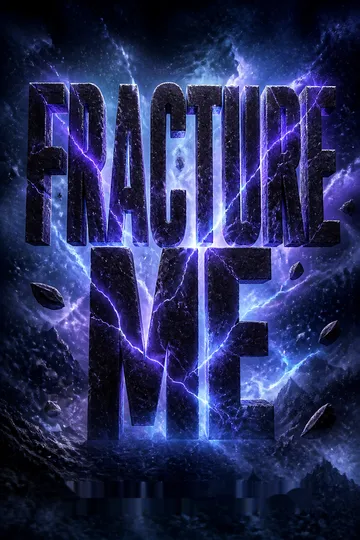
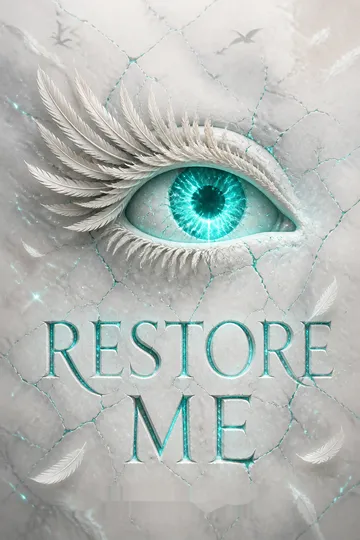
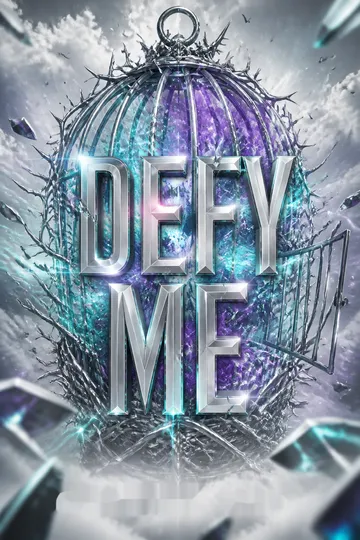
Shatter Me Series







About the Author
Other books by Tahereh Mafi




Download PDF
Download EPUB
.epub digital book format is ideal for reading ebooks on phones, tablets, and e-readers.








































