
Plot Summary
The Last Party
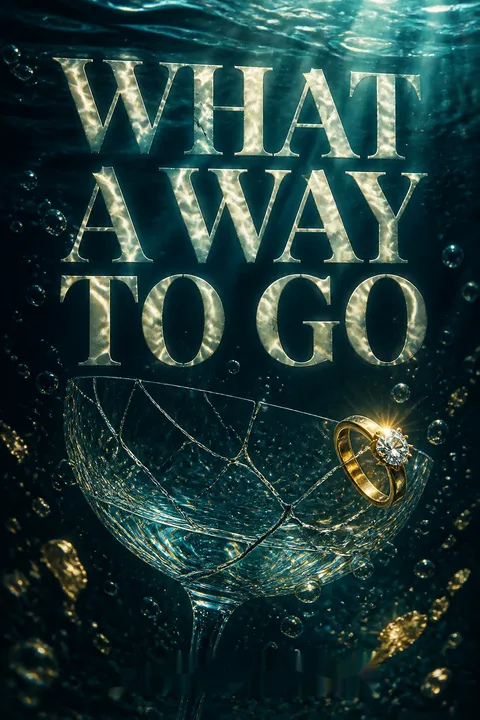
Anthony Wistern's sixtieth birthday party is a spectacle of wealth and social climbing, meticulously orchestrated by his wife Olivia at their Cotswolds estate. The event is a parade of the rich and powerful, but beneath the glitter, Anthony is anxious, numbing himself with drugs and drink. Olivia, ever the perfect hostess, is privately exhausted and resentful. Their children are present but distant, and the guests are a mix of sycophants and rivals. As the night unfolds, Anthony's relationships—strained with his wife, children, and business partner Giles—bubble with unspoken grievances. The party, meant to be a celebration, is laced with foreboding, setting the stage for a tragedy that will shatter the family's carefully constructed world.
Death in the Lake
In the early hours, Anthony is found dead, impaled on a spike in the lake—an apparent accident, but the circumstances are bizarre. Olivia's reaction is cold and practical, more concerned with appearances than grief. The children are stunned, each processing the event through their own lens of dysfunction. The guests are ushered away, and the police arrive, but the investigation is cursory, treating the death as a tragic mishap. Rumors swirl among the social set, and the family's secrets begin to surface. The scene is both grotesque and surreal, the beautiful setting now tainted by violence and suspicion.
Afterlife Intake
Anthony awakens in a drab, bureaucratic afterlife processing center, confused and indignant. He is told he must remember the details of his death before he can move on. The afterlife is a place of rules, forms, and waiting rooms, staffed by indifferent administrators. Anthony's competitive nature kicks in—he is determined to "win" at death, but the process is humbling. He is forced to reflect on his life, his relationships, and the possibility that his death was not an accident. The afterlife's rules mirror the absurdities of the world he left behind, and Anthony's journey becomes one of reluctant self-examination.
Family in Shock
Back at the estate, Olivia manages the aftermath with icy efficiency, gathering the children and controlling the narrative. The family is fractured—Jemima is pregnant and anxious, Lyra is rebellious, Fred is withdrawn, and Clara is attention-seeking. Each has a complicated relationship with their father and with each other. The reading of the will looms, and financial anxieties mount. Olivia's focus is on survival and reputation, not mourning. The children, left adrift, begin to question the official story, and old resentments flare. The family's unity is a façade, barely holding under the weight of scandal and loss.
The Sleuth Emerges
Jade Evans, a true crime enthusiast and former pub employee, becomes obsessed with Anthony's death. Alienated in her own life, she channels her energy into online sleuthing, building a following as "The Sleuth." She is convinced the death was not an accident and begins investigating, interviewing locals, and infiltrating the family's world. Her outsider status gives her a unique perspective, but also makes her vulnerable. As she uncovers secrets—affairs, financial schemes, and family dysfunction—her pursuit becomes both a quest for justice and a way to assert her own worth in a world that has overlooked her.
Suspicions and Secrets
The investigation—both official and amateur—reveals a web of motives. Anthony's business partner Giles, his mistress Lainey, and even his children have reasons to resent him. Olivia is revealed to have been planning to leave Anthony, and has been quietly siphoning money for years. The children squabble over inheritance and blame, while the press and public turn on the family. Jade's videos stoke public suspicion, and the family's every move is scrutinized. The truth becomes harder to discern as each character spins their own version of events, and the line between victim and perpetrator blurs.
The Will and the Fallout
The reading of Anthony's will is a disaster. The children's expectations are dashed—trust funds are locked, assets are missing, and Olivia is left with little but the house. Charles, Olivia's brother, is revealed to have manipulated the family finances for his own gain. The family's social standing collapses as creditors and the law close in. Olivia's carefully maintained image is destroyed, and the children are forced to confront a future without privilege. The will exposes the family's true dynamics—greed, rivalry, and a lack of genuine connection.
The Ponzi Unravels
News breaks that Anthony was running a Ponzi scheme, defrauding friends and clients. The family is plunged into scandal, their assets seized, and their social circle abandons them. Olivia is interrogated by police, maintaining her innocence and ignorance. The children scatter—some seeking escape, others clinging to the remnants of their status. Jade's investigation gains traction as she uncovers the extent of Anthony's crimes. The family's downfall is public and humiliating, and the question of Anthony's death—accident, suicide, or murder—remains unresolved.
Social Exile
Olivia and the children are ostracized, forced to leave their London home and retreat to the country. Friends and allies vanish, and the family is left to fend for themselves. Olivia, ever resourceful, plots her return to society, leveraging what little she has left. The children adapt in different ways—some embracing notoriety, others seeking anonymity. Jade, now a minor celebrity in the true crime world, continues her campaign for justice. The family's exile is both a punishment and an opportunity for reinvention, but old patterns persist.
The True Crime Frenzy
Jade's videos go viral, fueling conspiracy theories and public fascination with the case. The family is hounded by journalists and internet sleuths, their every move dissected. The investigation becomes a spectacle, with Jade at its center. The children are divided—some resent the attention, others exploit it. Olivia is both vilified and pitied, her reputation shifting with the tides of public opinion. The line between truth and narrative blurs, and the family's fate becomes a cautionary tale for a voyeuristic age.
The Ring and the Reveal
The discovery of a missing diamond ring—once owned by Olivia—becomes the key to unraveling the mystery. Jemima's affair, Will's financial desperation, and Charles's betrayal all come to light. The ring, traced through a series of hands, implicates Will in Olivia's death. Jade, initially accused, is exonerated as the true sequence of events emerges. The family's final confrontation is explosive, as secrets are laid bare and alliances are shattered. Justice is messy and incomplete, but the truth—such as it is—finally surfaces.
The Final Confrontation
In a climactic confrontation at Gables, Will, driven by desperation and resentment, kills Olivia in a fit of rage. Jade, present at the scene, is initially blamed but ultimately cleared. The family, now irreparably broken, must reckon with the consequences of their actions. Will is arrested, Jemima abandons him, and the children scatter. Jade, vindicated but disillusioned, steps away from true crime, her own life forever changed by her proximity to the Wisterns' tragedy.
Deaths and Departures
Olivia and Anthony are reunited in the afterlife processing center, forced to confront their failures and resentments. Their interactions are combative but laced with dark humor and reluctant affection. Both must come to terms with the truth of their deaths—Anthony's accidental, Olivia's at the hands of her son-in-law. The afterlife is a place of reflection, bureaucracy, and, ultimately, letting go. The family's story continues in the living world, but for Anthony and Olivia, the journey is now about acceptance and moving on.
Afterlife Reckonings
Olivia, now aware of the full truth, chooses not to reveal it to Anthony, savoring her victory and his confusion. Anthony, ever competitive, is frustrated by his inability to "win" at death. The afterlife staff, bemused by the couple's antics, watch as they bicker and plot. Olivia's brother Charles, revealed as a traitor, is destined to join them. The afterlife becomes a stage for the final act of the Wisterns' drama—a place where grudges persist, but the stakes are different.
The New Narrative
In the aftermath, the family disperses—some seeking new lives, others clinging to the past. Jade reinvents herself as a motivational speaker, her brush with infamy both a burden and a platform. The Wistern children pursue their own paths, shaped by scandal and loss. Olivia's reputation is posthumously rehabilitated, while Anthony's legacy is one of caution and spectacle. The story becomes legend, retold in media, gossip, and memory—a modern morality tale about wealth, power, and the cost of secrets.
Analysis
A darkly comic dissection of privilege, truth, and the stories we tell"What a Way to Go" is a satirical, multi-layered exploration of wealth, family, and the hunger for narrative in the digital age. Bella Mackie skewers the rituals and anxieties of the upper class, exposing the emptiness and moral rot beneath the surface of privilege. The novel's structure—shifting between afterlife bureaucracy, true crime obsession, and family melodrama—mirrors the chaos and subjectivity of modern life, where truth is contested and reputation is everything. Through the lens of Anthony and Olivia's toxic marriage, the book interrogates the costs of ambition, the limits of loyalty, and the corrosive effects of secrets. Jade's outsider perspective highlights the dangers and seductions of turning tragedy into entertainment, while the family's downfall serves as a cautionary tale about the fragility of status and the inevitability of reckoning. Ultimately, the novel suggests that the stories we tell—about ourselves, our families, and our society—are as much about survival as about truth, and that in the end, no one escapes the consequences of their own narrative.
Review Summary
What a Way to Go received mixed reviews, with an average rating of 3.40 out of 5. Some readers enjoyed the dark humor, witty writing, and intriguing premise, while others found the characters unlikeable and the plot underwhelming. The book's satirical take on wealthy families and its multiple perspectives were praised by some, but others felt it dragged on too long. Many compared it to the author's previous work, with some preferring this novel and others disappointed.
People Also Read


Characters
Anthony Wistern
Anthony is the magnetic, self-assured head of the Wistern family, a man who built his fortune through charm, risk-taking, and moral flexibility. His relationships are transactional—he prizes loyalty but rarely offers it, and his love is conditional. Anthony's need for admiration and excitement leads him to financial fraud and serial infidelity. In death, he is forced to confront the consequences of his actions, stripped of power and forced into self-reflection. His journey is one from denial to reluctant acceptance, his bravado masking deep insecurity and a fear of irrelevance.
Olivia Wistern
Olivia is Anthony's wife, a woman who has mastered the art of social performance. Beneath her polished exterior lies a core of resentment, intelligence, and adaptability. She is both victim and architect of her own fate—complicit in Anthony's schemes, yet ultimately betrayed by him and those closest to her. Olivia's maternal instincts are muted; her relationships with her children are transactional, shaped by status and control. In the afterlife, she is both vengeful and pragmatic, determined to shape her own narrative and outmaneuver her rivals, even in death.
Jade Evans (The Sleuth)
Jade is a young woman from a modest background, whose obsession with true crime becomes her lifeline after personal loss and social isolation. Her investigation into Anthony's death is both a quest for truth and a means of asserting her own value. Jade is persistent, resourceful, and sometimes reckless—her outsider status gives her clarity but also makes her vulnerable to scapegoating. Her journey is one of self-discovery, as she moves from amateur sleuth to accidental celebrity, ultimately questioning the cost of her obsession.
Jemima Wistern
Jemima is Anthony and Olivia's oldest child, desperate for validation and stability. Her marriage to Will is a bid for respectability, but she is restless and unfulfilled, engaging in an affair with Luke, a local barman. Jemima's loyalty is fickle—she is quick to turn on family when it suits her, and her sense of entitlement blinds her to her own flaws. Her pregnancy becomes a focal point for family tensions, and her eventual abandonment of Will is both self-preserving and ruthless.
Lyra Wistern
Lyra is the family's black sheep, critical of their privilege and hypocrisy. She is sharp, witty, and emotionally distant, using sarcasm as armor. Lyra's politics and lifestyle are a rejection of her upbringing, but she is not immune to the family's dysfunction. Her relationship with Olivia is fraught but occasionally aligned, and she is both a disruptor and a reluctant participant in the family's drama. Lyra's outsider perspective makes her both insightful and isolated.
Fred Wistern
Fred is the only son, more comfortable with animals and the land than with people. He is sensitive, awkward, and often overlooked, but possesses a quiet integrity. Fred's relationship with Anthony is strained—he resents his father's expectations and the family's values. His desire to preserve Gables, the family estate, is both a refuge and a burden. Fred's involvement in the investigation is hesitant, and his loyalty to family is tested by their betrayals.
Clara Wistern
Clara is a product of privilege and neglect, using social media and self-promotion to fill the void left by her parents. She is shrewd, manipulative, and surprisingly resilient, leveraging the family's scandal for her own gain. Clara's belief in conspiracy and her alliance with Jade make her both a catalyst and a wildcard in the unfolding drama. Her ambition is untempered by loyalty, and she is quick to adapt to new realities.
Will Fortesque
Will is Jemima's husband, a man of good breeding but little substance. He is desperate to maintain appearances and financial stability, but is overwhelmed by debt and insecurity. Will's resentment towards the Wisterns festers, and his eventual act of violence—killing Olivia—stems from a mix of desperation, humiliation, and suppressed rage. His downfall is both shocking and, in retrospect, inevitable, as he is consumed by the very world he sought to join.
Charles Holdwood
Charles is the family's fixer, managing finances and providing a veneer of respectability. He is cautious, risk-averse, and seemingly loyal, but ultimately self-serving. Charles's manipulation of the family's secret fund and his alliance with Olivia are revealed to be motivated by personal gain. His betrayal is understated but devastating, exposing the limits of familial trust and the corrosive effects of money.
Mary Chambers
Mary is a minor figure in the social world, often overlooked but quietly observant. Her suspicions about Anthony's business dealings and her alliance with Lainey Goodman lead her to alert the authorities, setting the investigation in motion. Mary's role is that of the underestimated outsider who, through persistence and moral clarity, becomes the unlikely agent of justice. Her actions underscore the theme that those on the margins can wield unexpected power.
Plot Devices
Multiple Narrators and Shifting Perspectives
The novel employs a rotating cast of narrators—Anthony, Olivia, Jade, and others—each offering their own version of events. This structure creates ambiguity and tension, as the truth is filtered through self-interest, denial, and limited knowledge. The use of afterlife narration allows for dark humor and retrospective insight, while Jade's outsider perspective grounds the story in the world of true crime and social media. The shifting viewpoints highlight the subjectivity of truth and the ways in which narrative is shaped by power, privilege, and trauma.
Satire of Wealth and Social Status
The Wisterns' world is one of performative luxury, where reputation is currency and appearances are everything. The novel satirizes the rituals and anxieties of the upper class, exposing the emptiness beneath the surface. Parties, homes, and possessions are symbols of success, but also of isolation and moral decay. The collapse of the family's fortune is both a personal and social reckoning, forcing characters to confront the fragility of their identities.
True Crime and Public Spectacle
Jade's investigation, amplified by social media, transforms the family's tragedy into a public spectacle. The novel explores the ethics of amateur sleuthing, the hunger for scandal, and the commodification of suffering. The proliferation of theories, memes, and online commentary reflects a culture obsessed with narrative over nuance, and justice as performance rather than process.
Foreshadowing and Red Herrings
The narrative is laced with hints, false leads, and revelations that keep the reader—and the characters—guessing. The missing ring, the ambiguous relationships, and the conflicting accounts of the night of Anthony's death all serve to complicate the search for truth. The ultimate revelation—that Anthony's death was a drunken accident, and Olivia's a crime of passion—undermines the expectations set by the genre, emphasizing the banality and unpredictability of real life.
Afterlife as Bureaucratic Satire
The afterlife is depicted as a drab, bureaucratic holding pen, where the dead must process their own stories before moving on. This device allows for reflection, regret, and dark comedy, as Anthony and Olivia are forced to confront their failures and each other. The rules of the afterlife mirror the arbitrary systems of the living world, suggesting that escape from one's flaws is elusive, even in death.
Download PDF
Download EPUB
.epub digital book format is ideal for reading ebooks on phones, tablets, and e-readers.








































